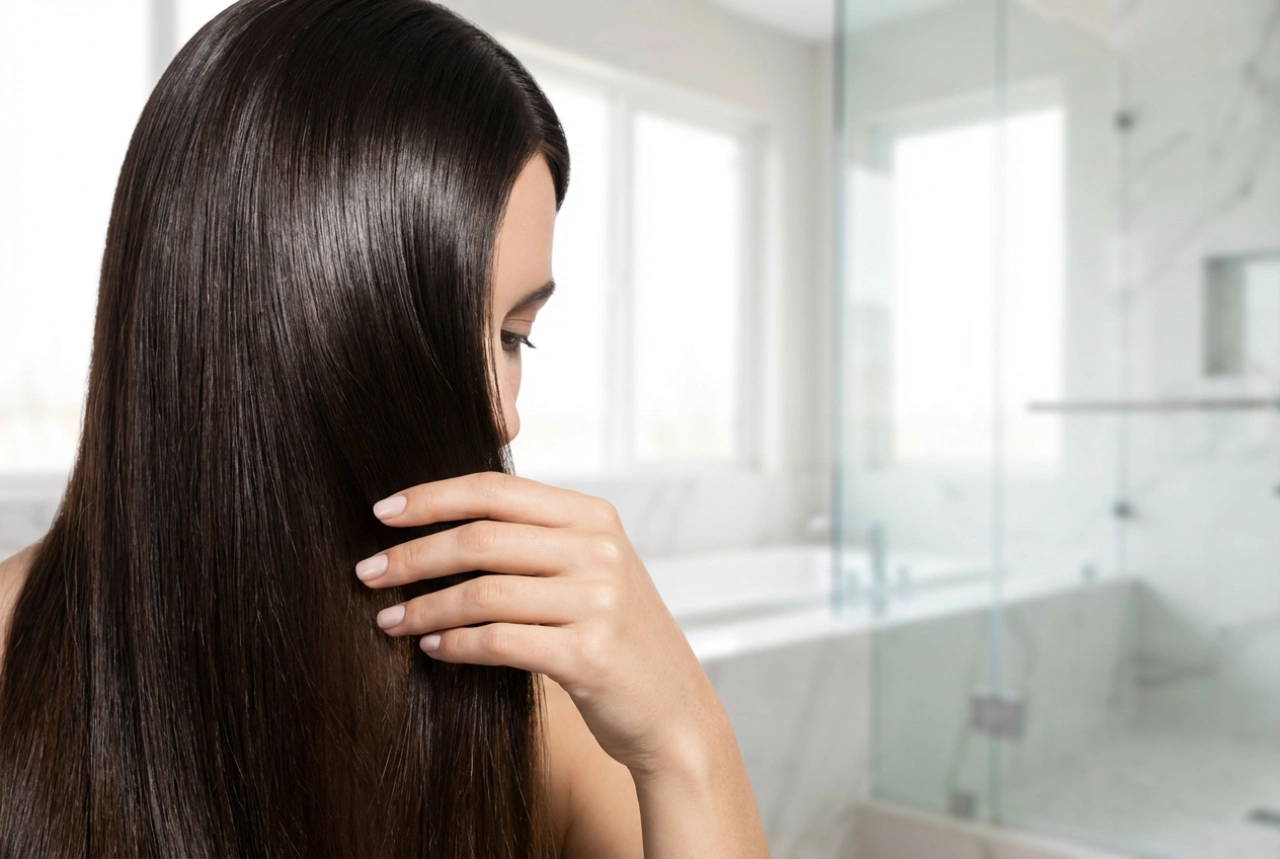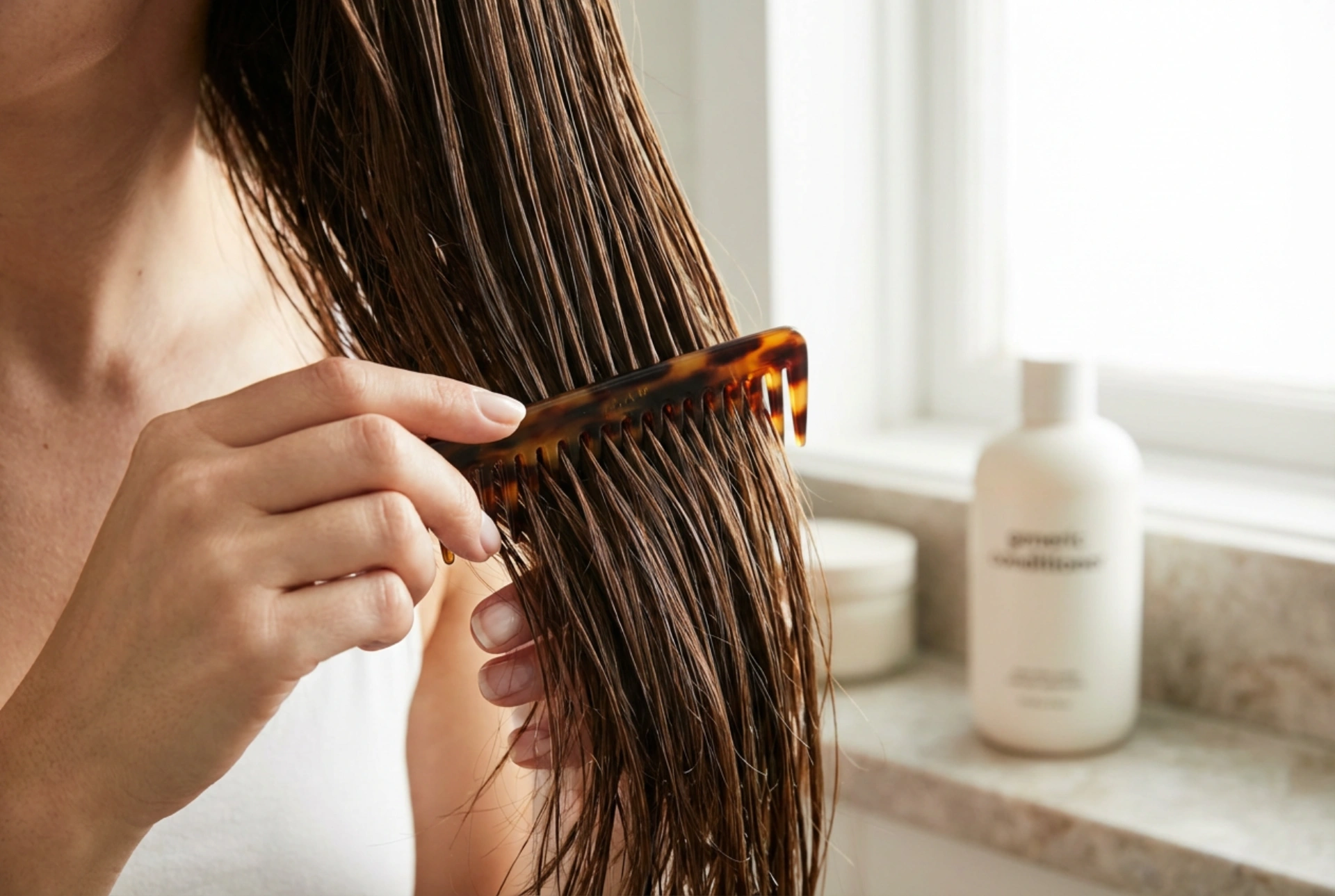


There is a distinct sense of calm in the ritual of post-wash hair care, particularly when smoothly running a wide-tooth comb through damp, freshly washed strands. In these quiet moments, the hair is beautifully clean, yet it is also in its most fragile state. Without the right preparation, attempting to detangle wet hair can lead to unnecessary stretching, snapping, and structural damage. This is where a high-quality detangling conditioner becomes an indispensable ally, transforming a potentially damaging process into a seamless, protective routine that preserves the natural integrity of your hair.
Why Wet Hair Demands Extra Caution
To understand the necessity of a detangling conditioner, it is important to look at the physical properties of wet hair. When hair absorbs water, the temporary hydrogen bonds within its inner structure break down. This process makes the hair fibre much more elastic and stretchable than when it is dry. While elasticity sounds like a positive trait, it actually means that the hair can easily be stretched beyond its natural limit, leading to permanent structural damage or immediate breakage.
Furthermore, the outer layer of the hair, known as the cuticle, lifts slightly when wet. This raised cuticle increases friction between adjacent strands, causing them to catch on one another and form stubborn knots. Attempting to force a comb through these tangles without a lubricating agent creates mechanical stress that can tear the hair shaft, weaken the roots, and result in split ends. A dedicated detangling product acts as a protective shield, smoothing down the cuticle and easing the path for your styling tools.
The Science of Slip: How Detangling Formulas Work
At the heart of every effective detangling conditioner is the concept of "slip." In cosmetic science, slip refers to how easily a product allows your fingers or a comb to slide through the hair. A formula with high slip significantly reduces the friction between individual hair fibres, meaning you can guide a comb through knots with minimal resistance.
These formulations achieve this by coating each hair strand in an ultra-fine, lightweight protective barrier. This barrier fills in the microscopic gaps along the damaged or uneven sections of the hair cuticle. By creating a temporary, smooth surface, the conditioner prevents strands from interlocking and clinging to one another. The result is a fluid, effortless glide that minimises physical tension on the hair follicle, keeping the hair intact and beautifully aligned.
Essential Ingredients for Gentle Detangling
When selecting a detangling conditioner, looking at the composition can help you find a formula that offers both protection and nourishment. Several key cosmetic ingredients are renowned for their ability to provide exceptional slip and hydration:
- Natural Plant Oils: Ingredients such as jojoba oil, argan oil, and sweet almond oil mimic the hair’s natural sebum. They provide lightweight nourishment, smoothing the cuticle without weighing the hair down.
- Humectants: Plant-derived glycerin and aloe vera extract draw moisture into the hair shaft, ensuring that the strands remain flexible and less prone to snapping during styling.
- Fatty Alcohols: Components like cetyl or stearyl alcohol act as softening agents and emollients. Unlike drying alcohols, these help to condition the hair surface, giving the product its creamy texture and enhancing slip.
- Natural Butter Extracts: For thicker or coarser hair types, shea butter or mango butter offers deep emollient benefits, softening stubborn knots and sealing in moisture.
A Step-by-Step Guide to Safe Post-Wash Combing
Achieving perfectly smooth, tangle-free hair requires both the right product and the correct technique. To elevate your routine and prevent mechanical damage, consider incorporating the following steps:
1. Gentle Towel Drying
Before applying any product, avoid the common mistake of rubbing your hair vigorously with a rough cotton towel. This rough friction disrupts the cuticle and worsens tangles. Instead, gently squeeze excess water out of your hair using a soft microfibre towel or a clean cotton t-shirt.
2. Strategic Product Application
Apply your chosen detangling conditioner primarily from the mid-lengths to the very ends of your hair, as this is where knots typically form. Use your fingers to gently distribute the product, ensuring that the most vulnerable areas are thoroughly coated. If using a leave-in spray, mist it evenly across the damp lengths.
3. Choosing the Right Tool
Always opt for a wide-tooth comb or a brush specifically designed for wet hair, which features flexible bristles. Standard fine-tooth combs or stiff brushes should be avoided, as they lack the flexibility needed to navigate knots gently.
4. The Bottom-Up Technique
Always begin detangling from the very tips of your hair. Gently clear the knots at the bottom first, and then gradually work your way up toward the mid-lengths and roots. Detangling from the top down simply pushes the knots together, creating a tighter, more difficult tangle near the ends that is highly susceptible to breakage.
Tailoring Your Detangling Routine to Your Hair Type
Not all hair types require the same level of conditioning. To maintain volume and health, it is beneficial to adapt your detangling routine to your specific hair texture. Fine, delicate hair easily becomes weighed down by heavy creams; for this hair type, a lightweight leave-in detangling spray or a rinse-out conditioner is ideal to keep the hair bouncy and fresh. Conversely, thick, coarse, or highly textured hair benefit immensely from richer, cream-based conditioners or deep-conditioning masks that provide intense moisture and maximum slip to tame dense knots safely.