

An elegant and minimalist beauty routine at home often involves discreet steps that demand high precision. Removing unwanted hair from the upper lip using cold wax strips is a classic, accessible method that delivers long-lasting smoothness. Achieving a salon-like result in the comfort of your own bathroom requires a meticulous approach. Proper technique not only guarantees an effective treatment but also minimises discomfort and prevents unnecessary skin irritation. By understanding the fundamentals of how to prepare, apply, and remove these delicate strips, you can transform a routine chore into a seamless, gentle beauty ritual.
Preparing the Skin for Waxing
Before you even touch a wax strip, the skin around your upper lip must be thoroughly prepared. Any oil, makeup, or moisture left on the skin can prevent the wax from adhering correctly to the hair, leading to uneven results and requiring repeated applications which can cause irritation. Start by washing your face with a mild, oil-free cleanser to remove any residue. Pat the area completely dry with a clean towel.
Once the skin is clean and dry, it is highly beneficial to apply a very light dusting of unscented talcum powder or cornstarch to the upper lip area. This acts as a protective barrier, absorbing any microscopic traces of moisture and ensuring that the wax adheres strictly to the hairs rather than sticking too aggressively to the skin itself. Always ensure your hands are clean and dry before commencing the procedure.
How to Correctly Apply the Strip
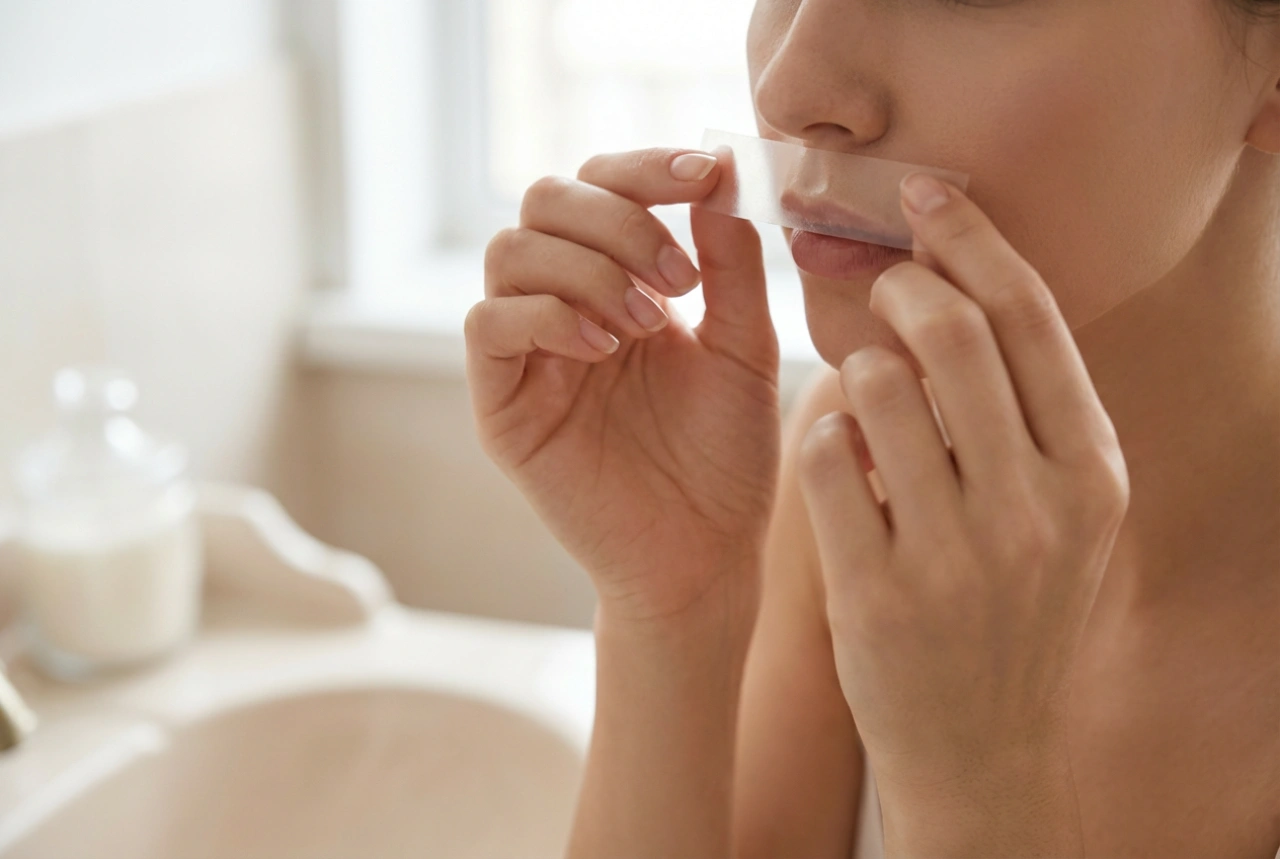
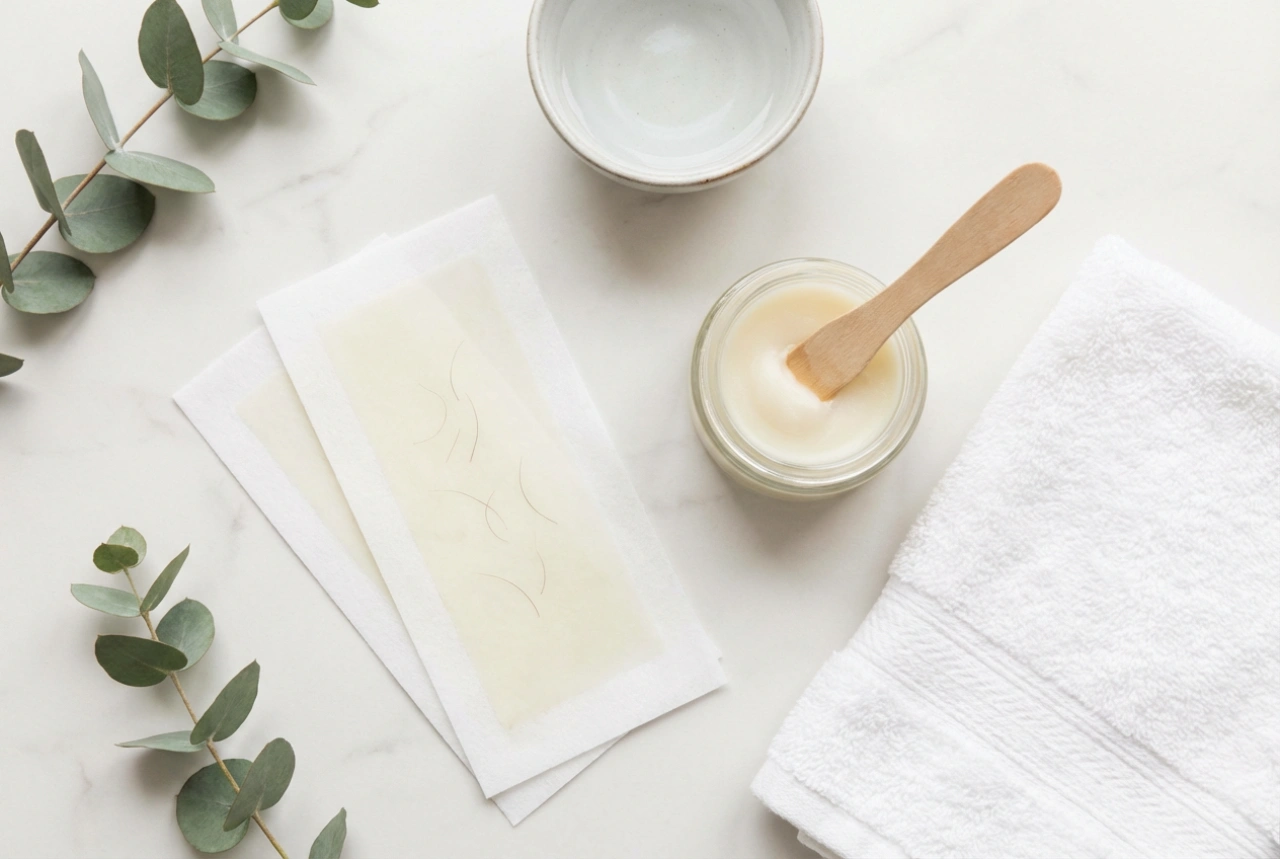
Cold facial wax strips typically come in joined pairs that need to be warmed slightly to activate the adhesive properties of the wax. Rub the double strip between your palms for about five to ten seconds. This gentle friction warms the wax to body temperature, making it pliable and easy to separate. Slowly peel the two strips apart, exposing the active waxing surface.
To apply the strip effectively, follow these precise steps:
- Smooth the strip down onto the skin in the direction of your hair growth. For the upper lip, hair usually grows outwards and downwards from the centre towards the corners of the mouth.
- Apply the strip to one side of the upper lip at a time for maximum control and accuracy.
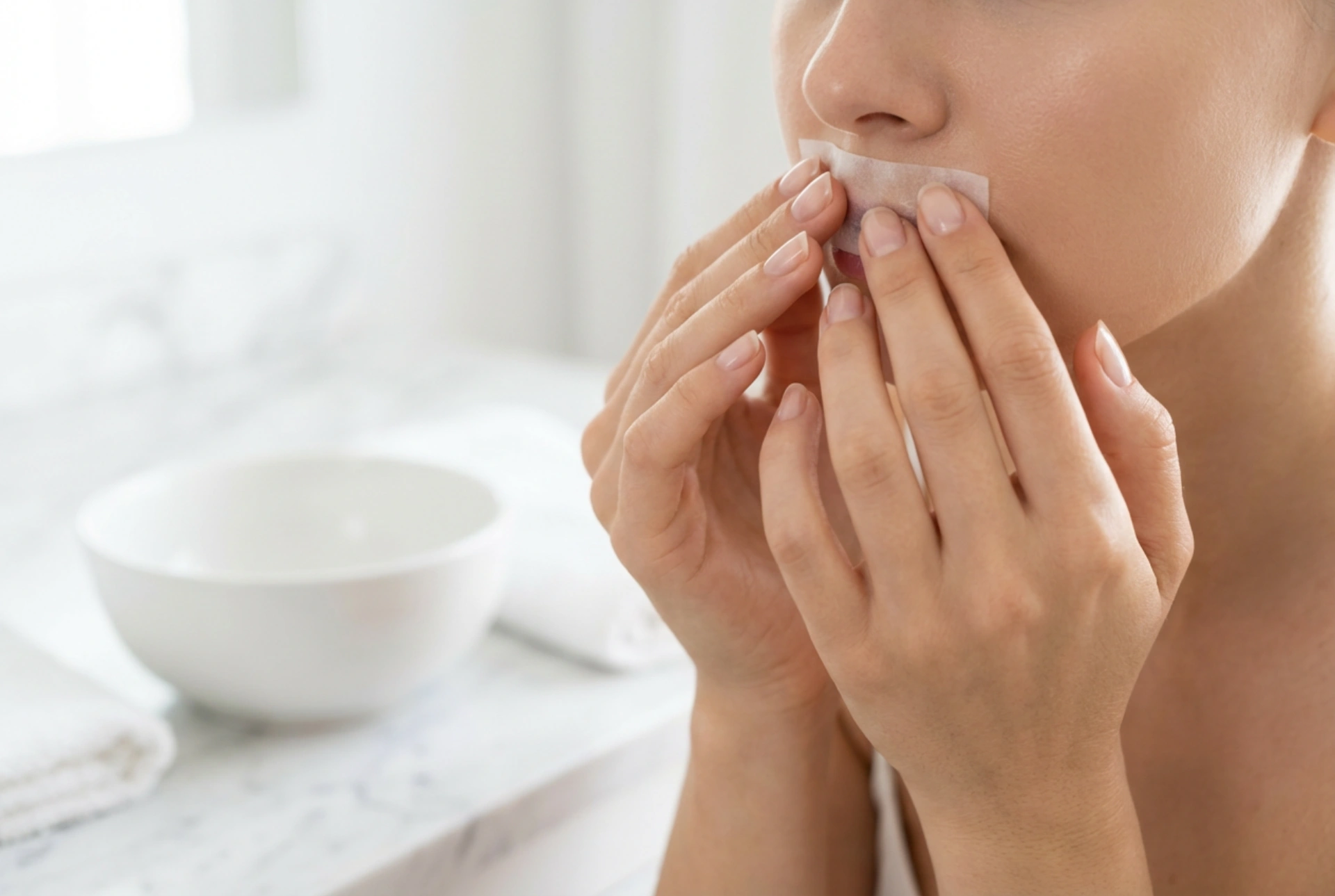
- Press down firmly on the strip, smoothing it over with your fingers several times to ensure that every single hair is thoroughly embedded in the wax.
The Correct Technique for Removal
The way you remove the wax strip is crucial for preventing redness, bruising, or broken hairs. The key to a successful, clean lift lies in two main actions: keeping the skin taut and pulling the strip parallel to the skin surface. Never pull the strip upwards or outwards away from the face, as this can lift the skin and cause bruising.
Hold the skin of your upper lip extremely taut with one hand. You can do this by pulling your lip down over your teeth or using your fingers to stretch the skin sideways. With your other hand, grip the bottom edge of the wax strip. In one swift, continuous motion, pull the strip back against the direction of hair growth. Keep your hand as close and parallel to the skin as possible as you pull.
Soothe and Hydrate Post-Treatment
Once the hair removal is complete, it is normal to experience mild, temporary redness. To calm the delicate skin immediately after waxing, use a post-wax wipe, which is usually included in the packaging, or a clean cotton pad soaked in a gentle, neutral oil such as sweet almond or jojoba oil. Oil is excellent because it dissolves any sticky wax residue left behind while nourishing the skin barrier.
Avoid touching the freshly waxed area with your fingers to prevent introducing bacteria to open pores. For the next twenty-four hours, steer clear of heavily perfumed products, chemical exfoliants, hot baths, and direct sun exposure. Instead, support skin recovery with a simple, fragrance-free moisturiser or a soothing aloe vera gel.
Common Mistakes to Avoid
Achieving perfect results with home waxing is a matter of practice. However, avoiding these common errors will significantly improve your experience:
- Waxing the same area twice: Never apply a second wax strip to the exact same spot during a single session. This can strip away the outer layer of the skin, leading to raw patches. If a few stray hairs remain, remove them carefully with tweezers.
- Hesitating during removal: Pulling the strip slowly will not remove the hair properly and will cause significantly more discomfort. The movement must be fast and decisive.
- Neglecting hair length: Ensure the hair is at least two to five millimetres long. If the hair is too short, the wax cannot grab it; if it is too long, the process can be unnecessarily painful.