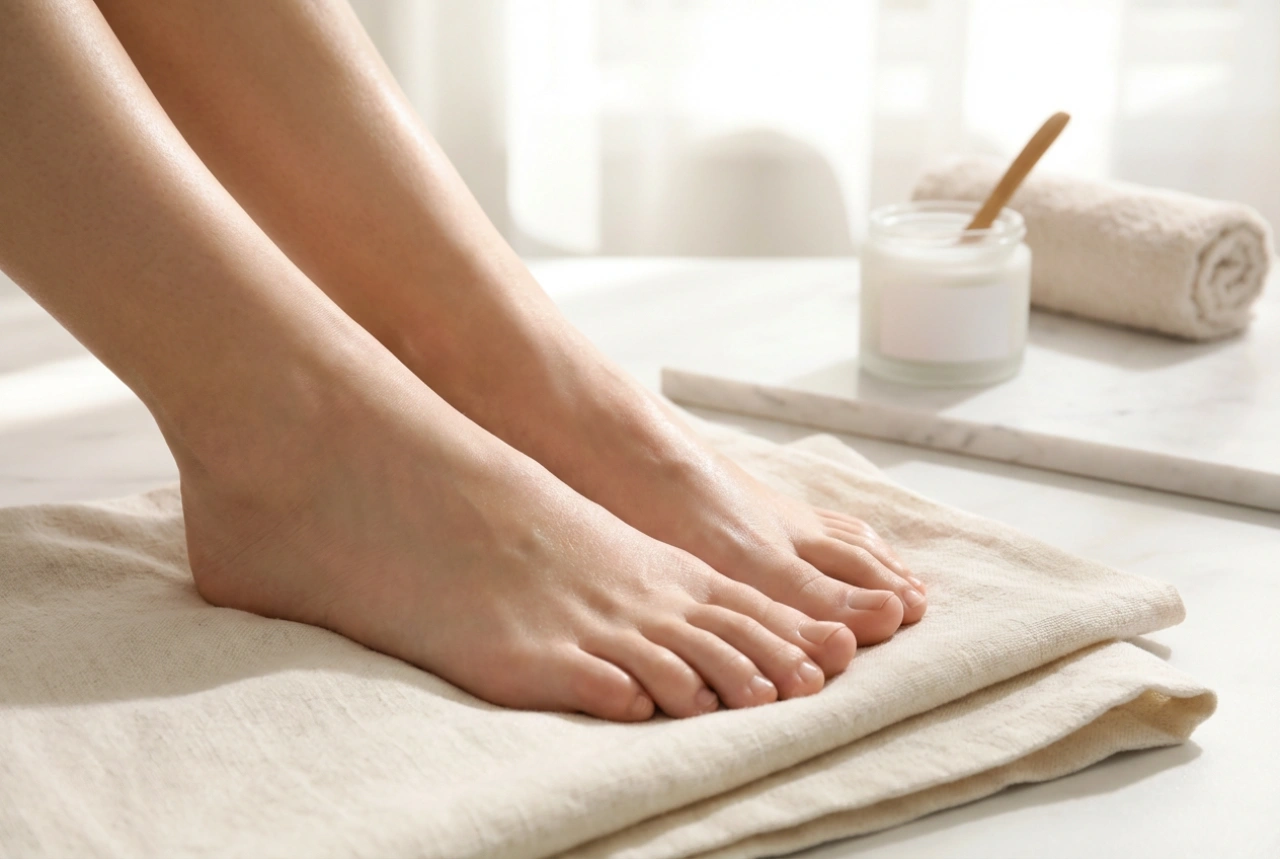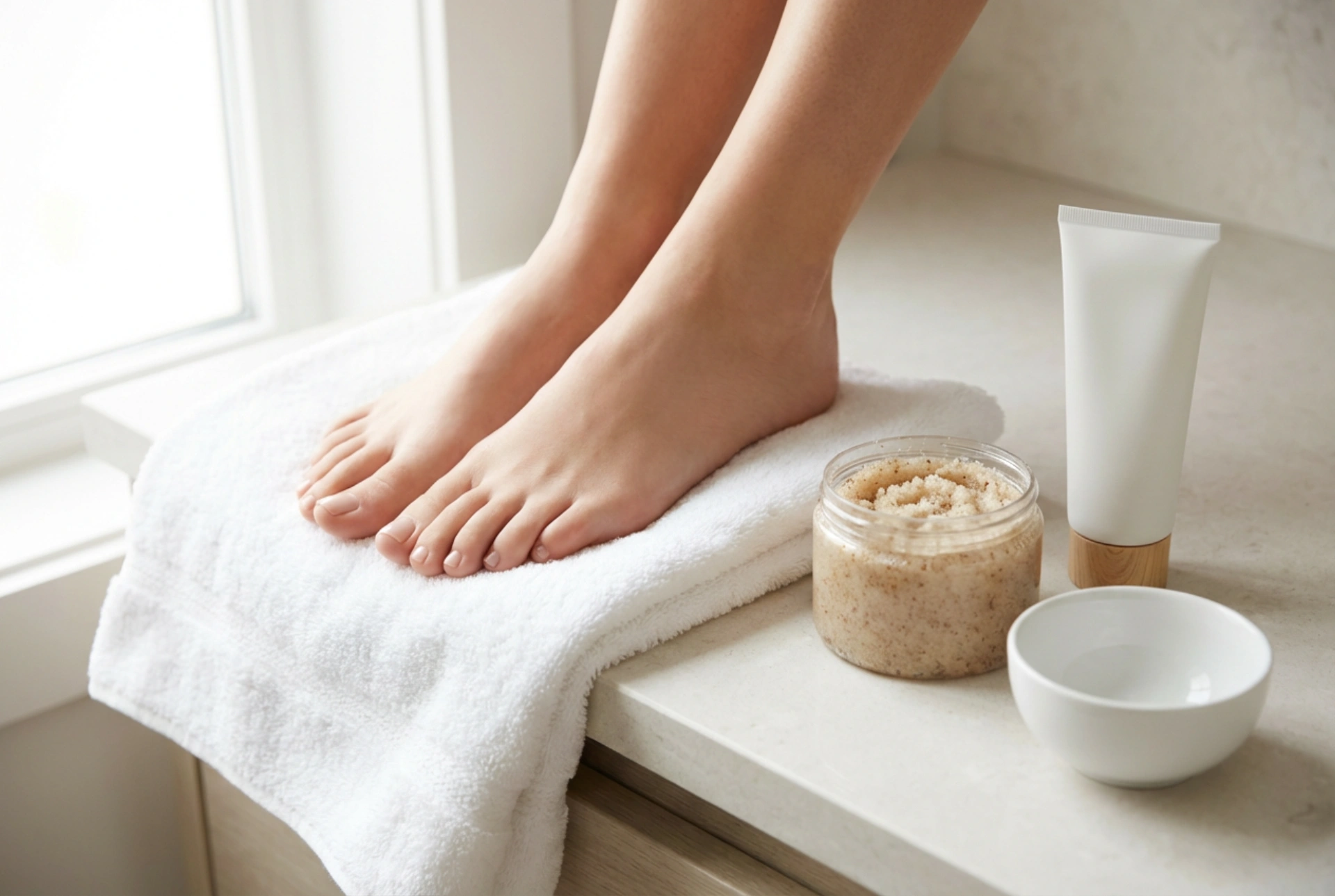


Imagine resting your feet on a soft, light towel after a long day, surrounded by the calming atmosphere of a mindful self-care routine. Our feet carry us through daily challenges, yet they are often the most neglected part of our body care regimen. Regular foot exfoliation is a simple yet transformative way to restore smoothness, relieve tension, and maintain healthy-looking skin. Incorporating a dedicated foot scrub into your beauty ritual not only improves the texture of your skin but also provides a moment of well-deserved relaxation in the comfort of your home.
The Correct Technique for Foot Exfoliation
To achieve the best results from your foot scrub, it is important to follow a structured routine that prepares the skin without causing irritation. Proper exfoliation relies on softening the stratum corneum (the outermost layer of skin) before applying any abrasive products.
Step 1: The Warm Foot Soak
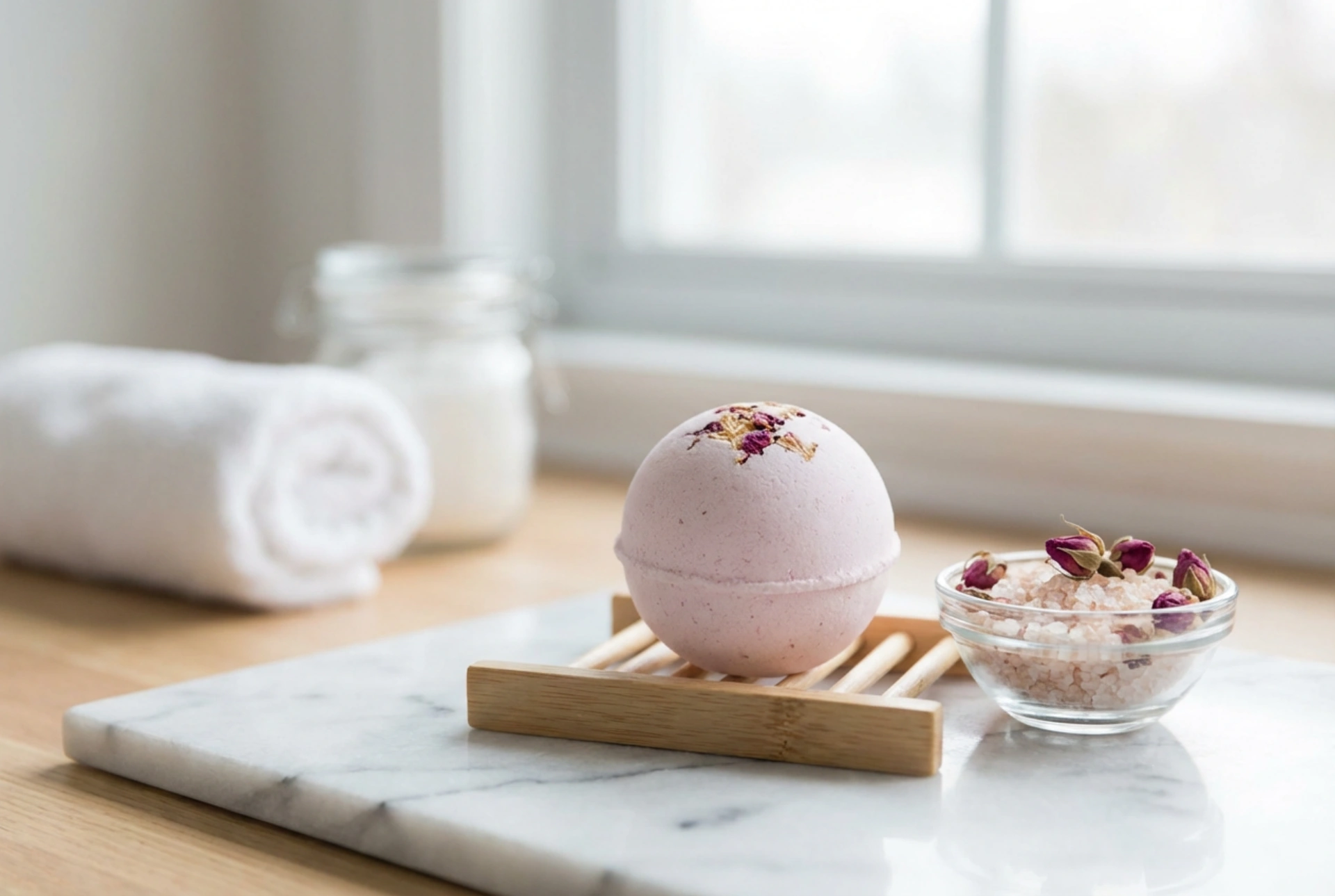
Always begin by soaking your feet in warm water for ten to fifteen minutes. You can add cosmetic bath salts or natural oils to the water to enhance the softening effect. This step relaxes the skin, making dead cells much easier to remove gently without harsh friction.
Step 2: Applying the Scrub
Take a generous amount of your chosen textured foot scrub. Apply it to slightly damp skin, focusing primarily on the heels, the balls of the feet, and the outer edges where rough patches tend to build up. Massage the scrub in firm, circular motions using your palms. Pay extra attention to the toes and cuticles, but use lighter pressure in these delicate areas.
Step 3: Rinsing and Drying
Thoroughly rinse your feet with lukewarm water, ensuring no scrub particles remain between your toes. Pat your feet dry gently with a clean, soft towel rather than rubbing them vigorously, as freshly exfoliated skin is highly sensitive and requires gentle handling.
Common Foot Scrubbing Mistakes to Avoid
While exfoliating seems straightforward, several common errors can compromise the skin barrier and lead to discomfort or increased roughness over time.
- Over-exfoliating: Scrubbing your feet too frequently can strip away the natural protective layers, prompting the body to produce even thicker skin as a defense mechanism.
- Dry scrubbing: Applying a gritty scrub to dry, unsoaked skin causes micro-tears and irritation. Always ensure the skin is thoroughly softened first.
- Using harsh mechanical tools: Relying on sharp metal rasps or rough pumice stones can create uneven tears in the skin. A gentle, textured cosmetic scrub combined with manual massage is much safer and more effective.
- Neglecting post-exfoliation care: Skipping the hydration step after scrub application leaves the newly exposed skin vulnerable to dryness and cracking.
The Benefits of Regular Foot Exfoliation
Engaging in a regular foot care routine goes beyond mere aesthetics. Soft, well-exfoliated feet are less prone to developing uncomfortable dry patches and rough textures. Furthermore, the physical act of massaging a textured scrub onto your feet stimulates local circulation, providing a feeling of lightness and relief after hours of standing or walking. It is a simple, mindful practice that enhances overall well-being, turning a basic hygiene task into a serene home spa experience.
Essential Post-Scrub Aftercare
The key to maintaining long-lasting smoothness lies in what you do immediately after rinsing off your scrub. Exfoliation removes dead cells but also temporarily strips away natural lipids, meaning you must actively restore hydration.
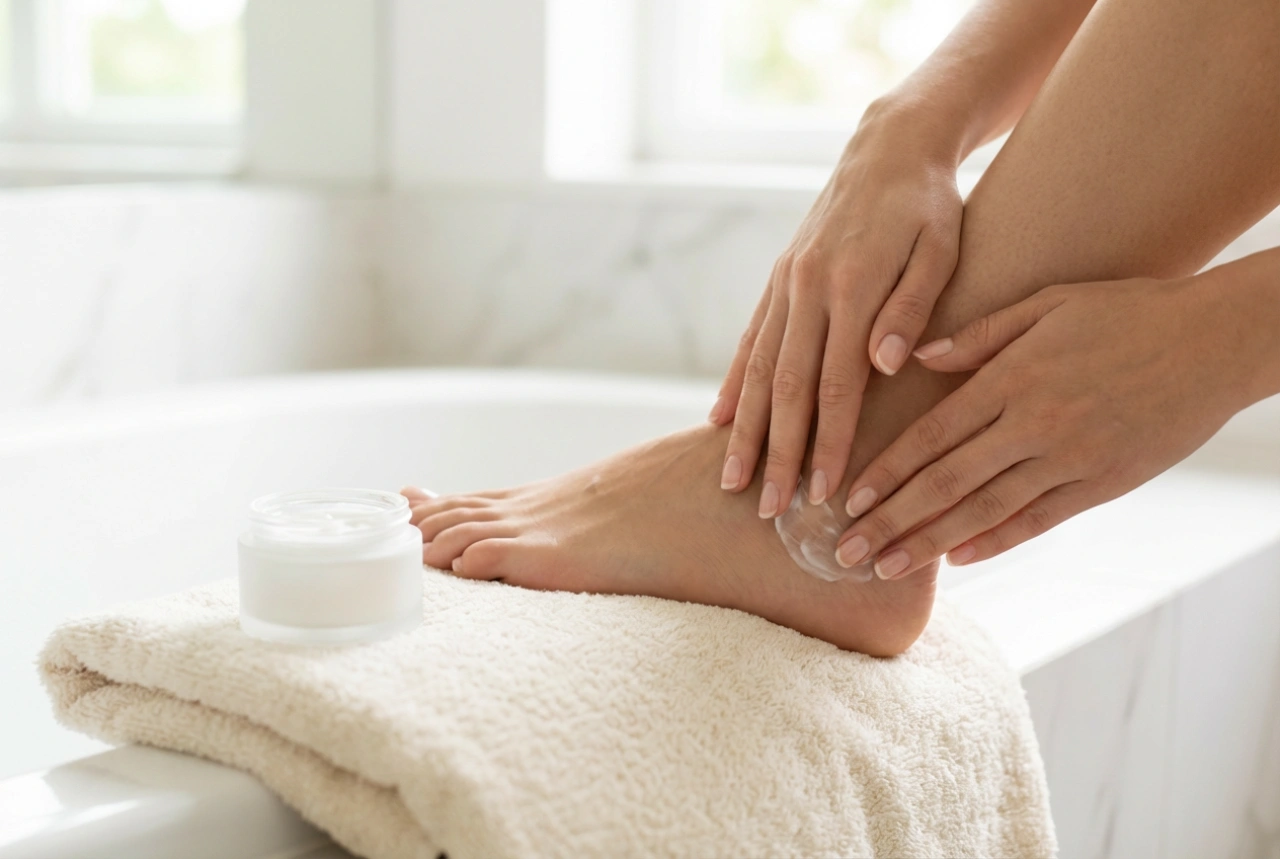
Apply a rich, nourishing foot cream right after drying your feet. Look for creams containing hydrating ingredients like glycerin, shea butter, or natural plant oils. For an intensive overnight treatment, apply a thick layer of cream and slip on a pair of breathable cotton socks. This locks in the moisture, allowing the active ingredients to penetrate deeply while you rest.
How Often Should You Exfoliate?
For most skin types, exfoliating once or twice a week is ideal to maintain soft, supple feet. If your skin is naturally very dry or prone to quick buildup, twice a week is highly beneficial, provided you follow up with an intensive moisturiser. During colder months, you may reduce the frequency but should never neglect the vital step of daily hydration to prevent rough skin from returning.