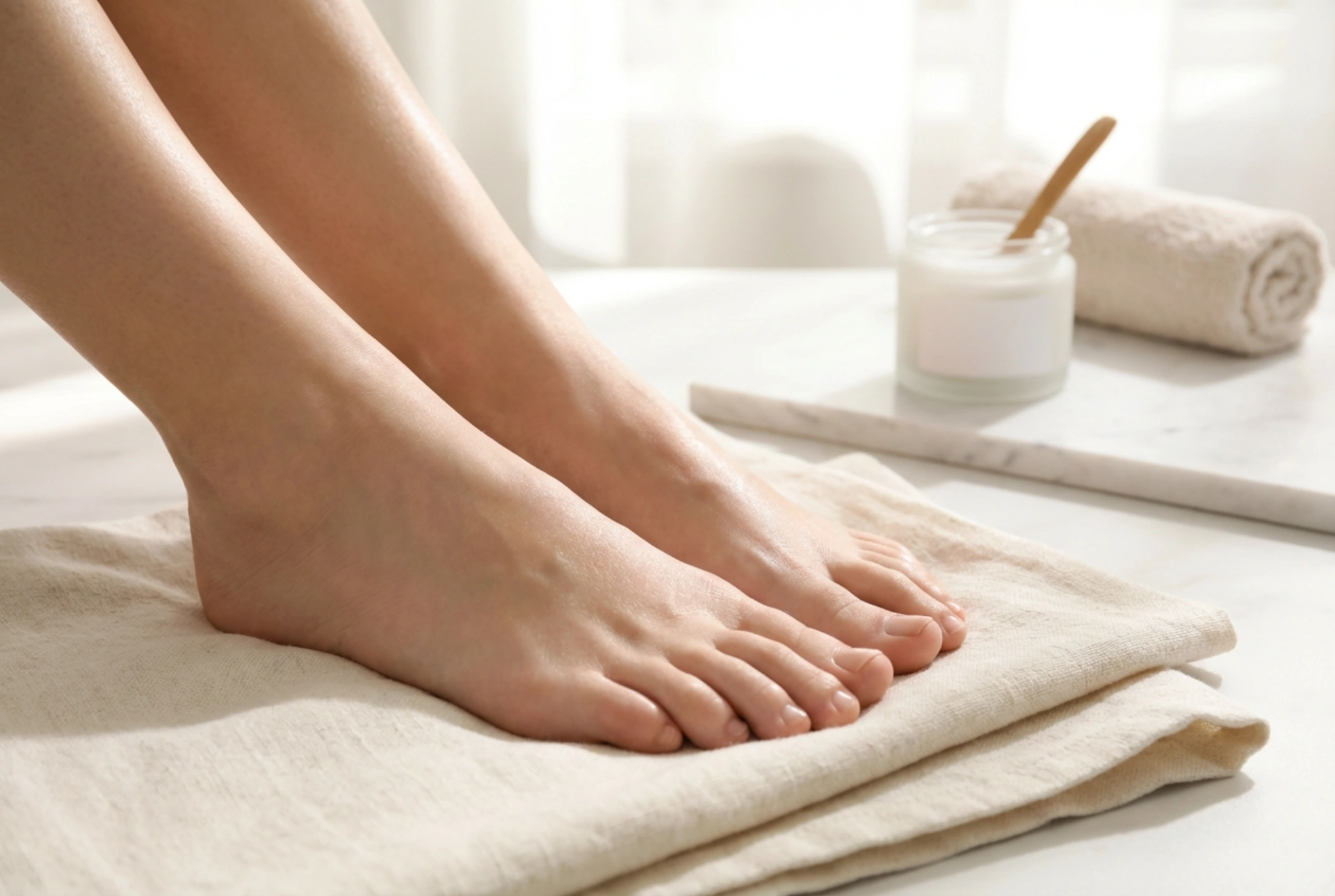


There is nothing quite like the feeling of sinking into a comfortable sofa after a long day, letting your tired feet rest on a soft, neutral fabric while indulging in a moment of pure relaxation. Our feet carry us through life, yet they are often the most neglected part of our skincare routine. Standard body lotions sometimes fall short when dealing with the thicker skin on our soles. This is where a dedicated foot mask comes into play, offering an easy, effective, and deeply satisfying way to restore softness, intense hydration, and a healthy appearance to your skin in the comfort of your own home.
Why Do Our Feet Require Dedicated Care?
The skin on our feet is anatomically different from the skin on the rest of our body. It is significantly thicker, especially on the heels and the balls of the feet, to withstand constant pressure and friction. Furthermore, the soles of our feet completely lack sebaceous glands, which are responsible for producing sebum to keep the skin naturally moisturised. They only contain sweat glands, making them highly prone to dryness, dehydration, and eventual cracking if not properly cared for.
Without regular moisture, the skin on the feet accumulates dead cells, leading to a rough, uneven texture. A foot mask is specifically formulated to penetrate these thicker layers of skin, delivering concentrated active ingredients that a regular body lotion simply cannot provide. Incorporating this simple step into your weekly routine can prevent discomfort and keep your skin beautifully smooth.
Types of Foot Masks: Exfoliating vs Nourishing
When choosing a foot mask, it is essential to understand the two main categories available on the cosmetic market: exfoliating masks and nourishing/hydrating masks. Each serves a distinct purpose in your foot care journey.
- Exfoliating Foot Masks: These are typically socks infused with mild fruit acids or alpha-hydroxy acids (AHAs). They work by gently loosening the bonds between dead skin cells over several days, causing the rough layers to peel away naturally. These are best used occasionally to deeply renew the skin surface.
- Nourishing and Moisturising Foot Masks: These masks focus on restoring moisture, soothing dry patches, and repairing the skin barrier. They can come in the form of pre-soaked socks or rich, thick creams applied in a generous layer. They provide immediate relief, making them ideal for weekly maintenance.
Step-by-Step Guide: How to Apply a Foot Mask at Home
Transforming your living room into a serene home spa does not require expensive equipment or professional help. Applying a foot mask is incredibly straightforward. Follow these simple steps to maximise the benefits of your treatment:
1. Prepare Your Skin
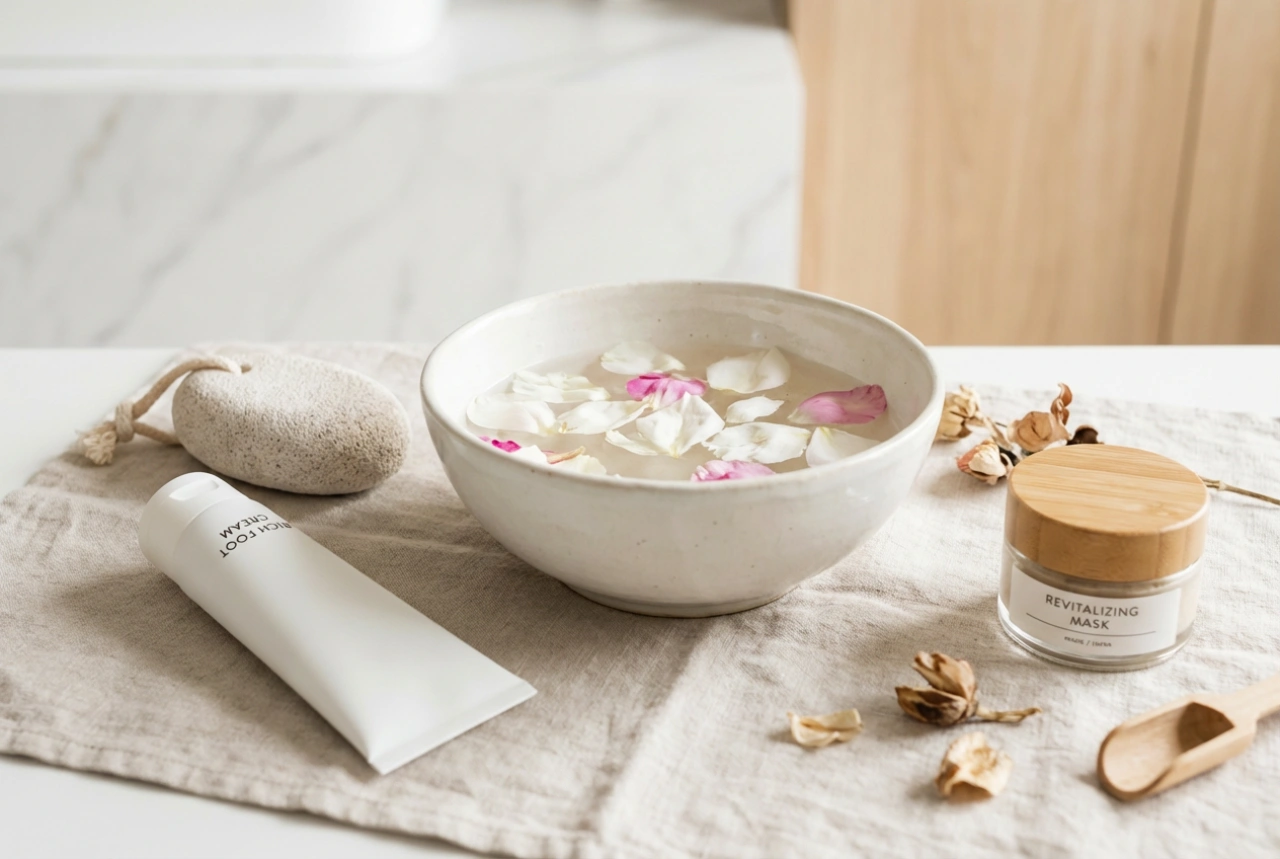
Before applying any mask, your feet must be thoroughly cleaned. Wash them with warm water and a gentle soap. For even better results, soak your feet in warm water for ten to fifteen minutes. This softens the keratinised skin, making it much more receptive to the active ingredients in the mask.
2. Gently Exfoliate
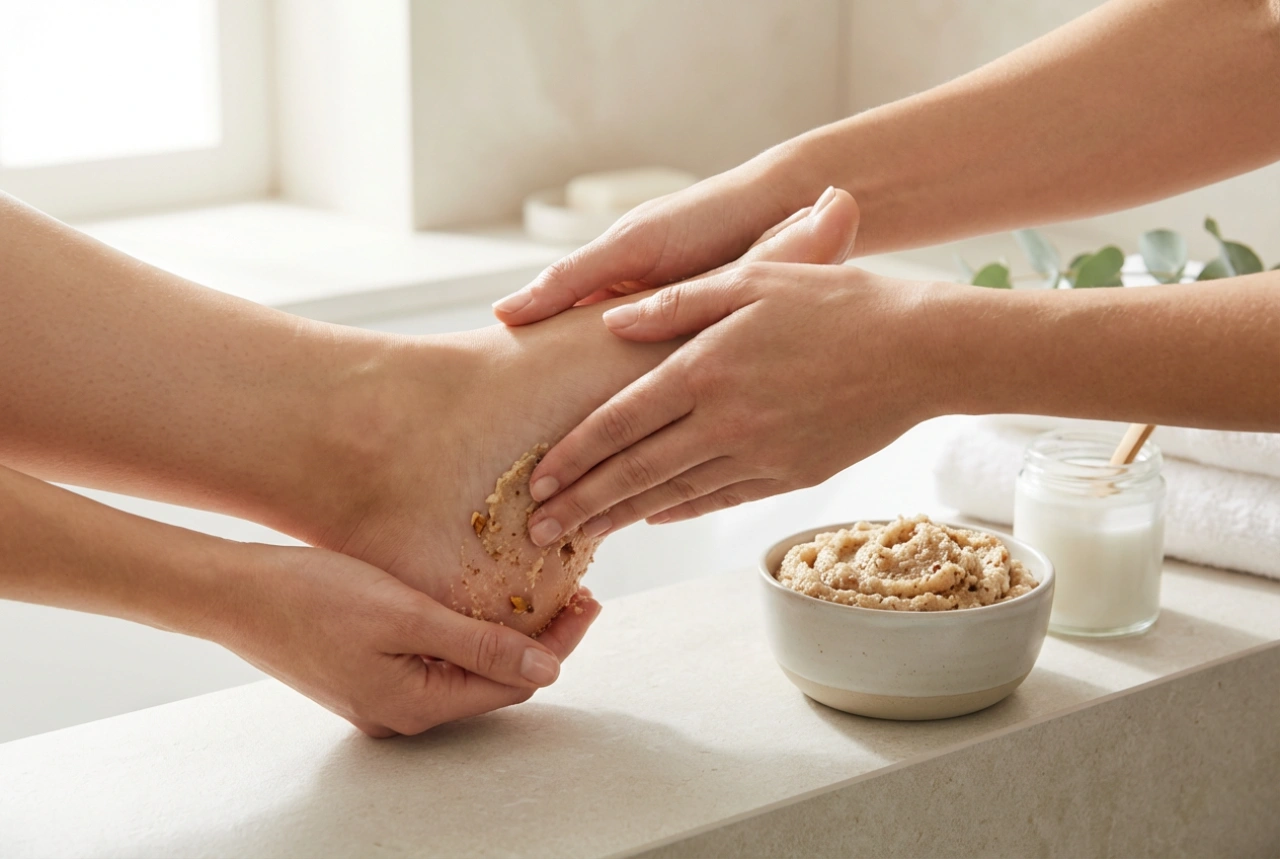
If you are using a nourishing mask, a gentle scrub beforehand can help remove loose, dead skin cells, allowing the treatment to penetrate deeper. Gently massage a natural body or foot scrub onto damp skin, then rinse and pat dry completely with a clean towel.
3. Apply the Mask
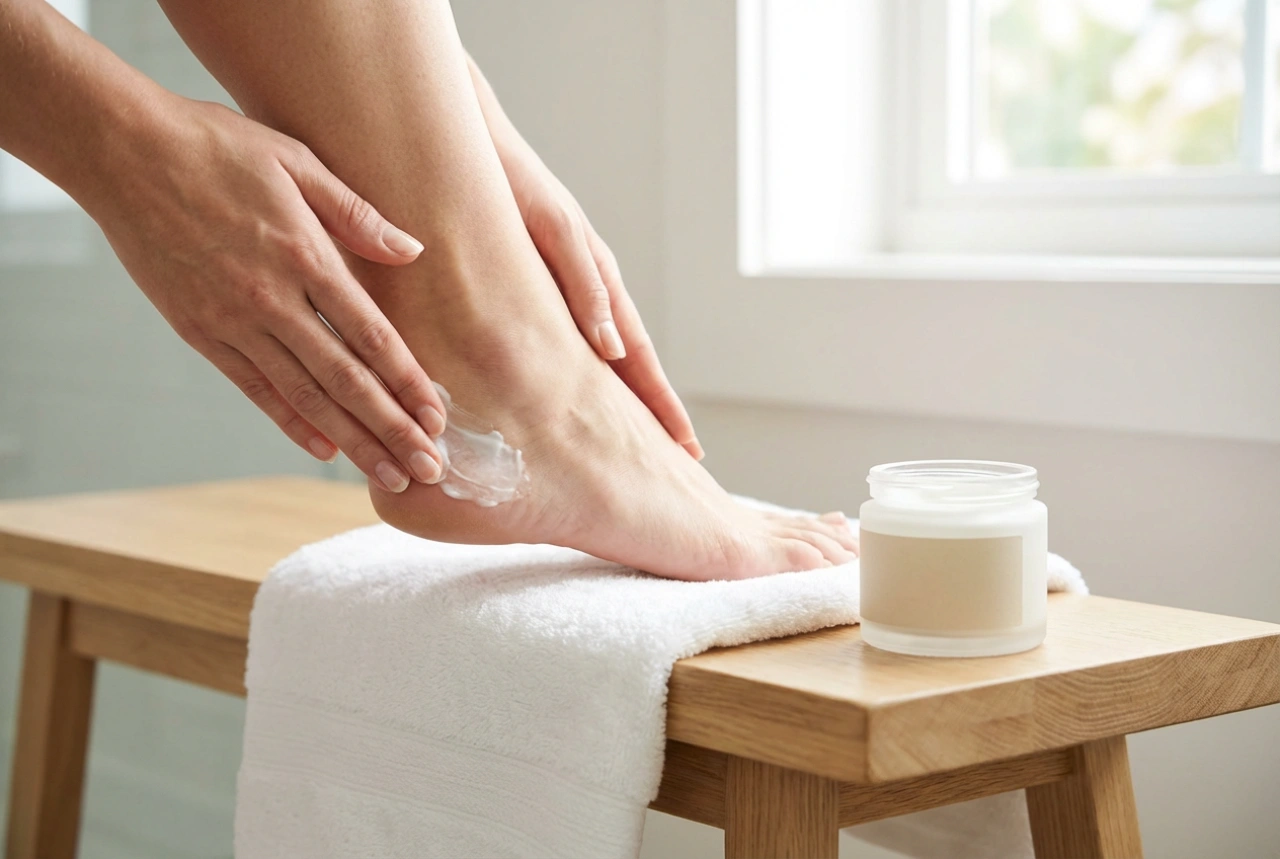
If you are using sock-type masks, carefully open the packet and slip your clean, dry feet inside. Most products come with adhesive tabs to secure the socks around your ankles, allowing you to relax without worrying about leaks. If you are using a cream mask, apply a generous layer over your entire foot, paying special attention to the heels, and slip on a pair of clean, cotton socks to lock in the moisture.
4. Relax and Let It Work
Leave the mask on for the duration recommended on the packaging, usually between fifteen and thirty minutes. This is the perfect time to sit back, read a book, or listen to calming music. Once the time is up, remove the socks. Gently massage any remaining product into your skin and ankles rather than washing it off, allowing your skin to absorb every drop of nourishment.
Key Ingredients to Look For
To achieve the best results, it is helpful to understand which ingredients deliver the most effective hydration and smoothing benefits. Look for these safe and universal components when choosing your next foot mask:
- Urea: A natural moisturising factor that, in lower concentrations, deeply hydrates and binds water in the skin, while in slightly higher concentrations, gently softens rough areas.
- Glycerin: A classic humectant that draws moisture into the skin, preventing further dehydration.
- Shea Butter: Rich in fatty acids and vitamins, shea butter deeply nourishes, smooths, and strengthens the skin's protective barrier.
- Plant Oils: Ingredients like sweet almond oil, jojoba oil, or avocado oil offer excellent emollient properties, leaving the skin feeling incredibly soft and supple.
- Panthenol and Allantoin: Known for their soothing properties, these ingredients help calm any irritation and promote skin regeneration.
Maintaining Soft Feet All Year Round
Consistency is key to maintaining beautiful, smooth feet. While a single application of a foot mask will provide immediate relief and a noticeable softening effect, incorporating this ritual into your weekly routine will yield long-term benefits. Pair your weekly mask with daily moisturising and dry brushing or gentle scrubbing to prevent the build-up of rough skin. By spending just thirty minutes a week on this simple self-care ritual, you can enjoy healthy, soft, and well-hydrated feet in any season.