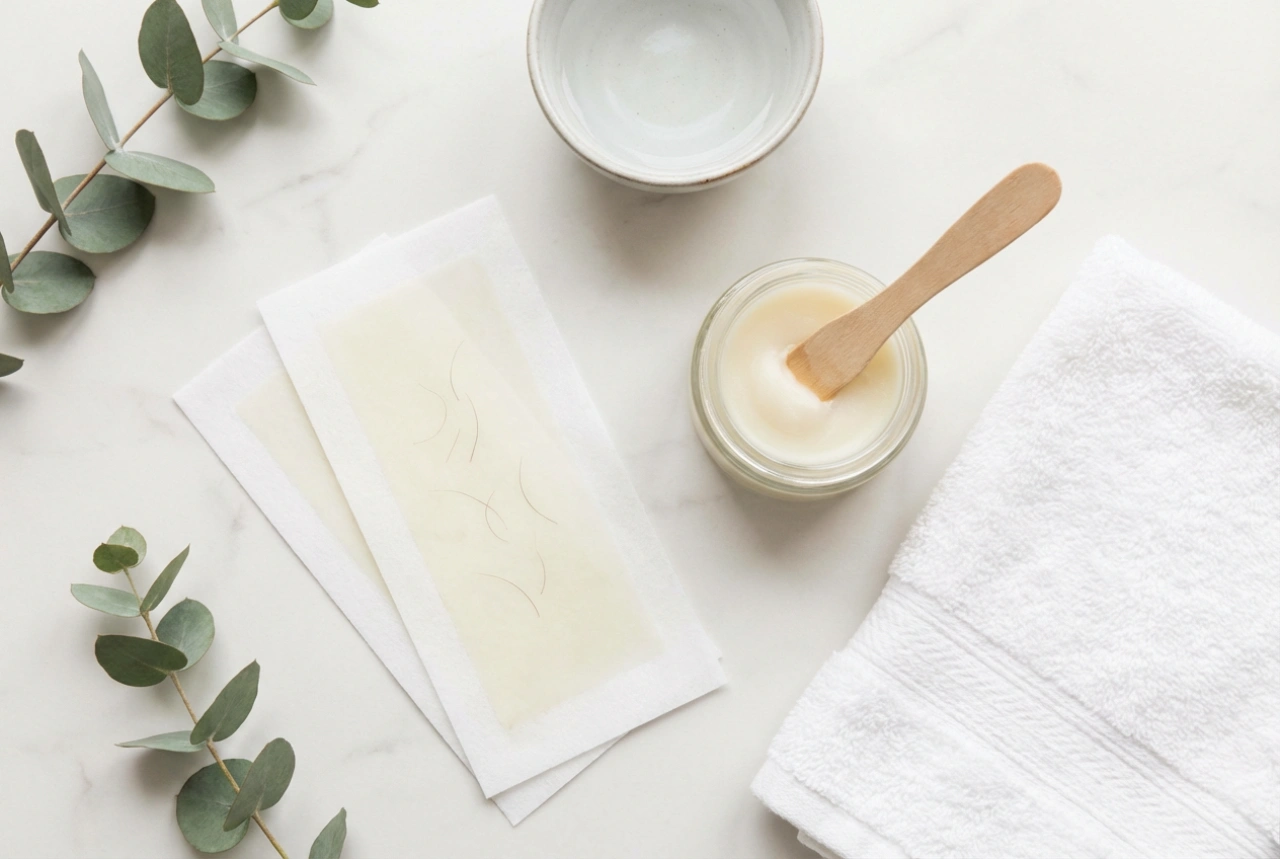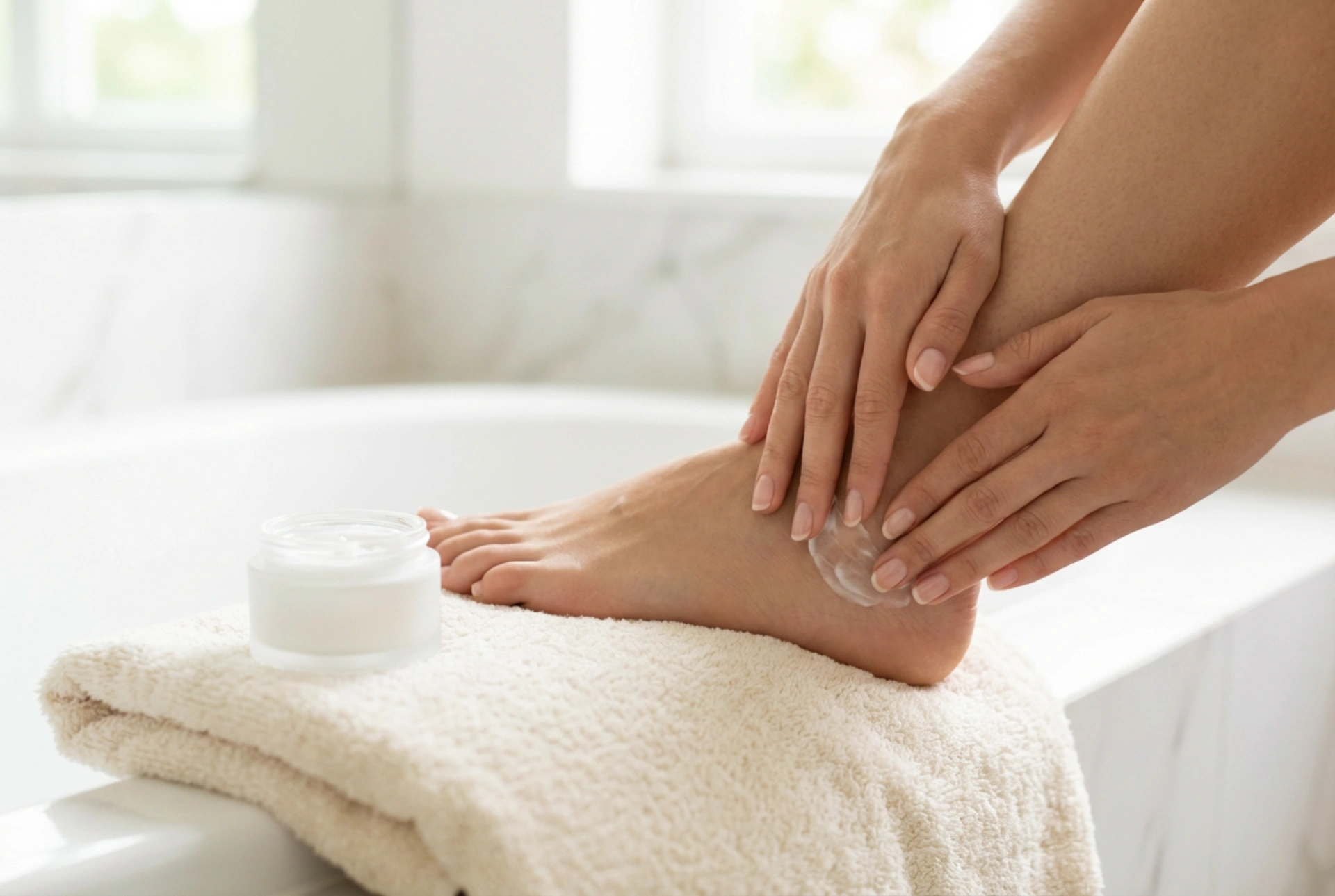


Our feet carry us throughout the day, enduring constant pressure, friction, and environmental changes. This often leads to the build-up of rough, calloused skin, especially around the heels and soles. Creating a dedicated at-home care routine, akin to a relaxing self-care ritual with soft towels and nourishing creams, is the perfect way to restore softness and comfort to your feet. With a few simple steps involving gentle scrubs, deeply conditioning masks, and rich moisturisers, you can easily achieve smooth, healthy-looking skin from the comfort of your home.
Understanding the Causes of Rough Foot Skin
The skin on our feet is naturally thicker and has fewer sebaceous glands than the skin on other parts of the body. This makes it particularly prone to dryness and dehydration. Regular friction from footwear, walking barefoot, and a lack of consistent moisture can cause dead skin cells to accumulate rapidly, forming a hard, protective layer. When left unmanaged, this rough skin can become dry, leading to discomfort. Addressing this requires a systematic approach focused on softening, exfoliating, and deeply hydrating the skin.
Step 1: Softening and Gentle Exfoliation
The first step in any effective foot care routine is to prepare the skin. Attempting to scrub dry, hard skin can cause irritation, so softening it first is essential.
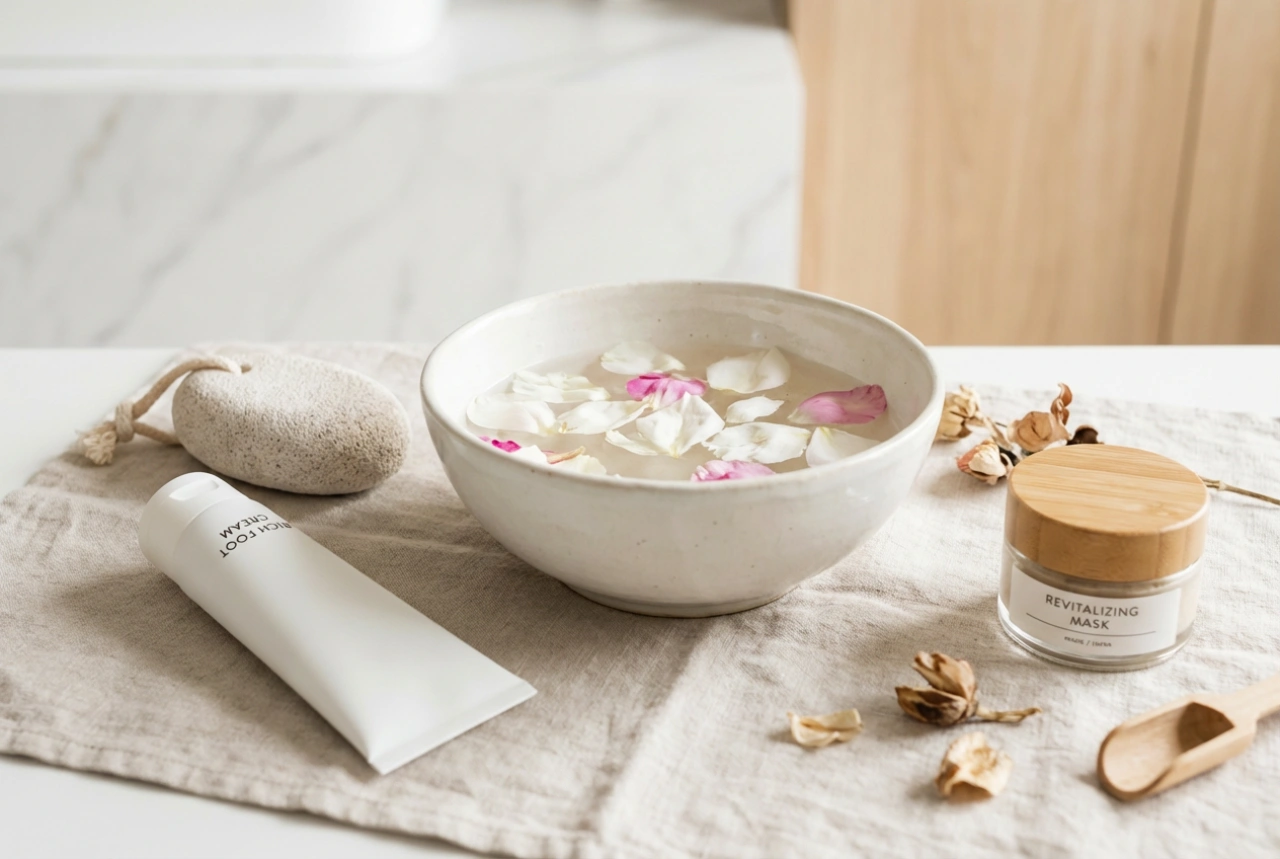
- Warm Foot Bath: Begin by soaking your feet in warm water for 10 to 15 minutes. You can add natural ingredients such as sea salt, Epsom salts, or a few drops of essential oils like lavender or eucalyptus to enhance relaxation.
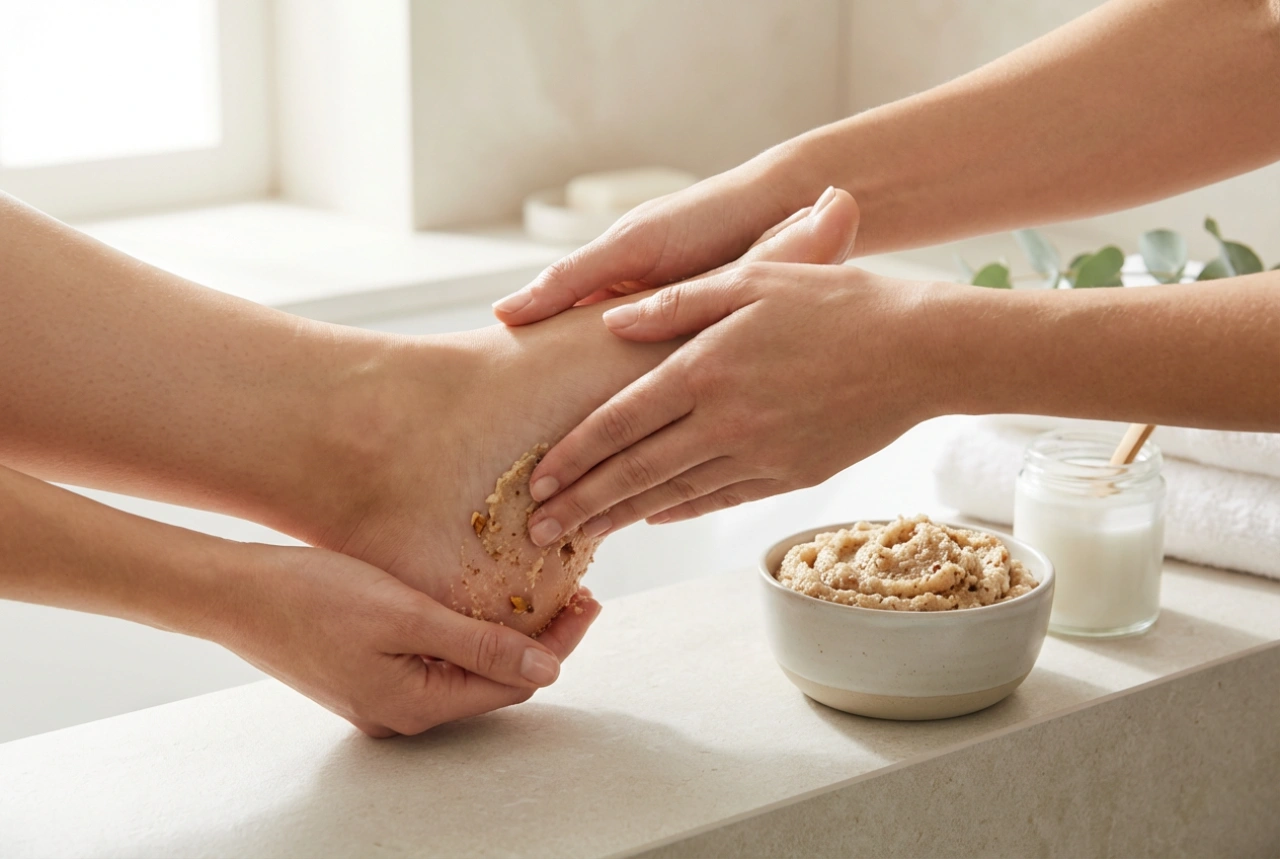
- Gentle Scrubs: Once the skin is softened, apply a mechanical foot scrub. Gently massage it in circular motions, focusing on the heels and the balls of your feet. Look for scrubs containing natural exfoliants like sugar, ground apricot seeds, or sea salt.
- Using a Foot File: For areas with thicker build-up, use a fine foot file or a gentle pumice stone on damp skin. Avoid aggressive scrubbing, as removing too much skin can trigger a protective reaction, causing the skin to grow back even thicker.
Step 2: Deep Conditioning with Foot Masks
After exfoliating, the skin is primed to absorb active nourishing ingredients. Foot masks provide an intensive treatment that penetrates deep into the outer layers of the skin, offering prolonged hydration.
You can use rich cream-based masks or reusable silicone socks to lock in moisture. Apply a generous layer of a nourishing mask containing ingredients like shea butter, avocado oil, or glycerin. Wrap your feet in a warm towel or wear cotton socks and leave the mask on for 20 to 30 minutes, or even overnight, to allow the ingredients to work effectively. This intensive step helps repair the skin barrier and restores elasticity to dry heels.
Step 3: Daily Hydration and Maintenance
Consistency is key to keeping your feet soft and preventing the return of rough skin. Daily moisturisation should become a non-negotiable part of your evening routine.
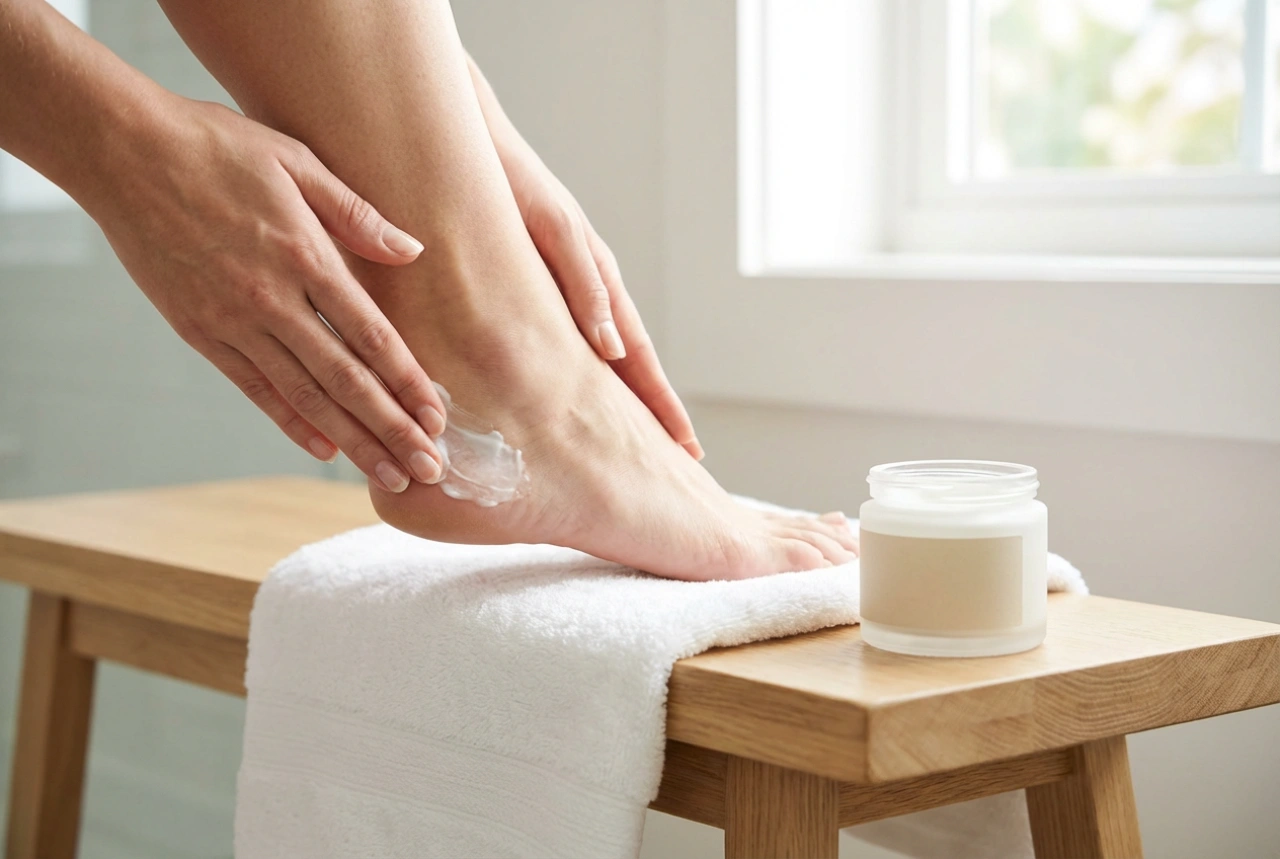
When choosing a foot cream, look for rich formulations designed specifically for the thicker skin of the feet. Ingredients such as urea, lactic acid, and allantoin are highly beneficial as they help to both chemically soften the skin and bind moisture. Massaging a generous amount of cream into your feet before bed, focusing on dry areas, and putting on clean cotton socks will ensure you wake up with soft, hydrated skin.
Simple Tips for Long-Term Foot Comfort
Maintaining smooth skin on your feet does not require hours of daily work. By incorporating small habits into your lifestyle, you can prevent rough build-up effortlessly:
- Always dry your feet thoroughly after bathing, especially between the toes, to prevent excess moisture retention.
- Avoid wearing tight or ill-fitting shoes that cause constant friction against the heels and toes.
- Apply a light moisturiser daily, even on days when you do not perform a full foot care ritual.
- Stay hydrated throughout the day, as overall body hydration directly affects the moisture levels of your skin.