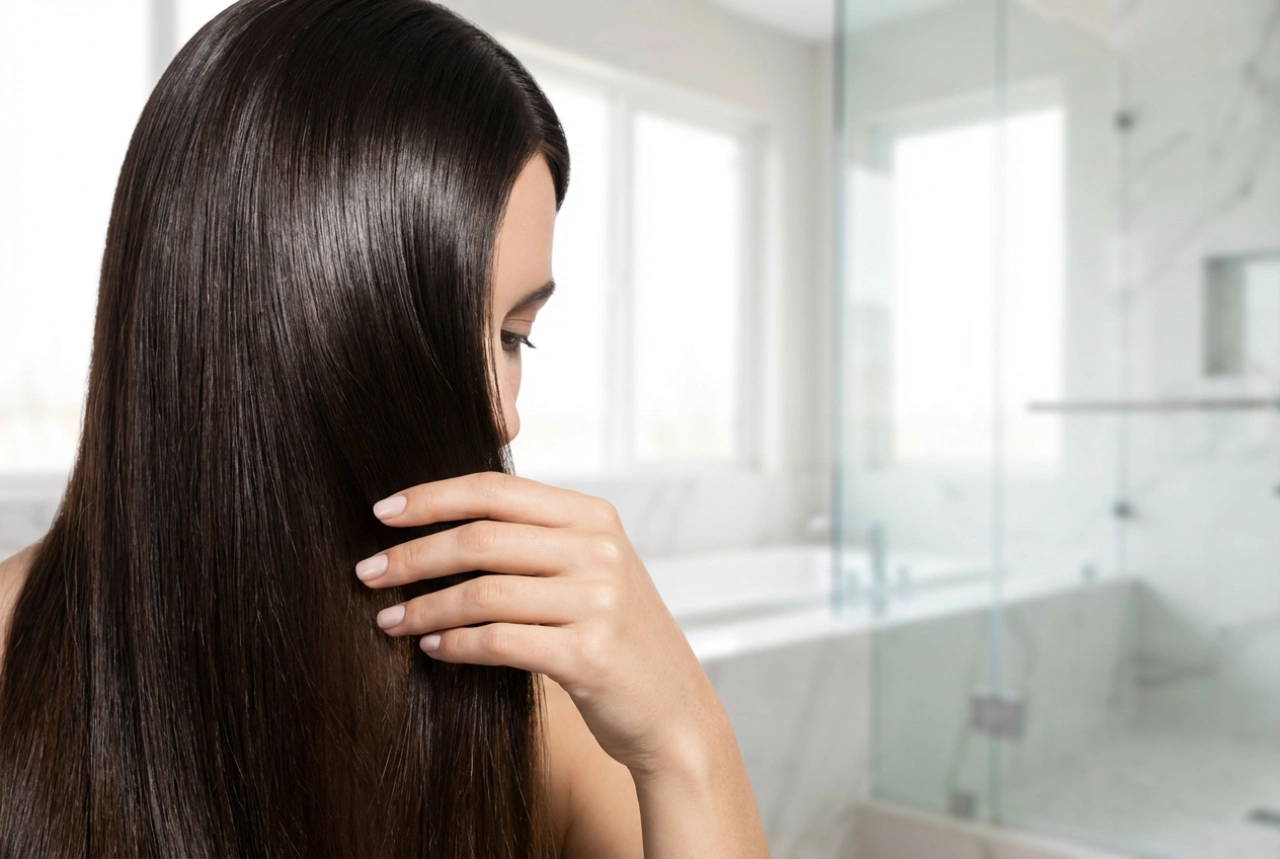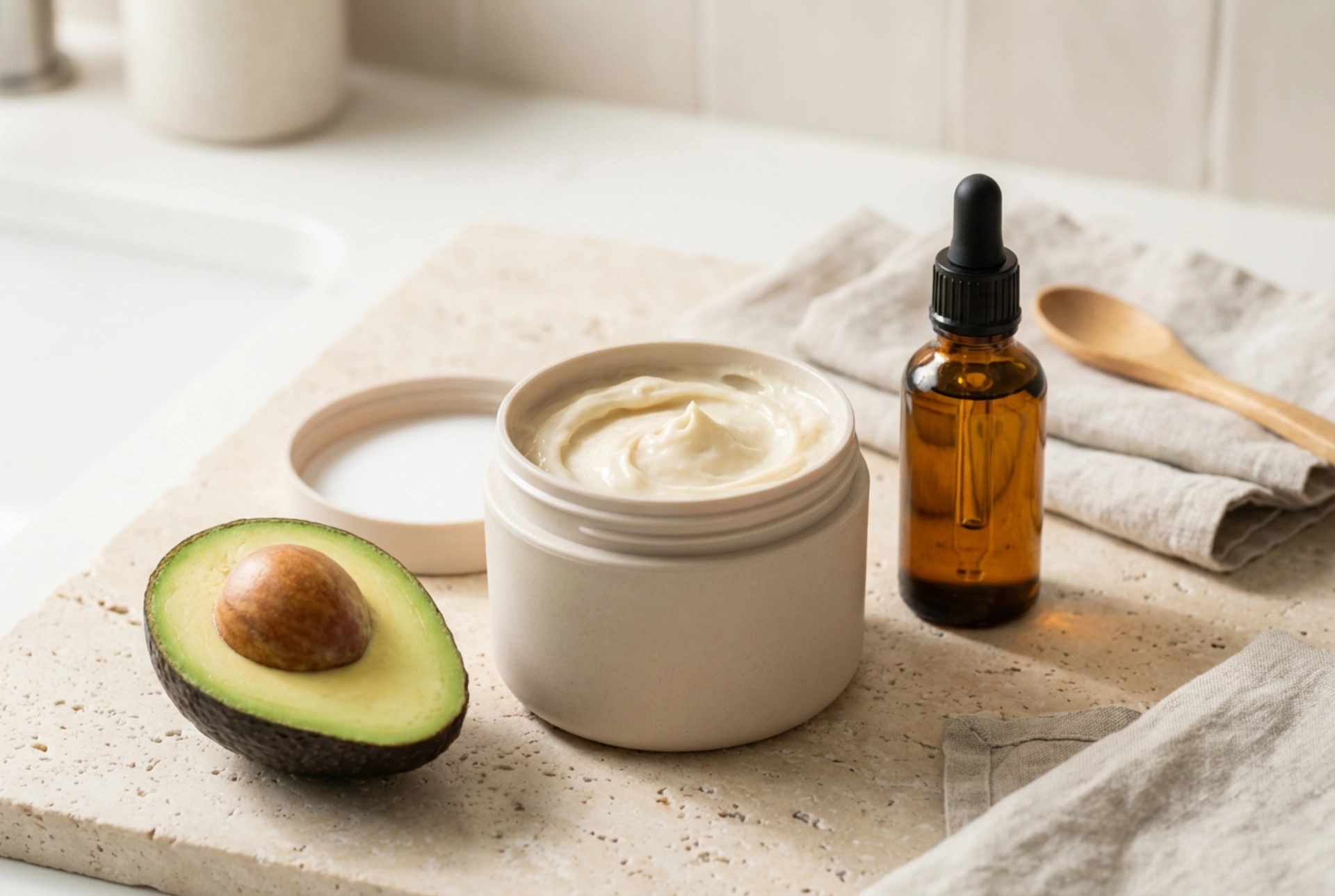


Dry hair often lacks the natural protective lipids that keep it soft and shiny, leaving the hair shaft vulnerable to environmental factors, friction, and styling damage. To restore its natural brilliance, elasticity, and softness, a high-quality nourishing hair mask is a fundamental step in any beauty routine. Incorporating rich, gentle ingredients, such as natural avocado extracts and botanical oils, can deeply replenish dry locks and provide long-lasting hydration. Understanding what ingredients to look for and how to apply these rich creams correctly can completely transform the health of your hair, turning a simple care routine into a comforting, rejuvenating experience.
Essential Ingredients to Look For in a Hair Mask
When selecting a treatment designed specifically for dry hair, the ingredient list is your most reliable guide. The goal is to look for a balanced blend of rich emollients that seal in moisture, and humectants that draw hydration deep into the hair structure.
Natural Plant Oils and Butters
Natural lipids are highly effective at replenishing lost moisture in the hair cuticles. Avocado oil is widely celebrated for its ability to penetrate the hair shaft rather than simply coating the surface, providing deep-down conditioning and strengthening benefits. Shea butter and argan oil are also exceptional choices, offering intense nourishment that smooths the outer layer of the hair, dramatically reducing friction, frizz, and the likelihood of split ends.
Humectants and Restructuring Proteins
To truly hydrate dry hair, ingredients that bind water are essential. Humectants such as aloe vera juice, glycerin, and panthenol act like moisture magnets, pulling hydration from the environment and locking it into the hair fibres. Additionally, plant-derived proteins, such as hydrolysed wheat or soy proteins, temporarily fill in micro-damaged areas along the hair shaft, improving overall elasticity and preventing breakage.
A Step-by-Step Guide to Correct Application
Applying a hair mask may seem straightforward, but fine-tuning your technique can significantly boost the absorption of active ingredients and lead to much better results.
Preparation and Even Distribution
Always begin by washing your hair with a gentle shampoo to remove dirt, sebum, and styling residue. Clean hair is far more receptive to the conditioning agents in a mask. After rinsing, gently press excess water out of your hair with a soft microfibre towel. Avoid rubbing, as wet hair is delicate and prone to breakage. Applying a mask to soaking wet hair is a common mistake; excess water dilutes the product, preventing it from adhering to the hair fibres properly.
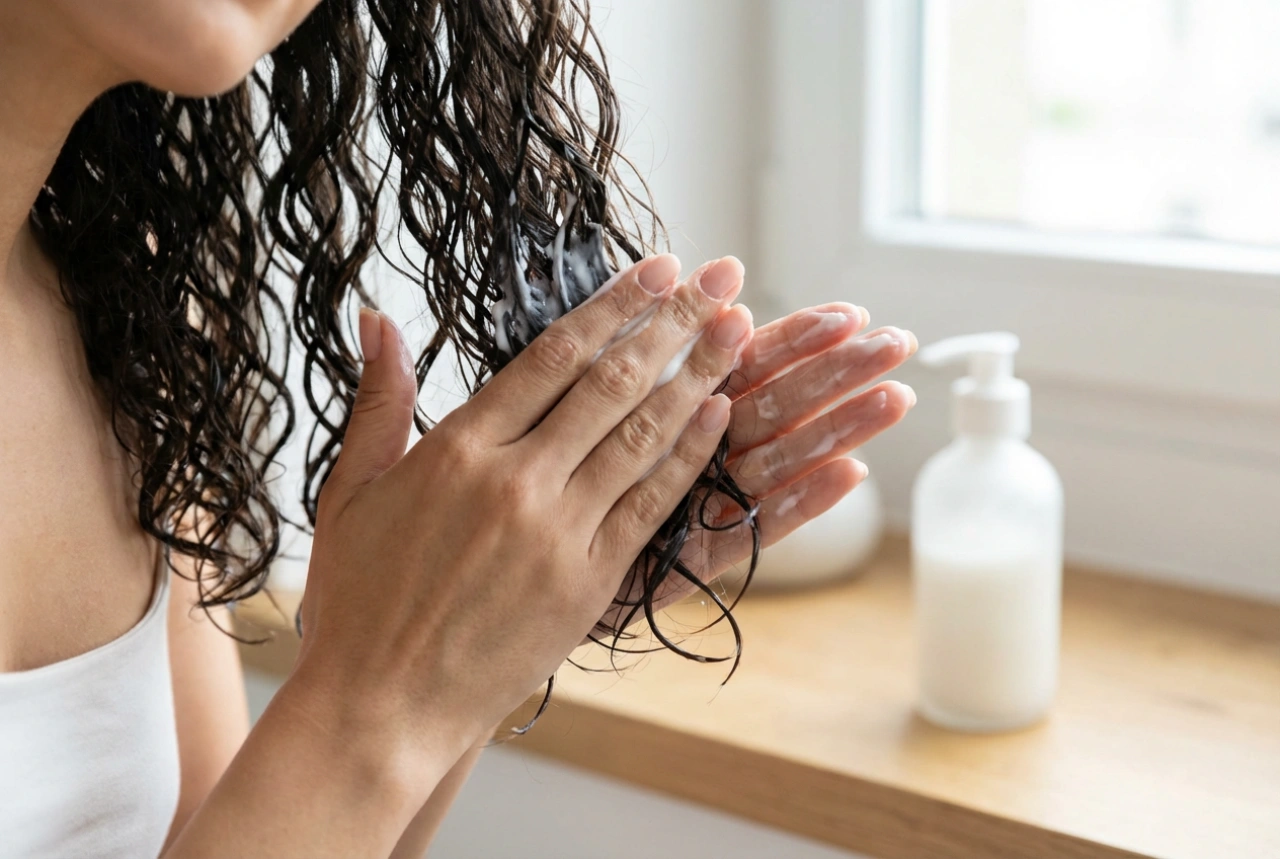
Take a generous amount of the cream and distribute it evenly through the mid-lengths and ends of your hair. Focus on the oldest, driest sections, which are typically the bottom few inches. To prevent your roots from looking flat or greasy, avoid applying the product directly to your scalp. Use a wide-tooth comb to gently detangle and ensure that every single strand is evenly coated.
Processing Time and Thorough Rinsing
Most hydrating masks require between five and twenty minutes to deliver their full benefits. Always follow the guidelines on the packaging, as leaving a product on for hours does not necessarily yield better results and can sometimes weigh the hair down. When the time is up, rinse your hair thoroughly with lukewarm water. A final rinse with cooler water can help to smooth down the cuticles, capturing the moisture inside and adding a natural, healthy shine.
How Often Should You Use a Hair Mask?
The ideal frequency for using a hair mask depends on your hair texture, thickness, and level of dryness.
- Slightly dry or fine hair: Once a week is generally sufficient to maintain moisture without making the hair feel limp or heavy.
- Very dry, coarse, or curly hair: You may benefit from using a rich mask two to three times a week. Curly hair types naturally struggle to distribute natural scalp oils to the ends, making frequent deep conditioning essential.
Monitor how your hair behaves over time. If your hair starts to feel excessively soft, limp, or loses its natural bounce, you may be over-conditioning. If it still feels rough and straw-like, you may need to leave the mask on for a few extra minutes or introduce a protective leave-in spray after rinsing.
Simple Ways to Customise and Enhance Your Treatment
To recreate a luxurious spa experience at home and maximise the efficiency of your hair mask, you can introduce gentle warmth. After applying the cream, wrap your hair in a warm, damp towel or place a shower cap over it. The mild warmth helps to gently lift the hair cuticles, allowing the nourishing oils and humectants to penetrate even deeper. This simple, relaxing step ensures that dry, parched hair receives the deepest possible nourishment, leaving it exceptionally smooth, shiny, and easy to style.