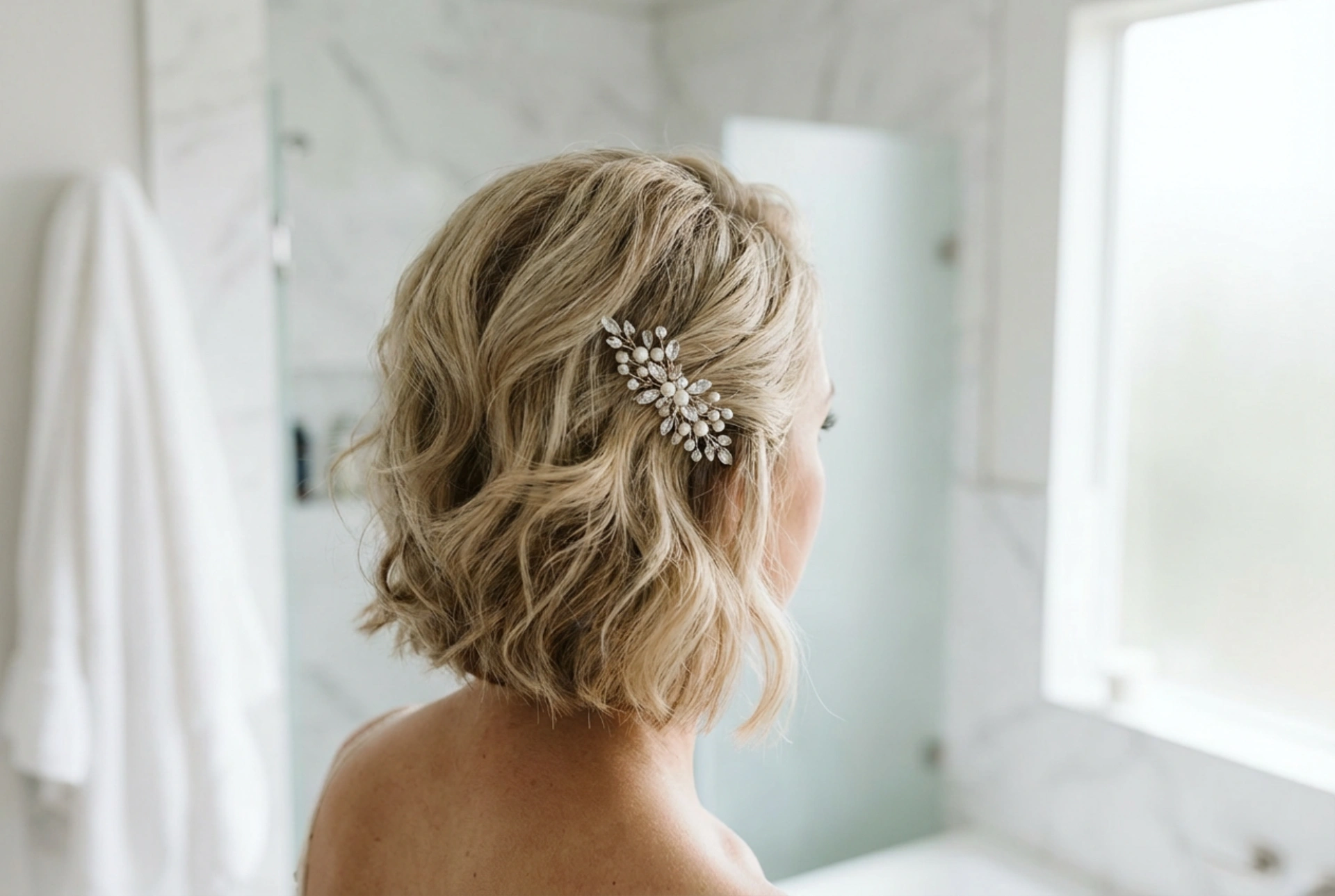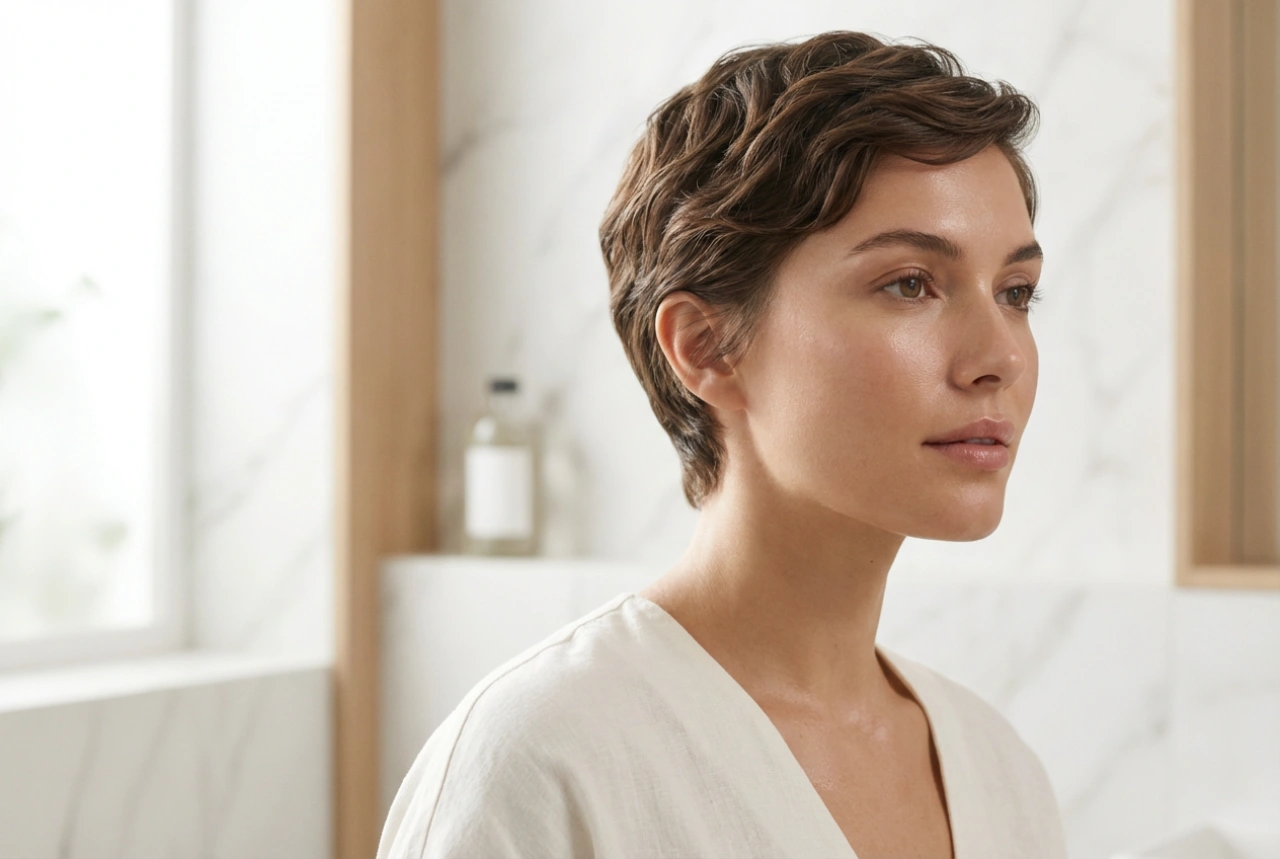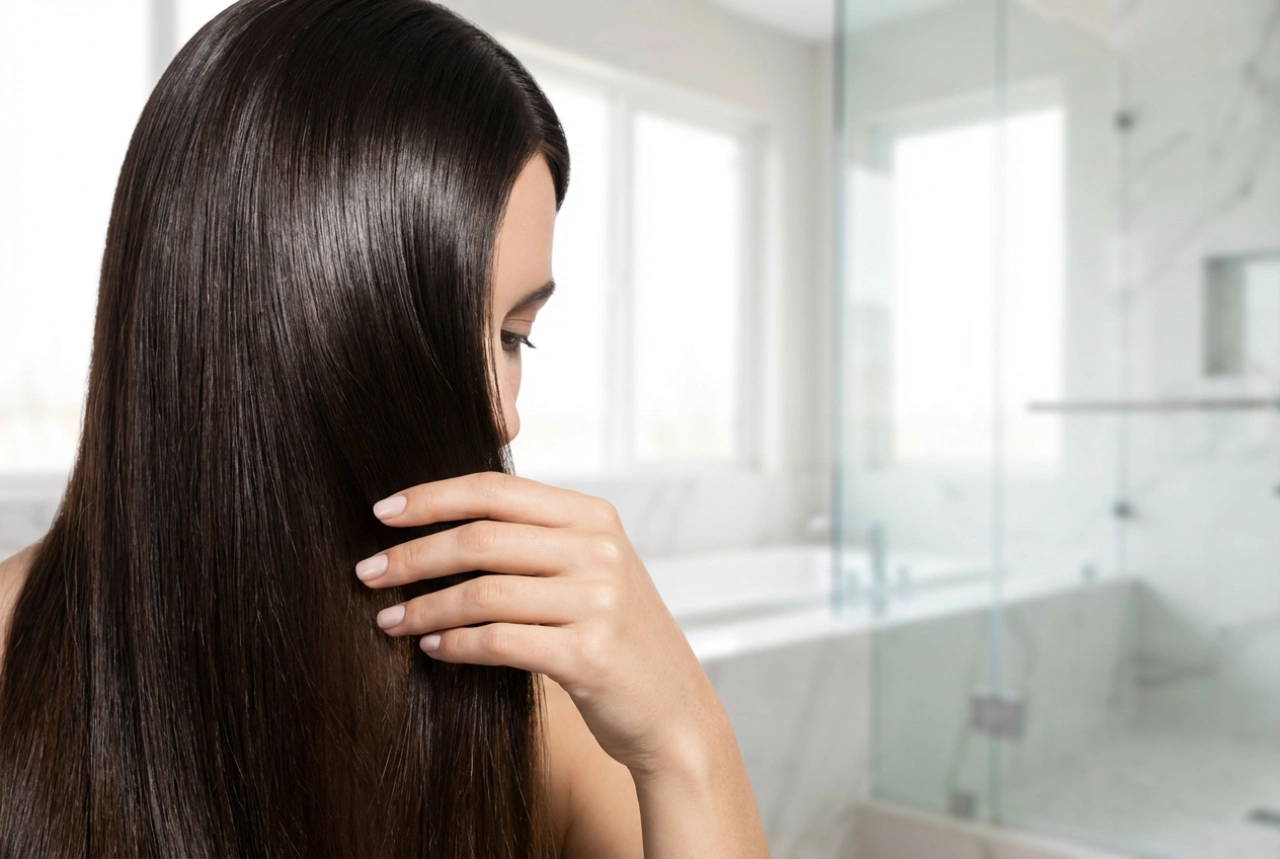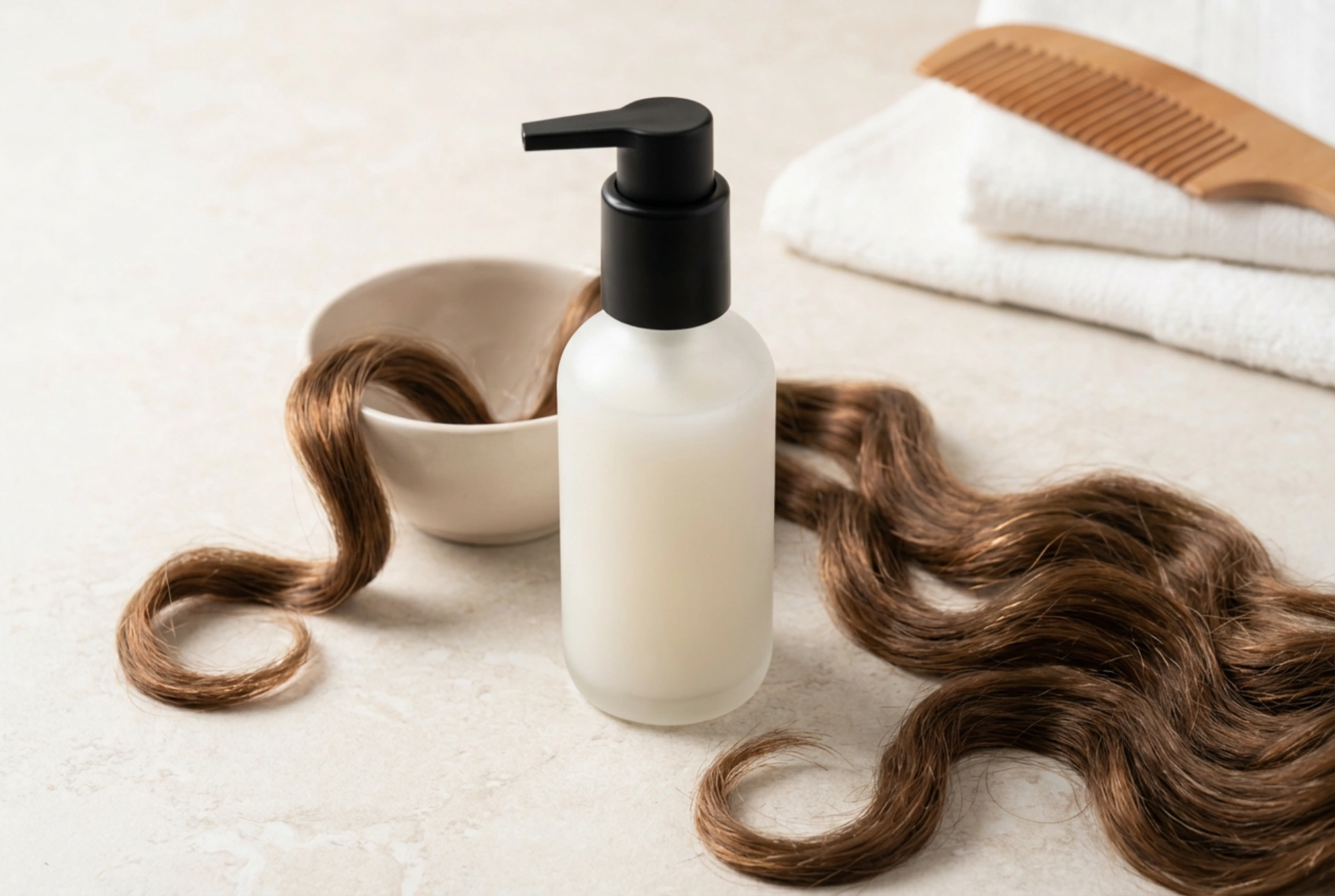


Achieving smooth, lustrous, and healthy-looking hair often feels like a balancing act. When looking at a minimalist routine of modern hair care, one product consistently stands out for its versatility: the leave-in emollient conditioner. Unlike traditional rinse-out formulas, a leave-in treatment remains on the hair shaft, providing continuous protection and hydration throughout the day. It acts as a protective shield, locking in moisture and leaving the hair remarkably soft to the touch, mimicking the natural brilliance of strands bathed in soft daylight.
Understanding Emollients in Hair Care
To understand why leave-in emollient conditioners are so effective, it is essential to look at how they work. Emollients are cosmetic substances that form a protective, microscopic layer on the surface of the hair. This layer serves two primary purposes: it prevents moisture from evaporating from within the hair shaft and it smooths down the cuticle scales. Common cosmetic emollients include natural plant oils, light vegetable butters, fatty alcohols, and protective agents. When formulated into a leave-in product, these ingredients work continuously, shielding the hair from external elements such as wind, dry indoor air, and mechanical friction from clothing or brushing.
When is an Emollient Leave-In Conditioner Necessary?
While every hair type can benefit from emollients, certain conditions and hair structures require them more than others. Recognising when your hair is seeking emollients can transform your daily beauty routine. Here are the primary scenarios where a leave-in emollient conditioner is highly recommended:
- High Porosity and Frizzy Hair: Hair with raised cuticles tends to lose moisture rapidly and reacts strongly to humidity, leading to unwanted frizz. Emollients seal these lifted scales, creating a sleek, uniform surface.
- Dry and Dull Locks: If your hair lacks shine and feels rough to the touch, it is a clear sign that its natural protective barrier is depleted. Emollients restore this outer layer, bringing back natural lustre.
- Protection Against Environmental Factors: During winter, dry heating indoors and cold temperatures outside strip moisture from the hair. In summer, intense sunlight can dry out the strands. A leave-in barrier acts as an invisible shield against these elements.
- Preventing Mechanical Damage: Fine hair that tangles easily is highly prone to breakage during daily styling. The lubricating properties of a leave-in conditioner allow brushes and combs to glide through effortlessly.
Step-by-Step Guide: How to Apply a Leave-In Conditioner
The key to reaping the benefits of a leave-in emollient conditioner without weighing the hair down lies in the application technique. Because these products are designed to stay on the hair, a small amount goes a long way. Follow these simple steps for optimal results:
1. Start with Damp, Clean Hair
Always apply the product to freshly washed, towel-dried hair. The hair should be damp but not dripping wet. Excess water will dilute the conditioner and cause it to run off, while applying it to completely dry hair can lead to an uneven, heavy distribution.
2. Emulsify the Product in Your Palms
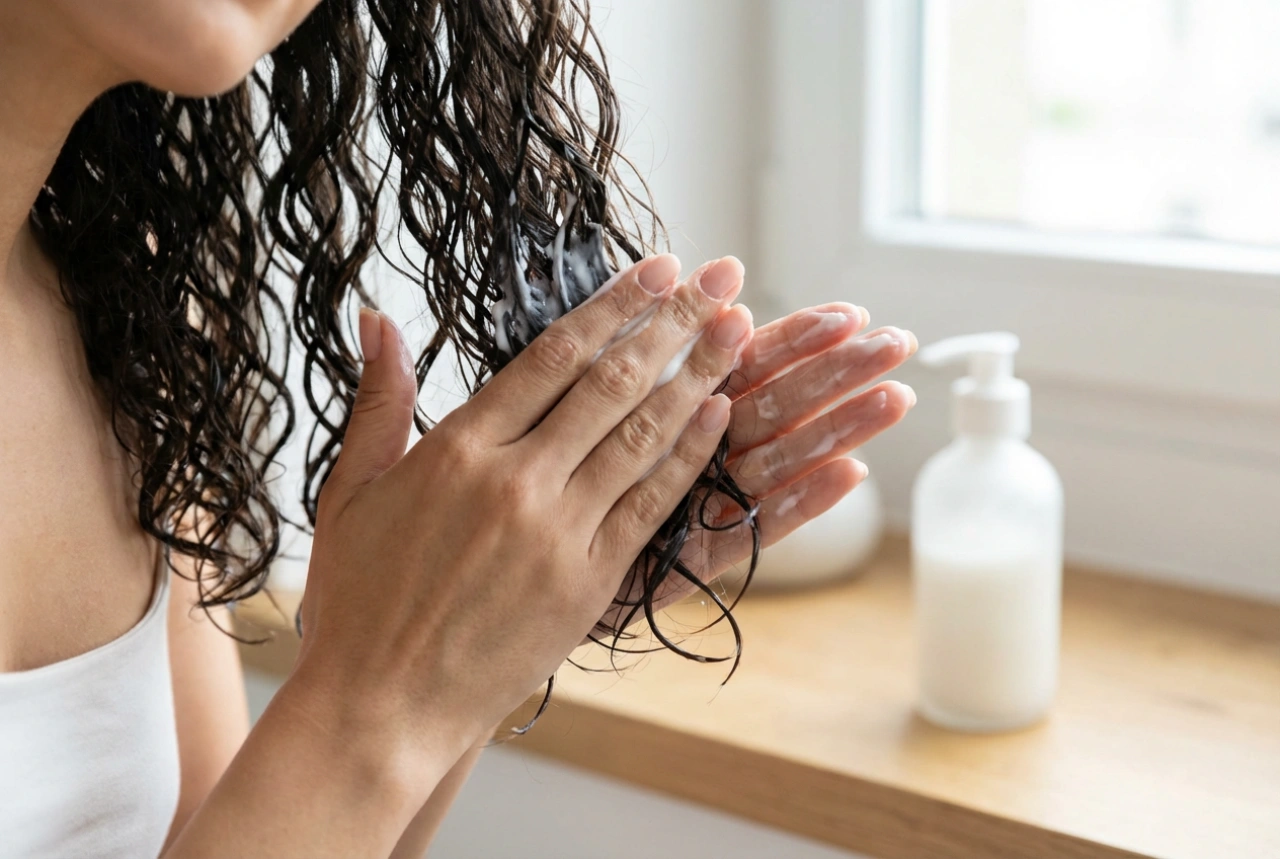
Dispense a small, pea-sized amount of the conditioner into your palms. Rub your hands together to warm up the product and distribute it evenly across your fingers. This ensures that you do not apply too much concentrated product to a single section of hair.
3. Focus on the Lengths and Ends
Gently work the product through the mid-lengths to the very tips of your hair. These areas are the oldest and most exposed to daily wear and tear, making them the most in need of protection. Avoid the scalp area completely, as applying emollients too close to the roots can make the hair look flat or limp.
4. Comb Through for Even Distribution
Use a wide-toothed comb or a gentle detangling brush to distribute the conditioner evenly from the mid-lengths down. This ensures that every strand is lightly coated and helps prepare the hair for seamless styling.
Selecting the Right Formula for Your Hair Type
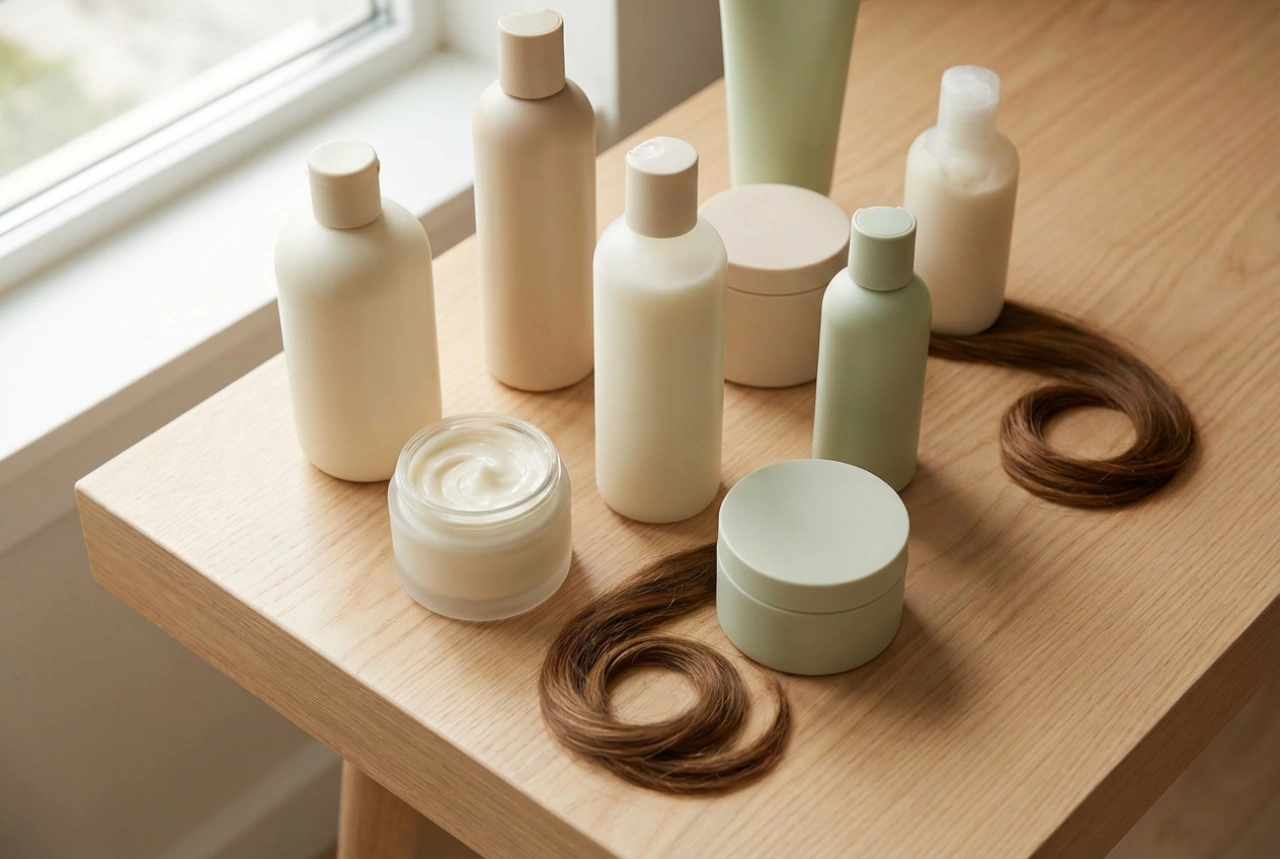
Not all leave-in emollient conditioners are created equal. The weight of the formula should match the texture of your hair. Fine, low-porosity hair thrives on ultralight, watery sprays or fluid lotions that offer protection without sacrificing natural volume. Thick, curly, or extremely dry hair, on the other hand, benefits from richer, creamier formulas containing natural butters and dense vegetable oils. Paying attention to how your hair responds over time will help you fine-tune the amount and frequency of use, leading to consistently soft, resilient, and beautifully reflective hair.