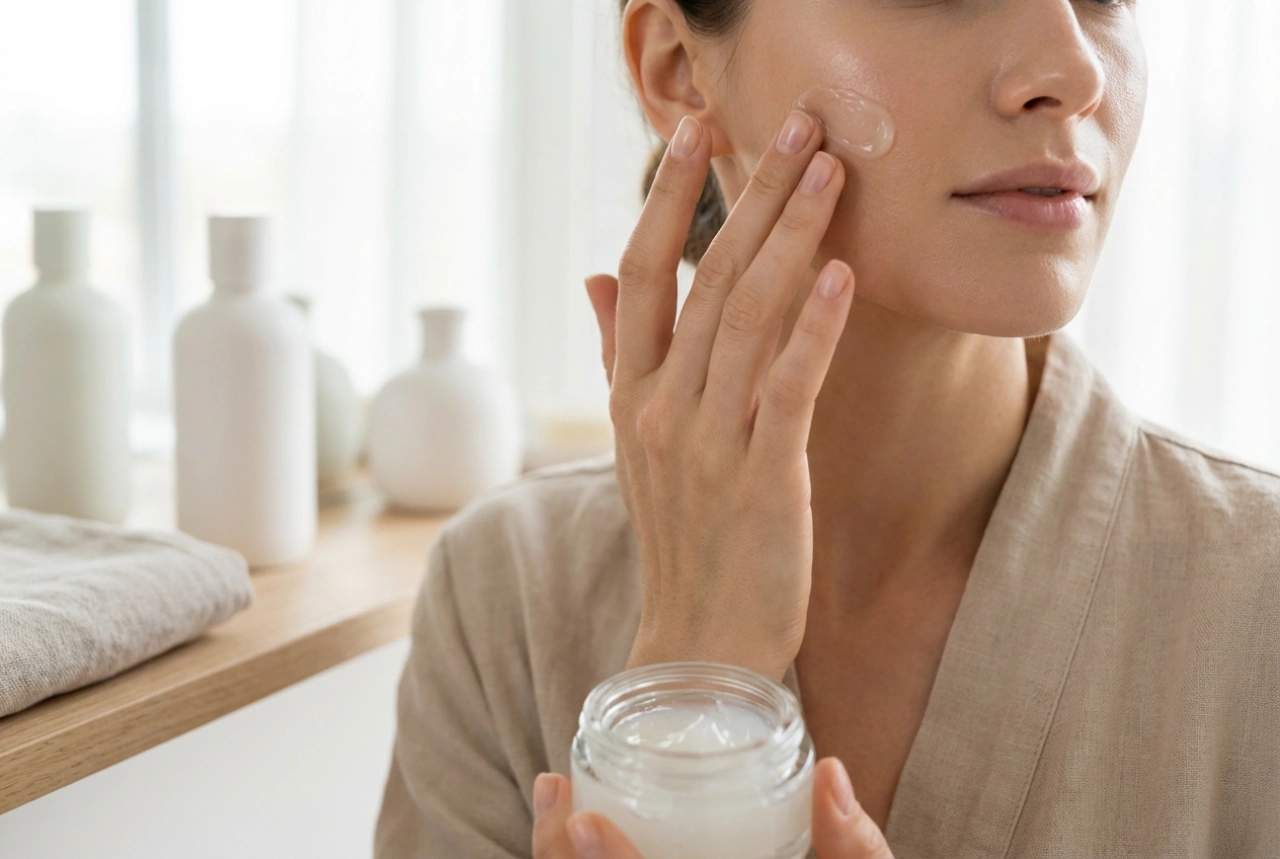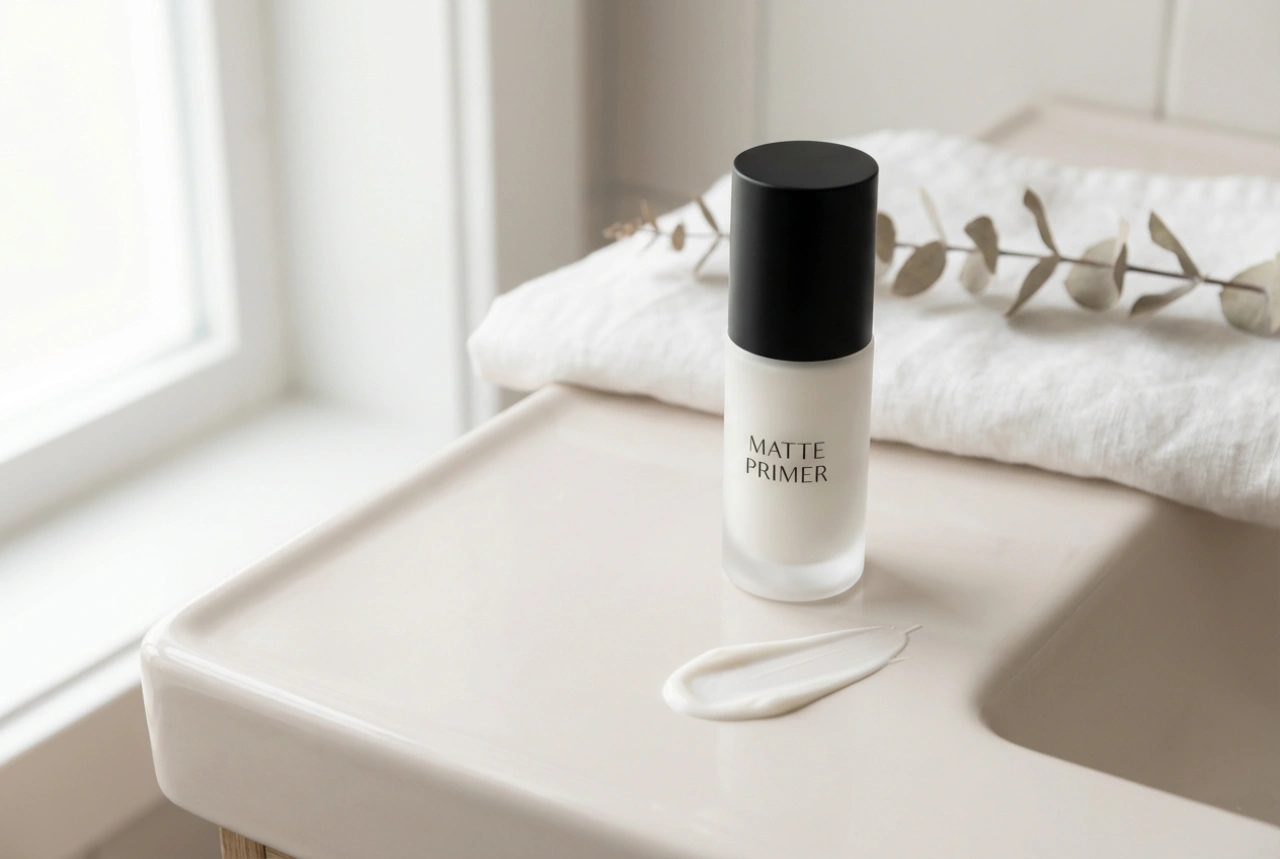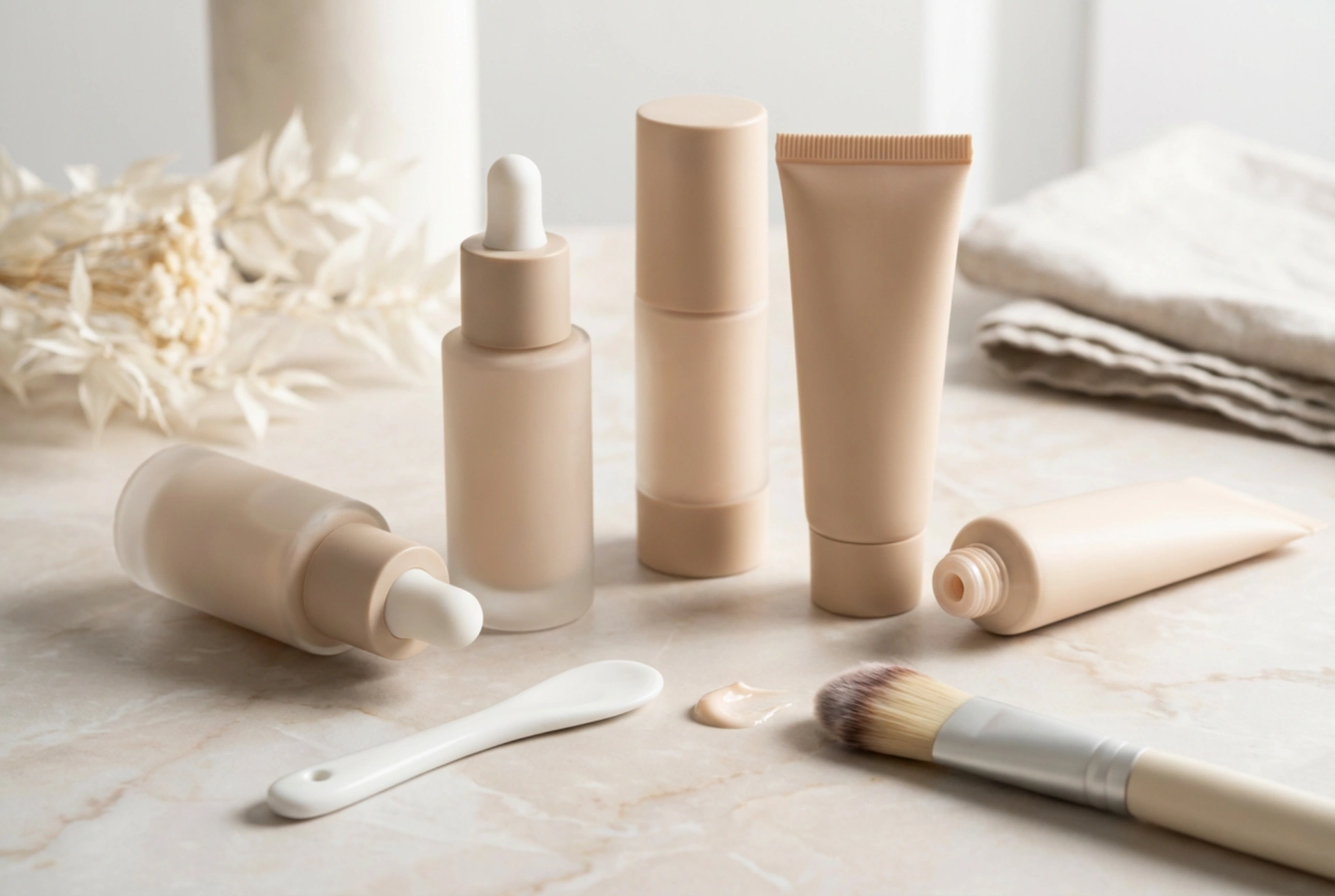


Elegant, minimalist cosmetic bottles on a vanity table represent the starting point of any refined makeup routine. Perfecting the complexion begins long before foundation is applied. A makeup primer, often housed in sleek tubes or delicate dropper bottles, acts as the invisible bridge between skincare and cosmetics. It prepares the canvas, ensuring that subsequent products adhere smoothly and remain fresh throughout the day. Understanding how to select and apply this versatile product is essential for achieving a seamless, modern beauty look.
The Role of Primer in Modern Beauty Routines
A makeup primer is designed to create an even surface on the skin. By filling in fine lines, softening the appearance of pores, and balancing texture, it allows foundation to glide on effortlessly. Beyond texture refinement, primers also act as a protective barrier. They help to lock in the hydration from your daily moisturiser while preventing the natural oils of your skin from breaking down your makeup prematurely. This dual action not only enhances the visual finish but also significantly extends the wear time of your cosmetics.
Exploring the Different Types of Primers
Not all primers are created equal; different formulations target specific skin concerns to deliver tailored results. Choosing the correct type is the key to a balanced complexion.
Mattifying Primers
Ideally suited for oily and combination skin types, mattifying primers often contain ingredients that absorb excess sebum. They assist in controlling shine throughout the day, particularly in the T-zone, leaving a soft, velvety finish without drying out the skin.
Hydrating Primers
Dry or dehydrated skin benefits greatly from hydrating primers. Frequently infused with nourishing elements, these light formulas drench the skin in moisture. They prevent foundation from clinging to dry patches, ensuring a plump and dewy appearance.
Colour-Correcting Primers
These specialised formulas use colour theory to neutralise undertones. For instance, a green-tinted primer helps tone down redness, while peach or lilac tones can brighten dullness and counteract sallow undertones. They provide a more uniform base before any coverage is applied.
Illuminating Primers
For those seeking a radiant, lit-from-within glow, illuminating primers contain light-reflecting particles. They catch the light beautifully, making the skin look healthy, fresh, and youthful even under heavier makeup.
How to Apply Primer for a Flawless Finish
To get the most out of your primer, proper application technique is crucial. It requires a mindful approach to ensure the product integrates seamlessly with your skincare.
- Prepare the skin: Always start with a clean, well-moisturised face. Allow your daily moisturiser and sunscreen to fully absorb for at least five minutes before reaching for your primer.
- Use the correct amount: A pea-sized amount is generally sufficient for the entire face. Using too much product can lead to piling or cause your makeup to slide off.
- Focus on key areas: Concentrate the application on areas where makeup tends to fade first or where pores are most visible, such as the nose, chin, and forehead.
- Blend gently: Use your fingertips, a damp beauty sponge, or a soft brush to smooth the product outwards. Fingertips are often preferred as the warmth of your hands helps the product melt into the skin.
- Let it set: This is a vital step. Wait one to two minutes to let the primer create its protective film before applying foundation.
Common Mistakes to Avoid
Despite its simplicity, several common missteps can hinder the effectiveness of a makeup primer. One frequent error is mismatching the bases of your primer and foundation. For example, pairing a silicone-based primer with a water-based foundation can cause the products to repel each other, resulting in a patchy, uneven finish. Always check that the formulations are compatible.
Another mistake is rushing the process. Applying foundation immediately after primer does not give the product enough time to dry and bond with the skin, leading to smudging. Lastly, applying primer over dry, flaky skin without prior exfoliation or hydration will only highlight texture rather than smooth it out. Proper skincare must always remain the foundation of any beauty routine.