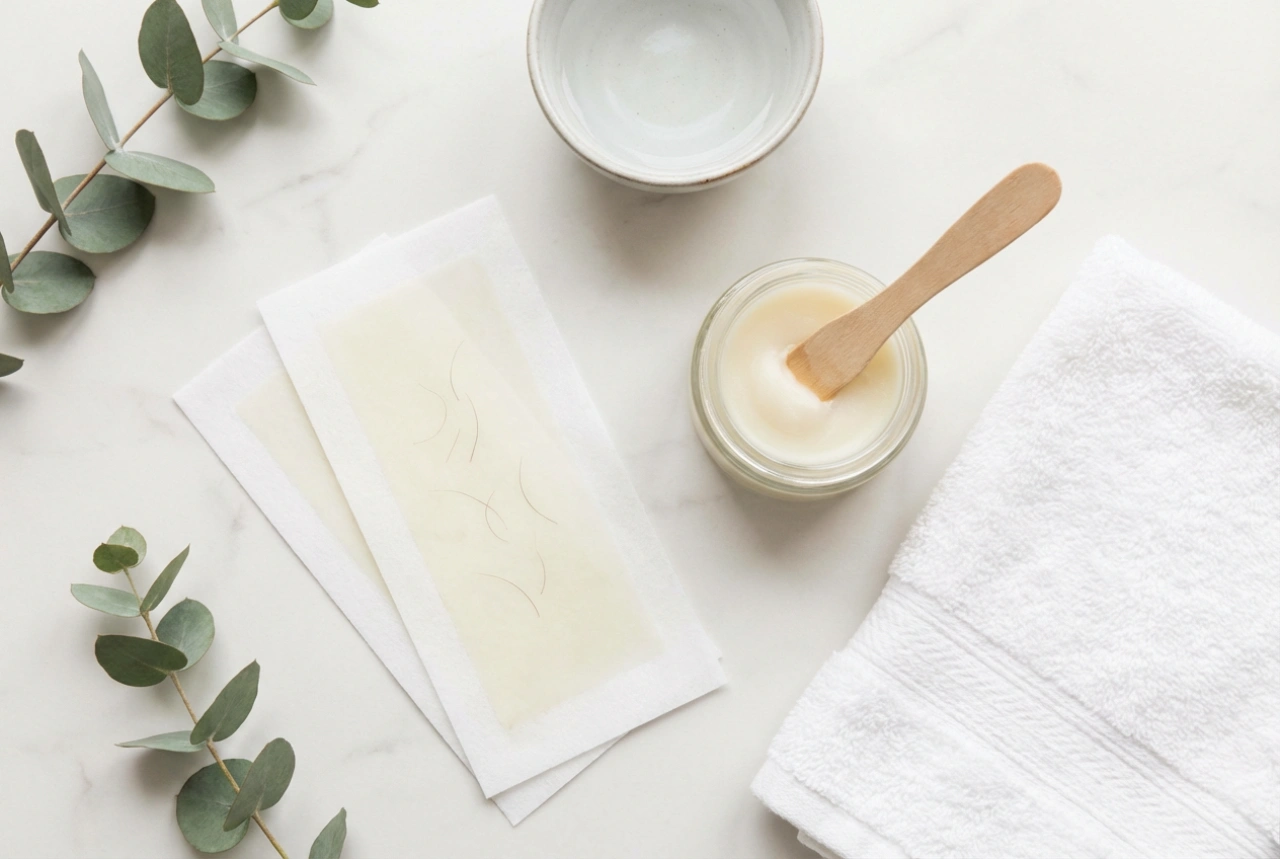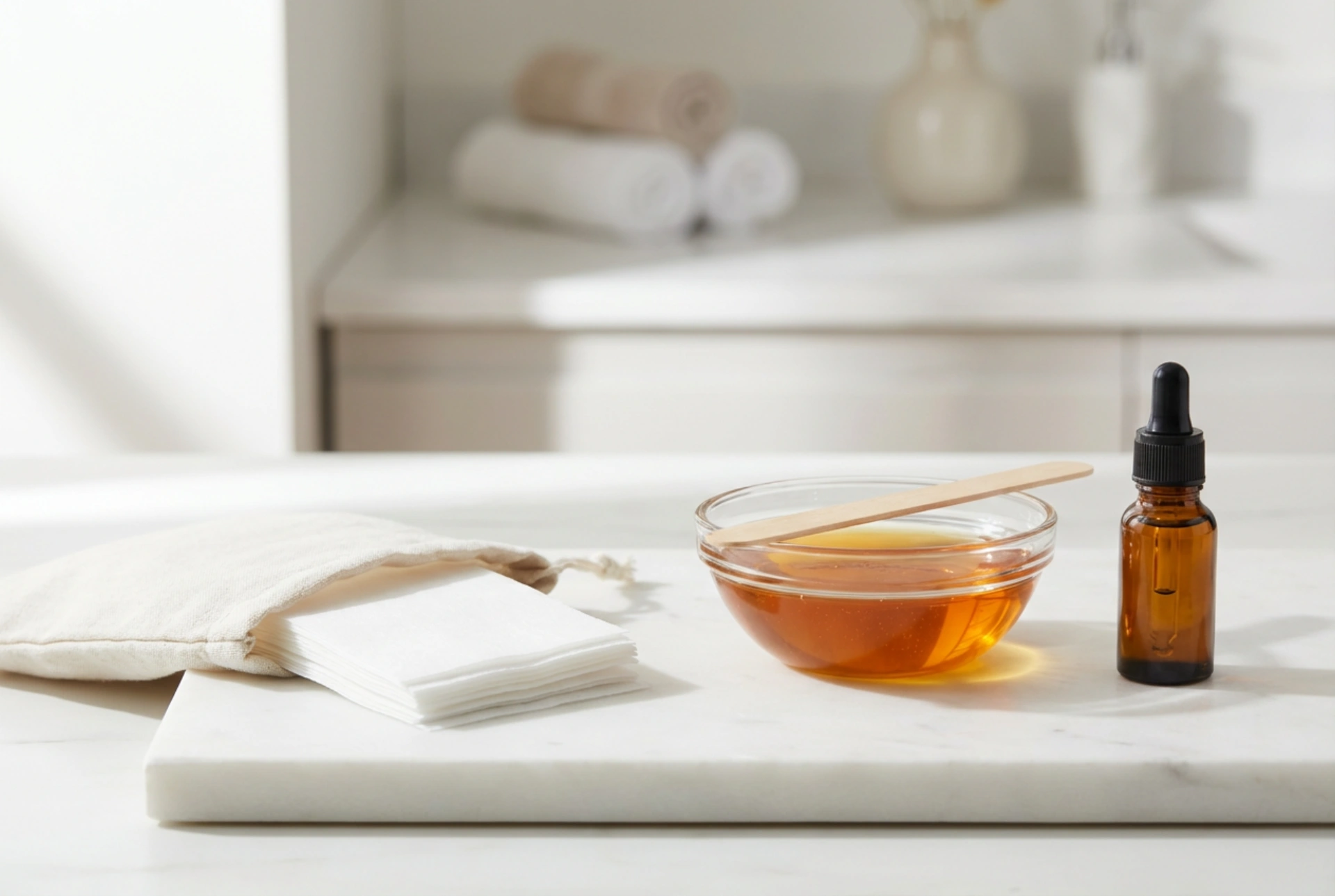


Creating a peaceful atmosphere with elegant waxing strips, a small bowl of warm melted wax, and nourishing, soothing oil on a pristine surface can transform a routine grooming task into a mindful ritual of self-care. Achieving smooth results at home requires patience, preparation, and the right approach to ensure skin comfort. Bikini waxing is a highly effective method of hair removal that offers weeks of smoothness, but it must be approached with care and attention to protect the delicate skin in this sensitive area. By understanding the principles of correct technique and post-treatment care, you can achieve professional-looking results from the comfort of your own home.
Essential Preparation for a Smooth Experience
Proper preparation is the most critical step in ensuring a successful and comfortable bikini wax. Neglecting this phase can lead to uneven hair removal, increased discomfort, or unnecessary skin irritation. By taking the time to prepare both your skin and your environment, you lay the foundation for optimal results and minimise any potential discomfort during the process.
Exfoliation and Cleanliness
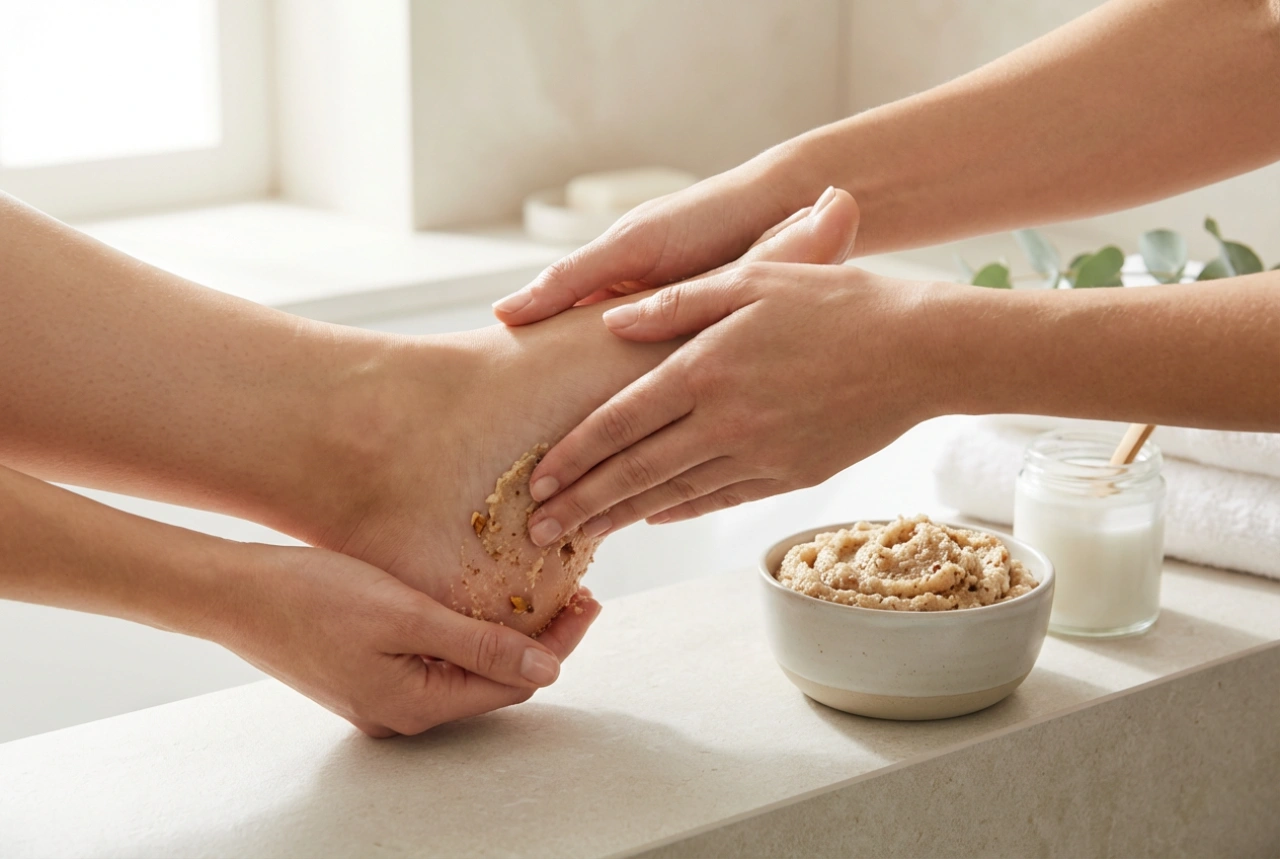
A few days before you plan to wax, it is highly beneficial to gently exfoliate the bikini area. Gentle exfoliation helps to remove dead skin cells that may be trapping hairs, making it easier for the wax to grip the hair from the root. Use a mild body scrub or a soft exfoliating mitt, avoiding any harsh physical scrubs that could cause micro-tears in the skin. On the day of the procedure, ensure the area is thoroughly cleansed with warm water and a mild, fragrance-free cleanser to remove any natural oils, sweat, or cosmetic residue. Completely dry the skin afterwards, as moisture can act as a barrier and prevent the wax from adhering correctly.
Hair Length and Timing
For the wax to effectively grip the hair, the hair needs to be of an appropriate length. Ideally, the hair should be between one-quarter of an inch to half an inch long (roughly six millimetres to twelve millimetres). If the hair is too short, the wax will not be able to grab it, resulting in patchy hair removal and unnecessary pulling. If the hair is significantly longer, it is advisable to carefully trim it with clean cosmetic scissors beforehand to make the process more comfortable and manageable.
Choosing the Right Type of Wax
Selecting the appropriate waxing method is essential for a safe and effective routine. Different types of wax offer distinct advantages depending on your experience level and comfort.
Hot Wax versus Strip Wax
Hot wax, often referred to as hard wax, is highly recommended for sensitive areas like the bikini line. It is applied warm and solidifies as it cools, shrink-wrapping around the hair without adhering to the skin itself. This makes the removal process gentler on the skin. Strip wax, or soft wax, is applied in a thin layer and removed using paper or fabric strips. While highly effective for larger areas, it can sometimes pull on the skin more than hard wax, making it more suited for less sensitive zones. Pre-waxed strips are another convenient option, offering a mess-free alternative that is ideal for quick touch-ups.
A Step-by-Step Guide to the Waxing Process
When you are ready to begin, ensure you are in a comfortable, well-lit space where you can work methodically. Having all your supplies within easy reach, including your warm wax, applicator spatulas, clean strips, and a soothing body oil, will help you maintain a steady, relaxed pace.
Applying the Wax
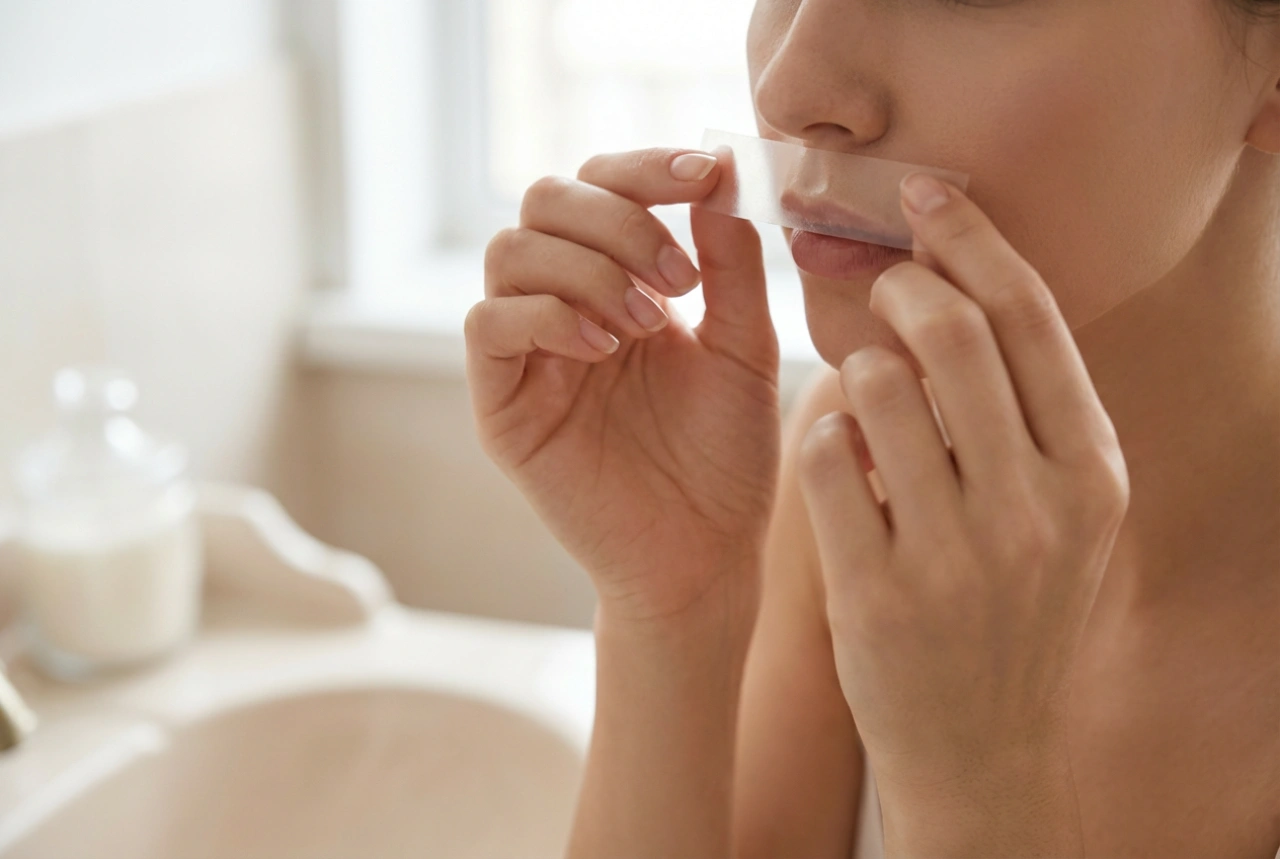
If you are using warm wax, always test the temperature on the inside of your wrist first to ensure it is comfortably warm but not hot. Using a clean spatula, apply a thin, even layer of wax in the direction of hair growth. Apply the wax firmly to ensure it wraps around each hair shaft. If you are using pre-waxed strips, warm them between your hands for a few moments, apply them smoothly over the area in the direction of hair growth, and press down firmly to ensure proper adhesion.
The Pull Technique
To minimise discomfort and protect the skin, hold the skin taut with one hand. With your other hand, grip the edge of the wax strip or the hardened wax itself. In one swift, smooth motion, pull the strip back in the opposite direction of hair growth. Keep your hand close to the body and parallel to the skin rather than pulling upwards, which can cause bruising or irritation. Immediately after pulling, apply firm pressure with your clean fingers to the waxed area for a few seconds to help soothe the nerve endings.
Crucial Post-Waxing Care
The care you provide to your skin after waxing is just as important as the preparation. Immediately after completing the process, use a gentle body oil to remove any remaining wax residue. Water alone will not dissolve wax, but a nourishing oil will lift the residue while simultaneously softening and calming the skin.
Soothing and Restoring
Apply a cool compress or a gentle, fragrance-free gel, such as natural aloe vera, to help calm any mild redness or warmth. Avoid using heavily scented lotions, alcohol-based toners, or rich, heavy creams immediately after waxing, as these can clog the pores and irritate the vulnerable skin. Focus on lightweight, hydrating ingredients that support the skin's natural moisture barrier.
What to Avoid After Waxing
- Wear loose, breathable cotton clothing to prevent friction and allow the skin to breathe.
- Avoid hot baths, saunas, steam rooms, and swimming pools for at least 24 to 48 hours to prevent irritation.
- Postpone intense physical exercise that causes excessive sweating for a day or two.
- Steer clear of direct sun exposure or tanning beds for at least 48 hours to protect sensitive skin from UV damage.
Universal Tips for a Safe Routine
Consistency and care are key to achieving the best results over time. Always perform a patch test on a small, less sensitive area of skin 24 hours before using any new waxing product to ensure no adverse reaction occurs. Take your time during the process, working in small, manageable sections rather than attempting to clear large areas at once. Over time, with proper care and attention, the skin becomes more accustomed to the routine, and the hair often grows back finer and softer, making subsequent sessions even easier to manage.