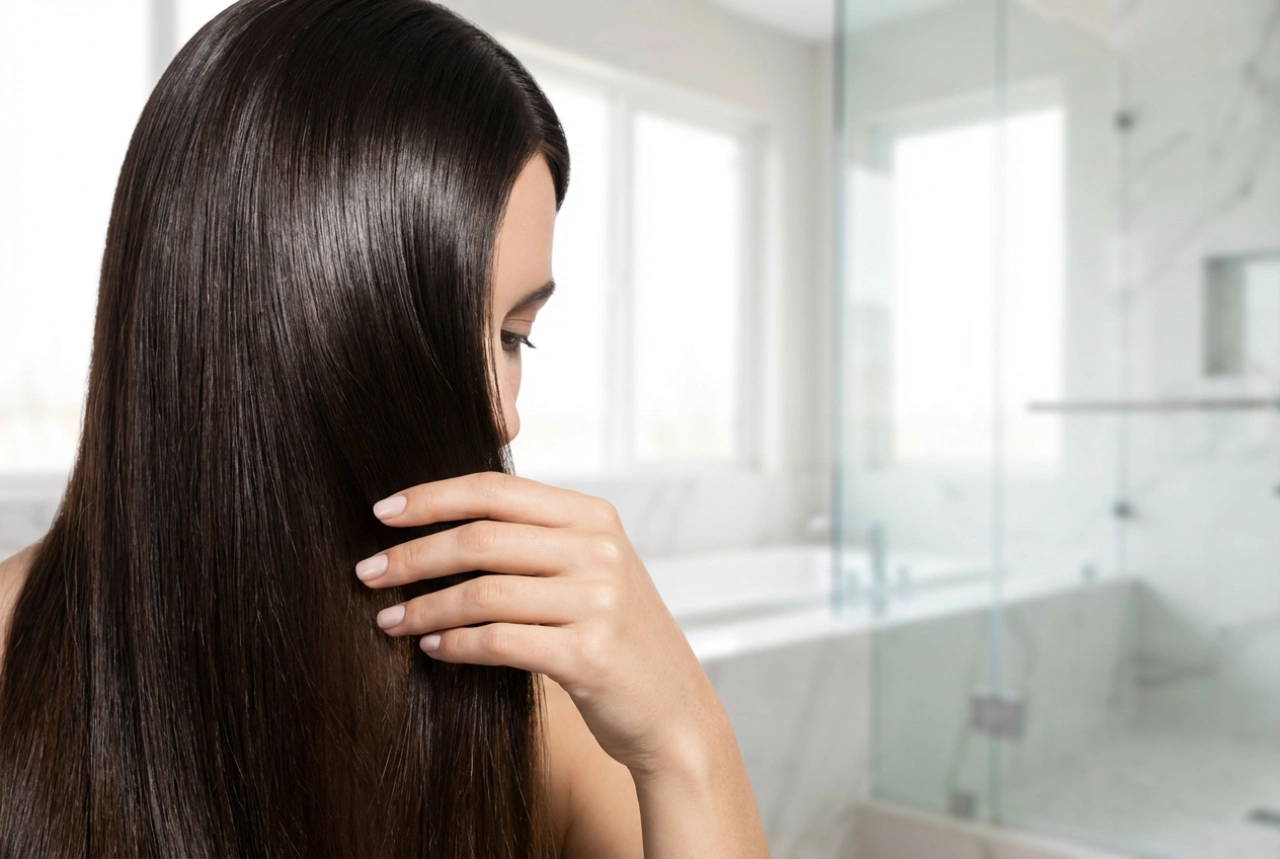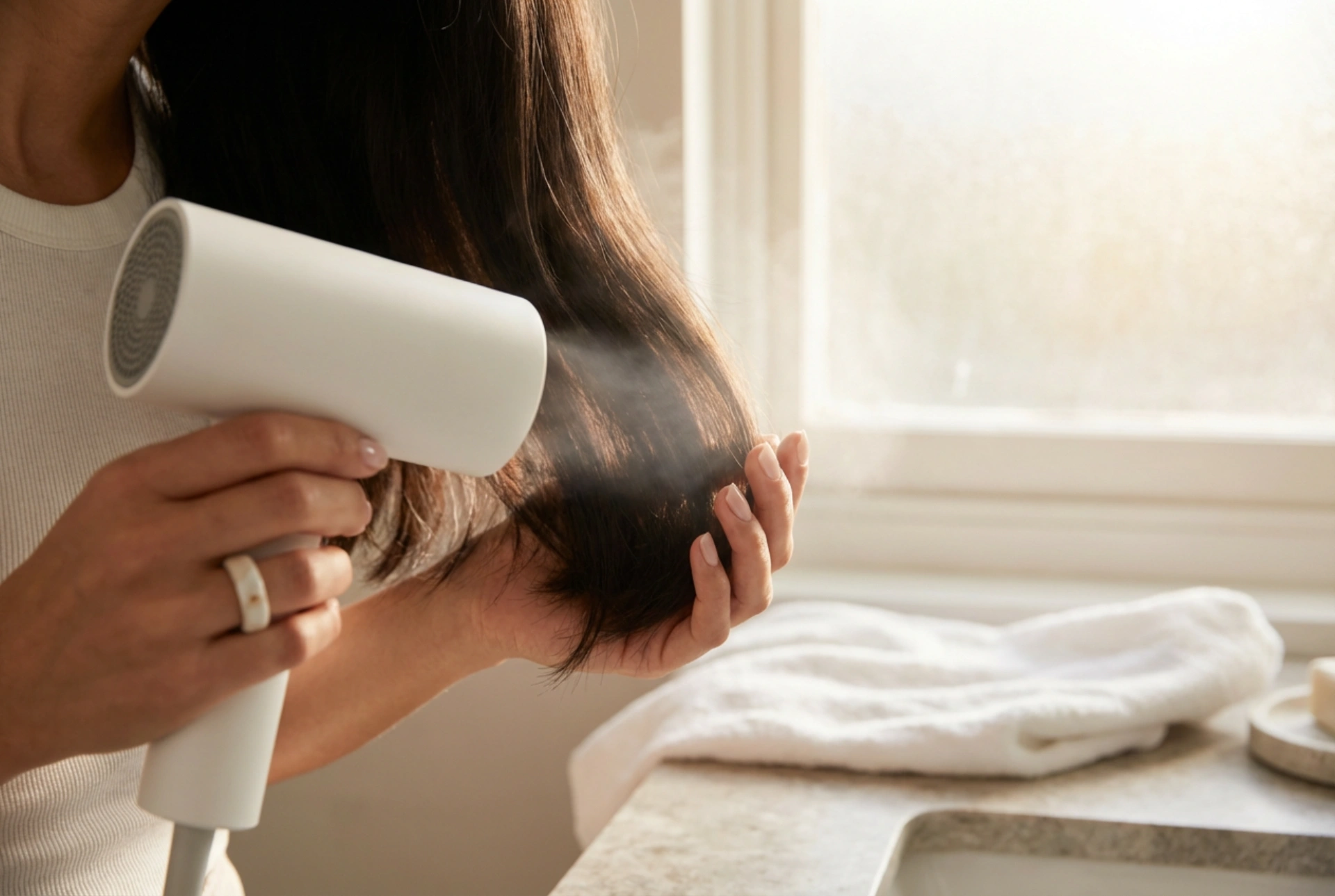


Achieving a professional-looking blow-dry at home does not have to involve scorching temperatures or a deafening racket in the bathroom. In a world where self-care is increasingly focused on mindful, gentle rituals, the beauty tools we choose play a vital role in our daily routine. A serene drying process, where a sleek, minimalist hair dryer gently directs soft, warm air towards healthy, lustrous hair, represents the gold standard of modern hair care. Taking the time to understand how to dry your hair without exposing it to extreme thermal stress can preserve its natural bounce, shine, and structural integrity for years to come.
The Connection Between Heat, Noise, and Hair Health
Many traditional hair dryers rely on high-velocity, noisy motors and intense heat to evaporate water quickly. However, this aggressive approach can be incredibly damaging to the delicate structure of the hair shaft. Hair is primarily made of keratin, a protein that can weaken and warp when exposed to temperatures exceeding 150 degrees Celsius. When extreme heat is applied, the water trapped within the hair cortex can boil, leading to a phenomenon known as bubble hair, where tiny bubbles form inside the strand, making it extremely brittle and prone to snapping.
Furthermore, the loud, high-pitched whine of older motor designs can turn a relaxing morning ritual into a stressful experience. High noise levels are not just a nuisance; they also indicate a less efficient motor that must work harder and hotter to achieve the desired airflow. Modern quiet hair dryers are engineered with advanced aerodynamics and brushless motors. These innovations allow them to move a higher volume of air at a lower, more pleasant frequency, drying the hair through efficient airflow rather than destructive, concentrated heat.
Essential Features to Look For in a Quiet Hair Dryer
When searching for a device that offers both acoustic comfort and heat safety, several key technical features should be considered. These elements work together to ensure that your hair is styled quickly, quietly, and without thermal compromise.
- Brushless Digital Motors: Unlike traditional brushed motors, digital motors use magnets to spin the fan. This reduces internal friction, resulting in a significantly quieter operation, a longer lifespan, and a lighter weight in the hand.
- Intelligent Heat Control: High-quality dryers feature built-in thermal sensors that measure the air temperature dozens of times per second. This data is transmitted to a microprocessor that automatically adjusts the heating element, ensuring the air never reaches damaging thresholds.
- Ionic Technology: This feature emits millions of negatively charged ions that break down water droplets on the hair surface into smaller molecules. This accelerates drying time without relying on extra heat, while simultaneously sealing the hair cuticle to reduce frizz and static.
- Variable Heat and Speed Settings: Having precise control over speed and temperature allows you to customise the airflow to your specific hair type. Fine or damaged hair requires much lower temperatures than thick, coarse strands.
- A True Cold Shot Button: A cold shot button that instantly cuts off the heating element is crucial. A stream of cool air at the end of your styling session helps lock the hair cuticle in place, sealing in moisture and adding a natural gloss.
A Step-by-Step Guide to Drying Hair Without Overheating
Choosing the right tool is only the first step; how you use it determines the ultimate health and appearance of your hair. To prevent overheating and maintain a gentle, peaceful routine, follow these practical steps during your next wash day.
1. Minimise Wetness Naturally Before Drying
Never start blow-drying soaking wet hair. Wet hair is in its most fragile state, as the hydrogen bonds are temporarily broken by water, making the strands highly elastic and vulnerable to stretching and tearing. After washing, gently squeeze out excess water with your hands, then wrap your hair in a soft microfiber towel or a clean cotton t-shirt. Avoid rough rubbing, which roughs up the hair cuticle and leads to tangles and frizz. Allow your hair to air-dry naturally until it is about sixty to seventy per cent dry before introducing any heat.
2. Keep Your Distance
One of the most common mistakes is holding the nozzle of the hair dryer too close to the hair. This concentrates the heat on a single spot, rapidly raising the temperature of the hair fibre. Always maintain a safe distance of at least fifteen to twenty centimetres between the dryer nozzle and your scalp. This allows the warm air to disperse evenly, drying a larger surface area at a safer, more moderate temperature.
3. Keep the Airflow Moving
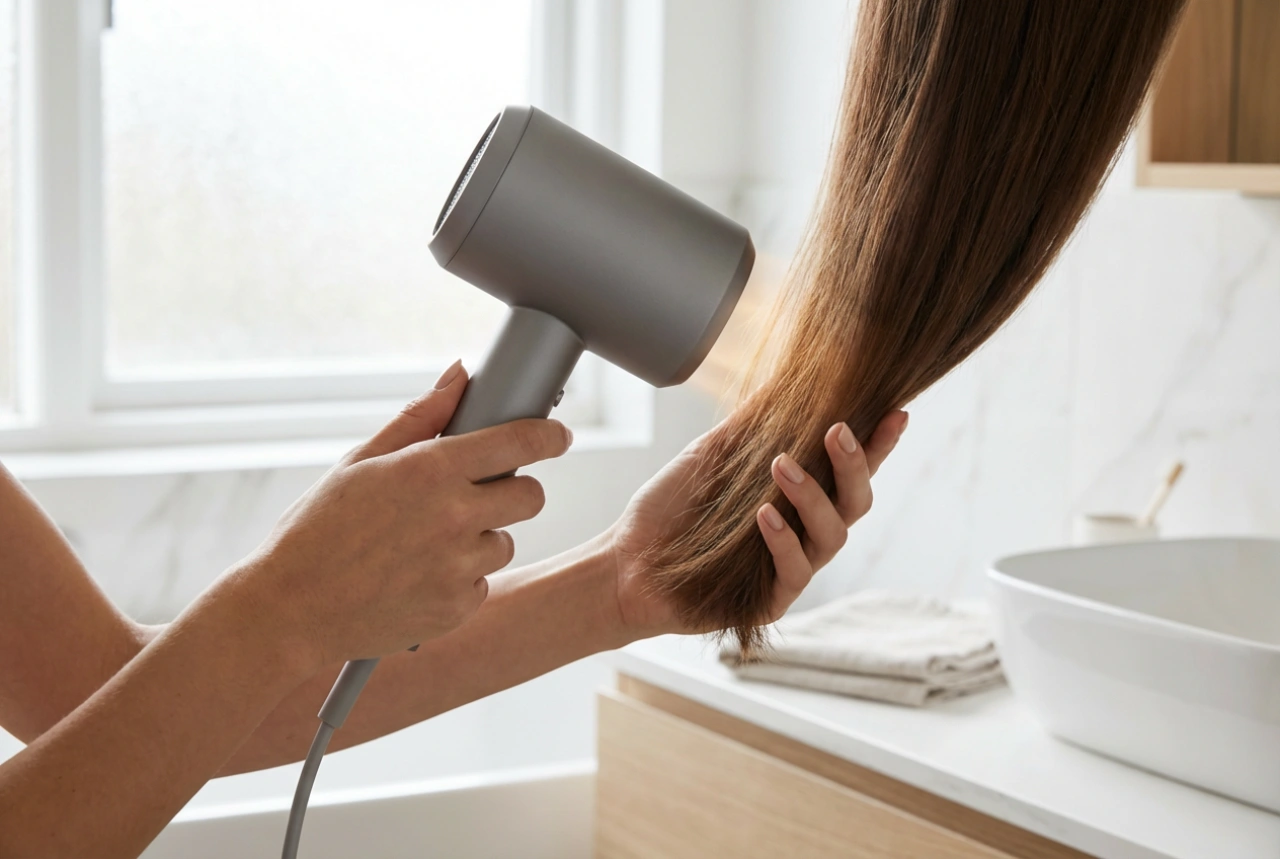
To avoid localised overheating, never hold the dryer static over one section of hair. Keep your hand in constant, gentle motion, sweeping the airflow from the roots down to the tips. Always direct the nozzle downwards along the hair shaft. This technique aligns with the natural direction of the hair cuticles, helping to smooth them down, block humidity, and enhance light reflection for a radiant, lustrous finish.
4. Section and Systematically Style
Dividing your hair into manageable sections ensures that you dry each part evenly and efficiently. Trying to dry all your hair at once often leads to over-processing the outer layers while the under-layers remain damp. Use gentle clips to section your hair, and dry each part using a low-to-medium heat setting. Finish each section with a quick blast of cool air to set the shape and boost shine.
Supporting Habits for Temperature-Safe Styling
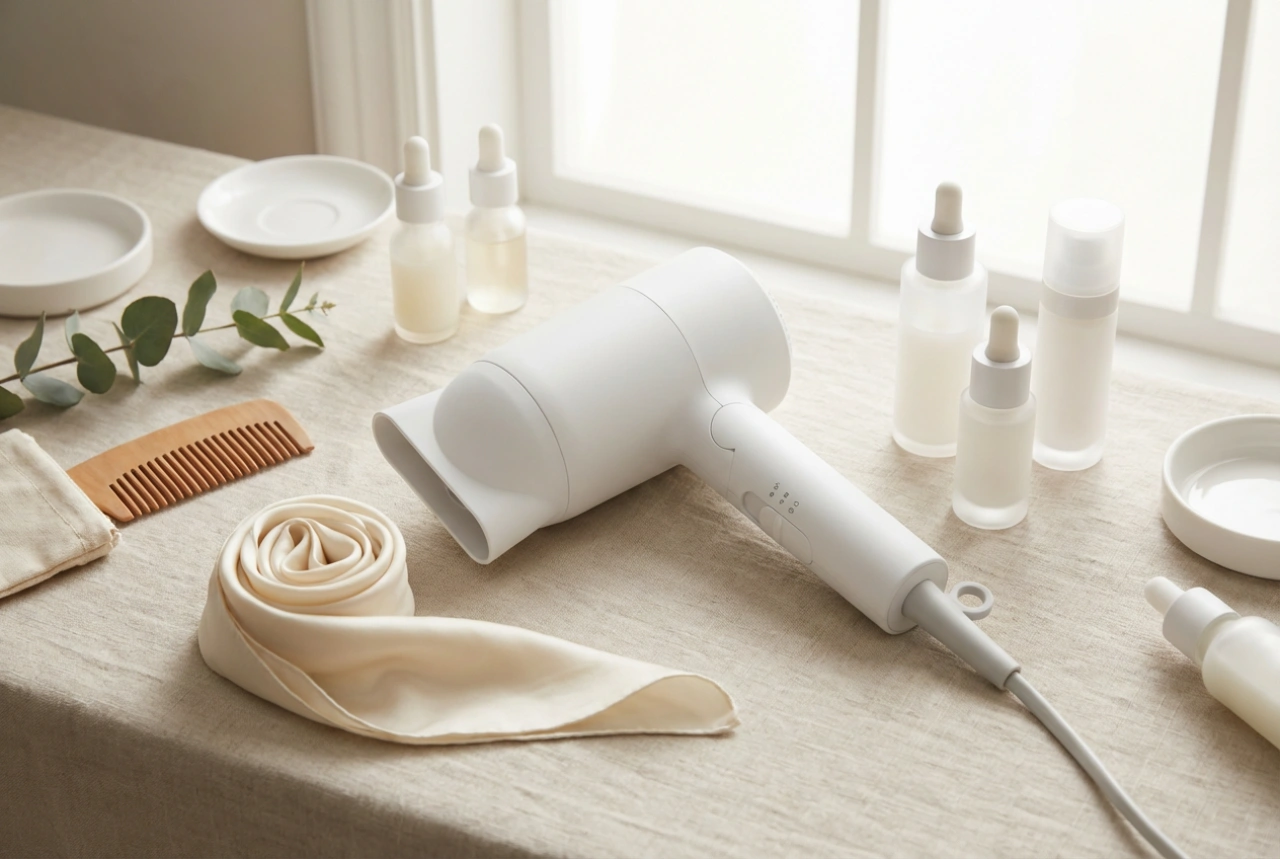
A gentle drying routine is most effective when paired with mindful hair care habits. To keep your strands in peak condition, consider integrating lightweight, nourishing barrier products into your wet hair routine. These leave-in formulas create an invisible shield over the cuticle, slowing down the conduction of heat and preventing moisture loss. Additionally, regular maintenance of your quiet hair dryer is essential. Over time, the air filter can accumulate dust and lint, restricting airflow and causing the motor to run hotter and louder. Regularly cleaning the filter according to the manufacturer's instructions ensures your device operates quietly, efficiently, and at a perfectly regulated temperature.