

Achieving silky-smooth, touchable skin at home is a priority for many beauty routines. The modern epilator has evolved from a basic hair-removal tool into a comprehensive skincare system. Often presented in elegant, minimalist designs with an array of interchangeable heads, these devices offer a customisable approach to personal grooming. When paired with a dedicated pre- and post-epilation care regimen—such as applying a rich, soothing lotion to calm the skin—epilation can deliver salon-like smoothness that lasts for weeks. Understanding how to use the different attachments and settings is the key to minimizing discomfort and maintaining a healthy skin barrier.
The Role of Interchangeable Epilator Heads
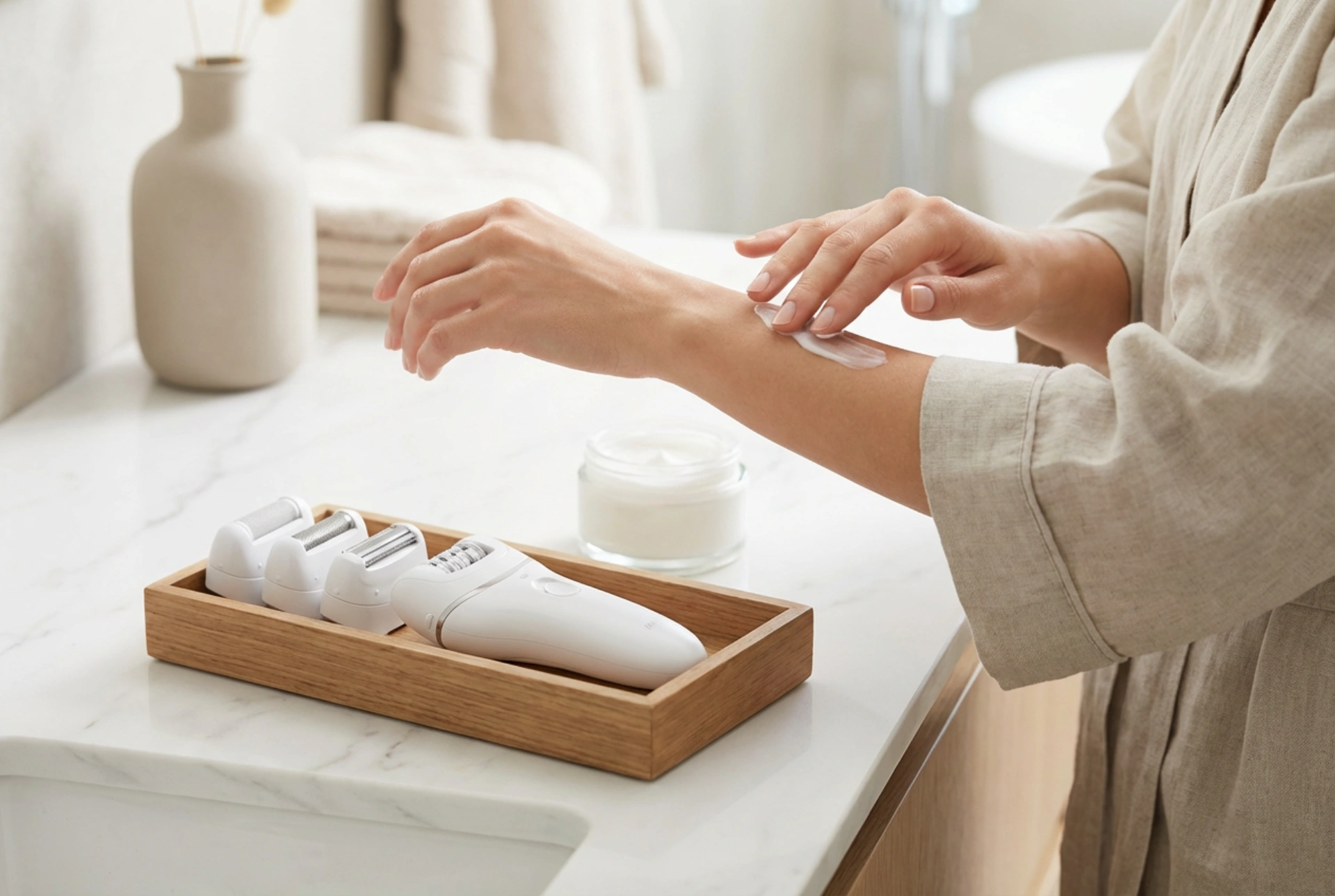
Modern epilating devices are rarely one-size-fits-all. They come equipped with various specialised attachments designed to address different areas of the body and diverse skin sensitivity levels. Choosing the correct head not only improves efficiency but also protects the delicate layers of your skin.
The Standard Epilation Head
This is the primary attachment, featuring a series of micro-tweezers or ceramic discs. It is designed to lift and remove hair directly from the root. Standard heads are ideal for larger areas like the legs and arms where the skin is less sensitive. High-quality ceramic discs are often preferred as they grip even the finest hairs without tugging on the surrounding skin, ensuring a clean finish in fewer strokes.
Delicate Area Caps and Efficiency Caps
For sensitive zones such as the underarms or the bikini line, wide epilation heads can feel too intense. Delicate area caps narrow the active tweezing zone, allowing for precise hair removal with minimal discomfort. On the other hand, efficiency caps ensure maximum skin contact and correct angling, making the process faster on flat surface areas like the thighs.
Exfoliation and Massage Attachments
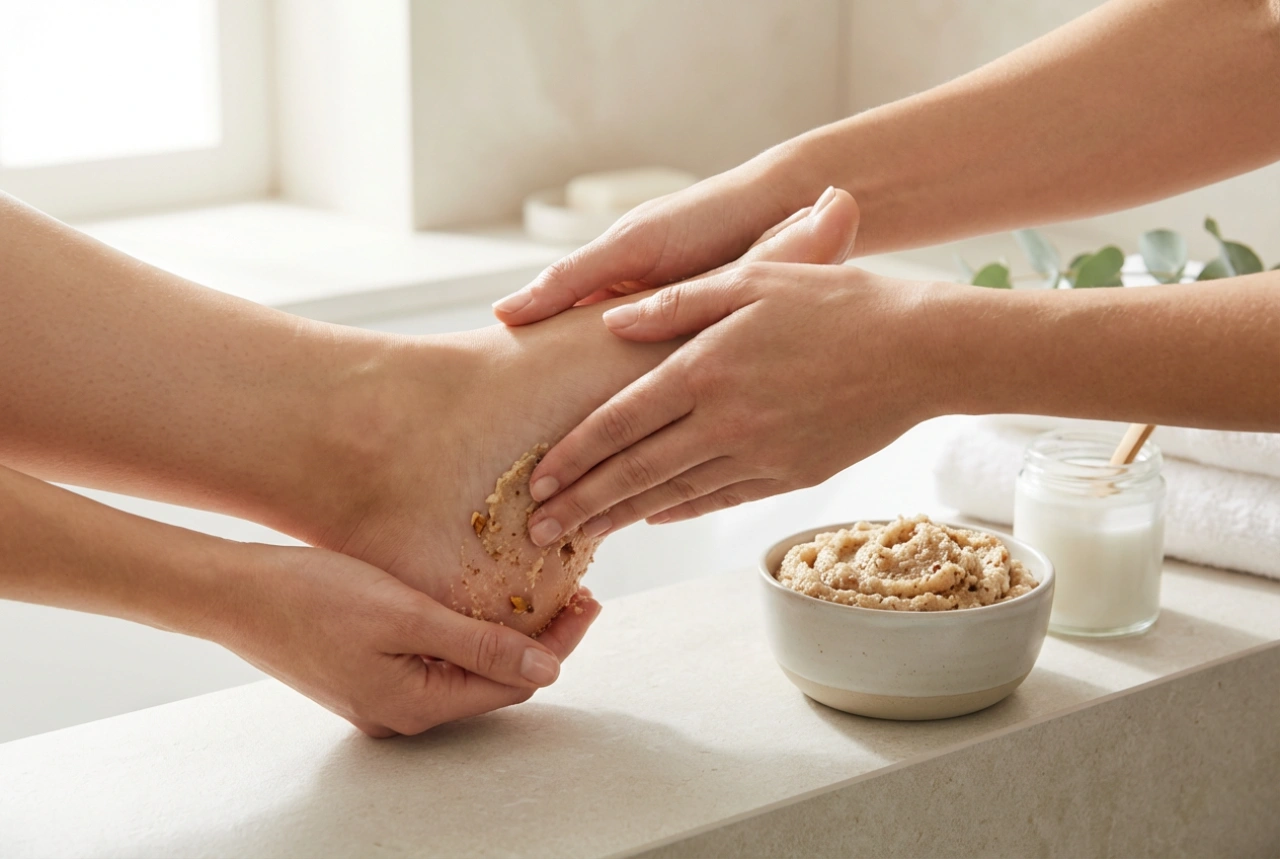
Many multi-functional devices include rotating exfoliation brushes and skin-stretching massage rollers. The massage cap stimulates the skin before and after the hair is pulled, which helps to desensitise the area and reduce the sensation of plucking. Exfoliation heads are designed to buff away dead skin cells, preparing the body for hair removal and preventing future issues like ingrown hairs. Using these regularly between epilation sessions keeps the skin looking vibrant and healthy.
Optimising Speed and Operational Settings
Adjusting your device to the correct speed setting is crucial for a comfortable experience. Most modern epilators feature at least two speed levels, each serving a specific purpose in your grooming routine.
- Low Speed (Gentle Setting): This setting is highly recommended for beginners, delicate areas, or sections with thinner hair. The slower rotation allows you to guide the device carefully, reducing the risk of skin irritation and giving you greater control over the process. It is also excellent for handling short or fine hairs without breaking them.
- High Speed (Efficient Setting): Perfect for experienced users and larger areas like the legs. The faster rotation removes hair quickly and efficiently, minimizing the time spent on the procedure. It is ideal for thicker hair structures that require a swift pull to be removed cleanly.
Additionally, deciding between wet and dry settings is highly beneficial. Waterproof devices can be used in the shower or bath. Warm water helps to dilate the pores and relax the skin, making hair removal significantly more comfortable. Dry epilation, conversely, is highly efficient as hairs are easier for the tweezers to grip when they are not wet, making it a great option for quick touch-ups.
Essential Pre-Epilation Skin Preparation
To achieve the best results and maintain healthy skin, preparation is key. Starting the process on unprepared skin can lead to uneven hair removal and increased irritation. Developing a consistent prep routine ensures that each session is as comfortable and effective as possible.
Firstly, exfoliate your skin gently twenty-four hours before epilating. This lifts flat-lying hairs and removes dead skin cells that might block the hair follicles. Secondly, ensure your skin is perfectly clean. If you are epilating dry, make sure there are no oils, lotions, or moisture on your skin, as these can prevent the tweezers from gripping the hair. If using a wet epilator, taking a warm bath beforehand will soften the hair follicles, allowing for smoother extraction and reducing physical stress on the epidermis.
Soothe and Hydrate: Post-Epilation Skin Care
The beauty routine does not end once the hair is removed. Immediately after epilation, the hair follicles are open, and the skin may appear slightly red or sensitive. This is a completely natural reaction that can be easily managed with the right post-care steps to keep the skin feeling soft and healthy.
Gently apply a soothing, fragrance-free lotion or a hydrating gel containing natural calming ingredients like aloe vera or chamomile to the treated areas. This helps to cool the skin, reduce redness, and restore the natural moisture barrier. Avoid using heavy, fragranced body creams or alcohol-based products immediately after hair removal, as these can clog pores and cause irritation. Additionally, wear loose, breathable clothing made of natural fibres like cotton to prevent friction and allow the skin to heal comfortably over the next twelve to twenty-four hours.