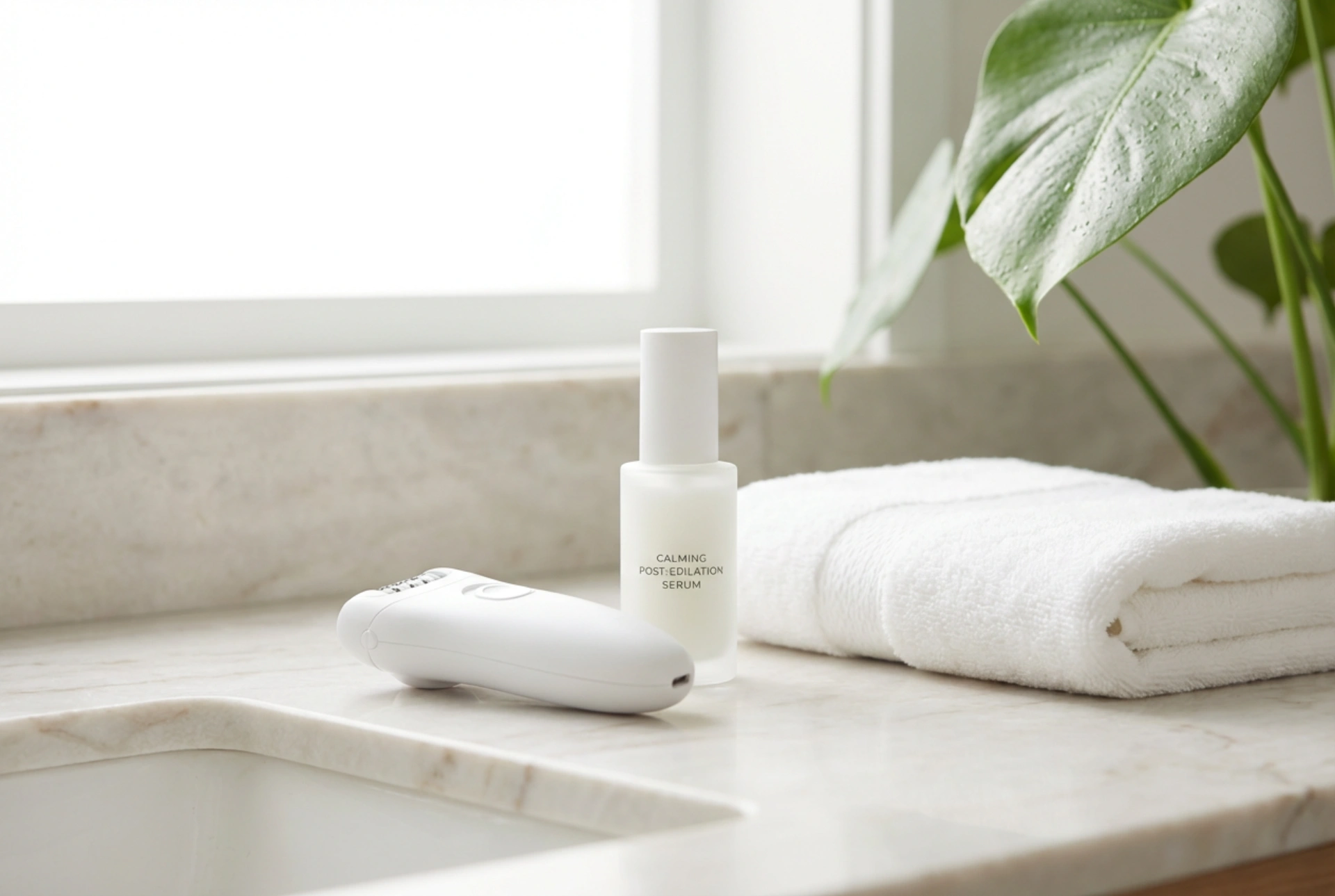


A quiet, softly lit bathroom counter, a minimalist bottle of soothing serum, and a fresh, plush towel create the perfect atmosphere for a dedicated self-care routine. Among the various methods of hair removal, using a home epilator for the bikini line is a popular choice for achieving long-lasting smoothness. While the prospect of epilating this sensitive area can seem daunting, proper preparation, correct technique, and a dedicated aftercare routine can transform the experience into a manageable and highly effective ritual. Understanding how to care for your skin before, during, and after epilation is the key to minimising discomfort and enjoying beautiful, smooth results.
The Importance of Thorough Skin Preparation
Before even switching on your epilator, preparing the skin is the most crucial step to ensure a smooth process and prevent unnecessary irritation. The bikini area is particularly sensitive, meaning that rushing into epilation without prior preparation can lead to discomfort and uneven results.
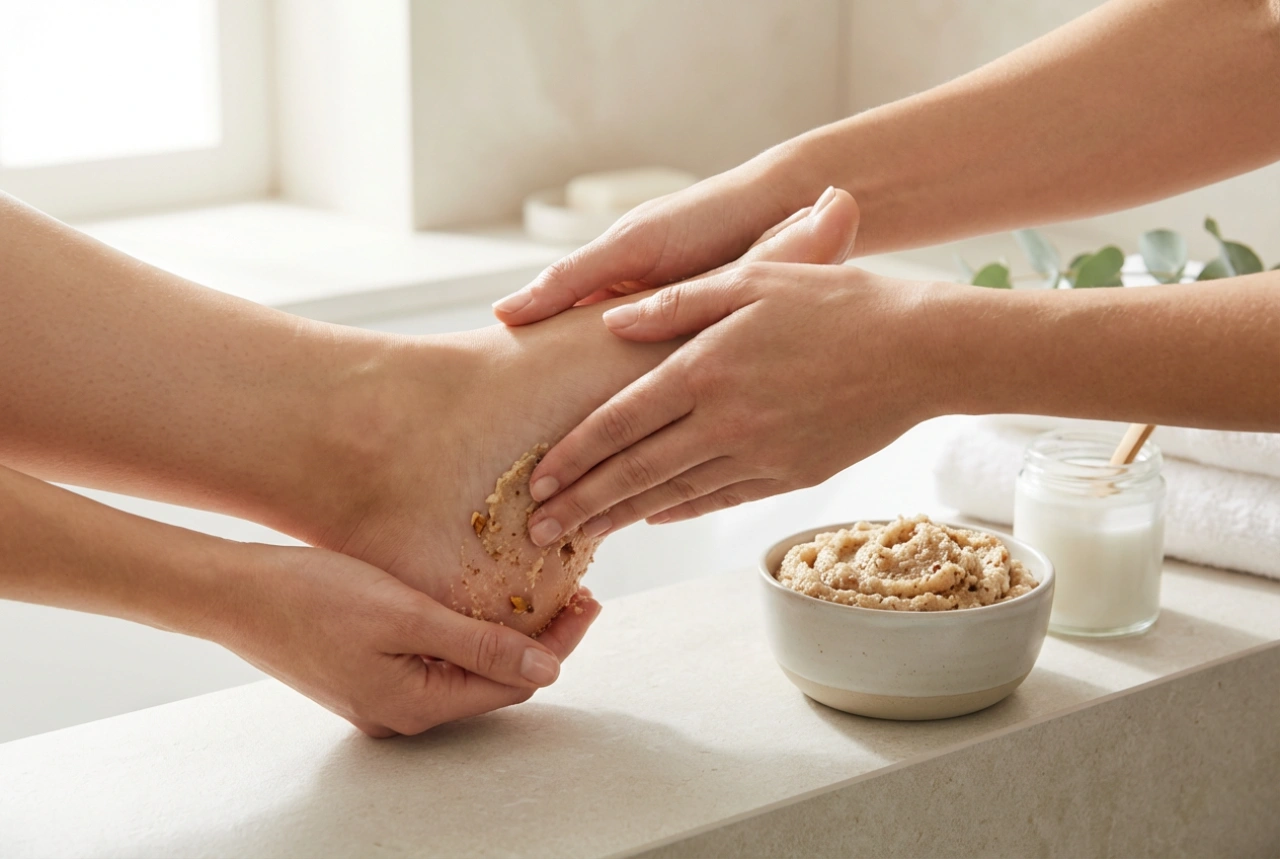
To begin, timing is everything. It is highly recommended to gently exfoliate the skin one to two days before your planned epilation session. Using a mild body scrub or a soft exfoliating mitt helps to remove dead skin cells that may be trapping shorter hairs. This ensures that the epilator can grasp each hair efficiently from the root rather than snapping it at the surface.
Additionally, taking a warm bath or shower immediately before epilating can make a significant difference. The warmth of the water helps to open the pores and soften the hair follicles, making hair removal smoother and far more comfortable. If you are using a standard dry epilator, make sure to dry the skin thoroughly with a clean, soft towel afterward. Moisture can cause the hair to cling to the skin, making it difficult for the device to catch. If you own a waterproof wet-and-dry model, you may choose to perform the epilation in the shower, but the principle of warming the skin beforehand remains just as beneficial.
Perfecting the Epilation Technique
Using an epilator on the bikini line requires a patient, methodical approach rather than a quick sweep. Achieving the best results relies heavily on your technique and how you handle the device. Keep these key practices in mind:
- Optimal hair length: Ideally, the hair should be between two to five millimetres long. If the hair is too long, epilation can be more painful and may result in the hair breaking. If necessary, trim the area gently a few days before you plan to epilate.
- Device angle: Hold the epilator at a ninety-degree angle to your skin. Do not press the device down too firmly; the tweezers on the epilator head are designed to catch the hair without scraping the skin.
- Stretching the skin: One of the most effective techniques for reducing discomfort is to stretch the skin taut with your free hand. By pulling the skin tight, you create a flatter, firmer surface, allowing the epilator to remove the hairs more cleanly.
- Slow and steady: Always move the epilator in slow, steady strokes against the direction of hair growth. Rushing through the process can cause the device to miss hairs or snap them, leading to faster regrowth.
Soothing and Caring for the Skin Post-Epilation
Once you have finished epilating, your skin will naturally require some gentle attention. It is completely normal to experience slight redness or tiny bumps immediately after hair removal, as the hair follicles have been temporarily disrupted.
Start by rinsing the area with cool water to soothe the skin and remove any loose hairs. Pat the skin dry gently with a fresh, clean towel—avoid rubbing, as this can exacerbate redness. Next, apply a calming, alcohol-free post-hair removal serum or lotion. Ingredients such as aloe vera, panthenol, or chamomile are excellent for cooling and hydrating the delicate skin of the bikini line. Avoid heavily fragranced products, rich body creams, or self-tanners immediately after epilation, as these can clog the open pores and cause irritation.
In the hours following the treatment, opt for loose-fitting, breathable cotton underwear and clothing. Tight synthetic fabrics can trap heat and sweat against the skin, which can lead to friction and unwanted irritation. It is also wise to avoid hot baths, swimming pools, saunas, and intense workouts for at least twenty-four hours to give the skin ample time to recover in a clean, cool environment.
Long-Term Maintenance and Preventing Ingrown Hairs
Maintaining smooth results between epilation sessions involves a simple yet consistent long-term care routine. Because epilation removes hair from the root, new, finer hair will eventually begin to grow back. To ensure these new hairs can break through the skin surface easily, regular maintenance is essential.
Two to three days after your epilation session, when any initial redness has completely subsided, you can resume gentle exfoliation. Incorporating a light scrub or a soft dry brush into your weekly routine once or twice will keep dead skin cells from blocking the hair follicles. Keeping the skin well-hydrated is equally important. Apply a lightweight, non-comedogenic moisturiser daily to keep the skin soft and pliable. This continuous hydration makes it much easier for new hairs to grow straight out of the follicle rather than curling backward under the skin. Over time, you will find that the hair grows back finer and softer, making subsequent sessions much faster and significantly more comfortable.