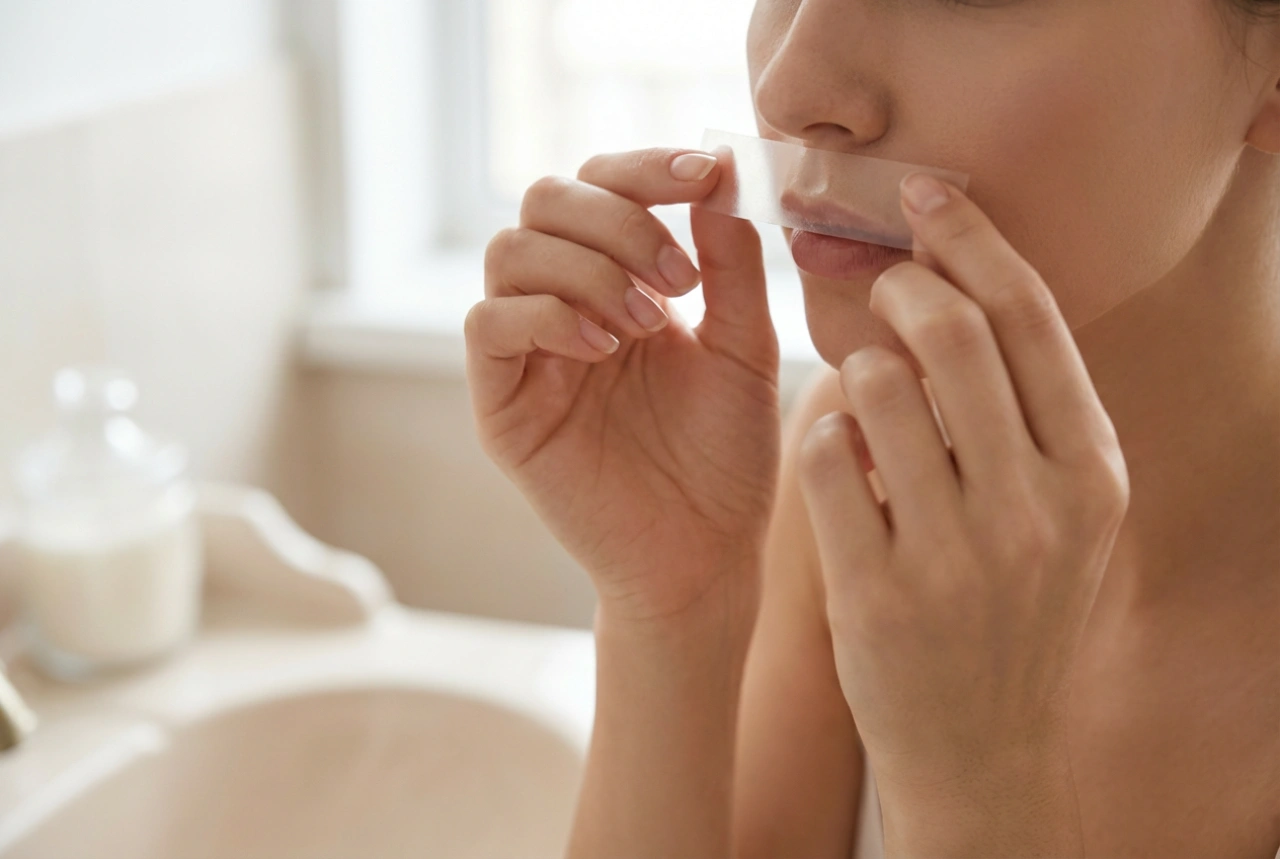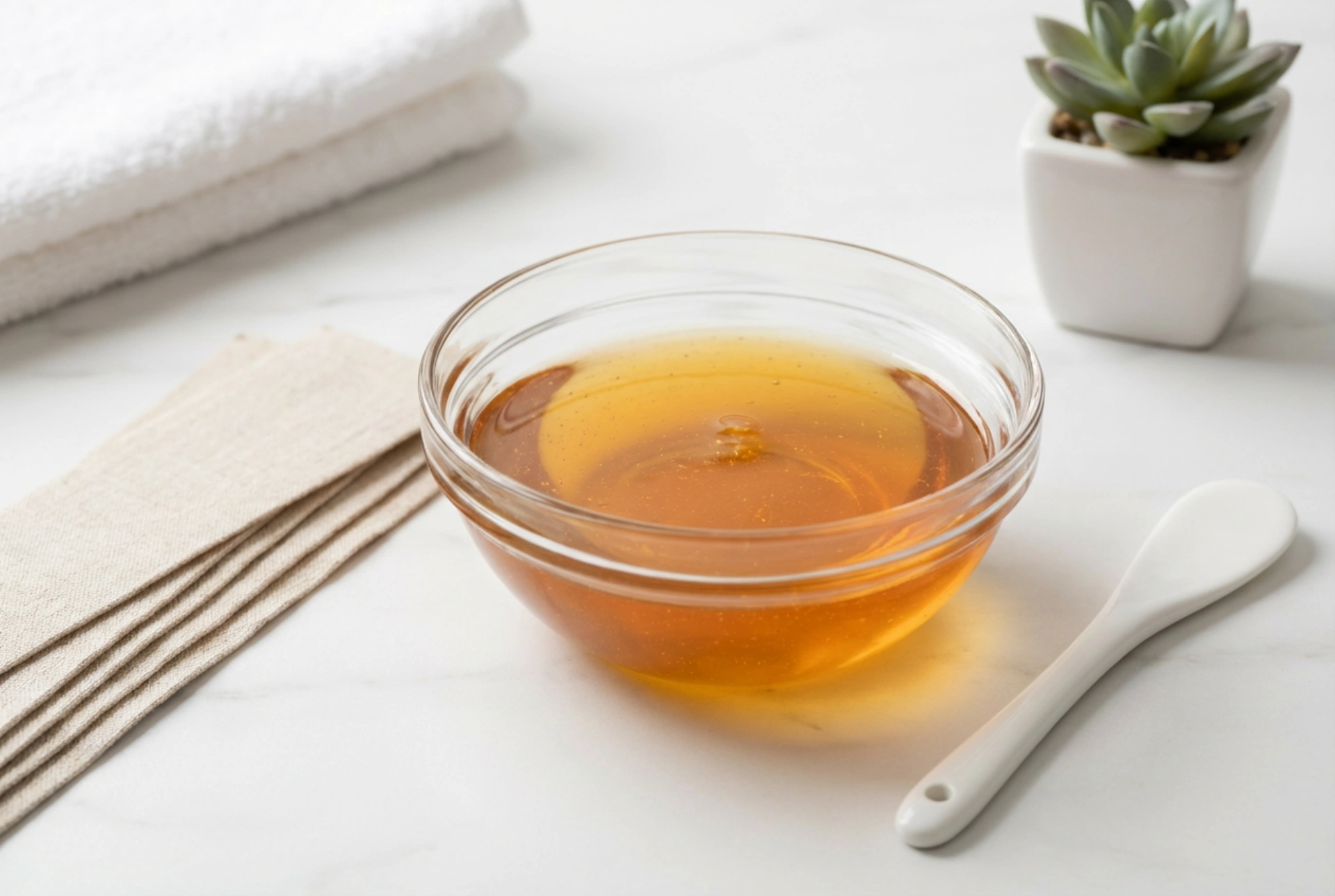


The gentle art of hair removal has seen a significant shift towards traditional, natural methods that prioritise skin health. Among these, sugaring has emerged as a favoured home beauty ritual. Looking at a bowl of golden-amber sugar paste, its smooth and inviting texture suggests a gentle experience. Unlike conventional waxing, sugar wax is entirely water-soluble and adheres primarily to the hair rather than the skin, minimising irritation and leaving the surface smooth. Mastering this ancient technique at home requires an understanding of paste consistency, correct hand movements, and proper skin preparation.
Understanding Sugar Wax Consistency
The success of the sugaring process relies heavily on choosing and maintaining the correct consistency of the sugar paste. Unlike standard wax, which is applied hot and allowed to harden, sugar paste is used at room temperature or slightly warmed to a lukewarm state. There are three primary types of consistency, each suited for different body areas, ambient temperatures, and levels of experience.
- Soft Paste: This light, runny consistency is ideal for larger body areas such as the legs or arms. It is typically applied using a spatula and removed with natural fabric strips. Because it is highly pliable, it works best in cooler rooms.
- Medium Paste: The most versatile option, medium paste is suitable for both strip application and the traditional hand method (flicking). It offers a balanced grip, making it suitable for areas like the underarms and bikini line, especially for those with moderate experience.
- Firm or Hard Paste: This dense, thick paste requires warming slightly before use. It is designed for manual application in warm rooms or on areas with high body heat, such as the bikini area. Hard paste is exceptionally stable and does not melt quickly under the heat of the fingers.
Environmental factors, particularly room temperature and humidity, play a significant role in how the paste behaves. In a warm bathroom, a medium paste can quickly become too soft and sticky, making it difficult to flick. Conversely, in a cold room, hard paste might require extra kneading to become pliable enough to spread.
The Correct Sugaring Technique
The application and removal technique for sugar wax is fundamentally different from traditional waxing, which is why it is often considered much gentler on the skin. While standard waxing involves applying the product in the direction of hair growth and pulling against it, sugaring reverses this dynamic to minimise hair breakage and ingrown hairs.
Step 1: Preparation
Before beginning, the skin must be completely clean, dry, and free of oils or moisturisers. Applying a small amount of oil-free powder, such as cornstarch, can help absorb excess moisture and sebum. This ensures that the sugar paste adheres strictly to the hairs rather than the skin surface.
Step 2: Application
Take a small lump of sugar paste (roughly the size of a walnut) and knead it gently between your fingers until it becomes pliable and opaque. Using your fingertips, stretch the paste slowly against the direction of hair growth. Apply moderate, even pressure to ensure the paste wraps around the base of each hair shaft.
Step 3: Removal
Keep the skin taut with your free hand to prevent bruising. With a quick, smooth flick of your wrist, pull the paste off in the natural direction of hair growth. It is vital to pull parallel to the skin rather than upwards. Pulling upwards can cause discomfort, bruising, and incomplete hair removal.
Common Mistakes and How to Avoid Them
While the sugaring method is highly effective, it does have a learning curve. Beginners often encounter a few common obstacles that can lead to frustration or minor skin irritation. Recognising these pitfalls early on can help you refine your technique and achieve professional-quality results at home.
One of the most frequent errors is working with the wrong paste temperature. If the paste is too hot, it becomes runny, loses its grip, and can stick stubbornly to the skin. If it is too cold, spreading it can pull painfully on the hairs before you even begin the removal process. Always test a small amount on your wrist first to ensure a comfortable, lukewarm temperature.
Another common mistake is incorrect hand placement during the flick. Beginners often pull the paste upwards away from the body. This vertical motion breaks the hair at the surface instead of pulling it out from the root, which increases the likelihood of ingrown hairs and causes unnecessary skin trauma. Remember to flick parallel to the skin surface in a rapid, decisive motion.
Lastly, attempting to sugar damp or sweaty skin will cause the paste to dissolve and lose its adhesive properties. If the paste begins to melt or slide, stop the process, wash the area with warm water, dry it thoroughly, and reapply a light layer of powder before trying again.
Post-Treatment Care for Smooth Skin
Proper aftercare is essential to soothe the skin and maintain the smooth results achieved through sugaring. Because sugar paste is water-soluble, any residue left on the skin can be easily rinsed away with plain, lukewarm water. Avoid using harsh soaps or alcohol-based toners immediately after treatment, as the hair follicles remain open and sensitive.
Apply a gentle, fragrance-free moisturising lotion or a soothing gel containing natural botanicals to calm any mild redness. For the first twenty-four hours after sugaring, it is advisable to avoid hot baths, saunas, intense workouts, and direct sun exposure, as excessive heat and sweat can irritate the newly cleared pores. Regular, gentle exfoliation can be resumed a few days after the treatment to keep the skin soft and prevent the formation of ingrown hairs.