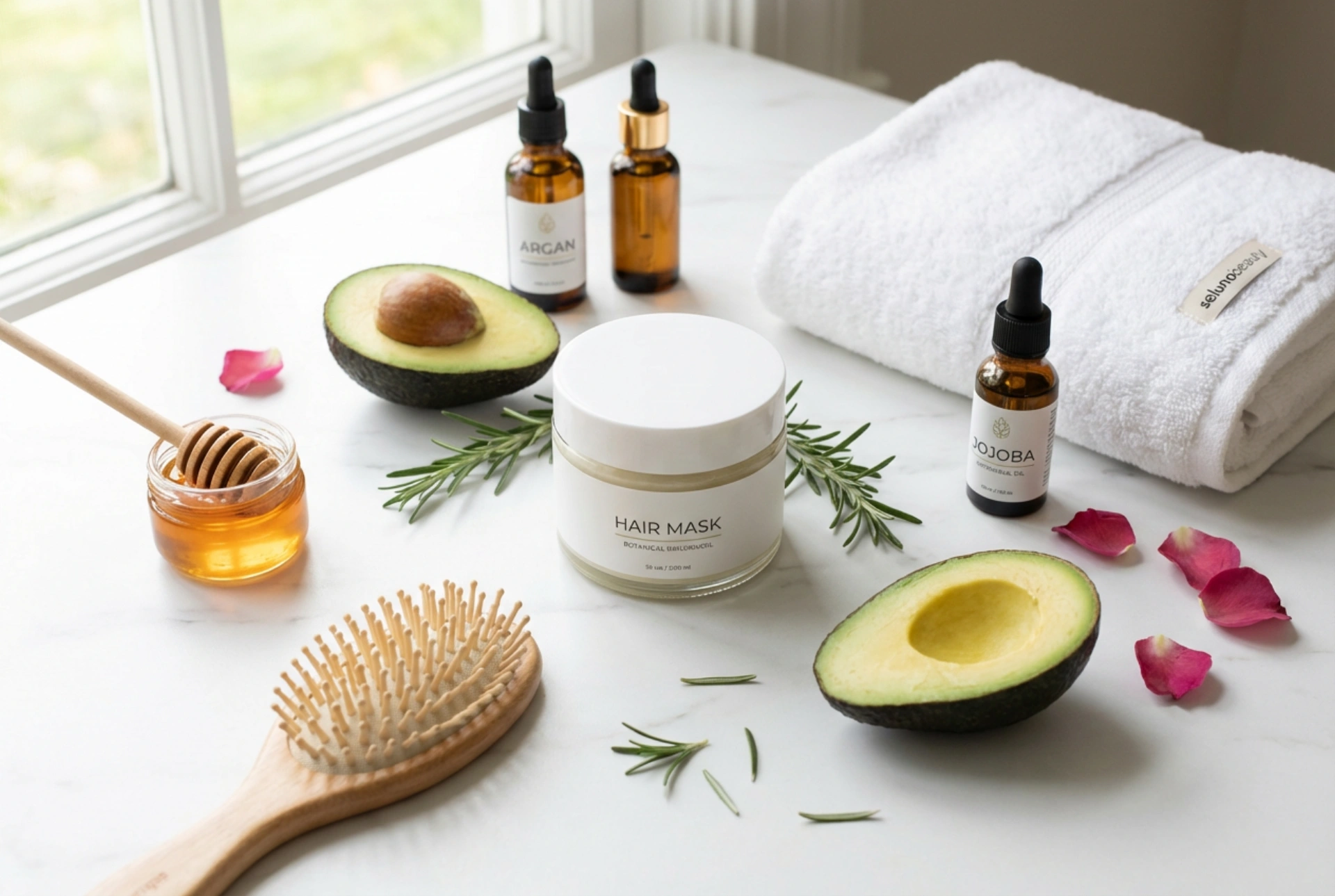


Creating a relaxing beauty ritual at home often begins with selecting the right nourishing treatments for your hair. A quiet afternoon bathed in soft, natural light, surrounded by botanical oils, rich avocados, and golden honey, sets the perfect scene for deep hair care. Incorporating a high-quality hair mask into your weekly routine is one of the most effective ways to restore shine, softness, and vitality to tired strands. Unlike regular conditioners, which primarily work on the surface to ease detangling, hair masks are designed to deliver concentrated nourishment deep within the hair structure, turning a simple washing routine into a luxurious, restorative ritual.
Identifying the Ideal Ingredients for Your Hair Type
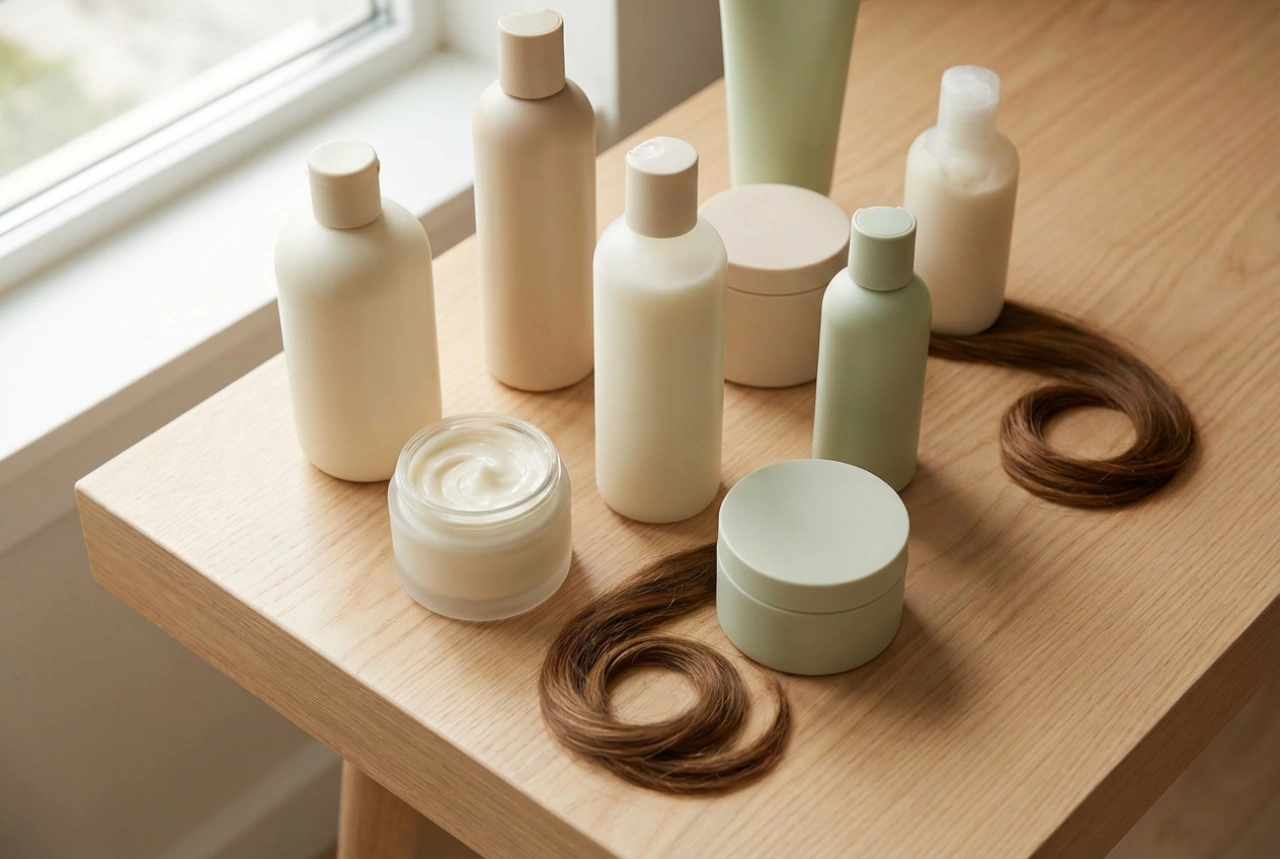
To get the most out of your hair mask, it is essential to understand the balance of ingredients your hair requires. Hair care enthusiasts often refer to the PEH balance, which stands for proteins, emollients, and humectants. Each of these components plays a distinct role in maintaining healthy-looking locks.
Emollients for Smoothness and Shine
Emollients are lipid-based ingredients that coat the hair shaft, sealing in moisture and smoothing down the cuticle. If your hair is dry, frizzy, or prone to tangling, look for masks rich in natural oils and plant-derived butters. Excellent examples include avocado oil, argan oil, shea butter, and sweet almond oil. These ingredients help to recreate a protective barrier, leaving the hair feeling velvety soft and visibly radiant.
Humectants for Essential Hydration
Humectants are water-binding agents that draw moisture from the environment into the hair shaft. If your hair feels rough, straw-like, or lacks elasticity, it is likely craving hydration. Ingredients such as honey, aloe vera, glycerin, and hyaluronic acid are superb humectants. They plump up the hair fibres from within, restoring bounce and natural movement to dehydrated locks.
Proteins for Strength and Structure
Proteins act as temporary patch-repair agents, filling in microscopic gaps along the damaged hair cuticle. Hair that has been exposed to heat styling or mechanical stress often benefits from gentle protein replenishment. Ingredients like hydrolysed wheat protein, silk amino acids, and plant-derived keratin help to fortify the hair structure, improving resilience and reducing breakage. However, moderation is key, as too much protein can make hair feel stiff.
How Often Should You Apply a Hair Mask?
Determining the frequency of your hair mask applications depends heavily on your hair’s texture, thickness, and current condition. There is no one-size-fits-all rule, but establishing a consistent routine yields the best long-term results.
- Dry, coarse, or highly porous hair: This hair type benefits from intensive nourishment. Applying a rich mask once or twice a week helps maintain moisture levels and prevent split ends.
- Fine, flat, or low-porosity hair: Fine hair can easily be weighed down by heavy formulas. For this hair type, a lightweight mask applied once every fortnight is usually sufficient to maintain health without sacrificing volume.
- Normal or balanced hair: If your hair is generally healthy, a weekly mask serves as an excellent preventive treatment to shield strands from environmental stressors and maintain natural shine.
It is important to listen to your hair. If it starts to feel heavy, limp, or greasy, you may be over-masking. Conversely, if it remains dry and difficult to manage, you might need to increase the frequency or switch to a more nourishing formula.
Step-by-Step Application for Maximum Efficacy
The way you apply a hair mask determines how effectively the ingredients can penetrate and work their magic. By following a structured application process, you can elevate the results of your home treatments significantly.
Step 1: Thorough Cleansing
Always begin by washing your hair with a gentle shampoo. Cleansing removes dirt, sebum, and styling product residue, opening up the hair cuticles so they are receptive to the incoming treatment.
Step 2: Removing Excess Water
Before applying the mask, gently squeeze out excess water from your hair using a soft, clean towel. Applying a mask to dripping wet hair dilutes the product, causing it to slip off the hair shaft before it can be absorbed.
Step 3: Precise Application
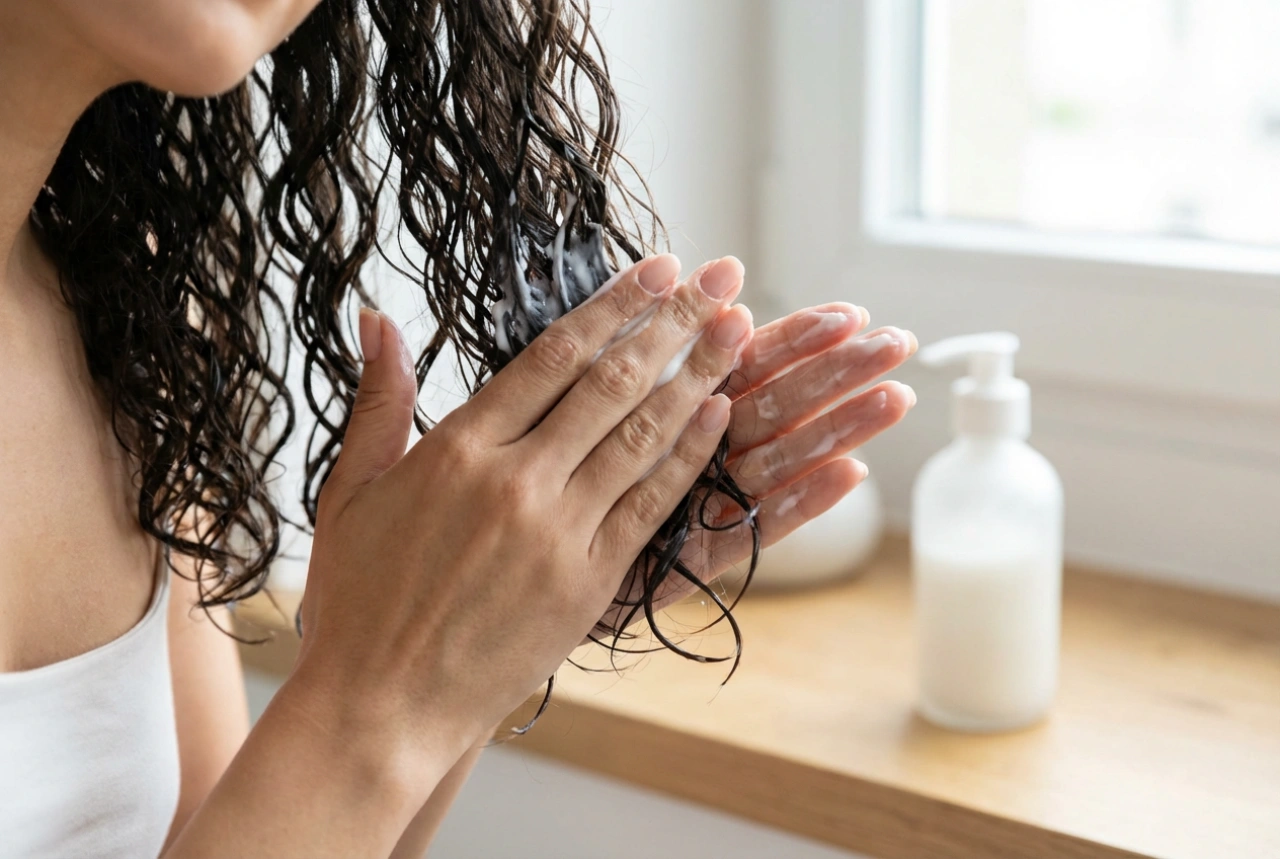
Take a generous amount of the mask and distribute it evenly. For an even more luxurious experience, you can use a soft application brush to paint the mask onto sections of your hair. Focus primarily on the mid-lengths and ends, which are the oldest and most vulnerable parts of the hair. Avoid applying heavy masks directly to the scalp to prevent clogged pores and flatness.
Step 4: Combing and Detangling
Use a wide-tooth comb or your fingers to gently distribute the mask through your hair. This ensures every single strand is coated and helps to untangle any knots without causing mechanical damage to wet, vulnerable hair.
Step 5: The Power of Warmth
Once applied, gather your hair and wrap it in a warm, damp towel. The gentle warmth helps to slightly lift the hair cuticles, allowing the botanical oils and humectants to penetrate deeper. Leave the mask on for the duration recommended on the packaging—typically between 10 to 20 minutes.
Step 6: Cool Rinsing
Rinse the mask thoroughly with lukewarm or cool water. A cooler rinse helps to seal the hair cuticles back down, locking in the active ingredients and leaving the hair surface incredibly smooth and shiny.
Creating a Mindful Hair Care Ritual at Home
Caring for your hair does not have to be a rushed chore; it can be transformed into a calming self-care ritual. Preparing your space with soft towels, lighting a scented candle, and focusing on the tactile sensation of massaging nourishing oils into your strands can promote a sense of overall well-being. By taking the time to select the right ingredients and applying them with intention, you not only improve the physical appearance of your hair but also enjoy a serene moment of relaxation in your busy week.