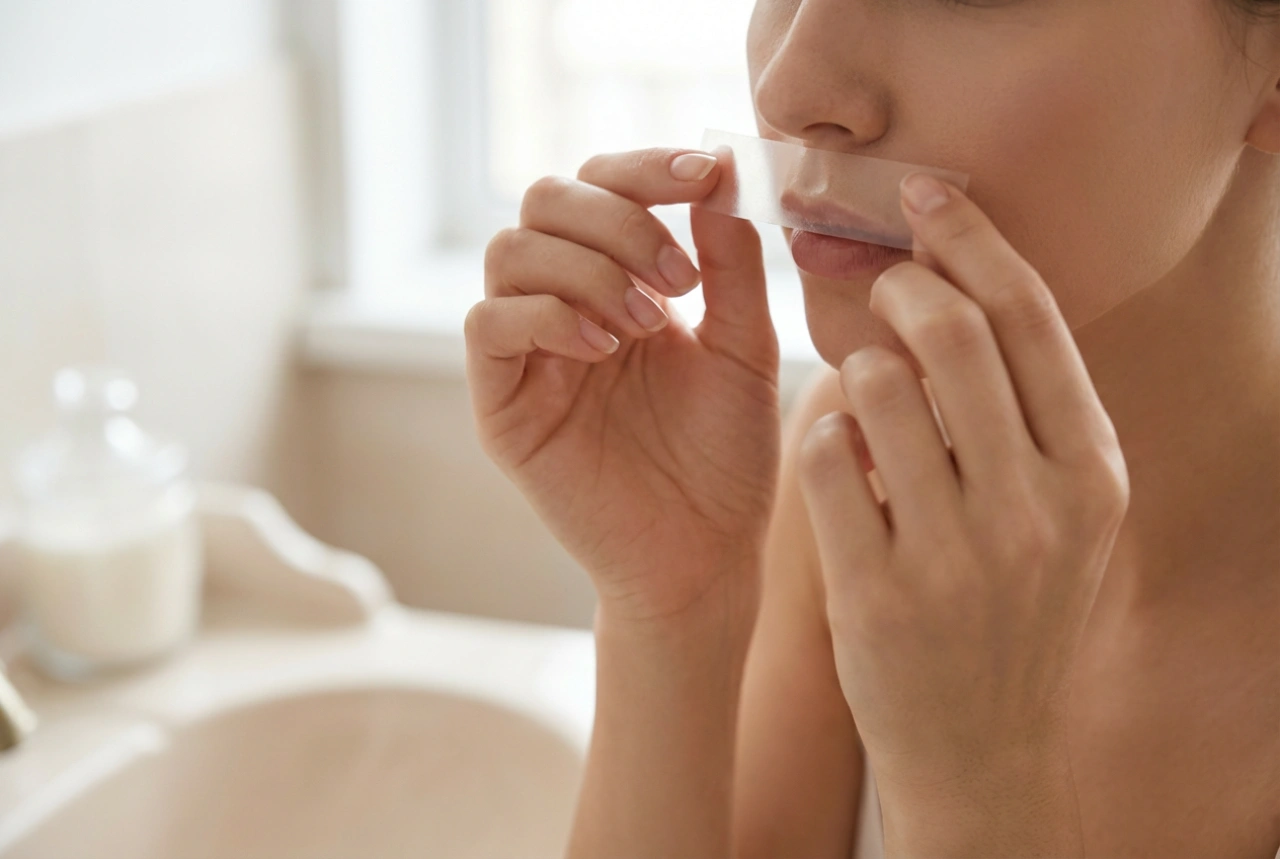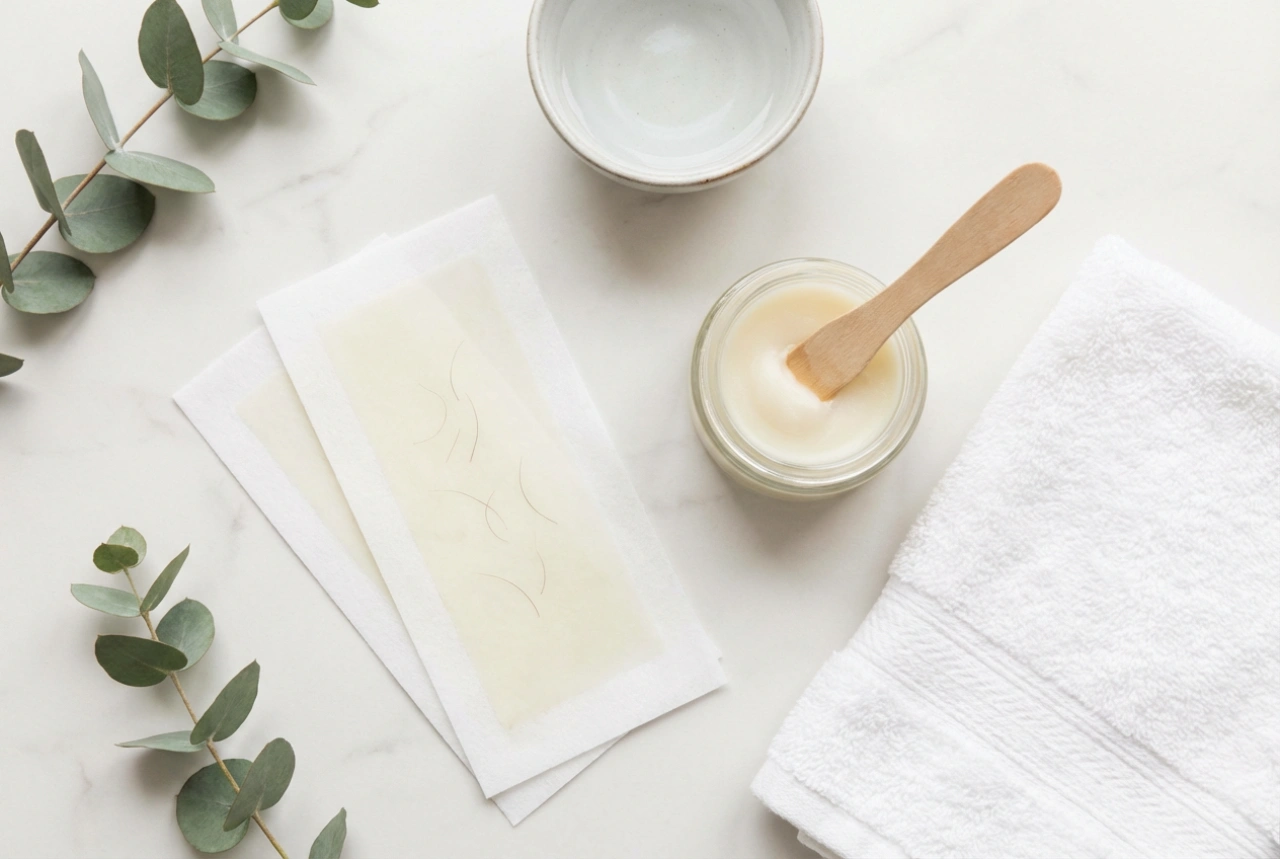


A pristine setup featuring generic waxing strips, a simple spatula, and a nourishing bottle of post-depilation oil on a smooth surface represents the ideal starting point for a successful hair removal ritual. Waxing remains one of the most popular methods for achieving beautifully smooth, radiant skin from the comfort of your home. Unlike shaving, which merely cuts the hair at the surface, waxing removes the hair from the root. This fundamental difference not only provides a longer-lasting feeling of smoothness but also influences how the hair grows back over time. Understanding the mechanics of this process and adopting the right skincare routine can significantly enhance the longevity of your results.
The Science Behind Waxing and Hair Growth
To understand why waxing provides such enduring results, it is essential to look at the biology of hair growth. Hair grows in three distinct phases: the active growth phase (anagen), the transitional phase (catagen), and the resting phase (telogen). At any given time, different hairs on your body are in different phases of this cycle. When you wax, you pull out hairs that are in various stages. The hairs in the active growth phase will take the longest to reappear because the follicle has to reconstruct a brand new hair shaft from the very beginning. This cycle explains why skin feels exceptionally smooth in the first couple of weeks, as it takes time for new hair to emerge from beneath the dermis.
With regular waxing, the hair follicles gradually weaken. Over time, this can lead to finer, softer hair growth, making subsequent sessions much easier and less uncomfortable. However, achieving this semi-permanent refinement requires consistency and a commitment to avoiding shaving between waxing sessions, as shaving resets the hair growth cycle and hardens the hair tips once again.
How Long Do the Results Typically Last?
On average, the smooth results of a waxing session can last anywhere from three to six weeks. However, this timeline is highly individual and depends on several factors, including genetics, hair type, and how frequently you wax. For beginners, the first few sessions might only yield about two to three weeks of complete smoothness. This is because some hairs were just beneath the surface during the waxing process and will emerge shortly after. As you establish a regular waxing routine, the growth cycles synchronise, allowing you to enjoy hair-free skin for up to six weeks.
The area of the body being treated also plays a major role in the longevity of the results:
- Legs and arms: These areas generally enjoy the longest periods of smoothness, often lasting four to six weeks due to slower hair regeneration.
- Underarms and bikini line: Hair in these sensitive areas tends to grow slightly faster, with results typically lasting between three to four weeks.
- Facial hair: Because facial hair is highly influenced by hormonal levels, regrowth can sometimes appear a bit sooner, usually within two to three weeks.
Pre-Waxing Preparation for Maximum Longevity
The journey to long-lasting smoothness begins well before you apply the wax. Proper preparation ensures that the wax adheres perfectly to the hairs rather than the skin, allowing for clean removal from the root without breakage. If hair snaps at the surface instead of being pulled from the root, it will reappear within days, mimicking the quick regrowth of shaving.
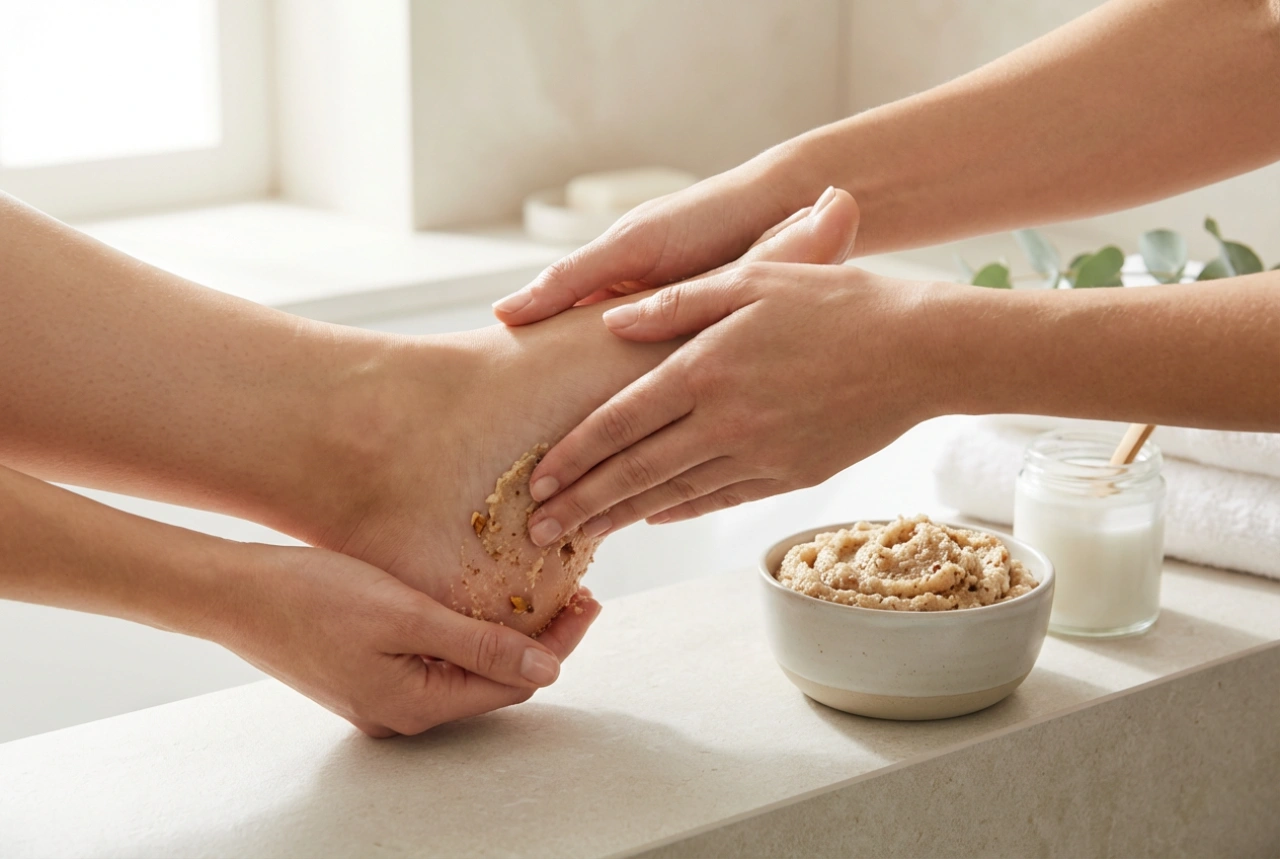
A few days before waxing, gentle exfoliation is highly recommended. Using a mild body scrub or an exfoliating mitt helps remove dead skin cells that might be trapping shorter hairs. This ensures that even the finest hairs are accessible to the wax. On the day of the procedure, the skin should be completely clean, dry, and free of any lotions, body oils, or deodorants, which can create a barrier and prevent the wax from gripping effectively.
Essential Post-Waxing Care to Prolong Smoothness
What you do after waxing is just as important as the preparation. The immediate aftermath requires gentle care to soothe the skin, prevent irritation, and support the hair-retardation process. Using a dedicated post-depilation oil is highly beneficial; it not only helps dissolve any remaining wax residue but also delivers deep hydration and calms the temporary redness that often occurs when hair is lifted from the follicle.
To extend the duration of your results, incorporate these steps into your daily routine:
- Keep skin hydrated: Well-moisturised skin is more elastic, which prevents hair from breaking during future waxing sessions and keeps the surface looking silky and healthy.
- Introduce mild chemical exfoliants: A few days after waxing, start using lotions containing gentle exfoliating agents like salicylic acid or lactic acid. This keeps the hair follicles clear, preventing ingrown hairs and helping new, finer hairs emerge smoothly without getting trapped.
- Incorporate soothing botanical ingredients: Look for lightweight body lotions containing aloe vera, chamomile, or panthenol to maintain a calm and healthy skin barrier.
What to Avoid to Protect Your Results
During the first twenty-four to forty-eight hours post-waxing, the hair follicles remain open and highly vulnerable to irritation. To safeguard your skin and maintain a perfect finish, it is crucial to avoid certain activities. Steer clear of hot baths, saunas, swimming pools, and intense workouts, as excess heat and sweat can clog the open follicles and lead to small bumps.
Additionally, avoid exposing the waxed areas to direct sunlight or UV rays, as the freshly exfoliated skin is highly susceptible to hyperpigmentation. Wearing loose, breathable clothing made from natural fabrics like cotton will prevent friction and allow the skin to breathe, ensuring that your path to long-lasting, radiant smoothness is as comfortable and flawless as possible.