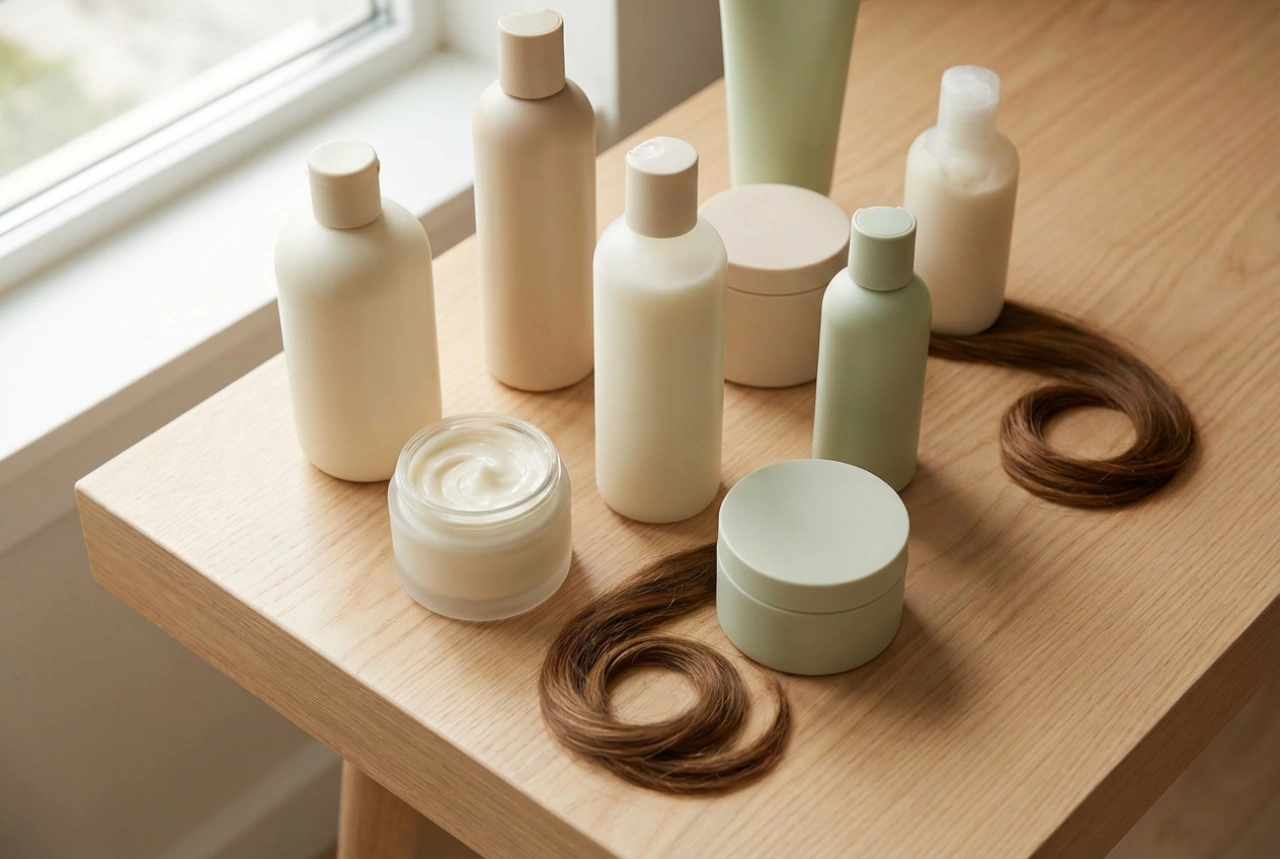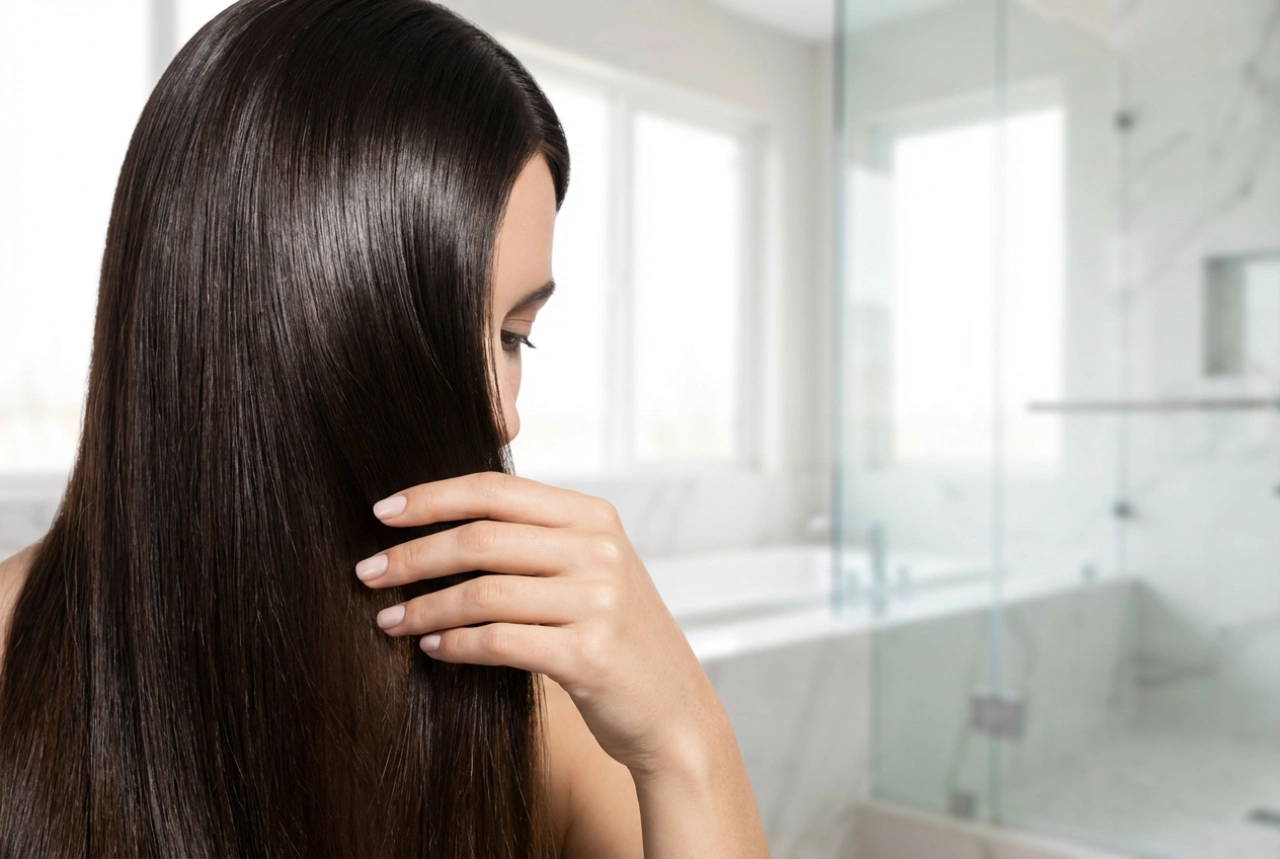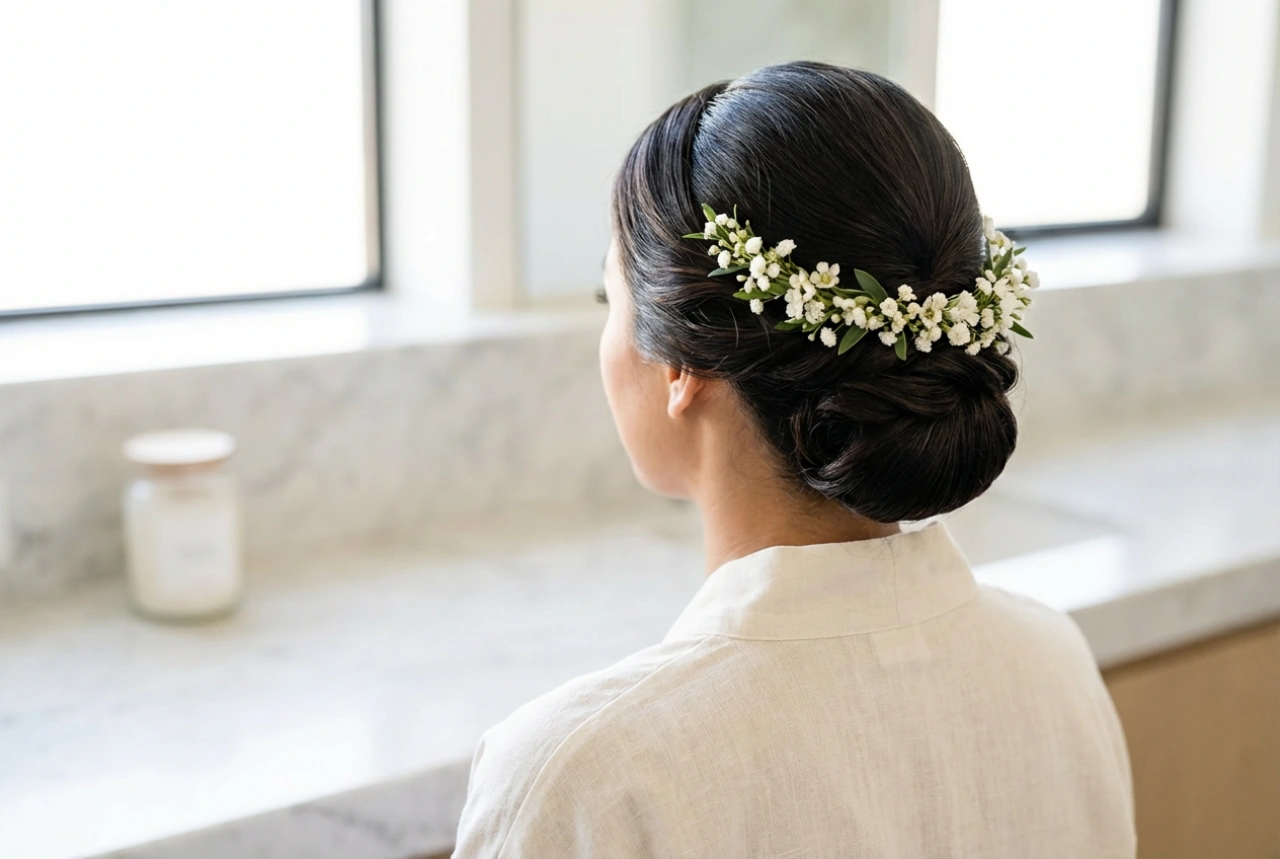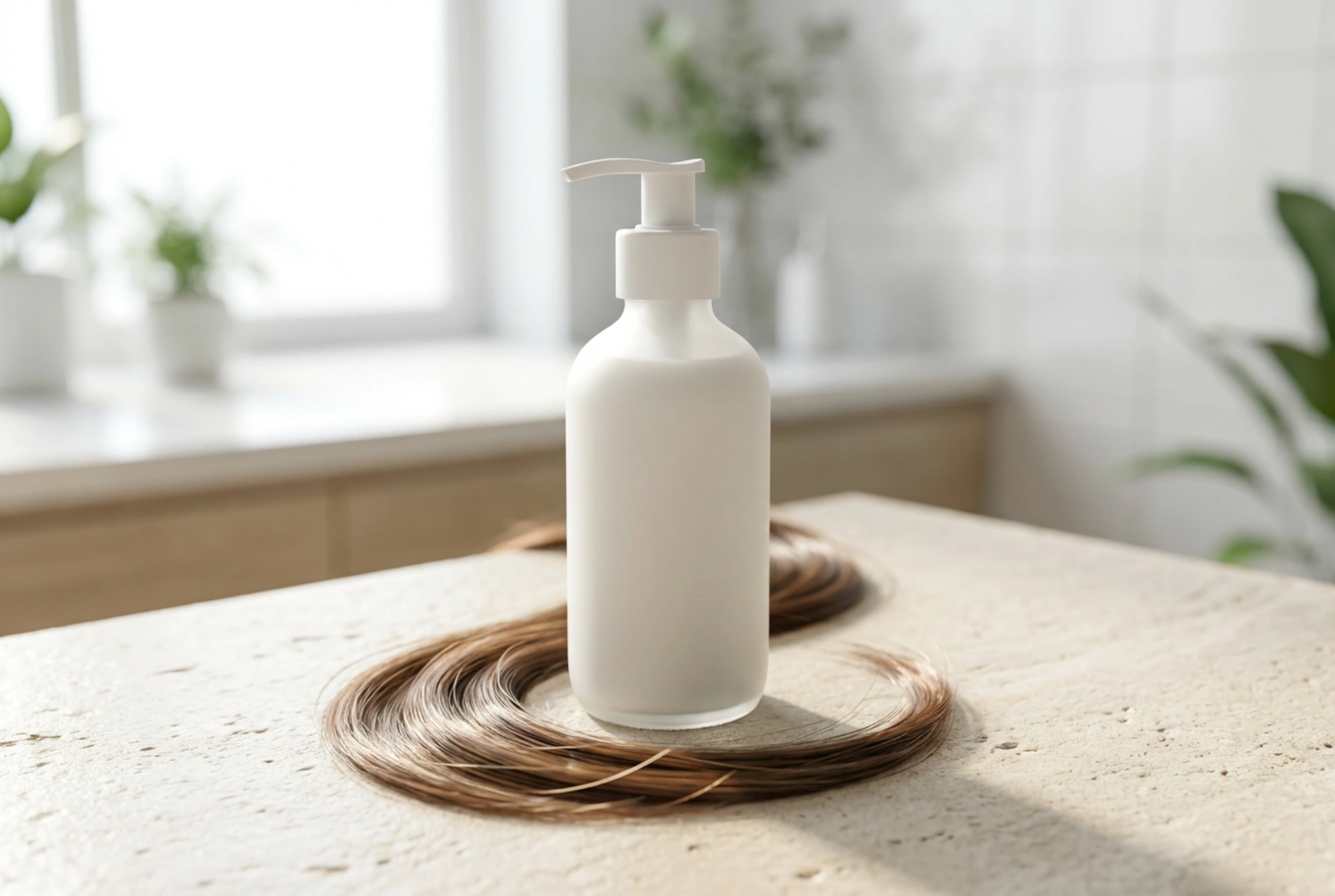


Healthy, glossy hair that catches the light with natural strength is a universal beauty goal. Achieving this luminous look often requires a careful balance of nutrients, with proteins playing a foundational role. Just like a minimalist, elegant bottle of conditioner on a clean dressing table, protein hair products represent a structured, clean approach to hair care. Understanding how and when to introduce these fortifying formulations into your routine is key to transforming dull, limp strands into a resilient, radiant mane.
Understanding the Role of Proteins in Hair Care
Hair is primarily composed of a tough, fibrous protein called keratin. Over time, daily styling, environmental exposure, and routine washing can deplete the hair's natural protein structure, leading to structural gaps. Protein conditioners work by temporarily filling these microscopic gaps in the hair shaft, reinforcing the hair's natural protective barrier.
These formulations typically utilise hydrolysed proteins—such as silk, wheat, soy, or keratin—which have been broken down into smaller molecules. This molecular size allows them to adhere more effectively to the hair surface and slightly penetrate the outer cuticle. The result is an immediate improvement in the hair’s structural integrity, elasticity, and overall resilience against breakage.
How to Tell If Your Hair Needs a Protein Boost
Determining whether your tresses require protein or moisture can sometimes feel like a balancing act. However, there are several distinct signs that point directly to a lack of structural support:
- Loss of Elasticity: If you gently stretch a wet strand of hair and it snaps immediately without bouncing back, or if it stretches excessively and limply loses its shape, your hair likely lacks the structural reinforcement that proteins provide.
- High Porosity: Hair that has been chemically treated, frequently heat-styled, or exposed to harsh weather often becomes highly porous. This means the cuticles are raised, making it easy for moisture to enter but equally easy for it to escape. Proteins help seal these gaps.
- Limp, Lifeless Strands: When hair feels overly soft, mushy, or completely loses its natural wave pattern or volume, it is often experiencing moisture overload. A protein treatment helps restore the necessary stiffness and bounce.
How to Incorporate Protein Conditioners into Your Routine
Using a protein conditioner requires a mindful approach, as overuse can lead to a phenomenon known as protein overload, leaving hair stiff and brittle. To get the best results at home, follow these simple guidelines:
Step 1: Start with a Clean Slate
Begin by washing your hair with a gentle, clarifying shampoo. Removing build-up from styling products and natural oils ensures that the protein molecules can bind effectively to the hair shaft without any barriers.
Step 2: Apply Mindfully
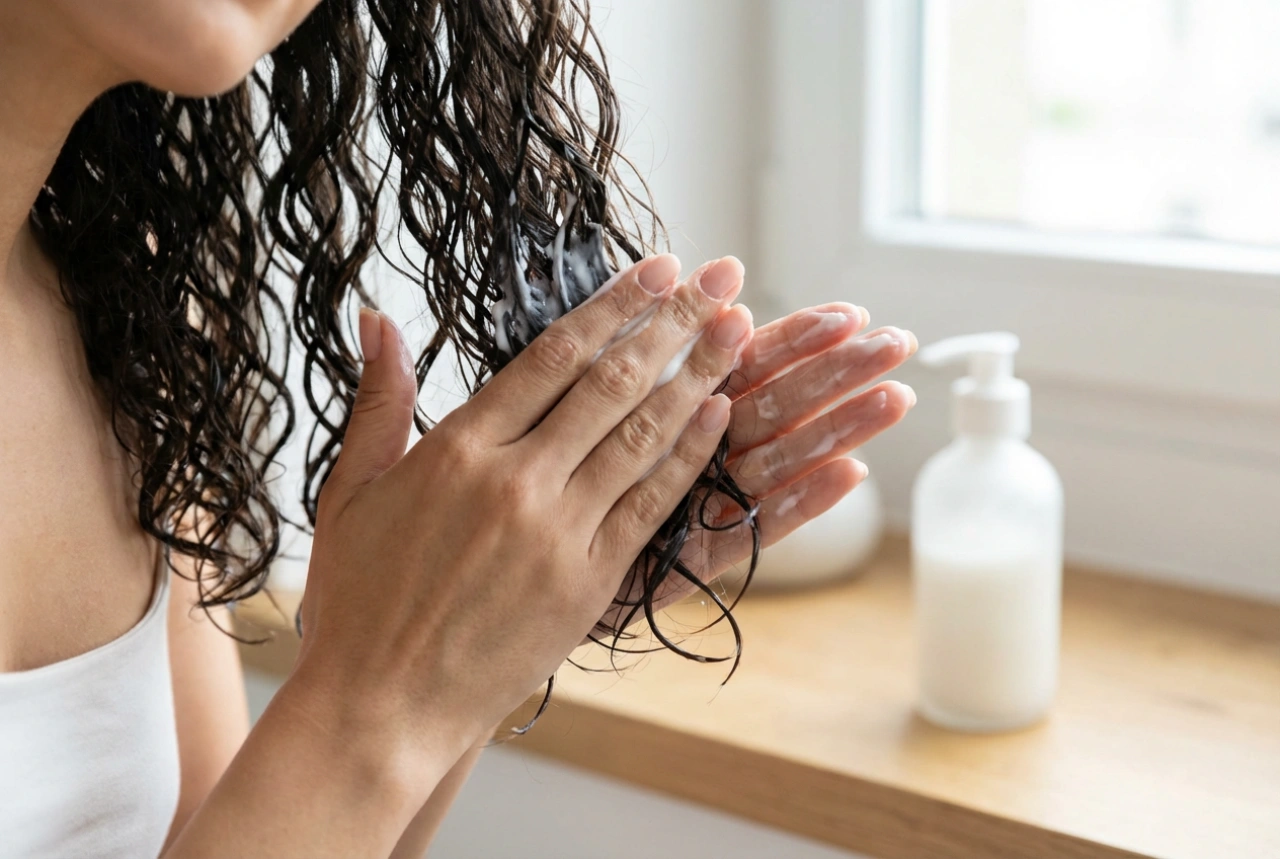
Squeeze excess water from your hair before application. Apply the protein conditioner primarily to the mid-lengths and ends, which are older and typically more damaged than the hair near the roots. Use a wide-tooth comb to distribute the product evenly.
Step 3: Respect the Leave-In Time
Always follow the instructions on the packaging regarding timing. Most daily protein conditioners require only two to five minutes to work, while deep-reconstructing treatments may need up to fifteen minutes. Leaving the product on for longer than recommended will not yield better results and may lead to stiffness.
Step 4: Balance with Moisture
To maintain the perfect harmony of strength and softness, always follow a protein treatment with a hydrating, moisture-rich conditioner or leave-in cream. This ensures your strands remain supple and touchably soft.
Maintaining the Protein-Moisture Balance
The secret to beautiful, glossy hair lies in the delicate equilibrium between protein (which provides strength and structure) and moisture (which provides softness and elasticity). If your hair begins to feel rough, dry, or resembles straw after using a protein product, it is a sign that you have overdone it. In this case, temporarily suspend your protein treatments and focus on intensive hydrating masks until the natural softness returns.
For most hair types, incorporating a mild protein conditioner once a week or every two weeks is sufficient to maintain optimal hair health. Fine or damaged hair may tolerate more frequent applications, while coarse, protein-sensitive hair might only require a treatment once a month.