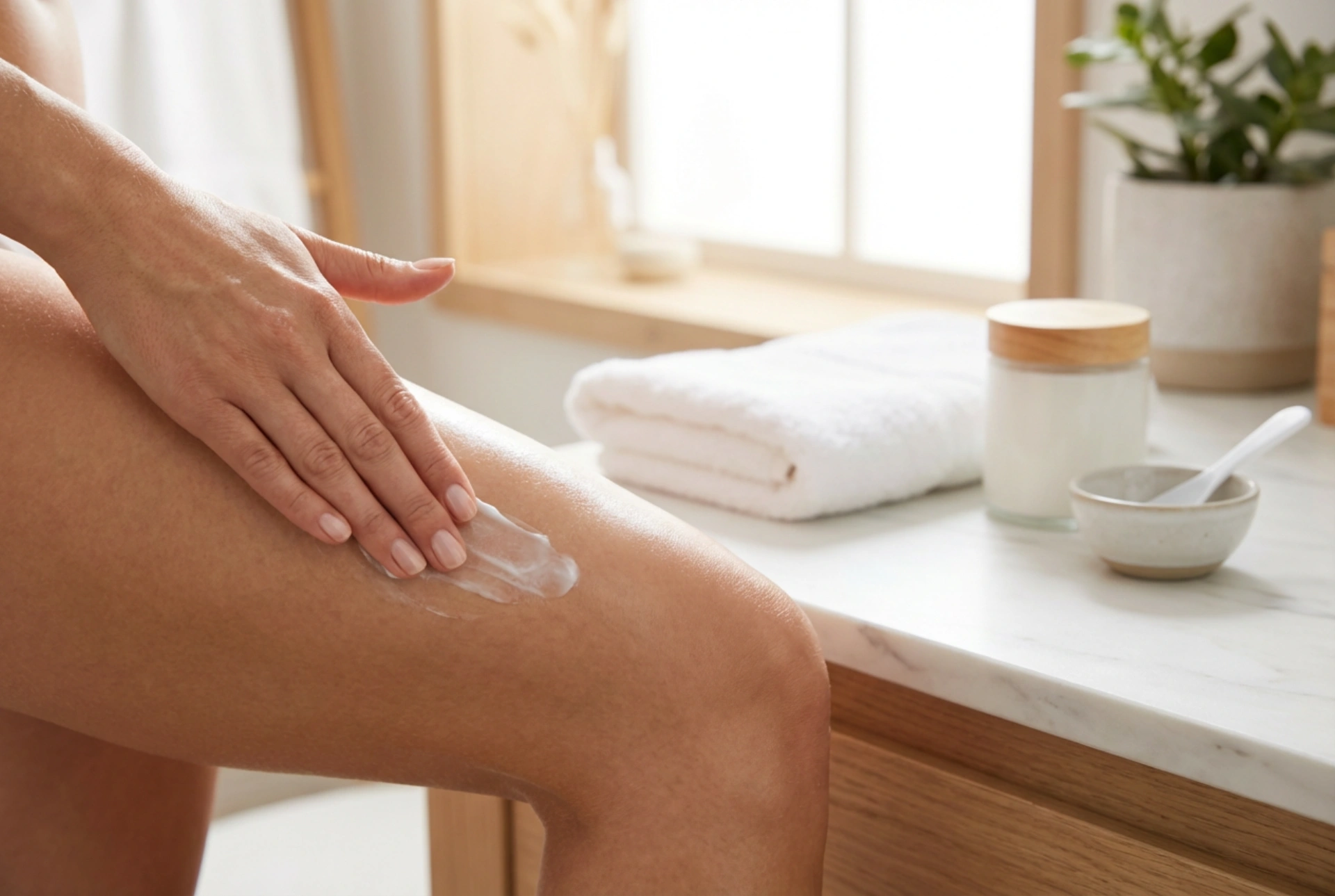


Achieving long-lasting, smooth skin in the bikini area is a core part of many personal care routines. While there are various methods available for home use, epilation remains one of the most effective ways to enjoy weeks of hair-free comfort. Just like the soothing post-care ritual of applying a rich, hydrating lotion to the upper thighs and delicate skin, preparing and executing this process correctly is key to minimising discomfort and maintaining a healthy skin barrier. By understanding the correct techniques, you can transform this seemingly daunting task into a manageable and highly rewarding beauty habit.
Preparing the Skin: The Foundation of Comfortable Epilation
Adequate preparation is the most critical step in ensuring a successful and less painful epilation session. Attempting to epilate dry, unprepared skin can lead to unnecessary irritation, broken hairs, and discomfort. To avoid these issues, it is highly recommended to plan your session after a warm bath or shower. The warm water helps to open the pores, soften the hair follicles, and relax the skin, making the hairs much easier to remove from the root.
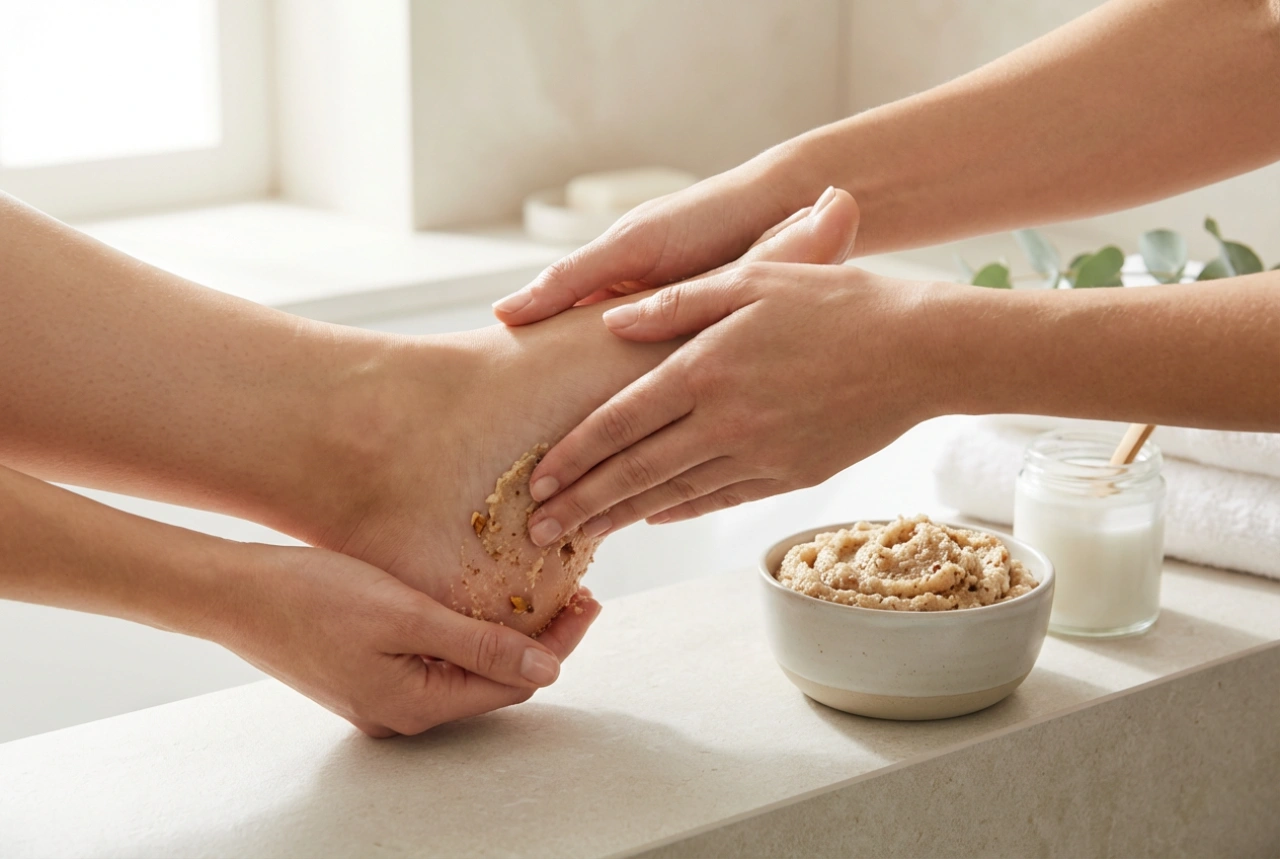
Exfoliation is another indispensable step in the preparatory phase. Gently massaging the bikini area with a mild, non-abrasive body scrub or a soft exfoliating glove 24 hours before epilation removes dead skin cells. This simple action lifts flat-lying hairs and significantly reduces the risk of ingrown hairs post-treatment. Ensure that the skin is completely dry and free from any oils, heavy creams, or deodorants right before you begin, as these substances can prevent the epilator from gripping the hairs effectively.
Lastly, pay attention to the length of the hair. If the hair in the bikini area is too long, the epilation process can be more painful, and the device might cut the hair instead of pulling it out. The ideal hair length for an epilator is between two to five millimetres. If necessary, trim the hair to this length a few days prior to your planned session for optimal results.
The Correct Epilation Technique for the Bikini Area
The bikini line is exceptionally sensitive, meaning that proper technique is essential to prevent pinching and irritation. Unlike shaving, which requires quick strokes, epilation demands a slow, deliberate, and highly precise approach. One of the golden rules of epilation is to always keep the skin taut. Use one hand to firmly stretch the skin in the area you are working on, while using the other hand to guide the device.
Device Angle and Movement
Hold the epilator at a 90-degree angle to your skin. Do not press the device down too hard; let the rotating tweezers gently graze the surface. Pressing too firmly can cause skin grazing and will not improve hair removal. Move the epilator slowly against the direction of hair growth. Moving too quickly will only cause the hairs to break off at the surface rather than being pulled out by the root, which defeats the purpose of the treatment and leads to faster regrowth.
Working in Small Sections
Do not try to epilate the entire area at once. Work in small, controlled sections, starting from the outer edges of the bikini line where the skin is slightly less sensitive, and slowly work your way inward. This allows your skin to gradually adjust to the sensation and helps you maintain control over the device at all times.
Minimising Discomfort During the Process
While the sensation of epilation can be intense, especially during the first few sessions, there are several practical ways to make the experience much more comfortable. Many modern epilators are designed to be used wet or dry. If you have a waterproof device, using it under warm running water or in the bath can significantly ease the discomfort, as the water naturally soothes the skin and provides a gentle distraction.
- Use a cooling glove: Applying a cold compress or a cooling gel pack to the area immediately before and after epilation can temporarily numb the nerve endings.
- Adjust the speed settings: Most epilators offer at least two speed levels. Use the slower speed for highly sensitive areas or when you are just starting out, as this allows for gentler hair extraction.
- Practice deep breathing: Tension can make the skin tighter and more sensitive. Focus on taking slow, deep breaths to relax your muscles throughout the process.
Post-Epilation Care and Skin Regeneration
The care you provide after epilation is just as important as the preparation. Immediately after the session, the skin will likely show some redness or small bumps, which is a completely natural reaction to hair being removed from the root. To calm the skin, gently cleanse the area with cool water to close the pores and remove any loose hairs.
Following this, apply a generous amount of a soothing, alcohol-free moisturiser or lotion, focusing on ingredients known for their calming properties, such as aloe vera, panthenol, or chamomile. This step mimics the comforting spa-like ritual of restoring hydration to the skin, helping to reinforce the natural moisture barrier and promote rapid recovery. Avoid wearing tight synthetic underwear or restrictive clothing immediately after epilation; instead, opt for loose, breathable cotton garments to prevent friction and allow the skin to breathe. Additionally, refrain from hot baths, swimming pools, and intense workouts for at least 24 hours to let the delicate bikini area fully recover.