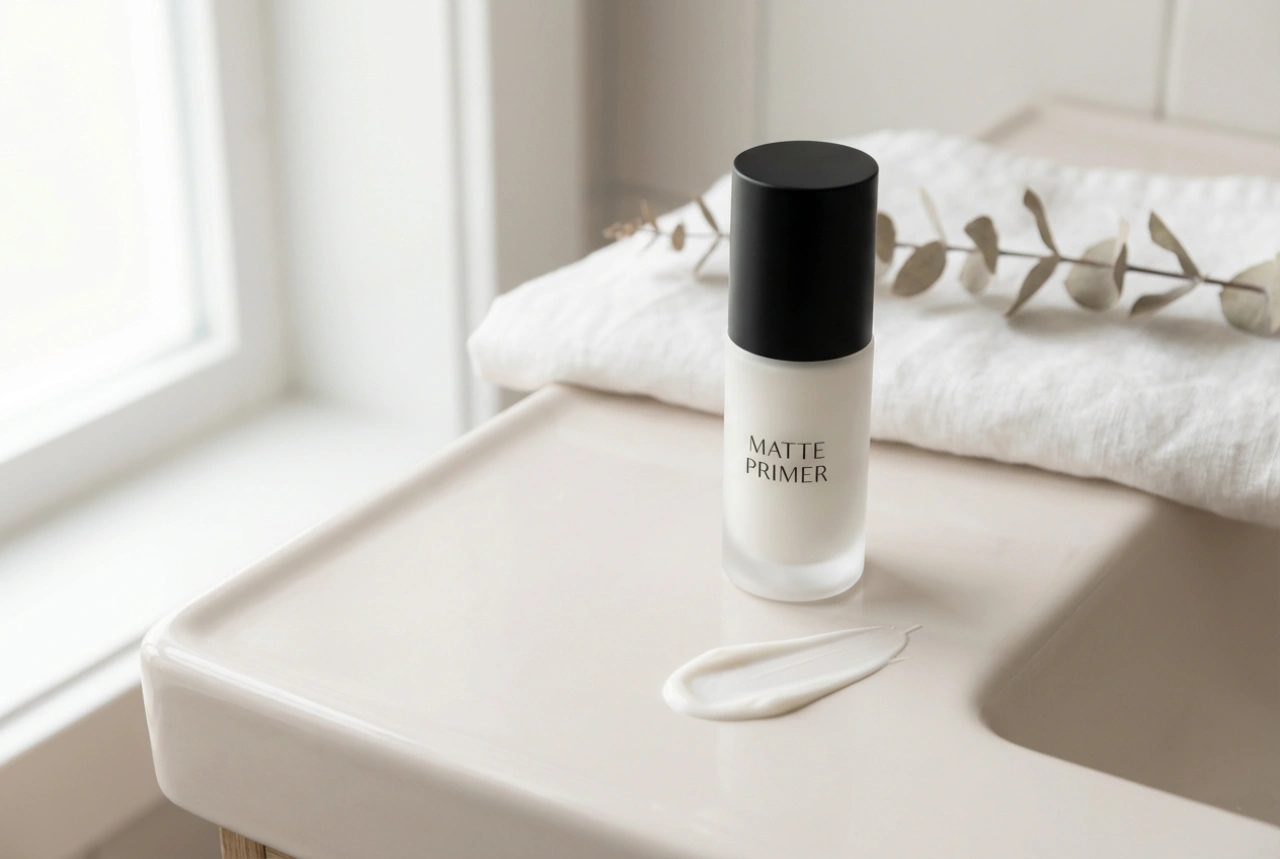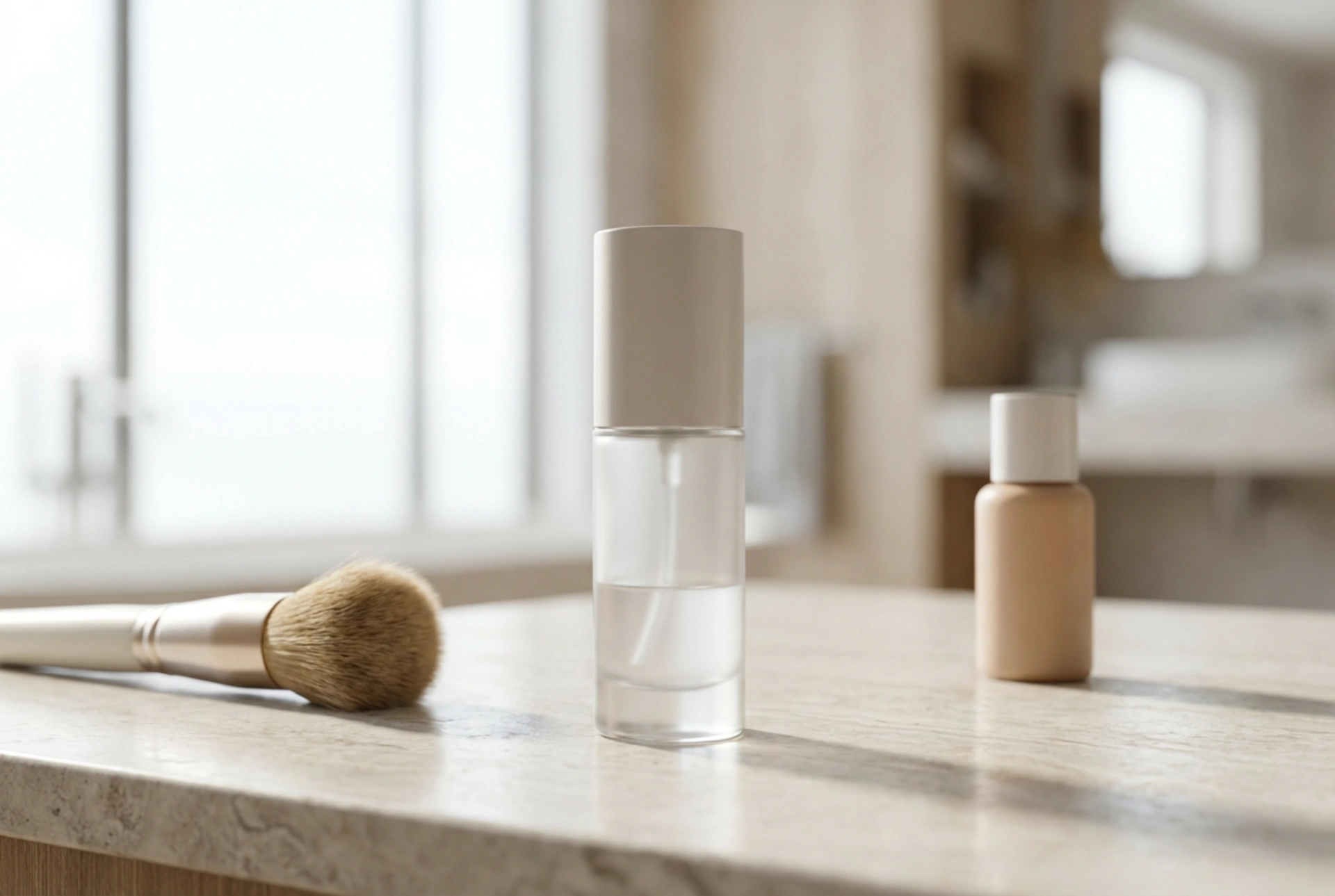


A minimalist dressing table bathed in soft, diffused natural light often features a curated selection of cosmetics. Among these, an elegant, understated bottle of makeup primer frequently holds a prime position next to foundations and brushes. This raises an important question in our daily beauty routines: is a primer a genuine necessity, or is it an optional step that we can comfortably skip? Understanding the delicate balance between skincare and cosmetic preparation is key to achieving a flawless finish without overloading the skin.
The Purpose of a Makeup Primer
At its core, a makeup primer acts as a bridge between your skincare and your makeup. After applying your daily moisturiser and sunscreen, the primer prepares the canvas of your face for the subsequent application of foundation, concealer, or powder. Its primary function is to create an even surface by filling in fine lines, softening the appearance of large pores, and smoothing out rough patches of dry skin.
Additionally, primers are formulated to enhance the longevity of cosmetics. By creating a lightweight barrier between the skin's natural oils and the makeup products, they prevent foundation from sliding, fading, or settling into creases throughout the day. For many, this step represents the secret to a makeup look that remains fresh from morning until evening, regardless of humidity or activity levels.
When Is a Makeup Primer Essential?
There are specific scenarios where omitting a primer can noticeably compromise the quality and durability of your makeup. Recognising these situations helps you decide when to invest those extra few moments in your beauty routine.
- Special Events and Long Days: If you are preparing for a wedding, a professional photoshoot, or a long day at the office followed by an evening out, a primer is indispensable. It ensures that your makeup looks beautiful and withstands hours of wear without requiring constant touch-ups.
- Extreme Weather Conditions: During hot, humid summer months, sweat and excess sebum can quickly dissolve makeup. Conversely, cold winter winds can dehydrate the skin, causing foundation to cling to dry flakes. A suitable primer acts as a protective shield against these environmental challenges.
- Specific Skin Concerns: If you experience excessive oiliness in the T-zone or struggle with particularly dry, textured patches, a targeted primer can balance these areas. It allows the foundation to glide on smoothly rather than settling unevenly.
When Can You Safely Skip the Primer?
Despite its benefits, a primer is not a mandatory step for every single makeup application. In fact, modern beauty trends increasingly lean towards a more streamlined, natural approach where fewer products are used.
If your daily routine consists of a light skin tint, a touch of concealer, and some cream blush for a quick, effortless look, skipping the primer is often the better choice. Overloading the skin with too many layers can sometimes lead to a heavy, unnatural appearance, especially under natural light. Furthermore, if you have a highly effective skincare routine that leaves your skin perfectly hydrated and balanced, your moisturiser may already provide an excellent base for light makeup.
Another factor to consider is the type of foundation you use. Many contemporary foundations are formulated with advanced skincare ingredients, built-in priming properties, and self-setting technologies. In such cases, adding an extra primer layer might be redundant and could even cause the foundation to pill or ball up on the skin's surface.
Choosing the Right Primer for Your Skin Type
If you decide that a primer is necessary for your beauty goals, selecting one that aligns with your specific skin characteristics is crucial. Not all primers are created equal, and using the wrong type can yield counterproductive results.
- Mattifying Primers: Ideal for oily or combination skin types, these formulations contain oil-absorbing ingredients that help control shine throughout the day, particularly in the T-zone, keeping the skin looking velvety.
- Hydrating Primers: Perfect for dry or dehydrated skin, these are often packed with moisture-binding ingredients. They provide an extra layer of hydration, preventing foundation from looking cakey or highlighting dry patches.
- Pore-Smoothing Primers: Designed to target areas with visible texture or enlarged pores, these primers gently fill in uneven surfaces, creating a silky-smooth canvas for a refined, airbrushed finish.
How to Apply Primer for Best Results
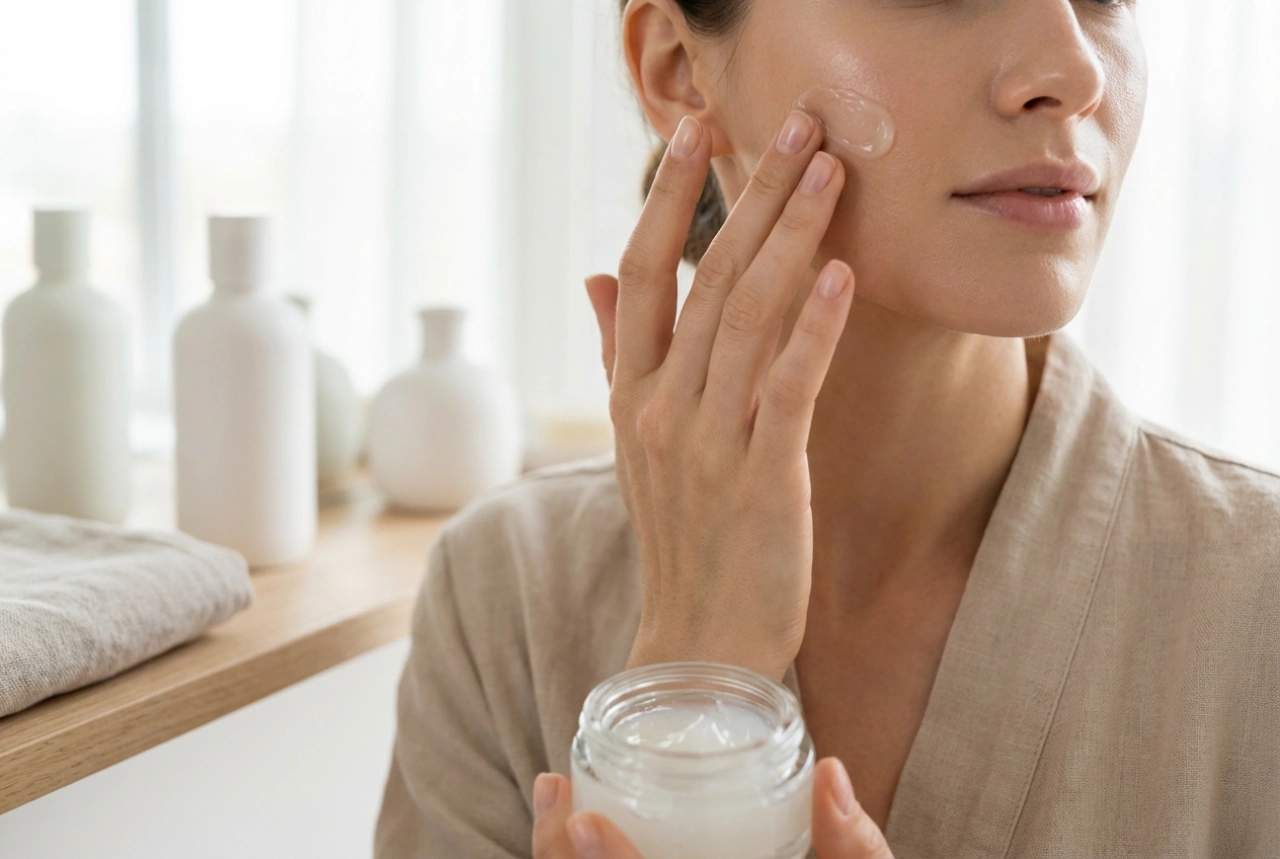
To get the most out of your primer, correct application technique is essential. Always begin with a clean, well-moisturised face. The most common mistake is applying primer immediately after your moisturiser. It is vital to wait a few minutes to allow your skincare products to fully absorb into the skin.
When applying the primer, remember that a small amount goes a long way. Typically, a pea-sized drop is sufficient for the entire face. Focus the application on areas where makeup tends to fade first or where texture is most prominent, such as the nose, forehead, and chin. Use your fingers to gently press and smooth the product into the skin, rather than rubbing it vigorously. This pressing motion helps the primer settle effectively into pores and fine lines. Allow the primer to set for about sixty seconds before applying your foundation to ensure a seamless blend.
Ultimately, deciding whether to use a makeup primer comes down to your personal skin needs, the occasion, and the specific products you choose to pair together. By understanding when to utilise this versatile cosmetic and when to opt for a minimalist approach, you can effortlessly tailor your beauty routine to achieve a fresh, radiant, and comfortable look every day.