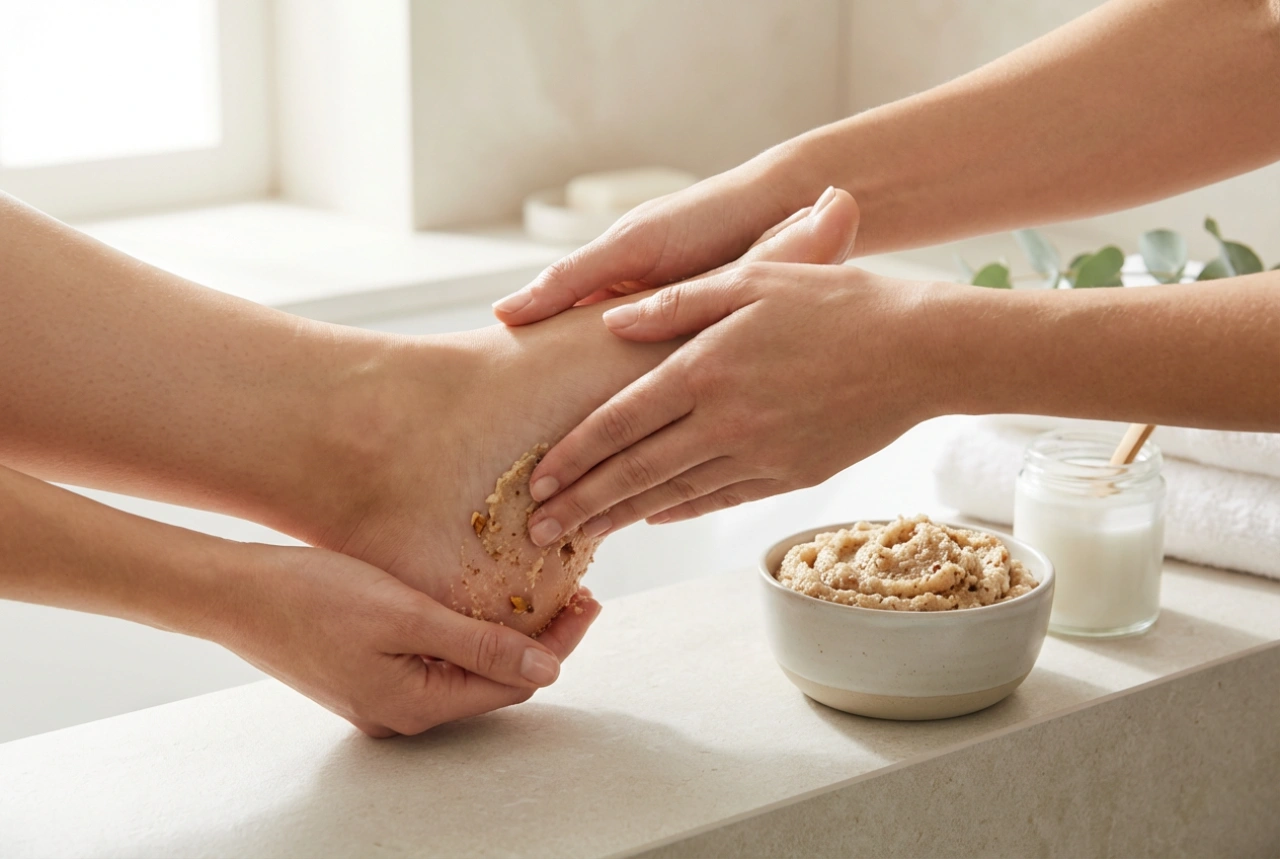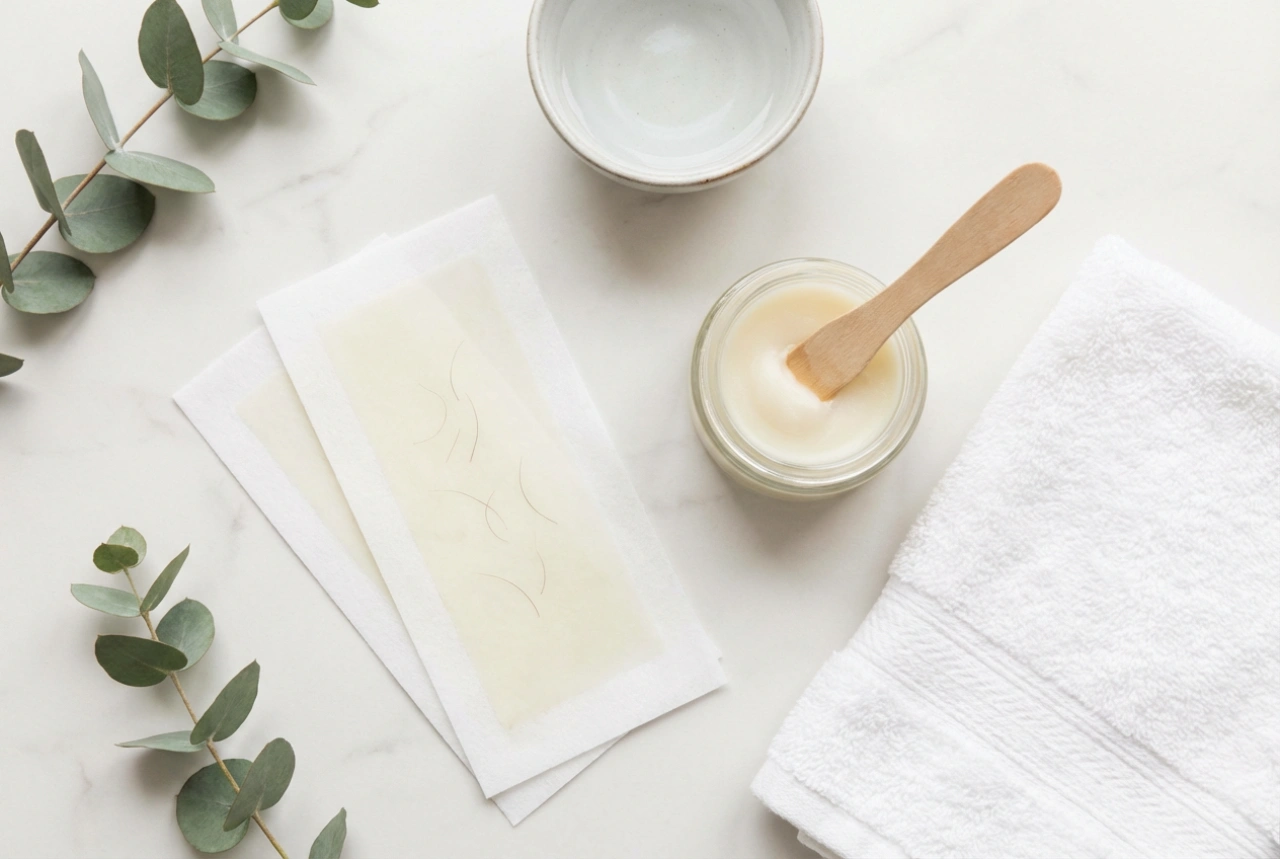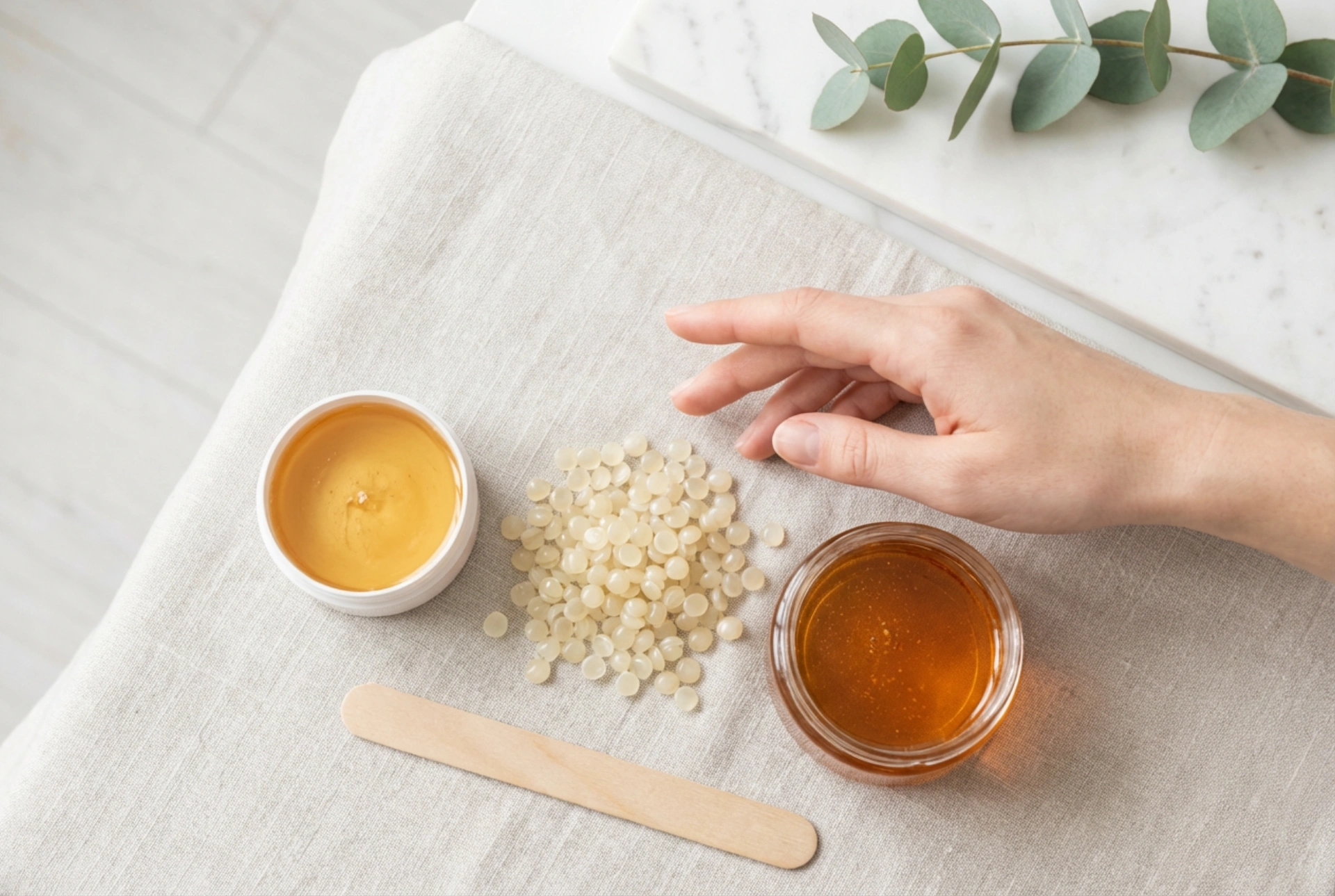


Choosing the right hair removal method is a fundamental part of many personal care routines. When looking at a beautifully arranged selection of depilatory waxes—ranging from soft strip waxes and warm hard wax beads to traditional sugar pastes—it becomes clear that hair removal is not a one-size-fits-all process. Each type of wax has its unique texture, temperature requirement, and interaction with the skin. Selecting the correct product, often applied gently with a wooden spatula, can transform a potentially uncomfortable task into a smooth, efficient, and even pampering home ritual. Achieving salon-worthy results at home relies on understanding how these formulations behave on different areas of the body and matching them to your specific skin needs.
Understanding the Main Types of Depilatory Wax
To make an informed decision, it is essential to explore the primary categories of depilatory products available for home use. Each formulation offers distinct benefits depending on your level of experience and the areas you wish to target.
Soft Wax (Strip Wax)
Soft wax, often referred to as strip wax, is one of the most traditional and widely used options. It is typically warmed in a heater until it reaches a liquid consistency, applied in a thin layer over the skin using a spatula, and removed using paper or fabric strips. This type of wax is exceptionally efficient for covering large surfaces of the body, such as the legs, arms, and back. Because it adheres tightly to both the hair and the outer layer of dead skin cells, it also acts as an intensive physical exfoliant, leaving the skin feeling remarkably smooth.
Hard Wax (Hot Wax Beads)
Hard wax usually comes in the form of small beads that melt into a thick, honey-like consistency. Unlike soft wax, hard wax is applied in a thicker layer and does not require fabric strips for removal. As it cools, the wax shrink-wraps around the individual hairs, hardening into a flexible strip that can be pulled off directly. This mechanism means that the wax adheres almost exclusively to the hair rather than the skin, making it a much gentler option for delicate, sensitive areas such as the underarms, bikini line, and face.
Sugar Paste (Sugaring)
While technically a distinct method, sugaring is often grouped with depilatory waxes due to its similar application. Made from simple, natural ingredients like sugar, water, and lemon juice, sugar paste is used at room temperature or slightly warmed. It is applied against the direction of hair growth and flicked off in the natural direction of growth. This gentle technique reduces hair breakage and minimises skin irritation, making it highly favoured by those with ultra-sensitive skin.
How to Match the Wax to Your Body Area and Skin Type
Selecting the perfect depilatory product requires assessing where you plan to use it and how your skin typically reacts to physical treatments.
For larger, less sensitive areas like the legs and arms, soft wax is highly recommended due to its speed and ability to grab fine hairs efficiently. However, if your skin is prone to dryness or mild irritation, look for soft waxes enriched with soothing oils or honey extracts to protect the skin barrier.
For delicate zones such as the underarms, face, and bikini area, hard wax is generally the superior choice. The thick formula buffers the skin from tension, dramatically reducing discomfort. It is advisable to choose hard wax containing calming ingredients, such as chamomile or azulene, which help reduce temporary redness immediately after application.
Step-by-Step Guide to Safe Home Application
Achieving a smooth finish without irritating the skin requires a methodical approach. Following a structured routine ensures safety and enhances the longevity of the results.
- Preparation: Cleanse the skin thoroughly to remove oils, sweat, and moisturiser. The skin must be completely dry before application. A light dusting of talc-free cosmetic powder can help absorb excess moisture and allow the wax to grip the hair better.
- Temperature Check: Always test the temperature of the warmed wax on the inside of your wrist before applying it to larger areas. It should feel comfortably warm, never hot or burning.
- Application: Using a clean wooden spatula, apply the wax in the direction of hair growth. For soft wax, apply a very thin layer; for hard wax, create a slightly thicker layer with a rounded edge at the end to make lifting easier.
- Removal: Hold the skin taut with one hand. With the other hand, pull the strip or hardened wax quickly in the opposite direction of hair growth, keeping the pull parallel to the skin rather than lifting upwards.
- Soothing Aftercare: Once finished, remove any residual wax with a gentle body oil. Apply a lightweight, fragrance-free lotion or aloe vera gel to calm the skin and restore hydration.
Common Mistakes to Avoid During Home Waxing
Even with high-quality products, minor errors in technique can lead to unsatisfactory results or skin discomfort. Being aware of these pitfalls is key to a successful routine.
- Waxing Too-Short Hair: For the wax to grip effectively, hair should ideally be between two to five millimetres long. If the hair is too short, the wax will not be able to pull it from the root, leading to uneven results.
- Incorrect Pulling Angle: Pulling the wax strip upwards, away from the body, increases tension on the skin and can cause bruising or broken hairs. Always pull parallel and close to the skin surface.
- Applying Wax Over the Same Area Repeatedly: Going over the same patch of skin multiple times in one session can cause significant irritation. If a few hairs remain, it is safer to remove them gently with tweezers rather than re-applying wax.
- Neglecting Post-Depilation Care: The skin is particularly sensitive immediately after hair removal. Avoid tight clothing, hot baths, swimming pools, and intense workouts for at least 24 hours post-waxing to allow the skin to recover fully.