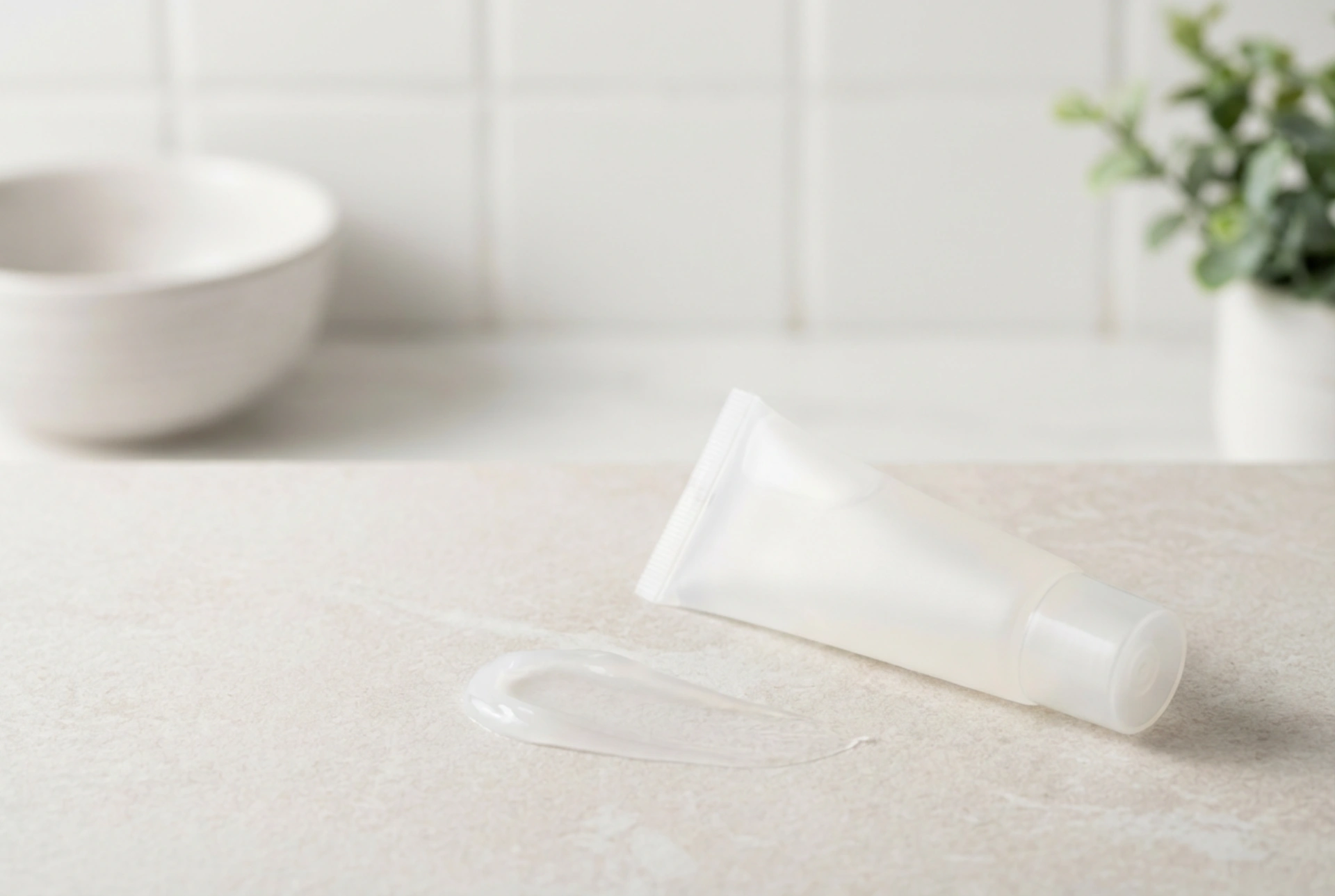


Achieving a smooth, flawless complexion often starts with the perfect preparation. A sleek, minimalist beauty routine relies on the clever use of products that refine the skin's texture without adding heavy, suffocating layers. A translucent silicone primer is a classic staple for creating a silky, soft-focus finish that catches the light beautifully and prepares the face for makeup. Understanding how this product works and how to apply it correctly is the secret to a natural-looking, long-lasting base.
Understanding Silicone Primers and Their Benefits
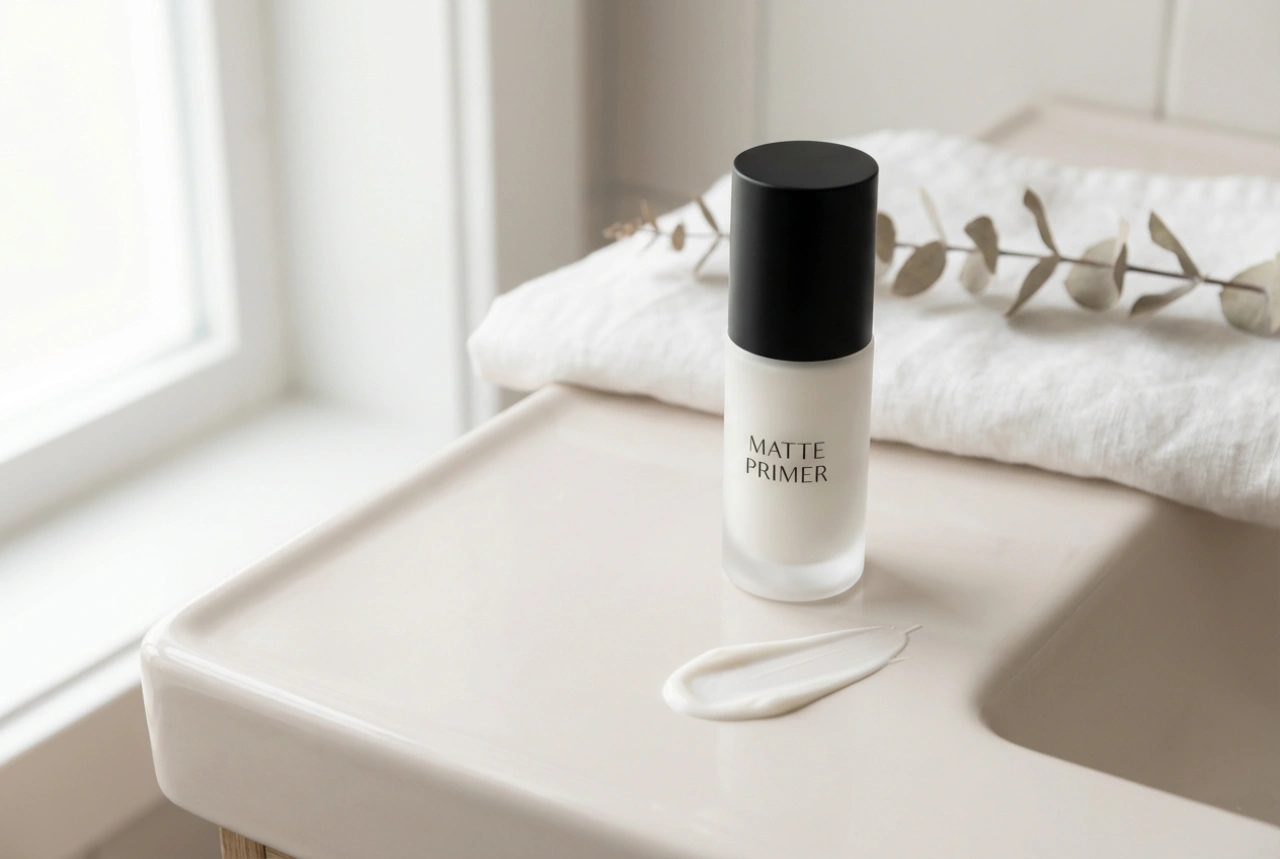
Silicone-based primers are designed to create a micro-thin, breathable barrier between your skin and your makeup. The unique, silky texture fills in fine lines, enlarged pores, and uneven areas, resulting in an incredibly smooth surface. Unlike water-based primers that absorb quickly to hydrate the deeper layers of the epidermis, silicone options sit gently on the surface, acting as a smoothing canvas.
These formulas are highly valued for their ability to control excess oil and prevent makeup from settling into creases throughout the day. By creating a soft barrier, they help lock in moisture while keeping sebum from breaking down your foundation. This makes them an excellent choice for warm weather, special events, or anytime you need your makeup to remain fresh and intact for hours.
When is a Silicone Primer the Right Choice?
While a smoothing primer can benefit many different routines, it is particularly effective under specific circumstances. Knowing when to reach for a silicone-based formula will help you get the best out of your beauty products:
- For uneven skin texture: If you have visible pores or fine lines, silicone excels at blurring these areas, creating a uniform surface.
- For oily and combination skin: The mattifying properties of silicone help regulate shine in the T-zone, keeping makeup looking fresh for longer.
- With silicone-based foundations: To prevent makeup from separating or pilling, it is essential to match your primer with your foundation. If your foundation contains ingredients ending in -cone or -siloxane, a silicone primer is the perfect match.
- For long-wear requirements: When you need your makeup to withstand humidity, heat, or a full day of activities, the barrier properties of silicone provide excellent staying power.
How to Apply a Silicone Primer in a Fine, Even Layer
The most common mistake when using a silicone primer is applying too much product, which can cause foundation to slide off rather than stay put. To achieve that effortless, modern beauty aesthetic, a minimalist approach is essential. Here is a step-by-step guide to flawless application:
1. Prepare the Skin Thoroughly
Always start with a clean, well-moisturised face. Allow your daily moisturiser and sunscreen to absorb completely into the skin for at least five to ten minutes before moving on to primer. If the skin is still damp with skincare, the silicone may not adhere properly.
2. Use a Pea-Sized Amount
A tiny amount of translucent primer is all you need for the entire face. Dispense a small dot onto the back of your hand. Remember, it is much easier to add a tiny bit more to specific areas than to remove excess product once it is on your skin.
3. Pat, Don't Rub
Instead of rubbing the primer into your face like a moisturiser, use your fingertips to gently pat and press the product into the areas where you need it most. Focus on the T-zone, around the nose, and any areas with visible texture. Pressing the product helps it fill in pores and lines more effectively, creating a truly seamless bridge between skin and makeup.
4. Let It Set
Once applied, give the primer a minute or two to set. This allows the formula to bond with the skin and form that signature silky, dry-touch barrier before you apply foundation.
Avoiding Common Application Pitfalls
To ensure your makeup looks natural and fresh, keep a few key tips in mind. Firstly, avoid applying silicone primer to the outer perimeter of your face unless necessary; focus it only on areas that require smoothing or oil control. Secondly, always check the ingredients of your foundation. Pairing a heavy water-based foundation with a silicone primer can cause the products to repel each other, leading to flaking or uneven patches. By keeping your application thin, targeted, and compatible, you can enjoy a beautifully refined, modern makeup base every day.