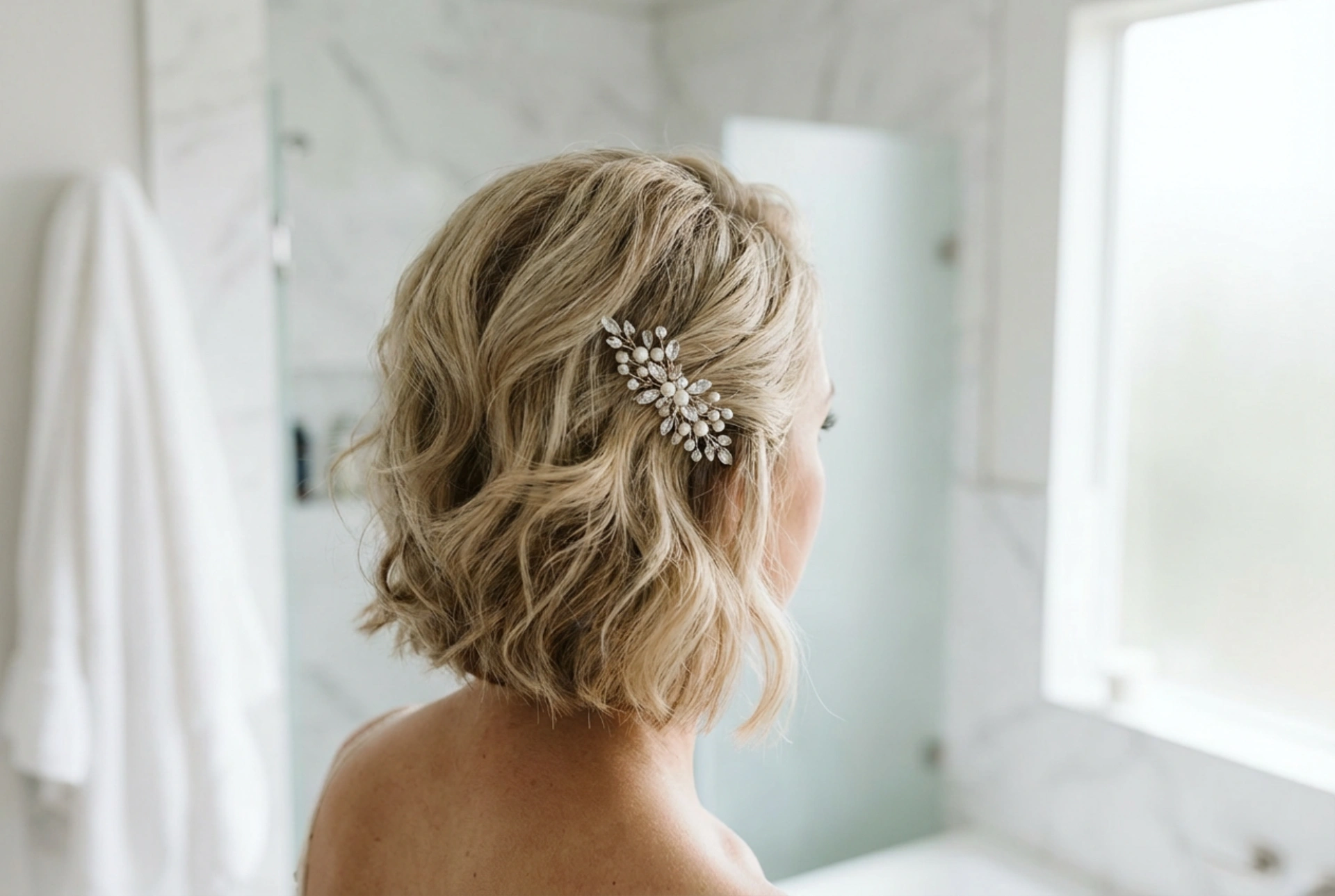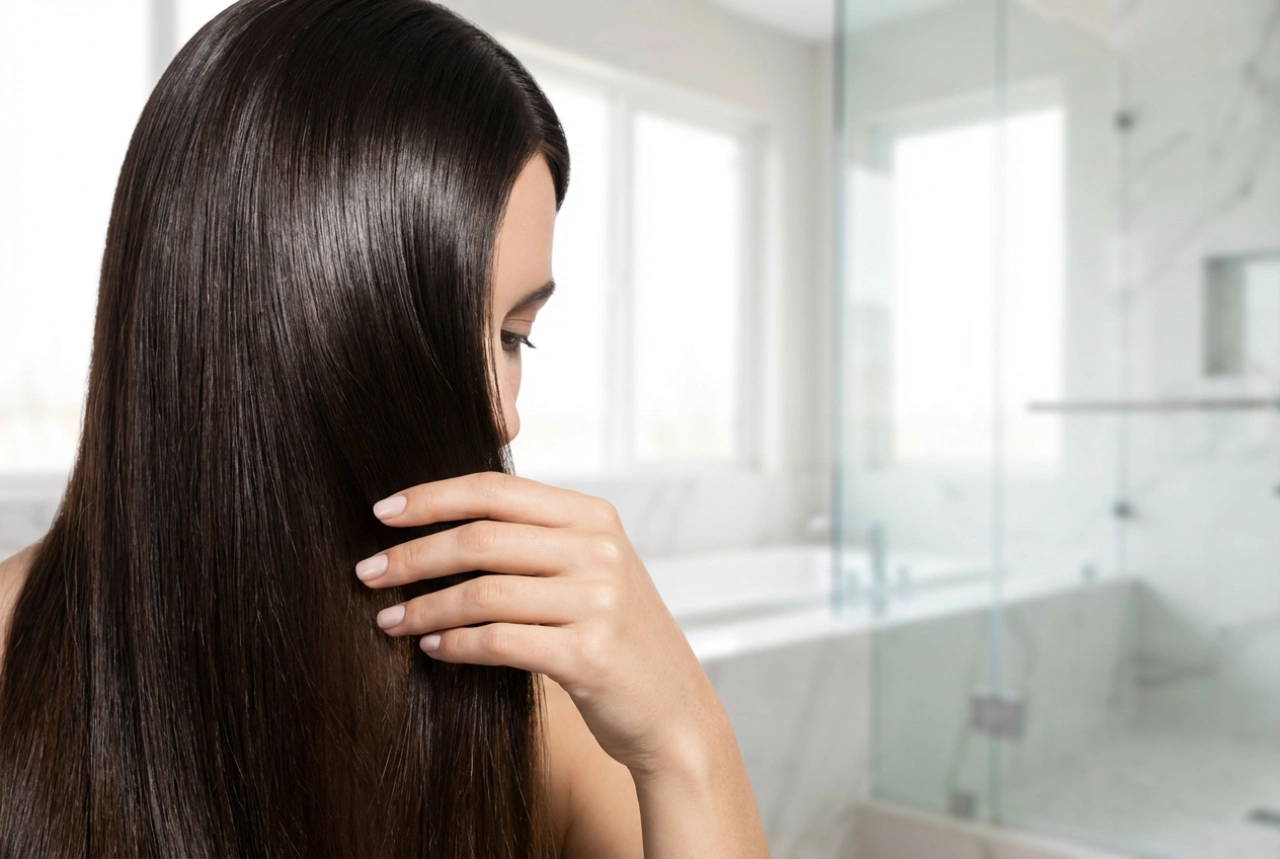


Achieving perfectly smooth, lustrous, and manageable hair is a goal for many, often leading to professional smoothing and straightening treatments. After undergoing a keratin treatment, the hair appears remarkably sleek, reflecting natural light with a brilliant shine. However, the longevity of these beautiful results heavily relies on the daily care routine followed at home. The cornerstone of this routine is choosing the right conditioner. A carefully selected post-treatment conditioner not only maintains the silky texture of the hair but also ensures that the protective barrier established during the process remains intact. Understanding how to care for your hair post-treatment allows you to enjoy smooth, healthy-looking locks for a significantly longer period.
Why Post-Treatment Care is Essential for Keratin-Treated Hair
During a keratin straightening treatment, the hair structure is temporarily aligned and sealed, creating a smooth surface that resists humidity and frizz. While the initial results are stunning, the external layer of the hair requires gentle preservation to prevent the infused proteins from washing out prematurely. Regular hair care products often contain strong cleansing agents and heavy additives that can strip this protective layer, leading to a rapid loss of smoothness and shine.
Using a conditioner designed to align with the treatment is vital. This type of formulation works in harmony with the hair's altered structure, providing lightweight hydration without breaking down the bonds that keep the hair straight. By supplying the hair fibers with essential moisture and mild nutrients, a suitable conditioner helps to keep the cuticles flat, thereby sealing in the beneficial elements of the treatment and defending against daily environmental stressors.
Key Beneficial Ingredients in Post-Keratin Conditioners
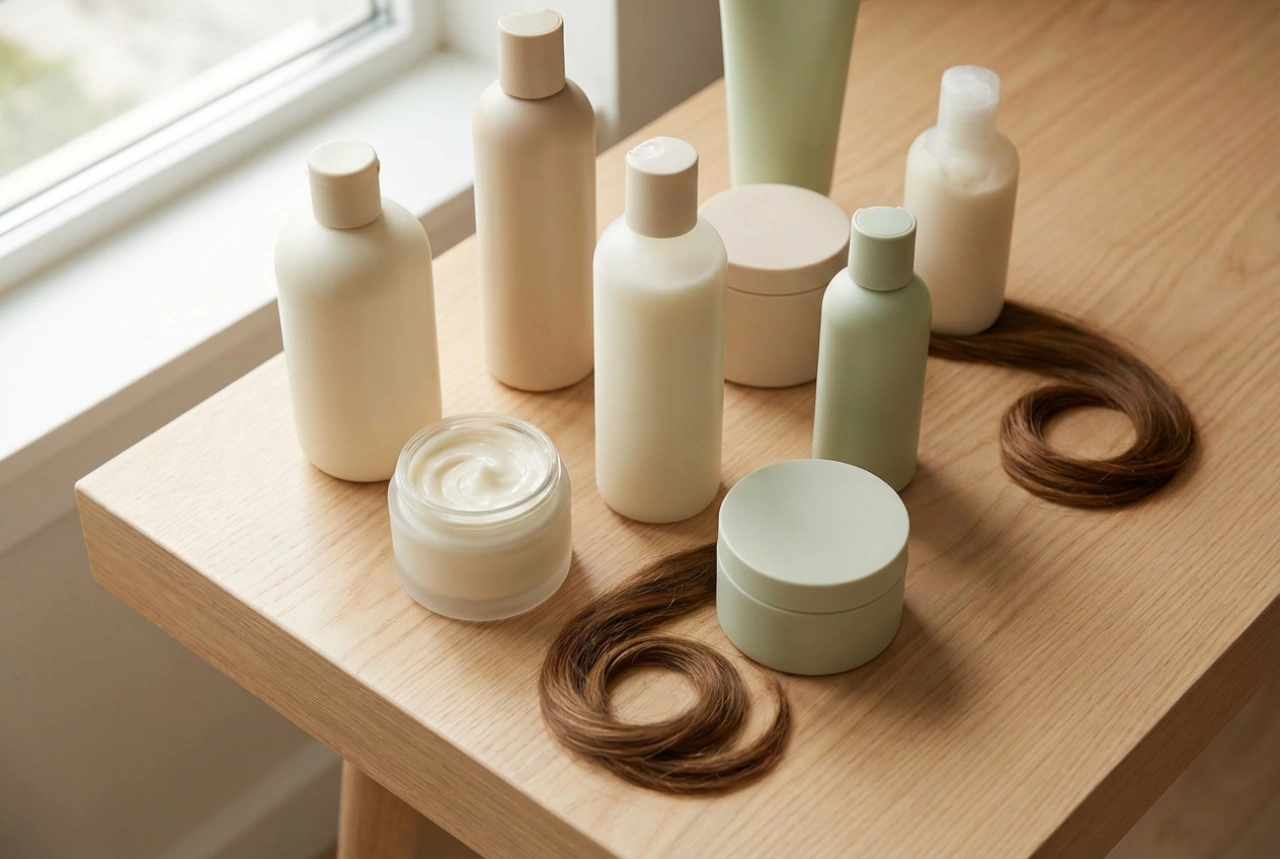
When selecting a conditioner to maintain your straightened hair, it is important to read the ingredient labels carefully. The goal is to nourish, hydrate, and protect the hair without causing buildup. Look for the following beneficial components:
- Hydrolysed Wheat or Silk Proteins: These micro-proteins are small enough to penetrate the hair shaft, helping to patch up any microscopic gaps in the hair cuticle and reinforcing the hair's natural strength.
- Natural Oils: Lightweight botanical oils such as argan oil, jojoba oil, or sweet almond oil offer exceptional moisture. They soften the hair strands and add a natural-looking gloss without weighing the hair down.
- Amino Acids: As the fundamental building blocks of hair, amino acids help to maintain elasticity and prevent breakage, keeping the ends looking fresh and healthy.
- Panthenol (Pro-Vitamin B5): This humectant draws moisture from the air into the hair shaft, ensuring long-lasting hydration and improving the overall texture of the hair.
These ingredients work synergistically to mimic the natural composition of healthy hair, ensuring that every time you wash and condition your hair, you are actively supporting the integrity of the smoothing treatment.
Ingredients to Avoid After a Straightening Treatment
Just as important as knowing what ingredients to embrace is knowing which ones to avoid. Certain common cosmetic ingredients can compromise the results of your treatment, leading to frizz and premature reversion to your hair's natural texture.
- Sulfates: Commonly found in cleansing products, harsh sulfates can dry out the hair and strip away the keratin coating very quickly. Always opt for sulfate-free formulations.
- Sodium Chloride: Often used as a thickening agent in cosmetics, sodium chloride (salt) can dissolve the keratin treatment, undoing the sleek results. It is highly recommended to choose salt-free conditioners and shampoos.
- Heavy Silicones: While some silicones provide temporary slip, non-soluble silicones can build up on the hair over time. This buildup prevents moisture from penetrating the hair shaft, ultimately leading to dry, brittle strands.
By steering clear of these harsh ingredients, you protect your investment and maintain the fluid, lightweight movement of your hair.
The Correct Way to Apply Your Post-Treatment Conditioner
To maximize the benefits of your conditioner, the application method is just as important as the product itself. Proper technique ensures even distribution and optimal absorption of the nourishing ingredients.
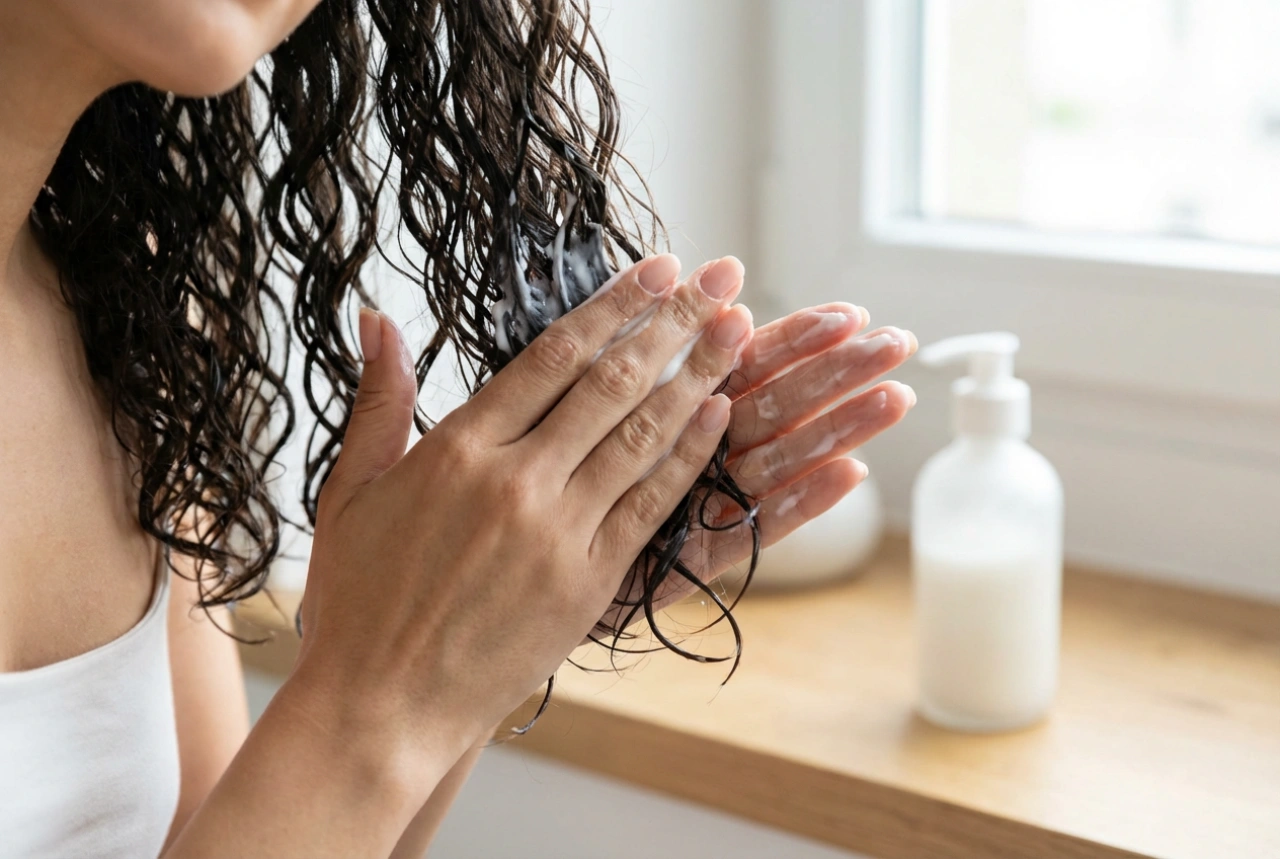
First, after shampooing with a gentle, sulfate-free formula, ensure you thoroughly rinse all residue from your hair. Before applying the conditioner, gently squeeze out excess water from your locks. Excess water acts as a barrier, preventing the conditioning agents from deeply penetrating the hair fibers. Once the hair is damp rather than soaking wet, dispense a moderate amount of conditioner into your palms.
Apply the product starting from the mid-lengths down to the very ends, which are typically the oldest and driest parts of the hair. Avoid applying the conditioner directly to the scalp, as this can cause the roots to look flat and oily. Use your fingers or a wide-tooth comb to gently detangle the hair and distribute the product evenly. Leave the conditioner on for three to five minutes, allowing the nutrients to bond with the hair strands. Finally, rinse thoroughly with lukewarm or cool water, which helps to close the hair cuticles, locking in moisture and enhancing natural shine.
Daily Practices to Enhance and Prolong Hair Smoothness
In addition to using the correct conditioner, incorporating a few simple habits into your daily routine can significantly extend the lifespan of your smooth, lustrous hair. How you handle your hair when it is wet and how you protect it during sleep play crucial roles in maintaining its pristine condition.
After washing, avoid rubbing your hair vigorously with a traditional cotton towel, as the friction can roughen the hair cuticle and encourage frizz. Instead, use a soft microfiber towel or a clean cotton t-shirt to gently blot and squeeze out moisture. When detangling wet hair, always use a wide-tooth comb or a brush designed specifically for wet hair, starting from the ends and working your way up to minimize tension and breakage.
Furthermore, protecting your hair overnight can make a remarkable difference. Sleeping on a silk or satin pillowcase reduces friction against the hair strands, preventing tangles and preserving the smooth texture. By combining a dedicated post-treatment conditioner with gentle daily handling, you can enjoy beautifully sleek, healthy-looking, and manageable hair for months to come.