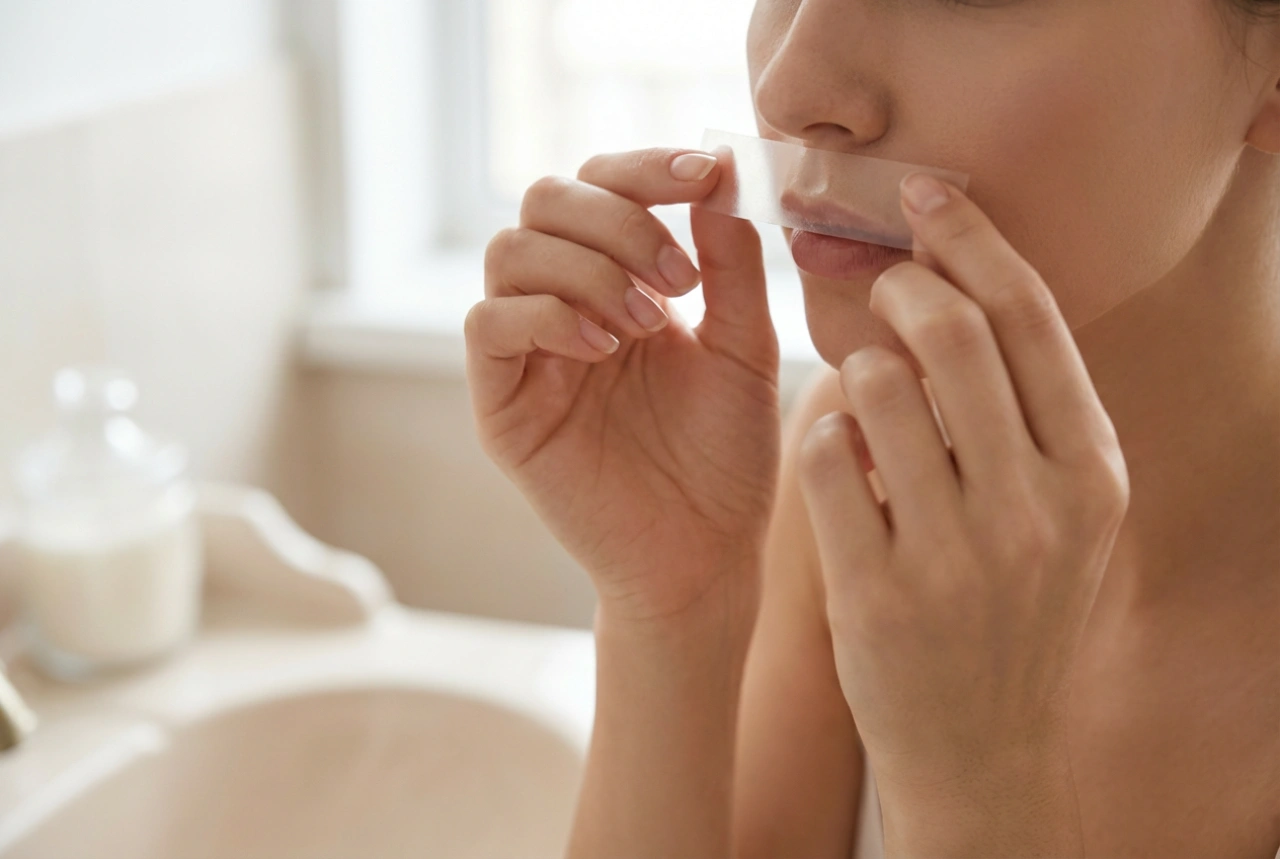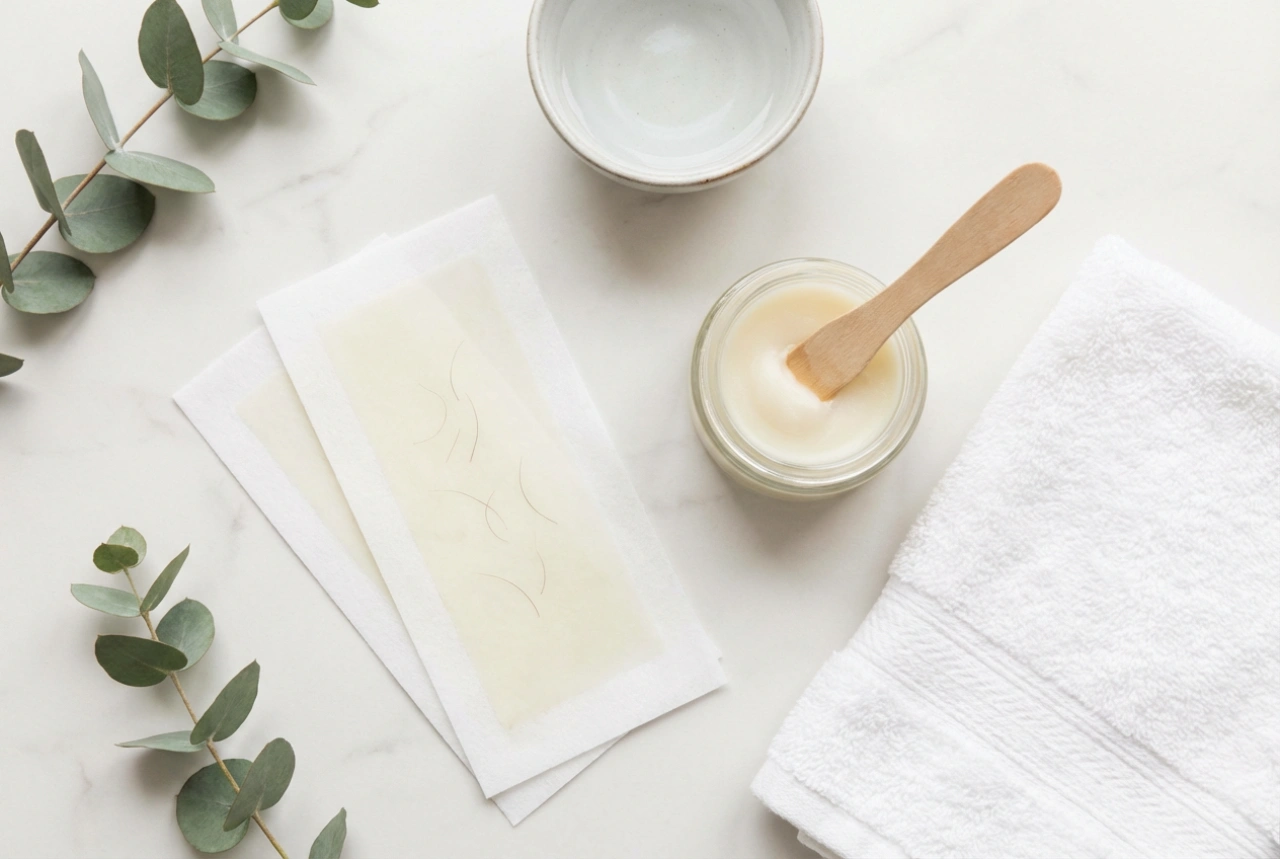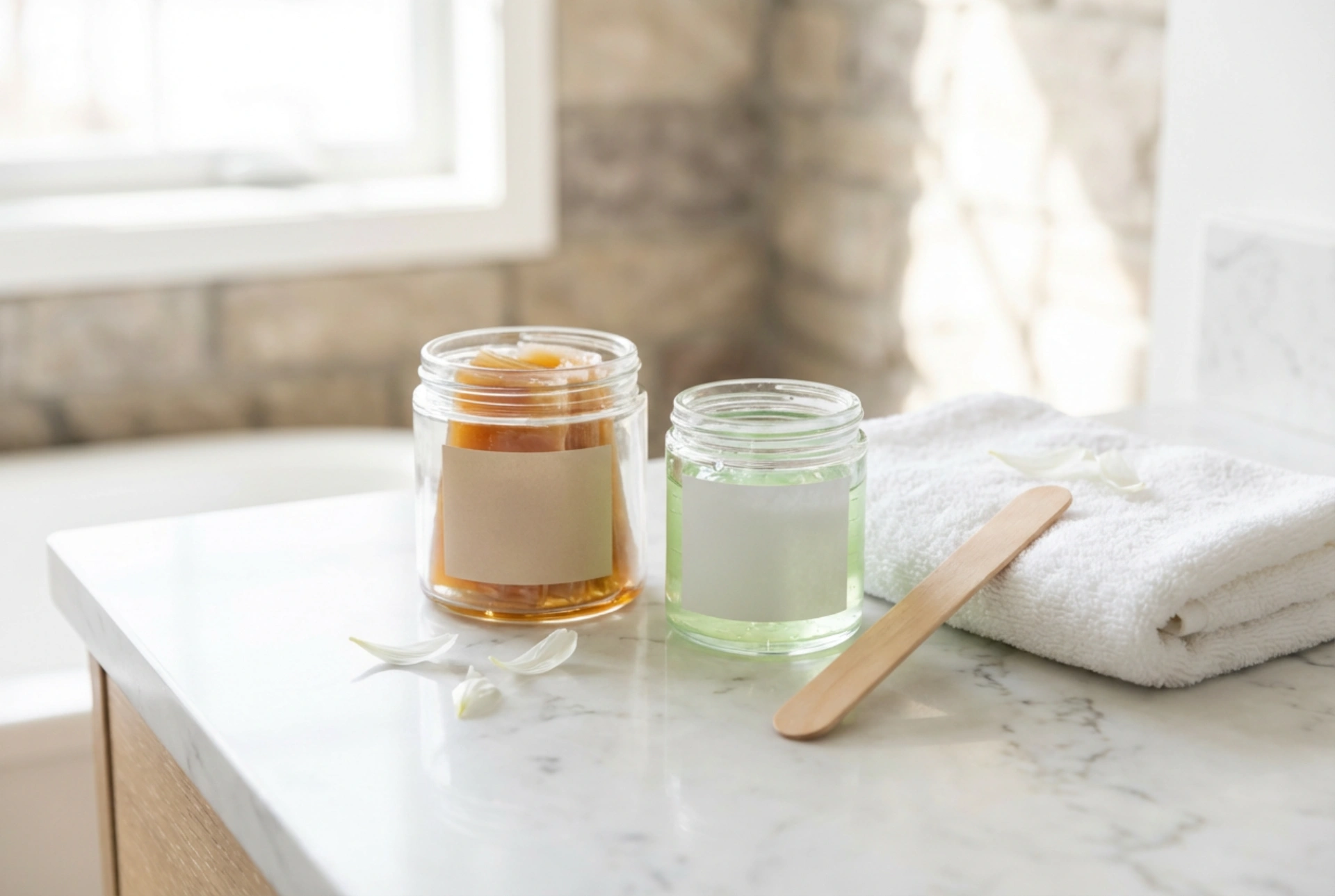


Creating a serene and private at-home beauty ritual can transform a routine cosmetic task into a comfortable, self-care experience. An elegant setup with a clean counter, soft folded towels, gentle hair removal wax strips, a wooden spatula, and a cooling aloe vera gel provides the perfect environment for a successful deep bikini hair removal session. Taking care of this delicate area at home requires patience, the right technique, and proper preparation to ensure smooth results without unnecessary skin irritation.
Preparing the Skin for Deep Bikini Hair Removal
Adequate preparation is the foundation of any successful hair removal process, especially for sensitive areas. To achieve the best results and minimise discomfort, the skin must be clean, dry, and free from any cosmetic residues.
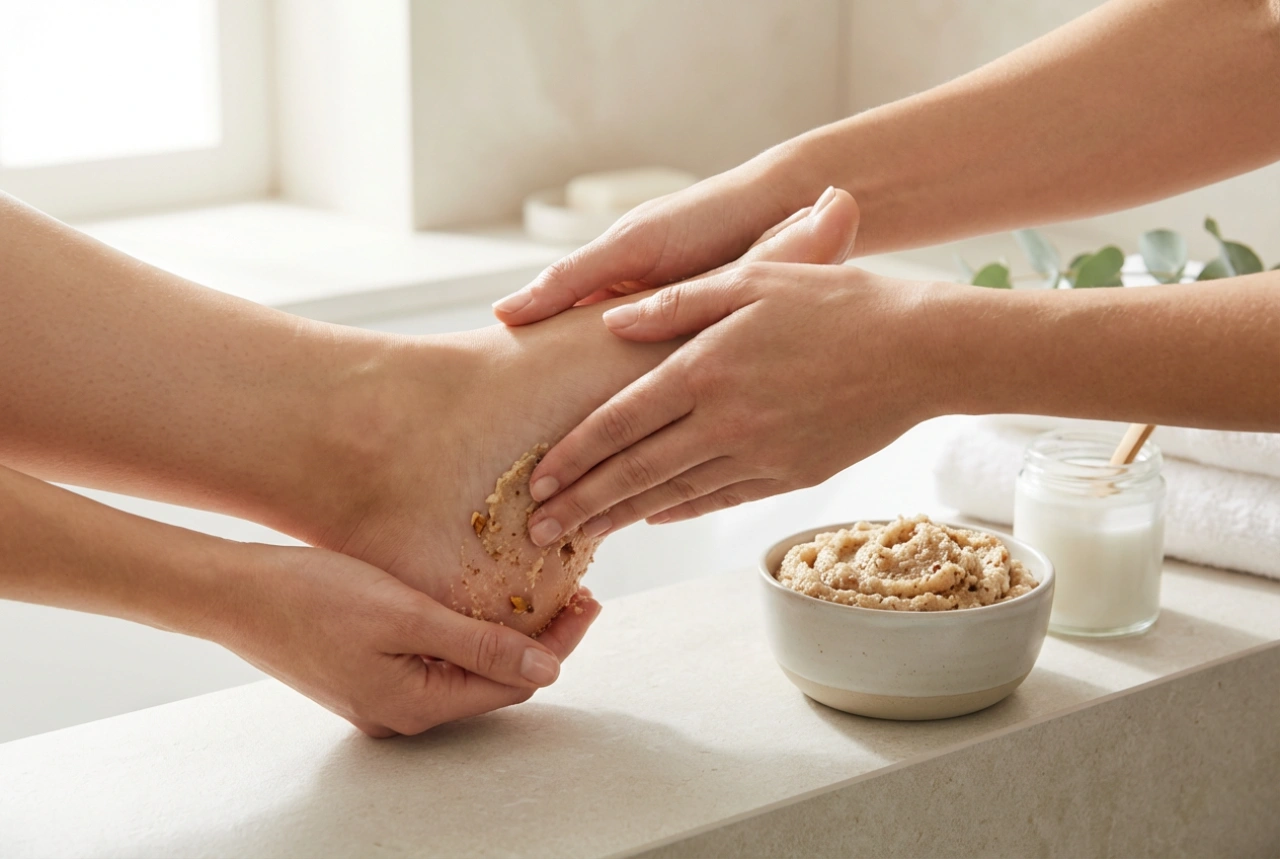
- Exfoliation: Gently exfoliate the skin one or two days before the planned depilation. This helps remove dead skin cells and lifts flat hairs, making the removal process much more effective and reducing the risk of ingrown hairs.
- Cleansing: Wash the area with a mild, fragrance-free cleanser and warm water. Warm water helps open up the pores, making hair removal easier.
- Drying: Ensure the skin is completely dry. You can apply a tiny amount of cosmetic talc or cornstarch to absorb any excess moisture, which helps the wax adhere better to the hair rather than the skin.
Step-by-Step Home Waxing Guide
If you choose to use wax strips or warm wax applied with a wooden spatula, following a methodical approach ensures safety and precision. Taking your time is key to achieving a smooth finish.
Step 1: Check the Hair Length
For effective waxing, the hair should ideally be between four to six millimetres long. If the hair is too short, the wax cannot grip it properly; if it is too long, the process can be unnecessarily uncomfortable. Trimming the hair beforehand can make the session much easier.
Step 2: Temperature Control and Application
If you are using warm wax, always test the temperature on the inside of your wrist first to avoid burns. Apply the wax using a wooden spatula in the direction of hair growth. Keep the application area small and manageable, focusing on one patch at a time.
Step 3: Correct Removal Technique
When removing the strip, hold the skin taut with one hand. This is the most crucial step to prevent bruising and discomfort. With the other hand, pull the strip off quickly in the opposite direction of hair growth, keeping the strip parallel to the skin rather than pulling it upwards.
Essential Aftercare to Soothe the Skin
Immediately after hair removal, the skin requires gentle attention to calm redness and restore its natural protective barrier. The post-depilation phase is just as important as the preparation.
Apply a generous amount of pure aloe vera gel or a fragrance-free, light moisturising lotion to soothe the area. Avoid rich, heavy creams that could clog the pores. For the first twenty-four hours after hair removal, it is advisable to wear loose, breathable cotton underwear and avoid hot baths, swimming pools, saunas, and intense workouts to prevent irritation.
Common Mistakes to Avoid
Many common issues associated with at-home hair removal can be easily avoided by adjusting your technique and habits. Understanding what not to do is essential for a smooth experience.
- Applying Wax to Irritated Skin: Never perform hair removal on sunburned, broken, or highly sensitive skin.
- Pulling the Strip Upwards: Pulling the wax strip upwards away from the body instead of parallel to the skin can cause skin lifting, bruising, and broken hairs.
- Using Heavily Fragranced Products: Fragrances and alcohol-based products can cause intense burning and redness on freshly depilated skin. Stick to simple, soothing ingredients.
- Rushing the Process: At-home hair removal requires patience. Rushing through the steps often leads to missed spots, broken hairs, and increased skin sensitivity.