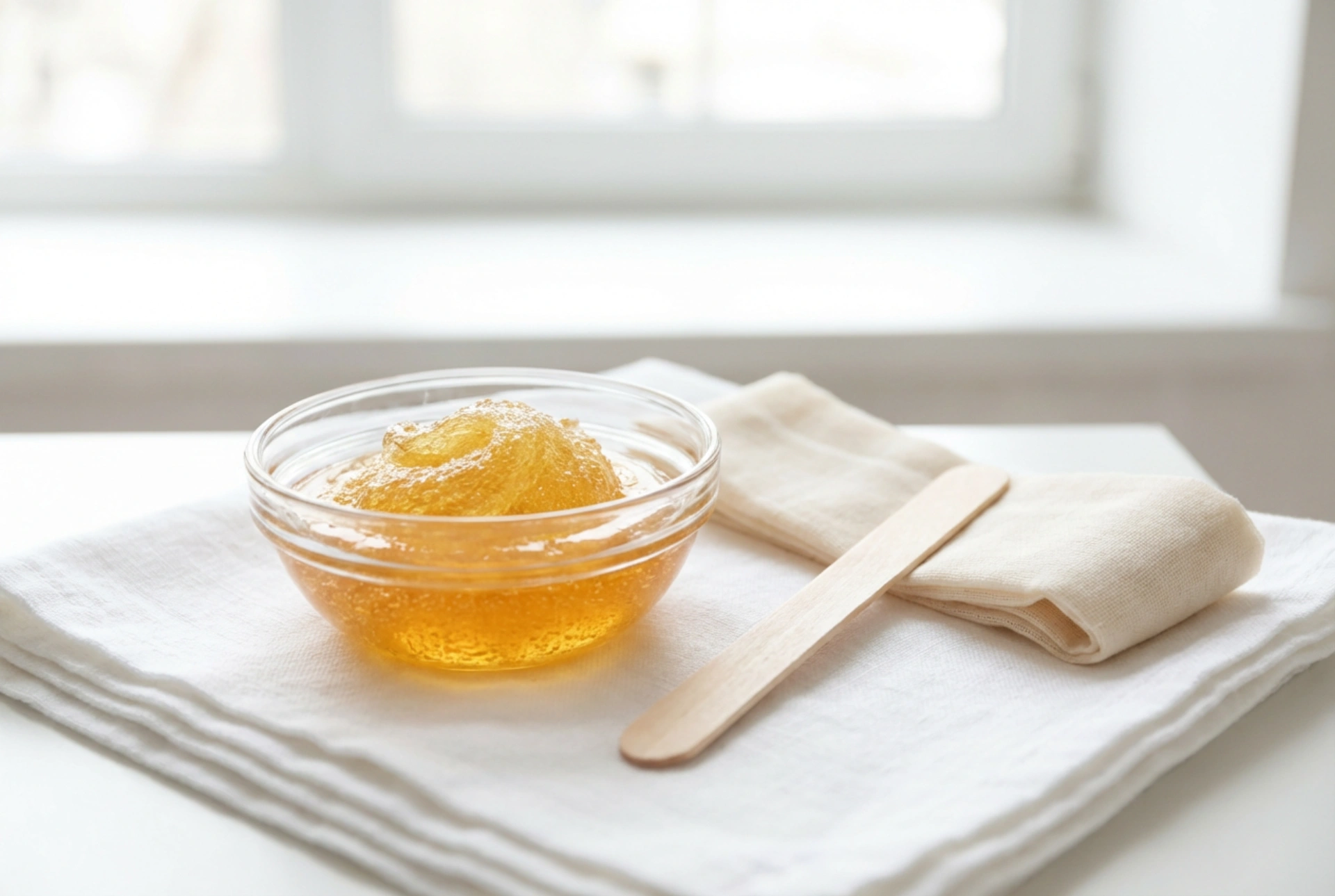


Imagine a simple glass bowl filled with a warm, golden, honey-like paste sitting on a clean white cloth, accompanied by a wooden spatula. This minimalist setup represents one of the oldest and most natural methods of hair removal: sugaring. Originating centuries ago, sugar paste depilation has regained immense popularity in modern home beauty rituals. Known for its gentle approach and skin-friendly ingredients, it offers a superb alternative to traditional waxing. Understanding the proper preparation of the skin and mastering the correct application technique are the keys to achieving silky-smooth results in the comfort of your own home.
The Benefits of Sugar Paste Hair Removal
Sugar paste is a completely natural mixture typically made from just three basic ingredients: sugar, water, and lemon juice. Unlike chemical depilatory creams or wax mixtures that contain synthetic resins, sugar paste is hypoallergenic and exceptionally gentle on the skin. It adheres primarily to the unwanted hairs rather than the live skin cells, which significantly reduces discomfort and minimises the risk of irritation.
Furthermore, sugaring is a water-soluble method. Any residue left on the skin can be easily rinsed away with warm water, eliminating the need for greasy oils or harsh cleansers post-treatment. Because the paste is applied at room temperature or just slightly warmed, there is virtually no risk of burns, making it an excellent choice for sensitive areas such as the underarms, bikini line, and face.
Essential Skin Preparation: The Foundation of Success
To achieve the best possible results and prevent ingrown hairs, proper skin preparation is absolutely vital. The process begins a few days before you plan to perform the hair removal.
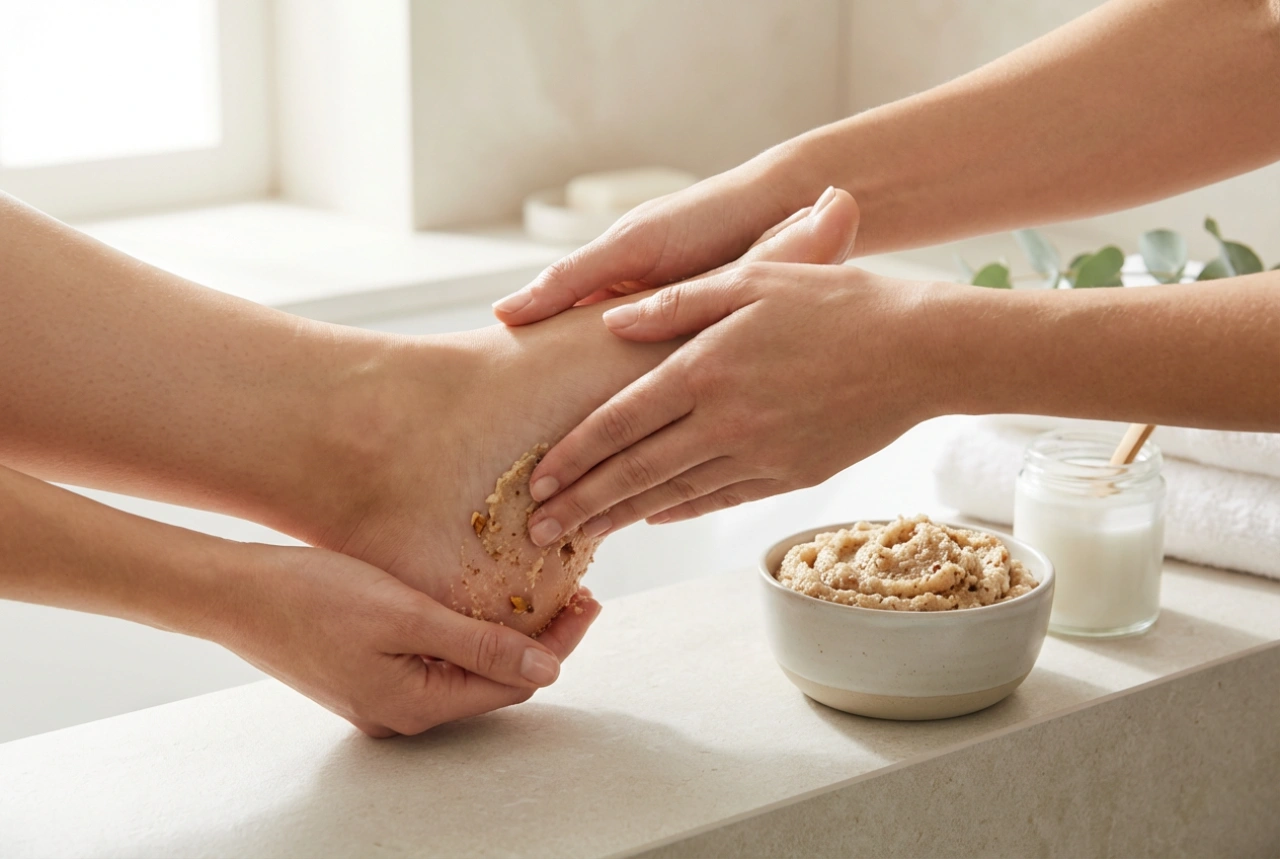
- Gentle Exfoliation: One to two days before sugaring, gently exfoliate the target area using a mild body scrub or a natural sisal mitt. This helps to lift flat-lying hairs and remove dead skin cells, allowing the sugar paste to grip the hairs more effectively.
- Cleansing the Skin: On the day of the treatment, the skin must be completely clean and free of any cosmetic products. Avoid applying body lotions, creams, or oils, as these create a barrier that prevents the sugar paste from adhering to the hair.
- Drying and Powdering: Moisture is the greatest enemy of sugar paste. Ensure the skin is thoroughly dry. Applying a thin layer of natural, scent-free powder or cornstarch to the area will absorb any residual moisture or sweat, ensuring the paste works perfectly.
Mastering the Sugaring Technique
There are two main methods of using sugar paste: the hand method (flicking) and the strip method. For beginners, understanding the physical dynamics of the paste is essential. Unlike waxing, sugar paste is applied against the direction of hair growth and pulled off in the direction of hair growth. This unique technique minimises hair breakage and reduces the likelihood of painful ingrown hairs.
The Hand Method (Flicking Technique)
To use the hand method, take a small, walnut-sized piece of sugar paste and knead it gently between your fingers until it becomes pliable and slightly opaque. Using your fingertips, slowly stretch the paste over the skin against the direction of hair growth, applying firm pressure. Run your fingers over the paste two or three times to ensure it wraps around the hairs. Hold the skin taut with your other hand, and with a quick, decisive flick of your wrist, pull the paste off parallel to the skin in the direction of hair growth.
The Strip Method
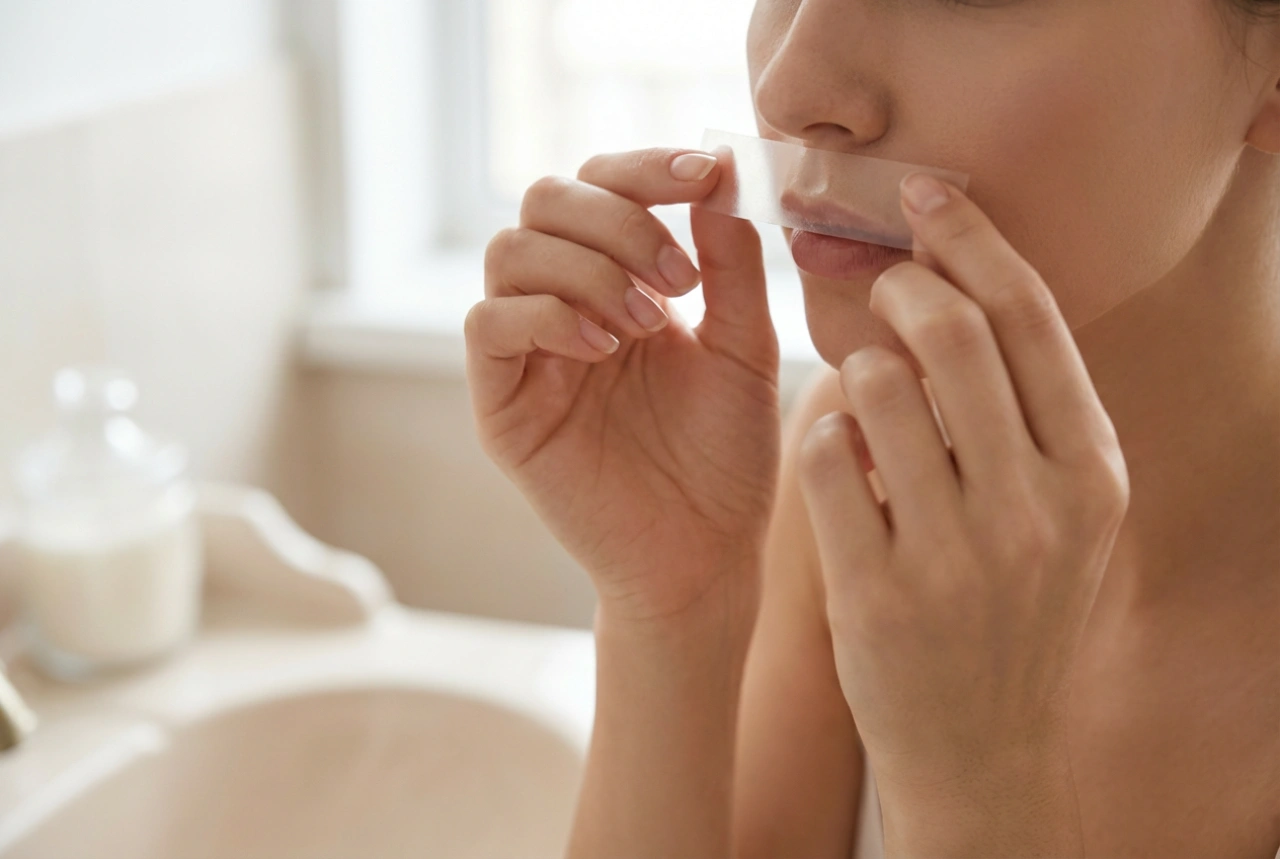
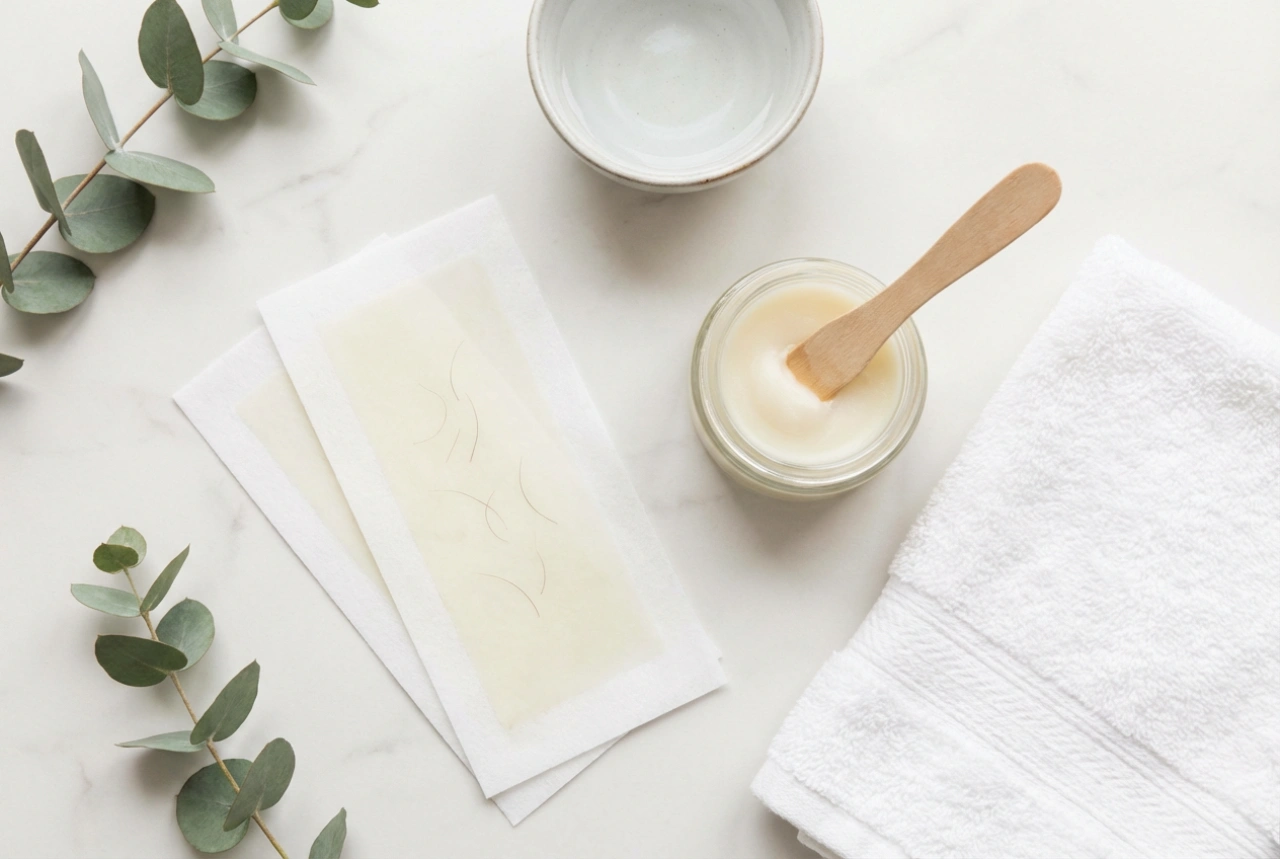
If the paste is too soft or if you are working on larger areas like the legs, the strip method can be much easier. Warm the paste slightly until it has a runny, honey-like consistency. Apply a thin layer using a wooden spatula against the direction of hair growth. Place a clean muslin or paper strip over the paste, smooth it down firmly, hold the skin taut, and pull the strip off quickly in the direction of hair growth.
Post-Treatment Care and Recovery
Once the hair removal process is complete, taking care of your skin will ensure it remains calm, smooth, and free from irritation. Immediately after sugaring, rinse the area with lukewarm water to remove any sticky residue and pat dry with a clean, soft towel.
During the first 24 to 48 hours after treatment, your skin pores remain open and sensitive. It is highly recommended to avoid hot baths, saunas, swimming pools, and intense workouts that cause heavy sweating, as these can introduce bacteria to the delicate skin. Opt for loose-fitting cotton clothing to prevent friction. Apply a light, soothing moisturiser such as aloe vera gel or a panthenol-based lotion to calm any temporary redness and promote natural skin recovery.
Tips for Long-Lasting Smoothness
Consistency is key when it comes to sugaring. Over time, regular sugar paste treatments can lead to finer, softer, and sparser hair growth. To maintain these results, establish a regular schedule, typically every four to six weeks, depending on your individual hair growth cycle. Remember to reintroduce gentle exfoliation three days after the treatment to keep the skin soft and prevent any new hairs from getting trapped beneath the surface. With patience and practice, this natural beauty ritual will become an effortless part of your self-care routine.