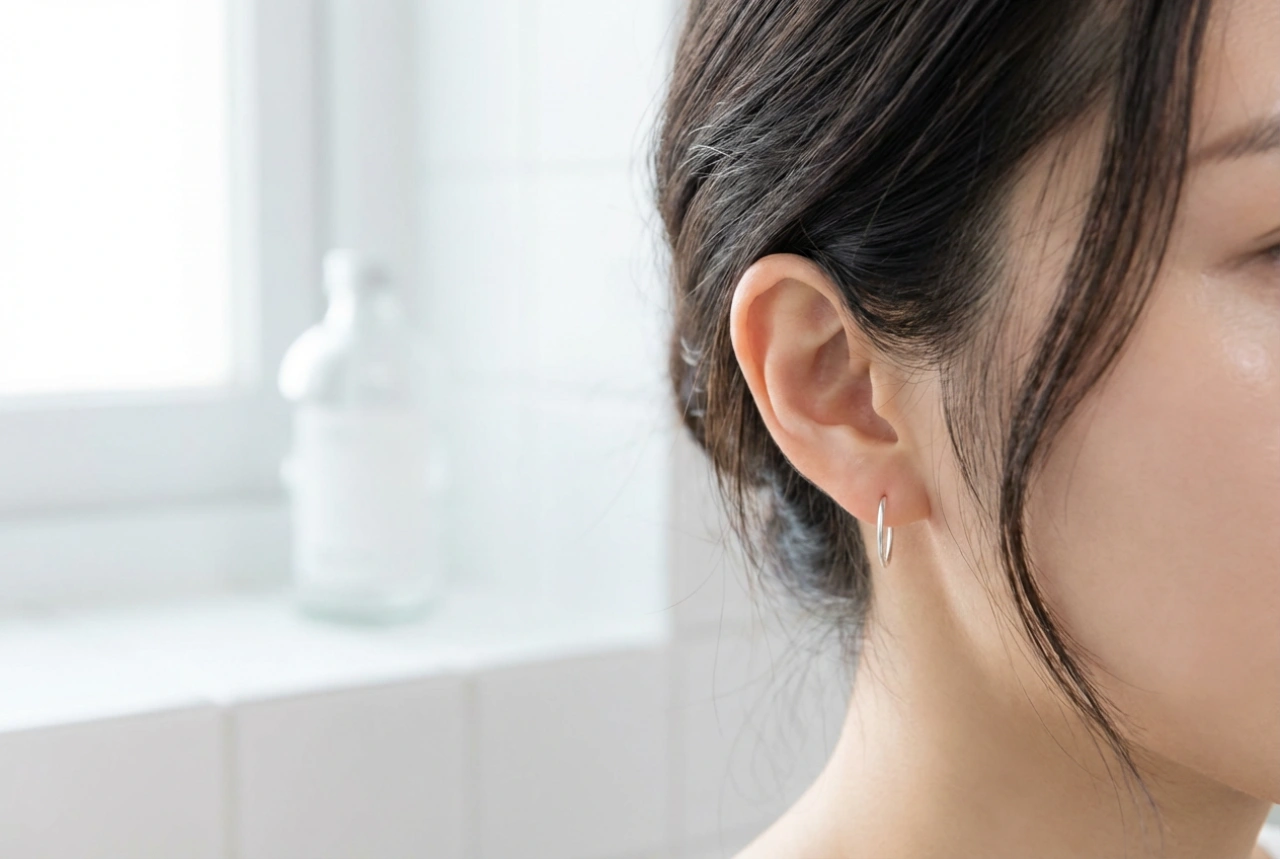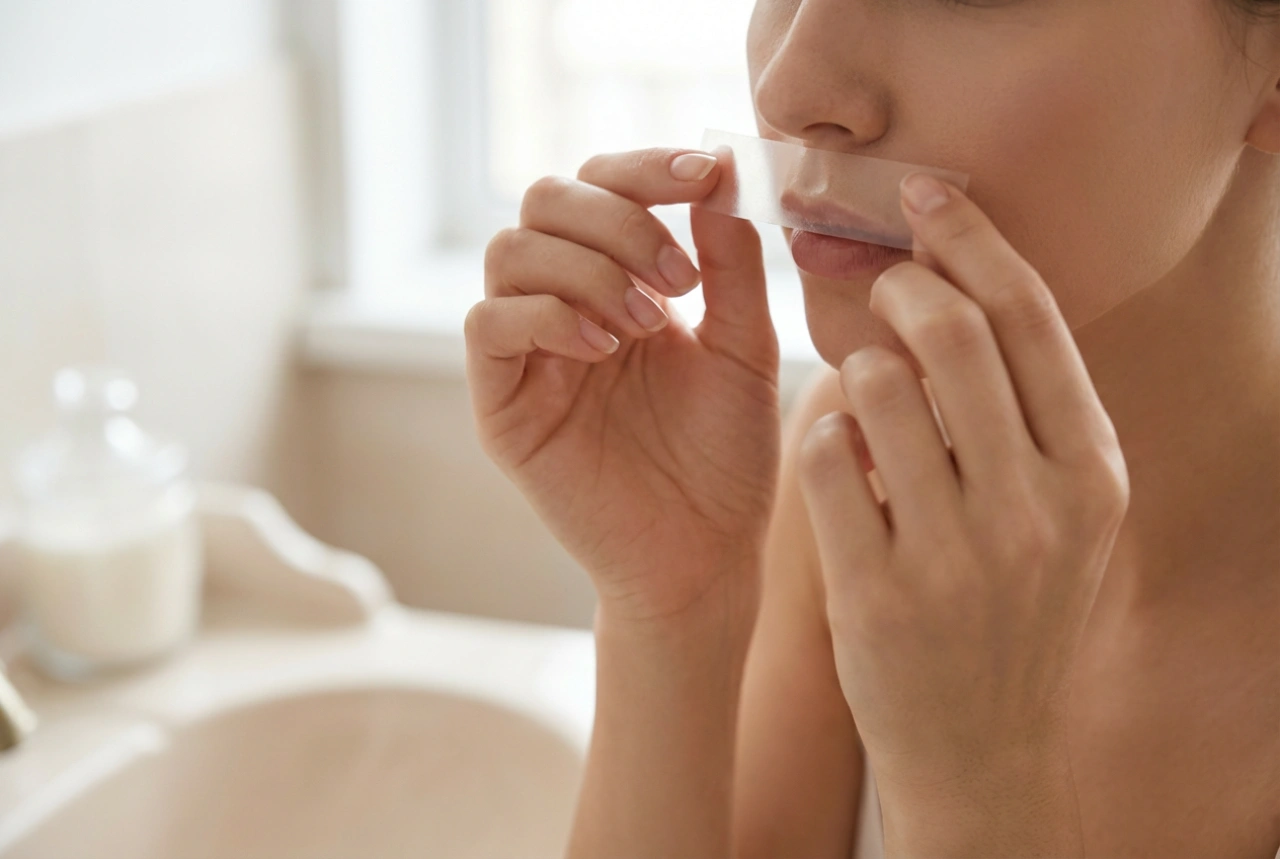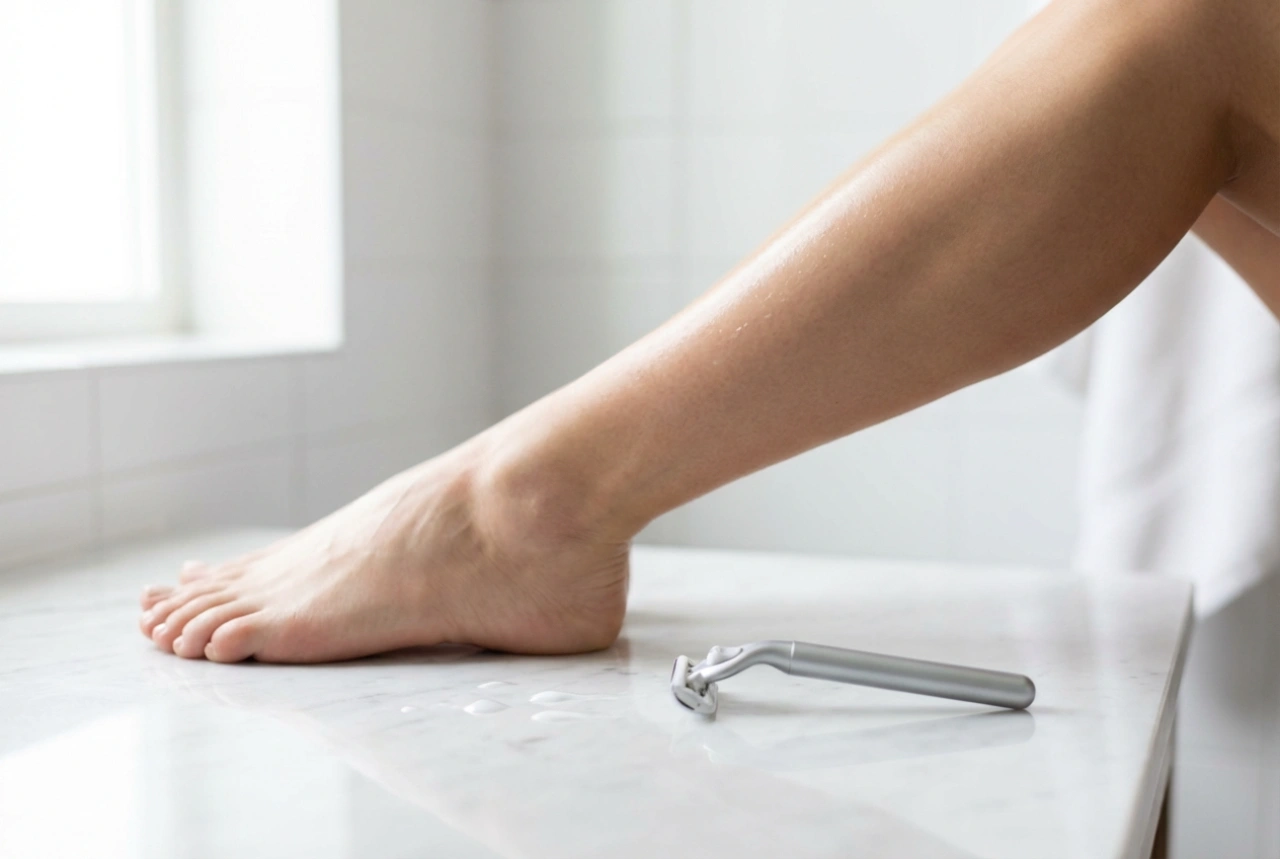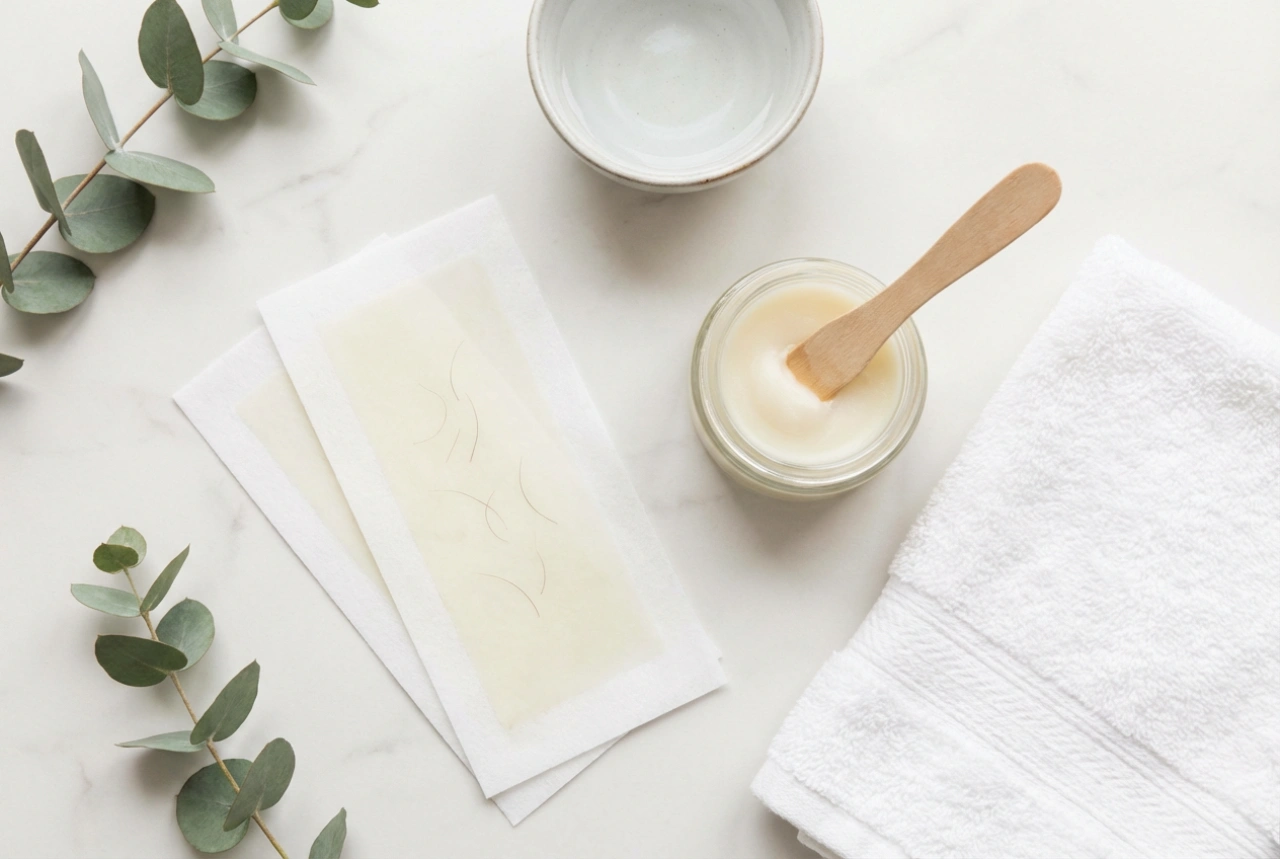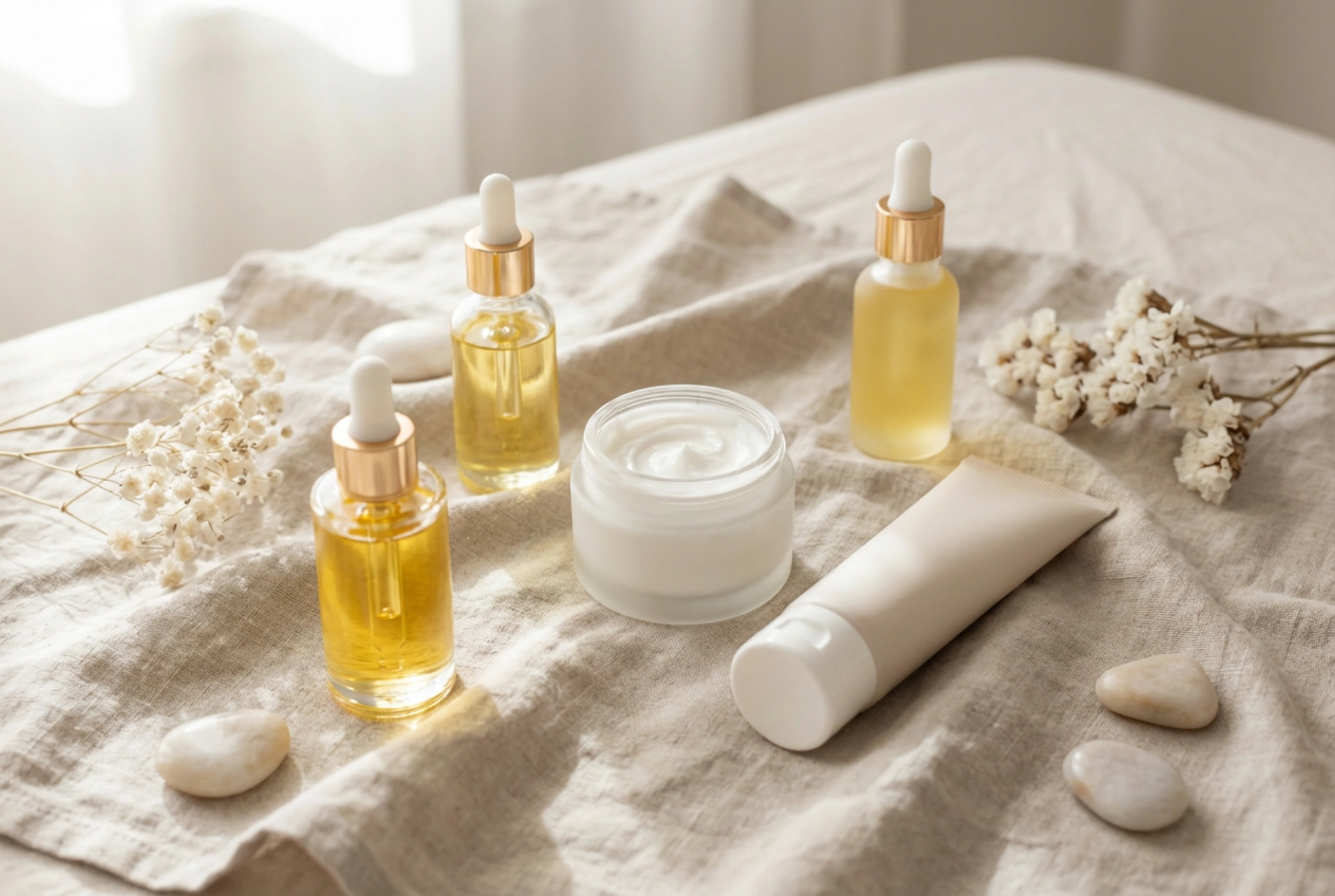


Achieving perfectly smooth skin across the entire body is a beauty ritual that requires proper planning and care. When deciding on full-body hair removal at home, establishing a structured step-by-step plan helps to ensure efficiency while minimising skin irritation. Just like a serene flatlay of minimalist, soothing beauty oils and gentle lotions resting on soft linen, your post-treatment skin should embody a sense of ultimate calm, softness, and nourishment. To achieve this, it is essential to understand how to prepare the skin, which zones to address first, and how to nurture the skin barrier afterwards.
Preparing the Skin: The Foundation of Smoothness
Before beginning any hair removal process, the skin must be thoroughly prepared. Skipping this stage can lead to uneven results, clogged pores, or surface irritation. The preparation phase should ideally start 24 hours before the planned treatment.
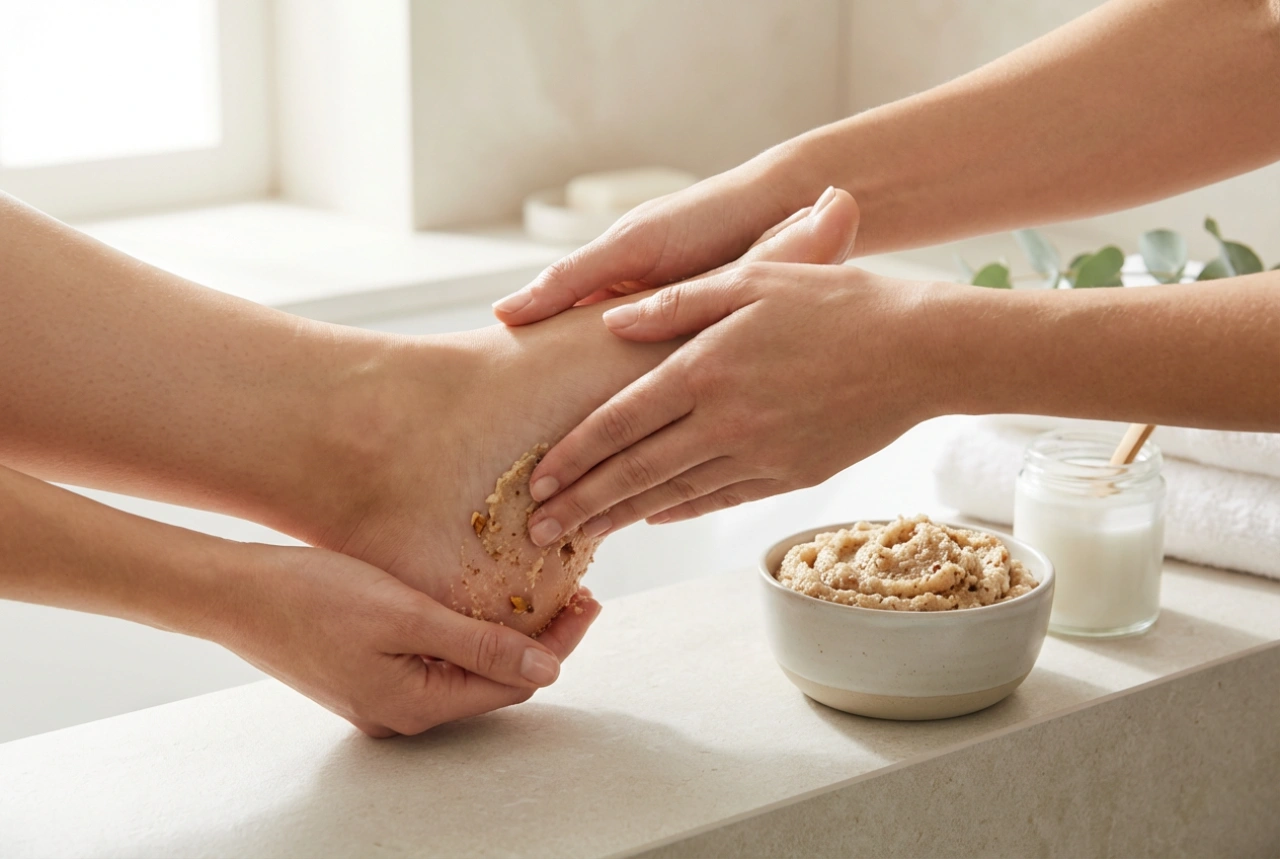
- Gentle Exfoliation: Using a mild, non-abrasive body scrub or an exfoliating glove helps remove dead skin cells. This lifts flat hairs, reducing the risk of ingrown hairs.
- Hydration: Keeping the skin well-hydrated in the days leading up to the treatment makes the hair softer and the skin more resilient. However, avoid applying heavy body creams or oils immediately before hair removal, as they can create a barrier that prevents the hair removal tools from working effectively.
- Cleansing: Ensure the skin is clean and completely dry before starting. Warm water during a pre-treatment shower will help open the pores, making the hair removal process smoother and less uncomfortable.
The Optimal Order of Zones
When addressing the entire body, tackling the areas in a logical sequence ensures a systematic and comfortable process. It is generally recommended to move from the most sensitive areas to the less sensitive ones, or vice versa, depending on your personal comfort levels and the method used.
1. Sensitive and Delicate Zones
Areas such as the underarms and the bikini line are highly sensitive and prone to irritation. It is often best to address these zones first when your energy and patience are at their peak. Because the skin here is thin, gentle handling and taut skin stretching are crucial to achieving a clean result without pulling the epidermis.
2. Larger Body Areas
Once the delicate areas are complete, move on to larger surfaces such as the legs and arms. These regions are generally less sensitive, allowing for quicker progress. Work in systematic, overlapping sections to ensure no patches are missed, moving from the ankles upwards on the legs.
3. Detailed and Hard-to-Reach Areas
Finish with zones that require precise focus or assistance, such as the back, shoulders, or any fine facial hair. Taking your time with these final steps ensures a cohesive and thorough result across the entire body.
Post-Treatment Care: Calming and Restoring the Skin
The period immediately following hair removal is when the skin is most vulnerable. The protective barrier is temporarily compromised, which can lead to mild redness or a warm sensation. Implementing a soothing post-care routine is essential to restore comfort and seal in moisture.
Immediately after the procedure, rinse the skin with lukewarm or cool water to remove any residues and help close the pores. Gently pat the skin dry with a clean, soft towel—avoid rubbing, which can exacerbate friction-induced redness.
Next, apply a lightweight, soothing lotion or a natural body oil. Look for minimalist formulas containing calming ingredients such as aloe vera, panthenol, or chamomile. These ingredients work to soothe the sensation of warmth and deeply hydrate the freshly cleared skin. Avoid products containing synthetic fragrances, alcohol, or strong acids for at least 24 to 48 hours, as these can trigger irritation on newly sensitive skin.
Practical Tips for Long-Lasting Comfort
To maintain that luxurious, smooth feeling and prevent common post-treatment issues, keep the following guidelines in mind:
- Wear Loose Clothing: Choose soft, breathable fabrics like cotton or linen immediately after hair removal. Tight synthetic clothing can cause friction and trap sweat, leading to irritation.
- Avoid Heat and Sweat: Refrain from hot baths, saunas, intense workouts, or direct sun exposure for at least 24 hours post-treatment.
- Regular Moisture: Maintain a consistent daily moisturising routine to support skin elasticity and barrier function.