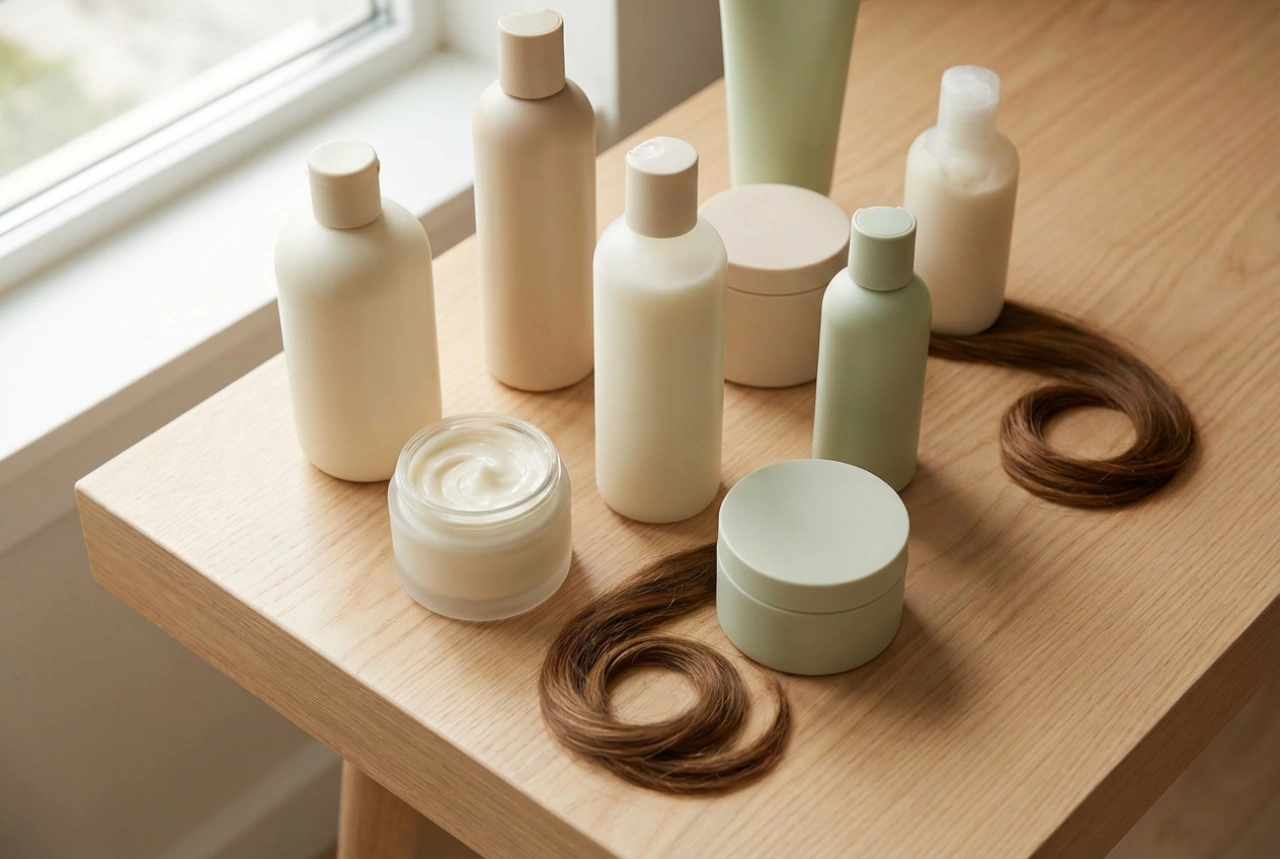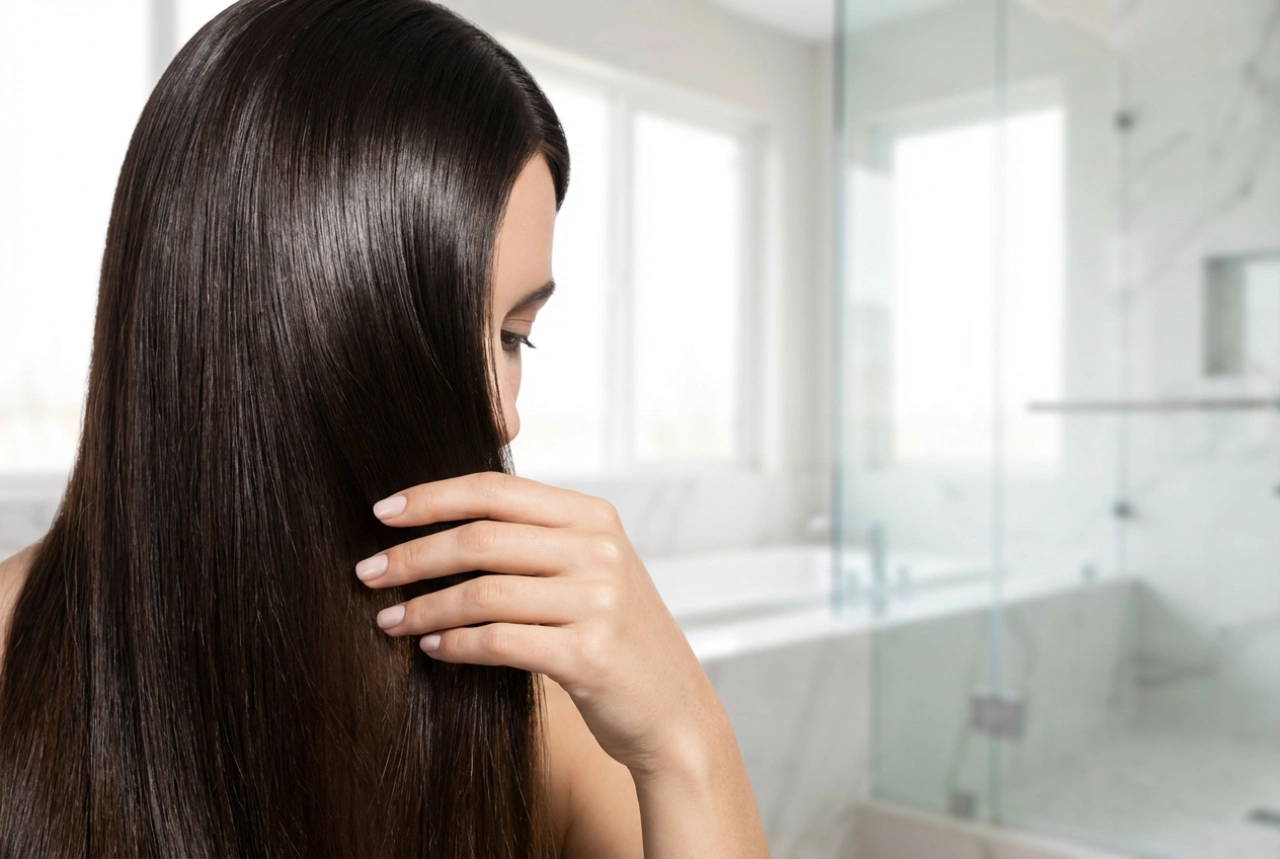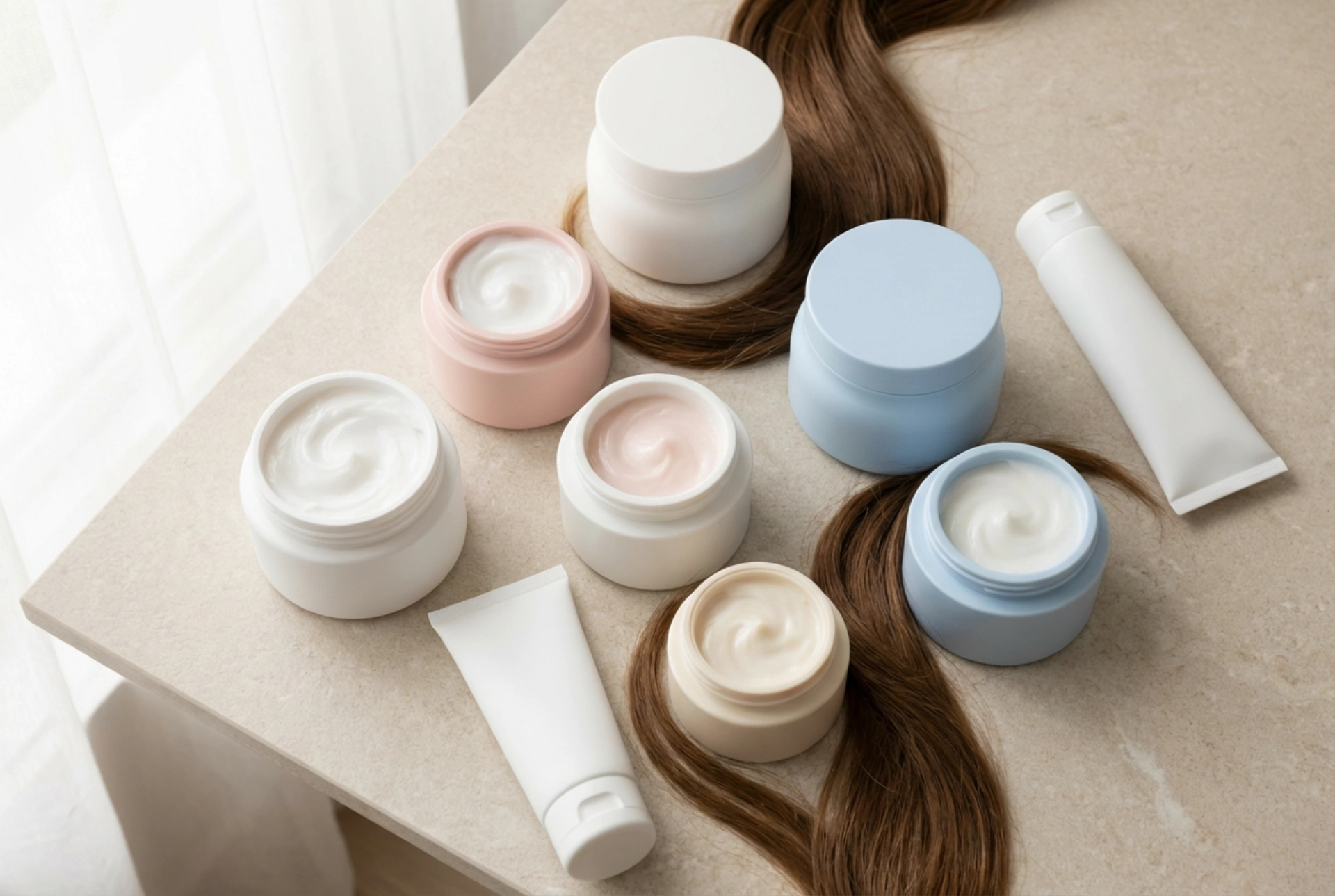


A beautiful array of minimalist pastel jars and tubes on a clean surface often promises the ultimate luxury in hair care: deep, restorative hydration. Moisturising hair masks are the cornerstone of a successful home hair care routine, offering a concentrated dose of active ingredients designed to restore softness, elasticity, and shine to dull, dry strands. To achieve that coveted healthy-looking gleam, understanding how to select, apply, and schedule these rich treatments is essential.
Understanding Hair Hydration: What Does Your Hair Need?
Before choosing a product, it is crucial to understand what moisturising actually means in the context of hair care. Just like skin, hair requires a balance of water and oil to remain flexible and strong. Moisturising masks focus primarily on delivering water-binding ingredients, known as humectants, directly into the hair shaft. These ingredients draw moisture from the environment and lock it inside the hair structure, preventing brittleness.
However, hydration is only half the battle. To keep that moisture from evaporating, the hair cuticle needs to be sealed. This is where emollients—such as natural plant oils and butters—come into play. A well-formulated moisturising mask often combines these two elements to provide comprehensive care that leaves hair feeling silky and manageable without weighing it down.
How to Choose the Perfect Moisturising Mask
With so many options available in beautiful, minimalist packaging, finding the right mask for your specific hair type can seem overwhelming. The key lies in understanding your hair's unique structure and porosity. Hair porosity refers to how easily your hair absorbs and retains moisture, and it dictates the kind of texture and ingredients you should look for.
- Low Porosity Hair: This hair type has tightly closed cuticles that resist moisture but retain it well once it gets inside. Look for lightweight, fluid masks rich in humectants like aloe vera, glycerin, or honey. Avoid heavy butters that might sit on top of the hair and cause build-up.
- Medium Porosity Hair: Often considered the easiest to maintain, this hair type has a looser cuticle structure. It responds well to balanced formulas containing moderate amounts of both humectants and light plant oils.
- High Porosity Hair: This hair type has highly raised cuticles, often due to environmental exposure or regular styling. It absorbs moisture quickly but loses it just as fast. High porosity hair thrives on rich, thick masks containing heavy emollients like shea butter, coconut oil, or argan oil to help seal the cuticles and trap moisture inside.
The Difference Between Conditioners and Masks
It is a common misconception that hair masks and daily conditioners serve the same purpose. While both aim to improve the appearance and texture of your hair, they function differently. A daily conditioner works primarily on the surface, smoothing the cuticle and detangling the hair after washing. It is designed for quick, surface-level action.
A moisturising hair mask, on the other hand, is a highly concentrated treatment with smaller molecular ingredients designed to penetrate deep into the hair cortex. It offers long-term benefits and repair rather than just a temporary cosmetic finish. Incorporating both into your routine—conditioner for regular washes and a mask for weekly pampering—creates the ultimate synergy for beautiful, resilient hair.
Step-by-Step Guide to Correct Application
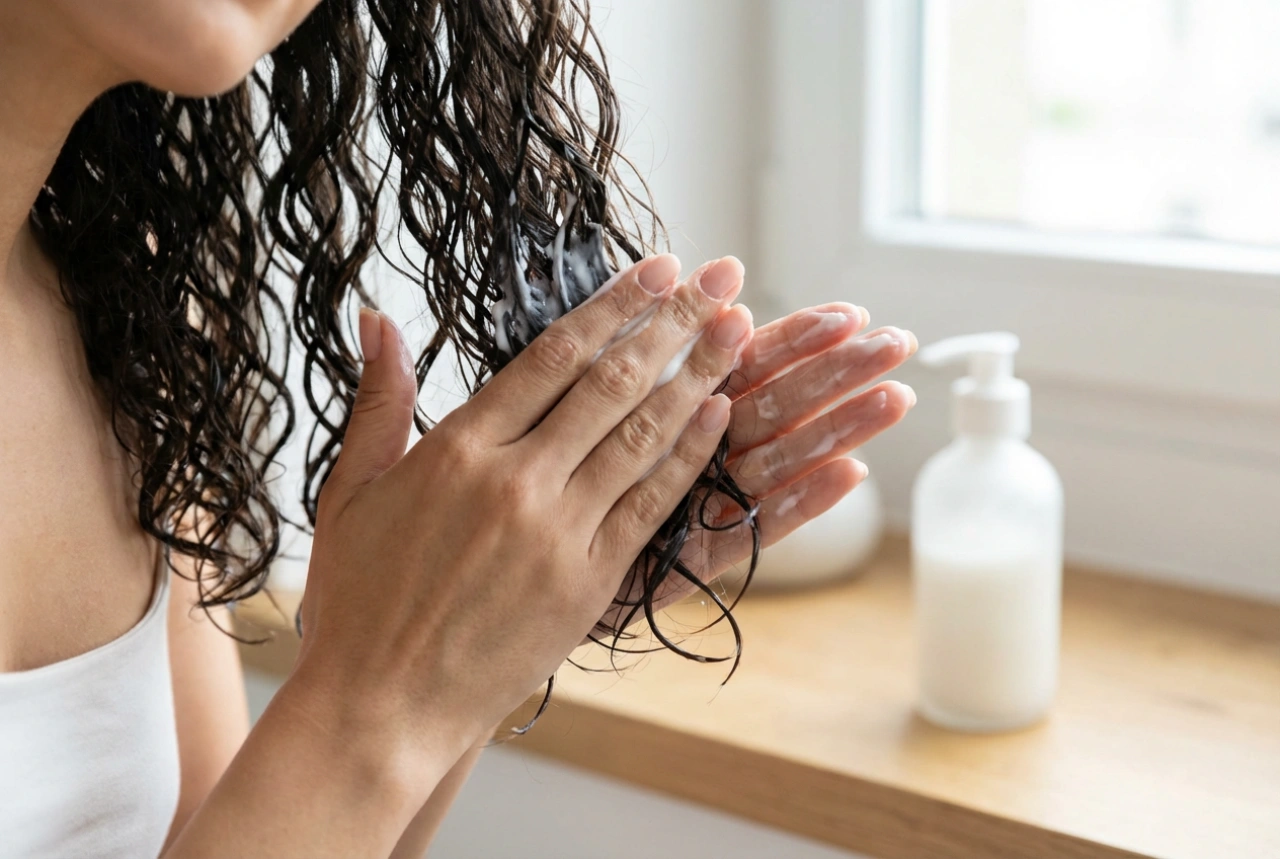
Applying a hair mask is not just about spreading the product onto your hair; it is a ritual that requires care to ensure the ingredients penetrate effectively. To get the absolute most out of your luxurious treatment, follow these simple steps:
1. Start with Clean, Damp Hair
Always wash your hair first with a gentle shampoo to remove dirt, sebum, and styling residue. This opens up the hair cuticles slightly, allowing the mask to penetrate deeper. Gently squeeze out excess water with a soft towel. Applying a mask to soaking wet hair will dilute the product and cause it to slide right off without absorbing.
2. Focus on the Lengths and Ends
The hair closest to your scalp is relatively young and naturally conditioned by your body's natural oils. The mid-lengths and ends, however, are older and suffer the most wear and tear. Focus your application from the ears down, paying special attention to the very tips. Avoid applying heavy masks directly to the scalp, as this can weigh down your hair and make it look greasy sooner.
3. Distribute Evenly and Detangle
Use a wide-tooth comb or your fingers to distribute the mask evenly through your hair. This ensures every strand receives a portion of the nourishing ingredients. Be exceptionally gentle during this step, as wet hair is fragile and more prone to snapping.
4. Allow Time to Work and Rinse Thoroughly
Follow the instructions on your product's label regarding leave-in time, which typically ranges from five to twenty minutes. For a more intensive treatment, you can wrap your hair in a warm, damp towel to create a gentle steaming effect that helps open the cuticles further. When the time is up, rinse thoroughly with cool or lukewarm water to help seal the cuticle and enhance natural shine.
Finding the Perfect Frequency for Your Routine
More is not always better when it comes to deep conditioning. Over-moisturising your hair can lead to a condition known as hygral fatigue, where the hair loses its elasticity, feels limp, and becomes overly soft or mushy. Finding the right balance is essential for maintaining bounce and structure.
For normal or low porosity hair, using a moisturising mask once a week or even once every fortnight is usually sufficient to maintain a healthy moisture balance. If your hair is particularly dry, damaged, or naturally curly, you may benefit from using a mask twice a week. Pay close attention to how your hair behaves; if it begins to feel heavy or loses its natural volume, try reducing the frequency of your deep treatments or switching to a lighter formula.