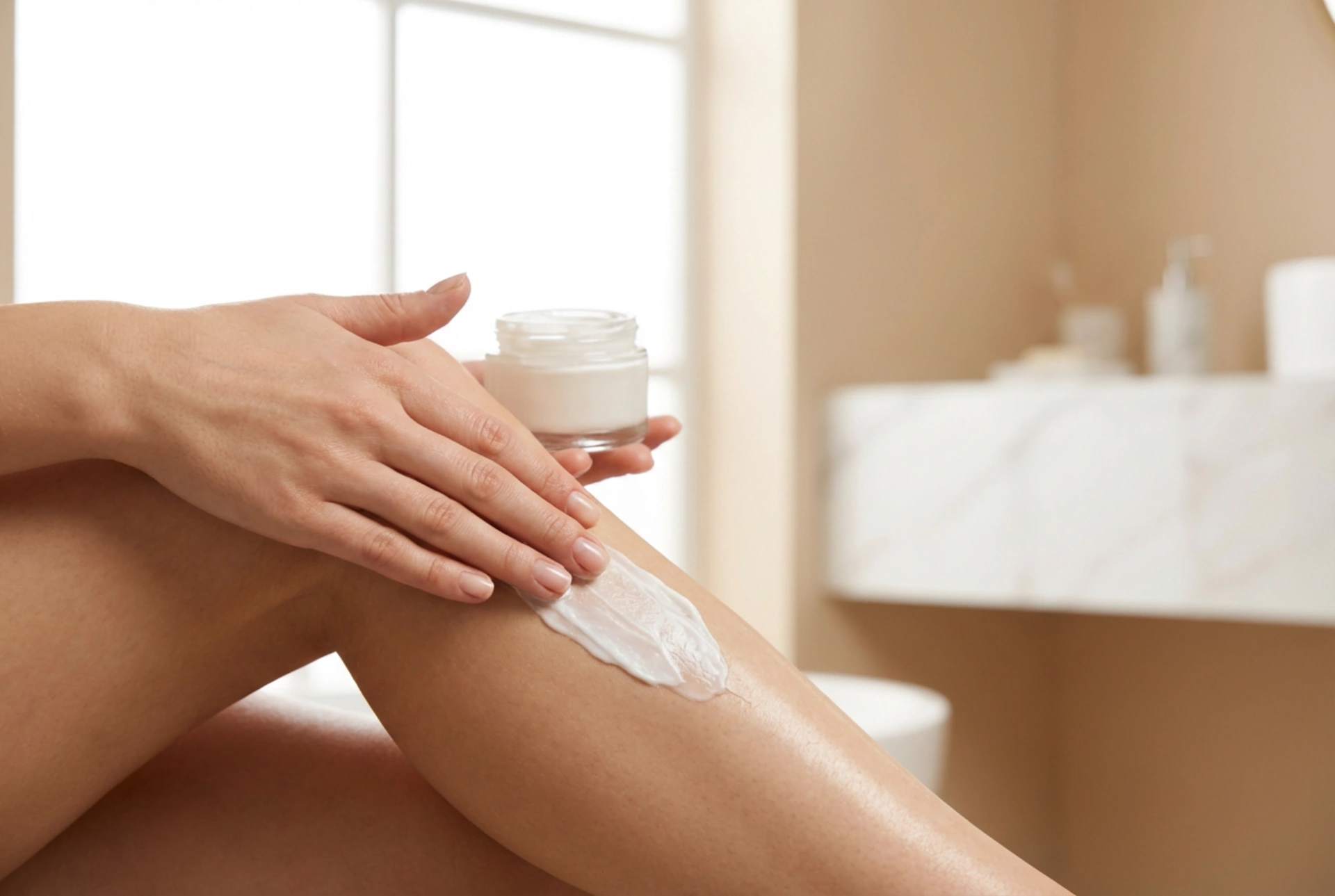


Achieving silky, smooth skin is a core part of many personal care routines, and applying a gentle, creamy depilatory formula is one of the most accessible ways to manage unwanted hair at home. While the process of chemical depilation is highly effective and painless compared to waxing, it requires careful technique and attention to detail. Applying the cream with precision ensures that the skin remains soft, healthy, and completely free from redness or discomfort.
Understanding Chemical Depilation
Chemical depilation relies on specific active ingredients designed to break down the protein structure of the hair, known as keratin. Once these bonds are weakened, the hair can be easily wiped away from the surface of the skin. Unlike shaving, which cuts the hair at an angle and can leave a sharp stubble, depilatory creams dissolve the hair just below the skin surface. This results in a smoother finish that lasts slightly longer, as the regrowth has softer, rounded edges.
However, because the ingredients that dissolve hair are alkaline, they can also affect the skin's natural protective barrier if left on for too long. This is why understanding the mechanism and respecting the application guidelines is essential for maintaining skin health. When used correctly, chemical depilation offers a quick, painless, and highly convenient alternative to other hair removal methods.
A Step-by-Step Guide to Safe Application
To achieve the best results and ensure maximum skin comfort, following a structured application routine is key. Here are the essential steps to incorporate into your home beauty ritual:
- Perform a patch test: Even if you have used similar products before, always test a small amount of the cream on a minor patch of skin 24 hours prior to full application. This helps identify any potential sensitivity or allergic reactions.
- Cleanse the area: Ensure the skin is clean, dry, and free from any oils, lotions, or deodorants that could act as a barrier between the cream and the hair.
- Apply evenly: Using your hand or the spatula provided, apply a thick, even layer of the cream to cover the hair completely. Avoid rubbing the product into the skin, as it should sit on the surface to work effectively.
- Monitor the time: Keep a close eye on the clock. Never exceed the maximum recommended time specified in the product instructions, as prolonged contact is the primary cause of chemical burns and severe irritation.
- Gently remove and rinse: Use a damp cloth or the spatula to gently wipe away a small test area. If the hair comes away easily, proceed to remove the rest. Rinse the area thoroughly with lukewarm water to ensure no chemical residue remains on the skin.
How to Minimise and Prevent Skin Irritation
Minimising irritation during and after chemical hair removal is largely about preparation and immediate post-care. Since the skin barrier is temporarily sensitised during the process, avoiding common triggers is crucial. Immediately after depilation, avoid using harsh soaps, alcohol-based toners, or heavily fragranced products on the treated area. It is also wise to steer clear of tight clothing that could cause friction against the newly smooth skin.
Temperature control also plays a significant role in skin recovery. Avoid taking hot showers, baths, or exposing the treated skin to direct sunlight for at least 24 hours after application. Instead, opt for cool or lukewarm water, which helps soothe the skin and close the pores. If you notice any slight warmth or redness, applying a cool compress can quickly calm the area and restore comfort.
Choosing and Nurturing Your Skin Post-Treatment
The final step in a successful depilation routine is restoration. Once the cream is rinsed away, the skin needs moisture to rebuild its natural defence barrier. Applying a gentle, fragrance-free moisturiser is highly recommended. Look for soothing, hydrating ingredients such as aloe vera, chamomile, or shea butter, which help to lock in moisture and calm any minor sensitivity.
Selecting the Right Formula
Not all depilatory creams are created equal. When selecting a product, consider the specific area of the body you are treating. Formulas designed for sensitive areas, such as the face or bikini line, are typically milder and contain lower concentrations of active ingredients compared to those formulated for the legs or arms. Matching the product to the targeted area is one of the simplest ways to prevent unnecessary irritation and ensure a pleasant, comfortable experience.