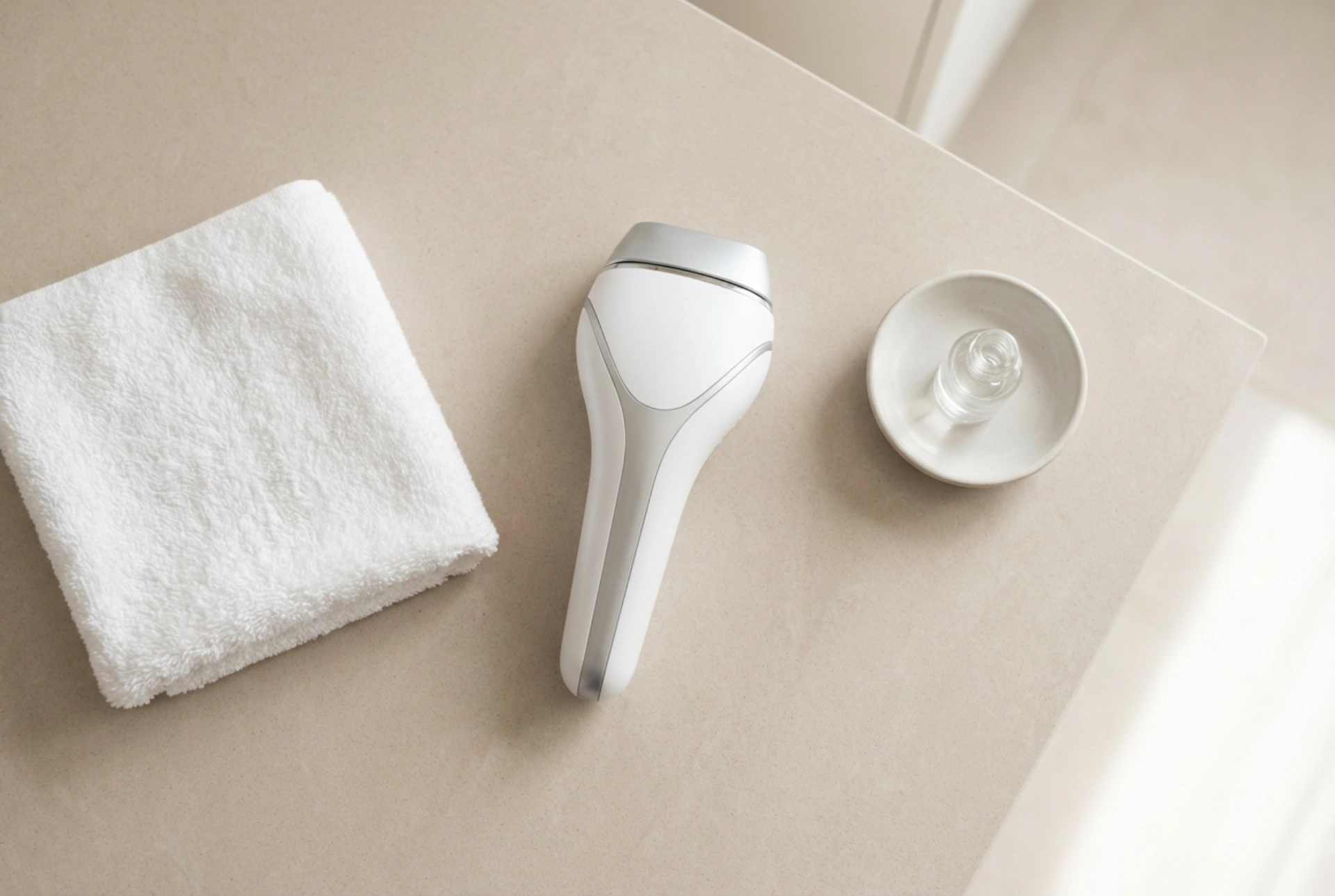


Achieving smooth, hair-free skin has become an elegant and highly accessible ritual within the comfort of our own homes. Imagine a quiet, sunlit corner of your bathroom, a clean white towel folded neatly, and a sleek, modern device resting on a smooth surface. This minimalist setting represents the shift towards sophisticated, self-care routines that deliver professional-feeling results without the need for frequent salon appointments. Transitioning to at-home light-based hair removal is not only convenient but also highly rewarding when approached with the right knowledge and a structured plan. By understanding how the technology works, you can safely integrate this modern method into your weekly beauty routine.
Understanding At-Home Hair Removal Technology
To make an informed decision, it is essential to understand how these modern beauty devices operate. Most domestic devices designed for long-term hair reduction utilise Intense Pulsed Light (IPL) or gentle diode laser technology. Both methods work on a similar scientific principle: they emit gentle pulses of light energy that are absorbed by the pigment (melanin) in the hair shaft.
This absorbed light converts into gentle heat, which temporarily disables the hair follicle and discourages future growth. Unlike professional salon equipment, which operates at much higher energy levels, home devices are engineered with built-in safety mechanisms to ensure they can be used safely by non-professionals. The process is gradual, targeting hairs during their active growth phase, which is why a single session is never enough to achieve lasting smoothness. Regularity and a gentle approach are key to letting your skin adapt to the treatments.
How to Choose the Right Device for Your Needs
Selecting the perfect device requires assessing your individual skin tone and hair colour, as light-based technology relies heavily on contrast. Because the light targets melanin, the ideal scenario is dark hair against fair skin, where the device can easily distinguish the hair follicle from the surrounding skin. However, modern advancements have made these tools far more versatile than they used to be.
- Skin Tone Compatibility: Many modern devices feature automatic skin sensors that scan your skin tone before and during use, adjusting the intensity level automatically or locking the device if the skin is too dark to treat safely.
- Hair Colour Efficiency: These devices are highly effective on black, dark brown, and dark blonde hair. However, they are generally less effective on very light blonde, red, grey, or white hair due to the lack of dark pigment in the follicle.
- Attachment Heads and Ergonomics: Consider the areas you wish to treat. Devices often come with interchangeable window attachments. A larger window is ideal for quick coverage on legs and arms, while a smaller, precision attachment is perfect for delicate areas like the upper lip or underarms.
Planning Your At-Home Sessions for Best Results
Patience and consistency are the cornerstones of successful at-home hair removal. Because hair grows in cycles, and only hairs in the active growth phase are affected by the light energy, you must plan a structured calendar of sessions to catch every follicle at the right moment.
A typical regimen begins with an initial phase, usually consisting of one treatment every fortnight for the first two to three months. During this period, you will notice the hair becoming finer, softer, and slower to grow back. Once you achieve the desired level of smoothness, you can transition into the maintenance phase. This usually involves a quick touch-up session once every four to eight weeks, depending on your individual hair regrowth cycle. Keeping a simple beauty diary or using a dedicated tracking app can help you stay consistent and avoid skipping essential sessions.
Preparation and Aftercare: The Golden Rules
To maximise the efficiency of your device and protect your skin, a strict pre- and post-treatment routine is vital. Proper preparation ensures that the light energy travels directly to the root of the hair without burning the skin surface, leaving your skin looking healthy and radiant.
Before the Session
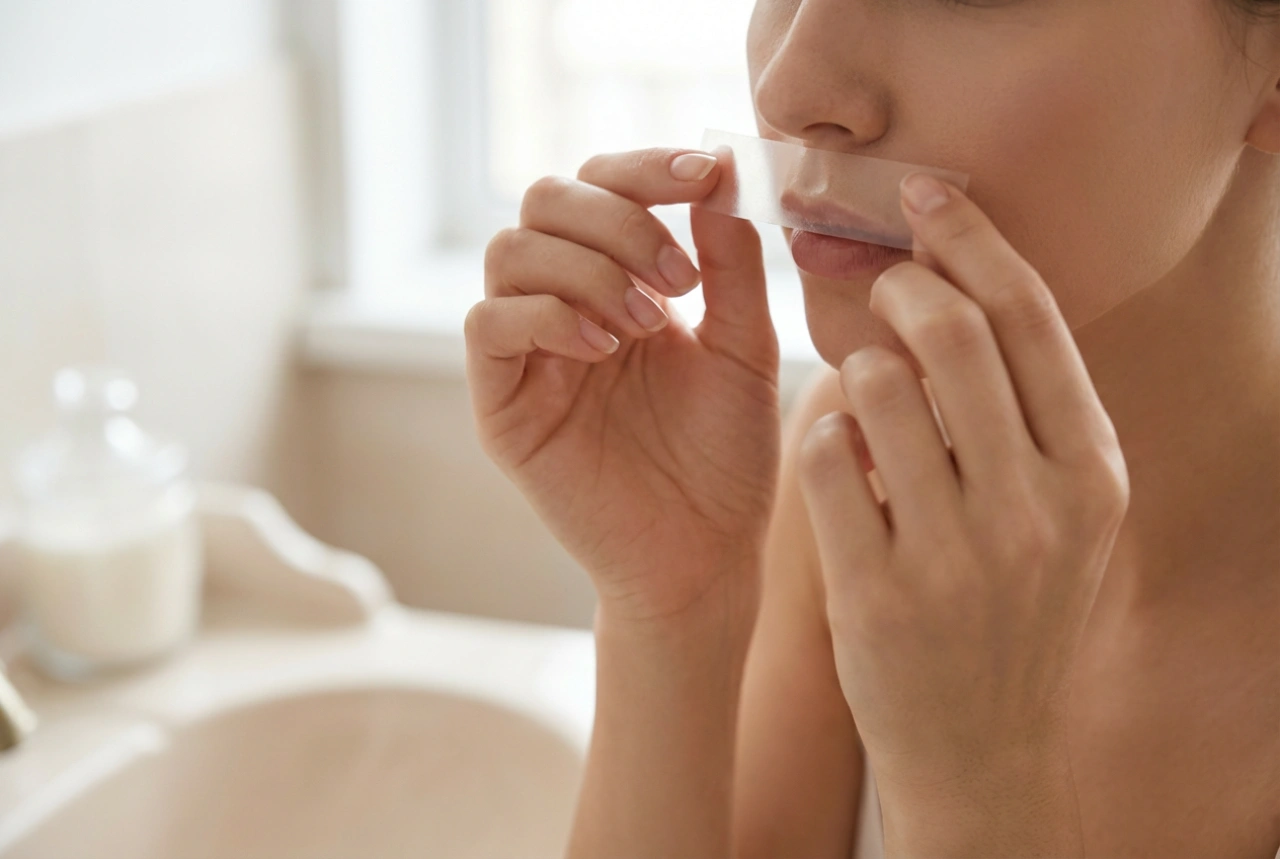
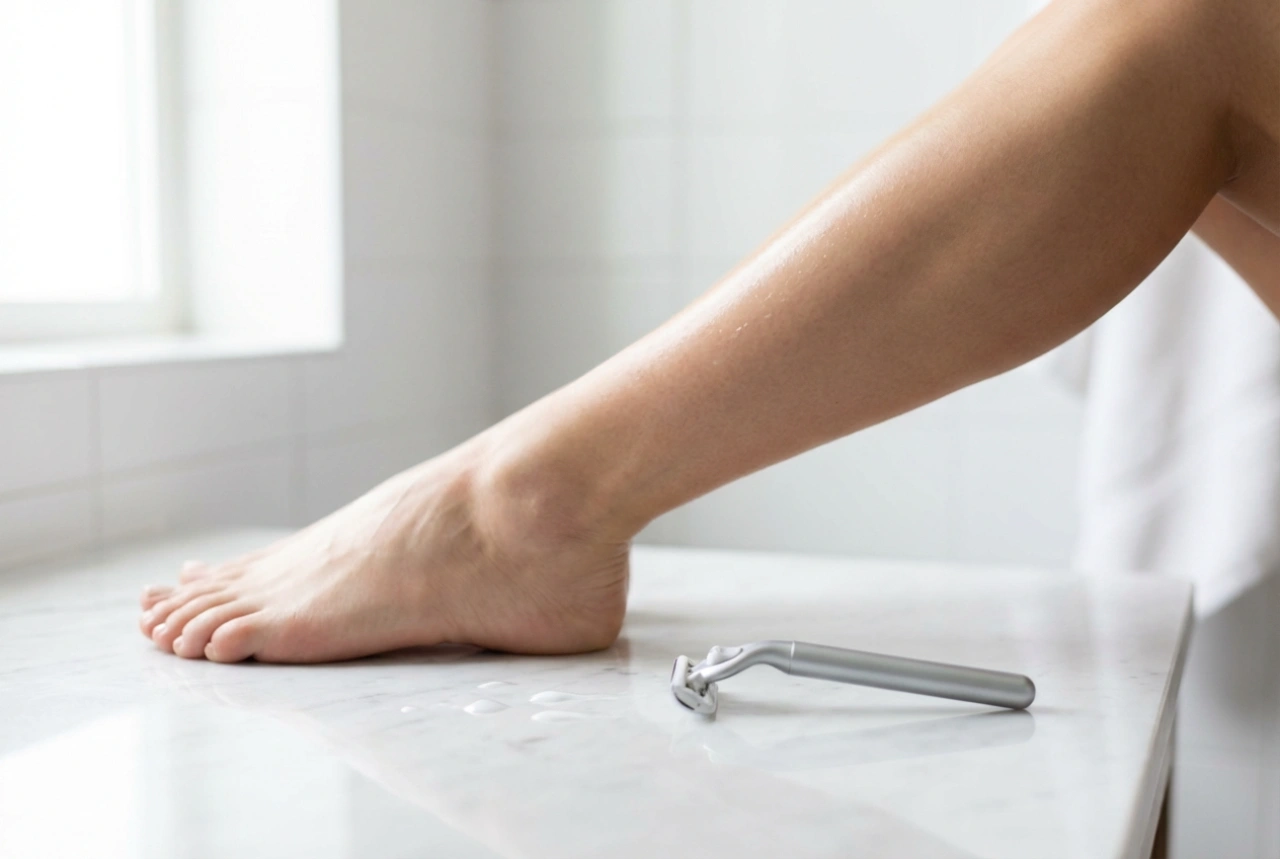
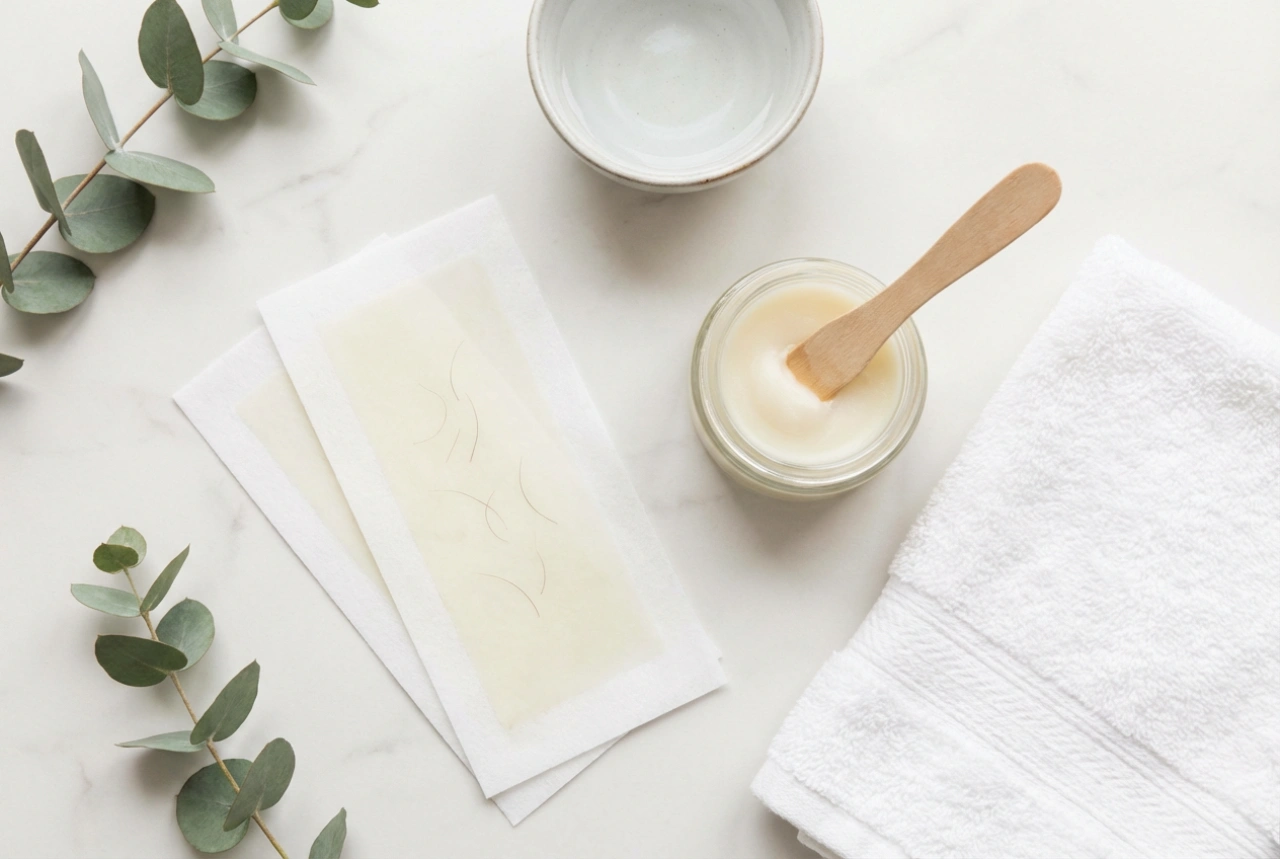
Always shave the treatment area close to the skin surface twenty-four hours before your session. Avoid waxing, epilating, or plucking, as these methods remove the hair root entirely, leaving no target for the light device. Ensure your skin is completely clean, dry, and free of any moisturisers, oils, self-tanning products, or deodorants before you begin. This allows the light pulse to penetrate smoothly without any interference from external barriers.
After the Session
Directly after a session, the skin may feel slightly warm or sensitive. Apply a gentle, fragrance-free moisturising lotion or a soothing aloe vera gel to calm the area. Crucially, shield the treated skin from direct sunlight for at least forty-eight hours, and always apply a broad-spectrum sunscreen with a high SPF to prevent temporary pigmentation changes. Avoid hot baths, saunas, and intense physical workouts for the first twenty-four hours to let the skin rest and recover fully in a cool, comfortable environment.