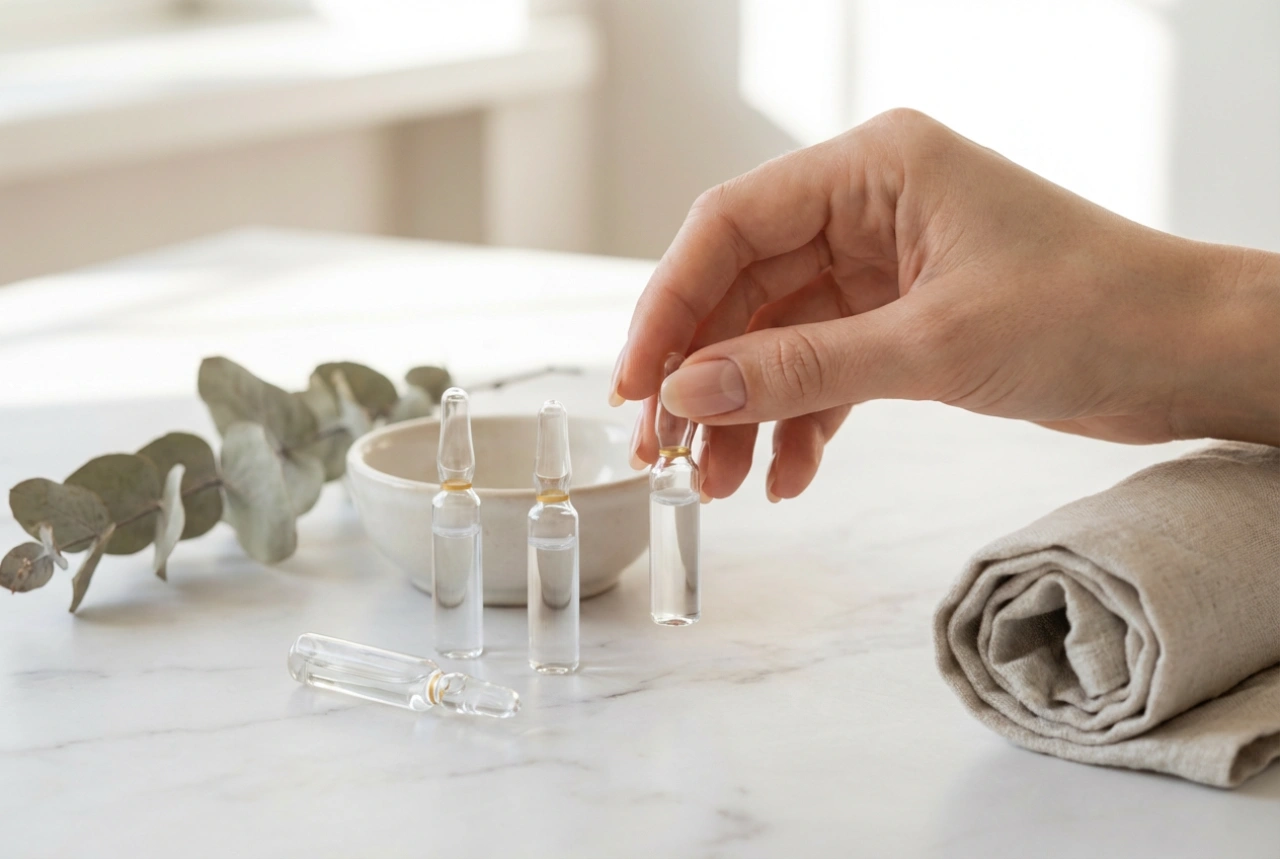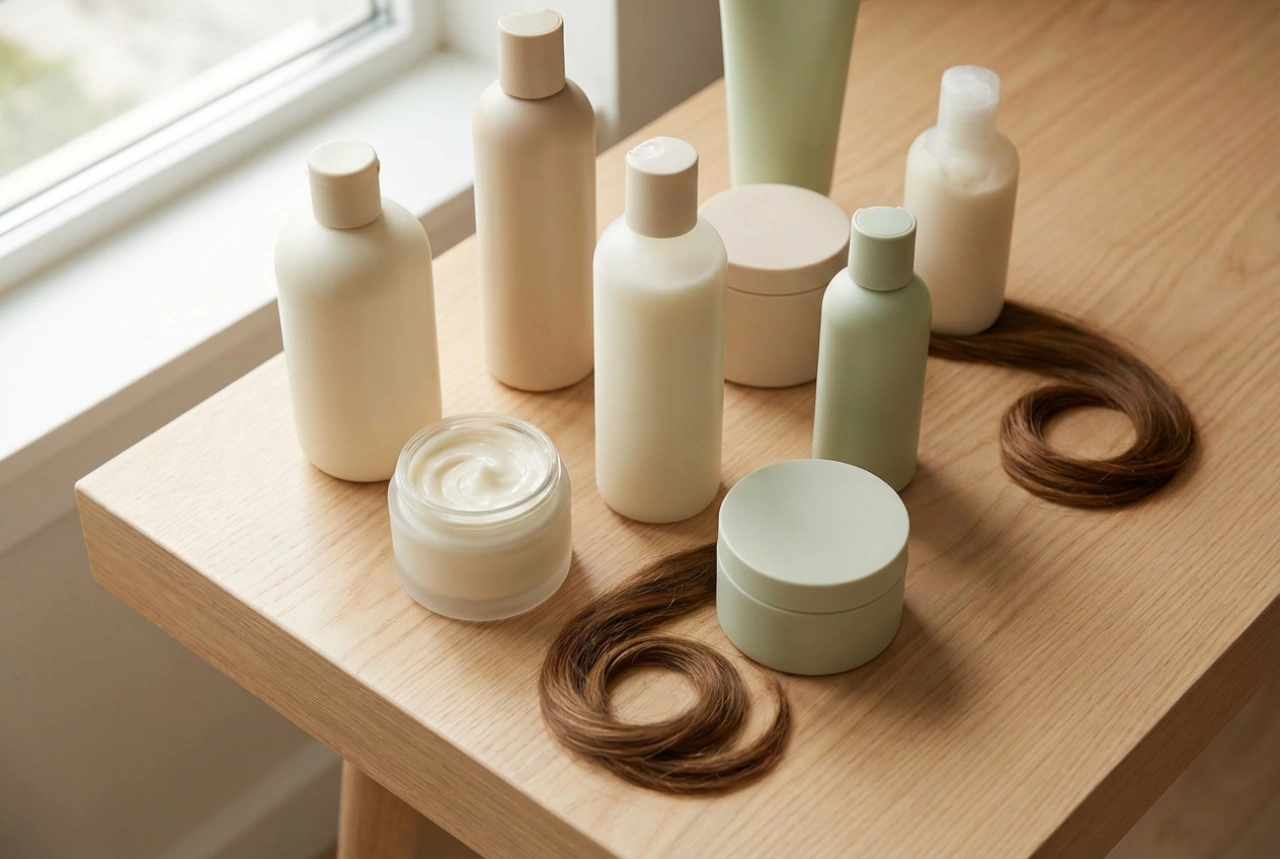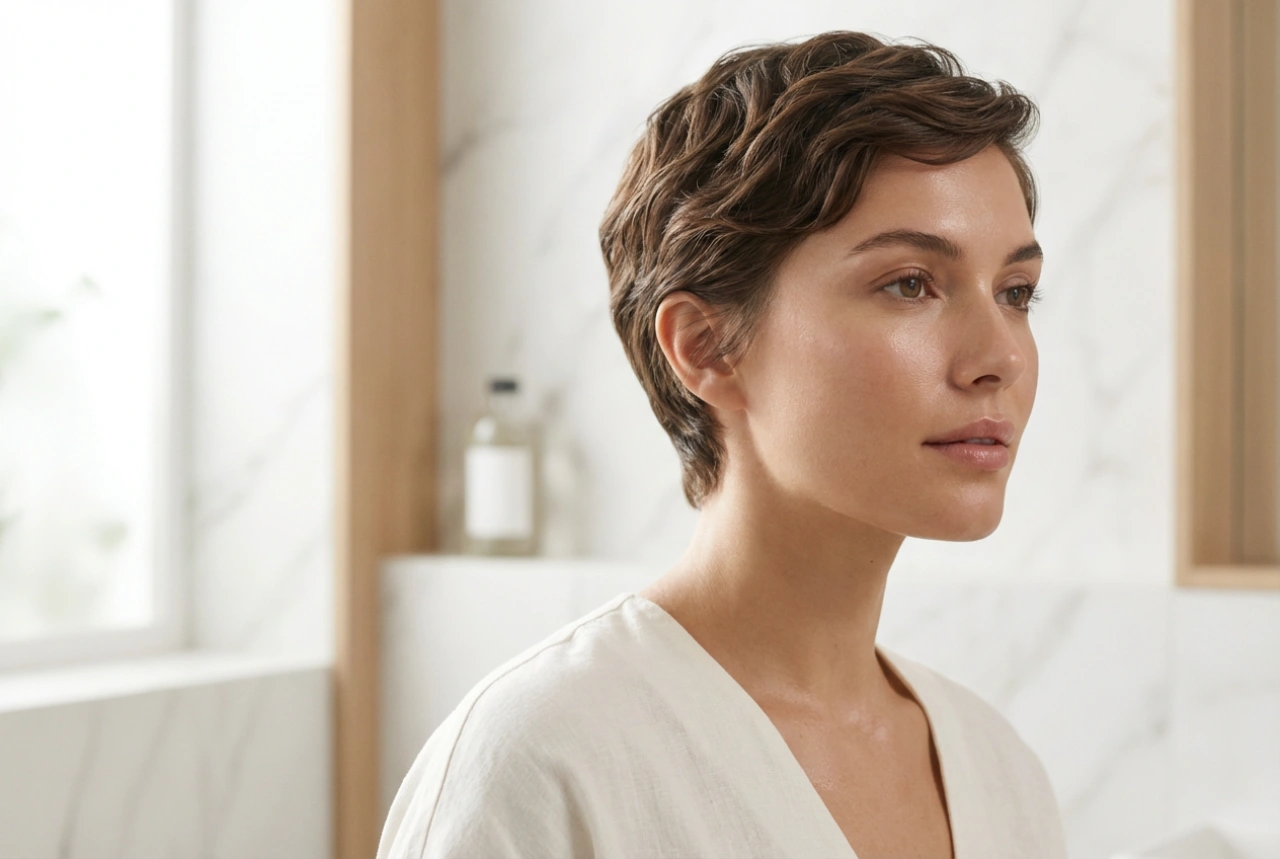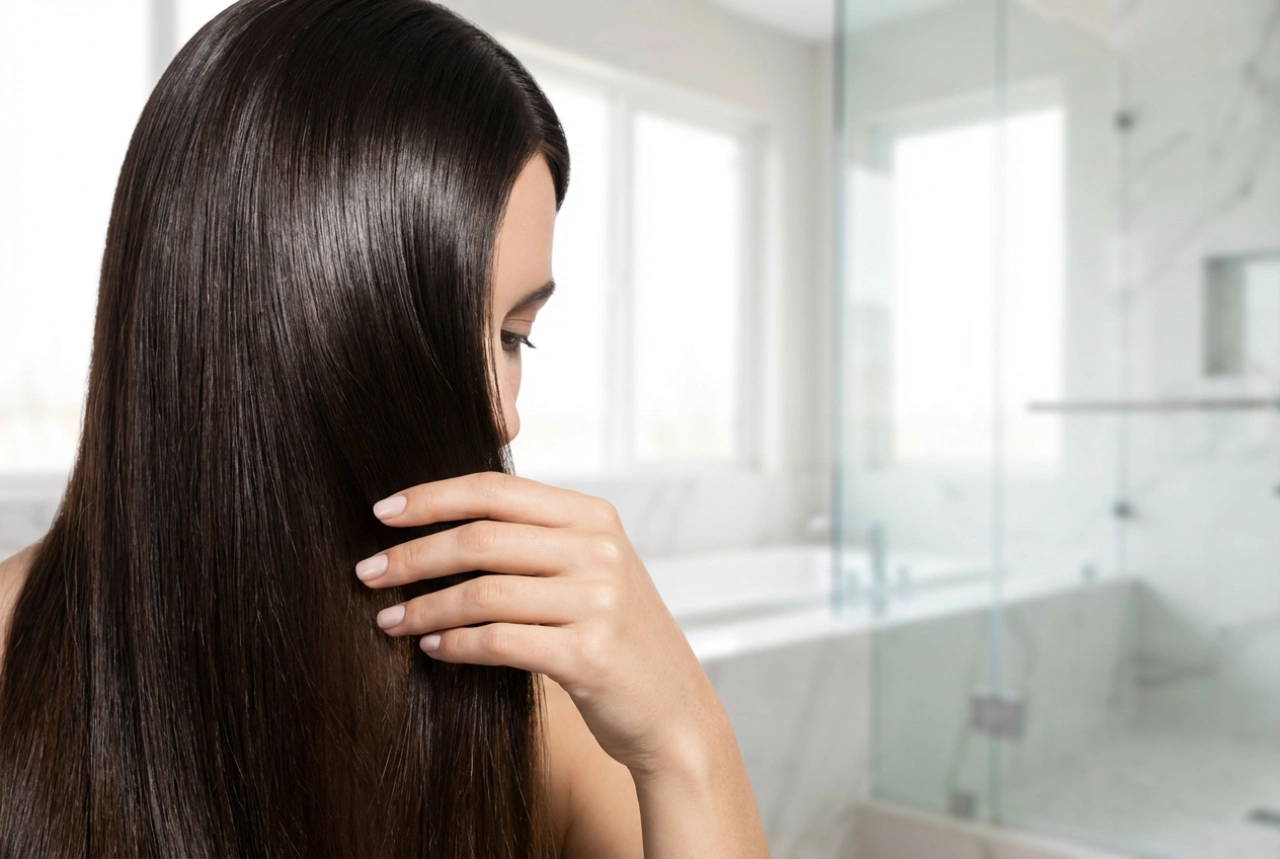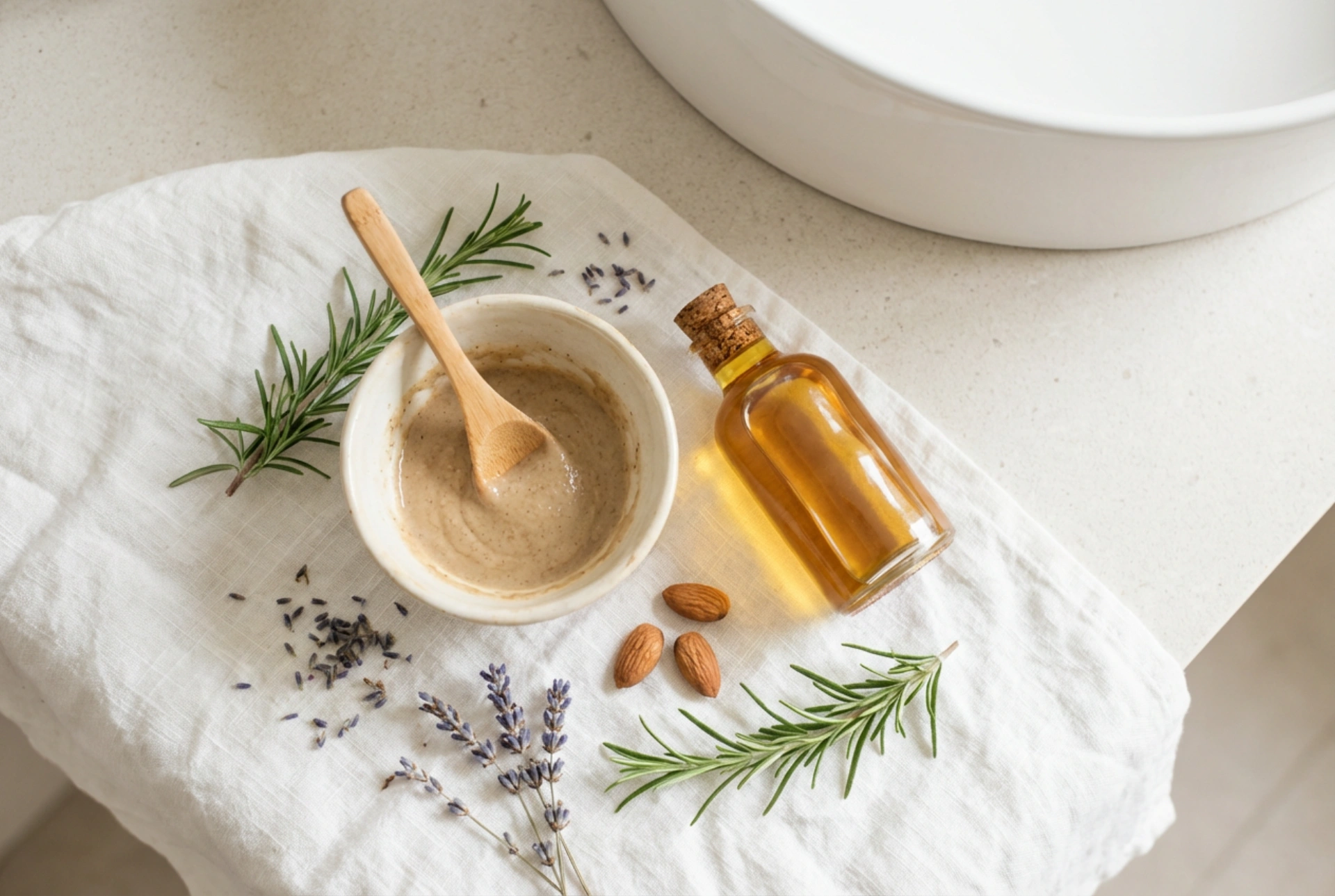


Taking time for a dedicated hair care ritual at home is one of the most rewarding ways to restore shine and vitality to your locks. When we look at simple, natural ingredients—such as botanical oils in delicate bottles and pure extracts ready to be blended in a ceramic bowl—we are reminded of the power of gentle, mindful beauty routines. Creating a professional-style hair mask in the comfort of your own home does not require complex equipment; rather, it demands an understanding of what your hair needs and how different botanical elements work together to nourish the hair shaft. By selecting the right ingredients and applying them with the correct frequency, you can elevate your regular washing routine into a deeply therapeutic treatment.
Identifying Your Hair Type and Needs
Before mixing any ingredients, it is essential to assess the current state of your hair. Hair generally requires two main types of care: hydration (moisture) and nourishment (emollients and proteins). If your hair feels dry, brittle, and rough to the touch, it is likely craving intense moisture and softening emollients. On the other hand, if your hair is limp, lacks elasticity, and loses its shape easily, it may benefit from structural support. Fine hair requires lightweight formulations that wash out easily without leaving a greasy residue, whereas thick or coarse hair can tolerate much richer, heavier botanical oils that deeply penetrate the hair fibres.
Key Botanical Ingredients for At-Home Masks
An effective DIY hair mask relies on high-quality, natural ingredients that work in harmony. You do not need a vast array of components; a few carefully chosen items will yield the best results.
Nourishing Botanical Oils
Oils act as excellent emollients, sealing in moisture and smoothing the hair cuticle. For fine or easily weighed-down hair, lightweight options like jojoba oil or sweet almond oil are ideal because they mimic the skin's natural sebum. For thicker, coarser, or extremely dry hair, richer oils such as avocado oil, coconut oil, or argan oil provide deep conditioning and help to restore natural elasticity and shine.
Hydrating Bases
To provide true hydration, your mask needs humectants—ingredients that attract and bind water to the hair shaft. Pure aloe vera gel is an outstanding hydrating base; it is light, soothing, and easily absorbed. Organic honey is another powerful natural humectant that adds incredible shine and softness, though it should always be diluted with an oil or a light conditioner base to make application and rinsing easier.
Step-by-Step Preparation and Application
To recreate a professional experience, the preparation and application process should be treated as a relaxing beauty ritual. Begin by choosing a clean ceramic or glass bowl and a wooden spoon to blend your ingredients, avoiding metal utensils which can sometimes react with active botanical components. Start with your chosen hydrating base, gradually stirring in your selected oils until you achieve a smooth, uniform consistency.
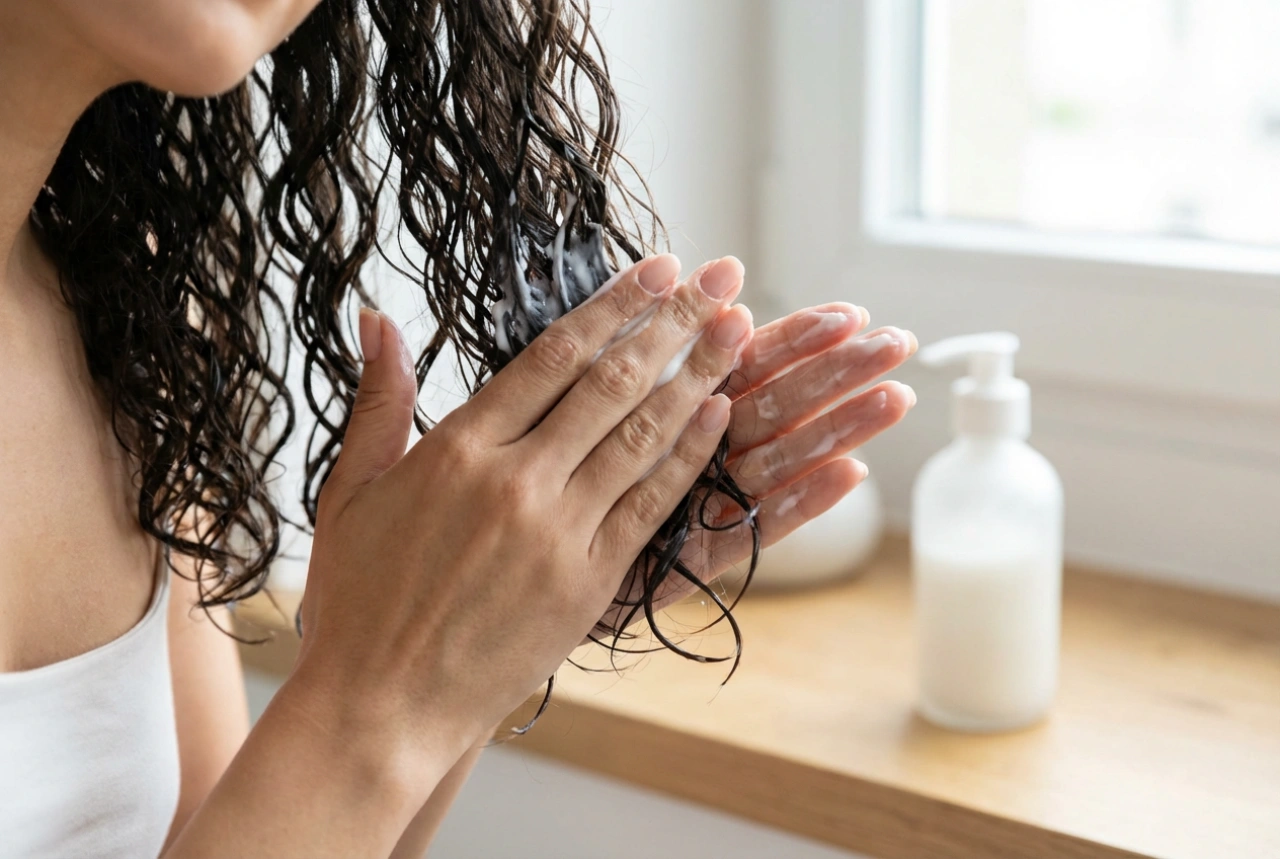
Apply the mask to damp, freshly washed hair that has been gently towel-dried. Focus the application from the mid-lengths down to the ends, as these are the oldest and most vulnerable parts of the hair. Avoid applying heavy oils directly to the scalp to prevent clogged pores or flat roots. Once applied, gently comb the mixture through with a wide-tooth wooden comb to ensure even distribution. For an enhanced treatment, wrap your hair in a warm, damp towel; the gentle heat helps to open the hair cuticle, allowing the beneficial ingredients to penetrate more deeply. Leave the mask on for twenty to thirty minutes, then rinse thoroughly with lukewarm water, followed by a light shampoo if necessary to remove any residual oil.
Determining the Ideal Frequency
How often you should treat your hair to a mask depends entirely on your hair type and lifestyle. Over-masking can lead to a phenomenon known as hygral fatigue, where the hair becomes overly soft, limp, and weak from excessive moisture retention.
- Fine or Oily Hair: A lightweight mask applied once every two weeks is generally sufficient to maintain shine and manageability without weighing the hair down.
- Normal to Dry Hair: A weekly treatment helps to maintain a healthy moisture balance and protects the hair from daily environmental stressors.
- Thick, Curly, or Coarse Hair: This hair type naturally loses moisture more quickly and can benefit from a rich, nourishing mask once or twice a week to keep curls defined and frizz at bay.
By listening to your hair and adjusting the ingredients and frequency accordingly, you can create a highly effective, natural hair care routine that delivers beautiful, salon-like results at home.