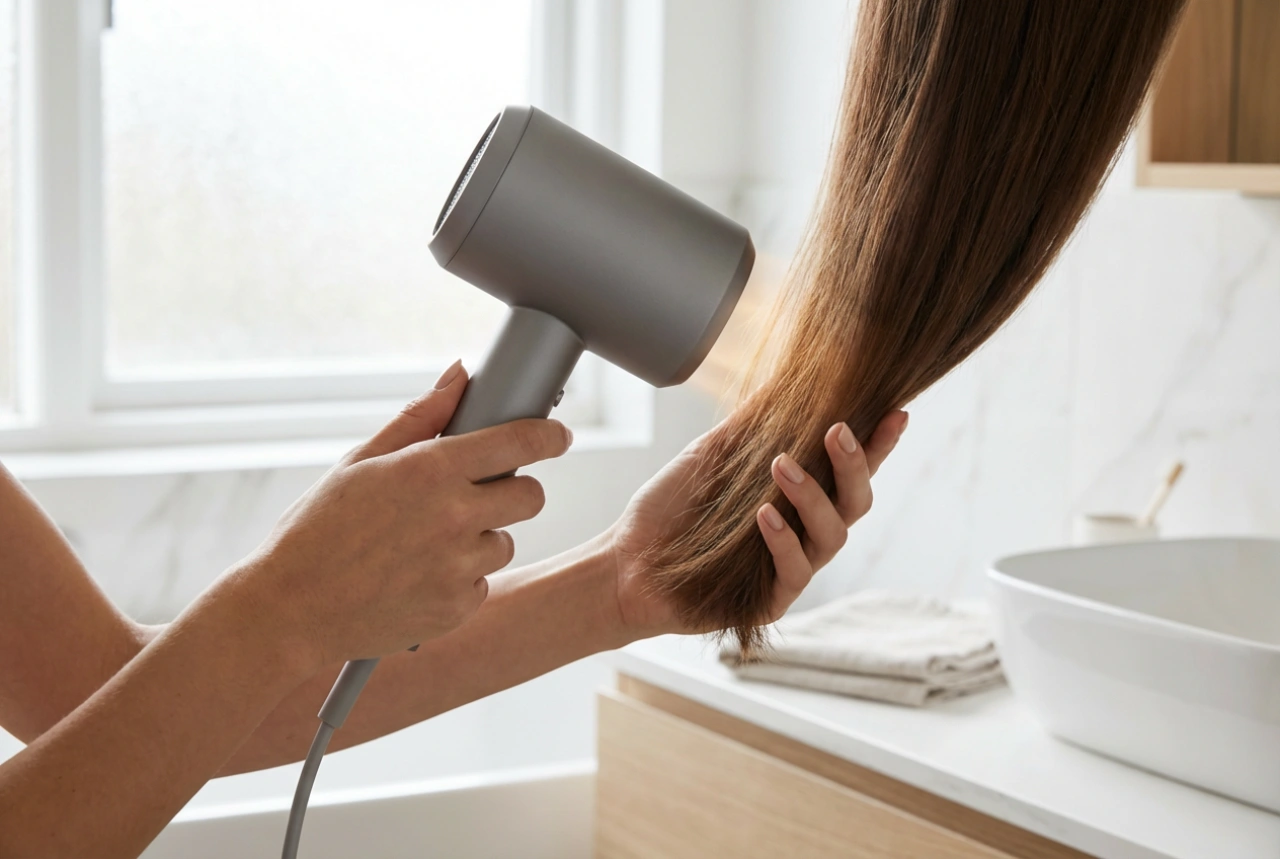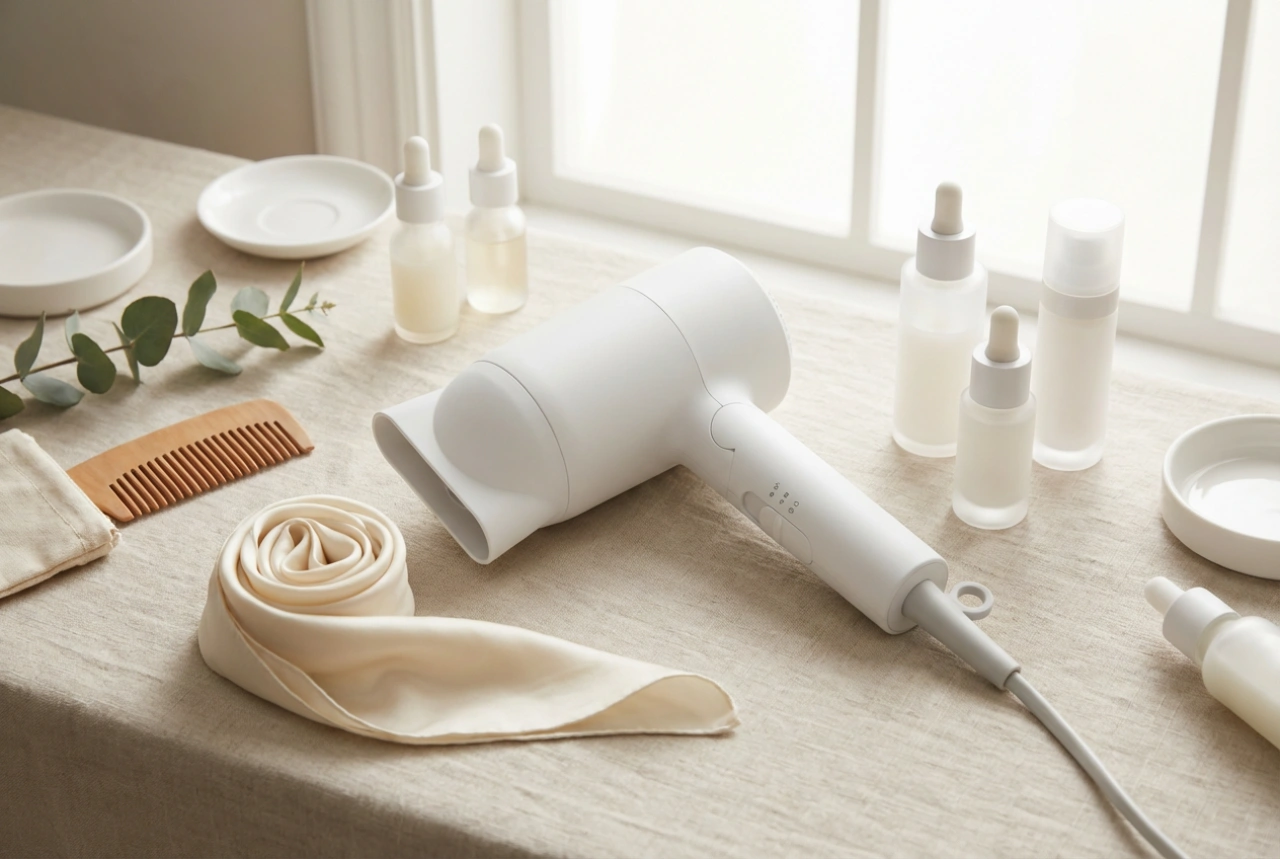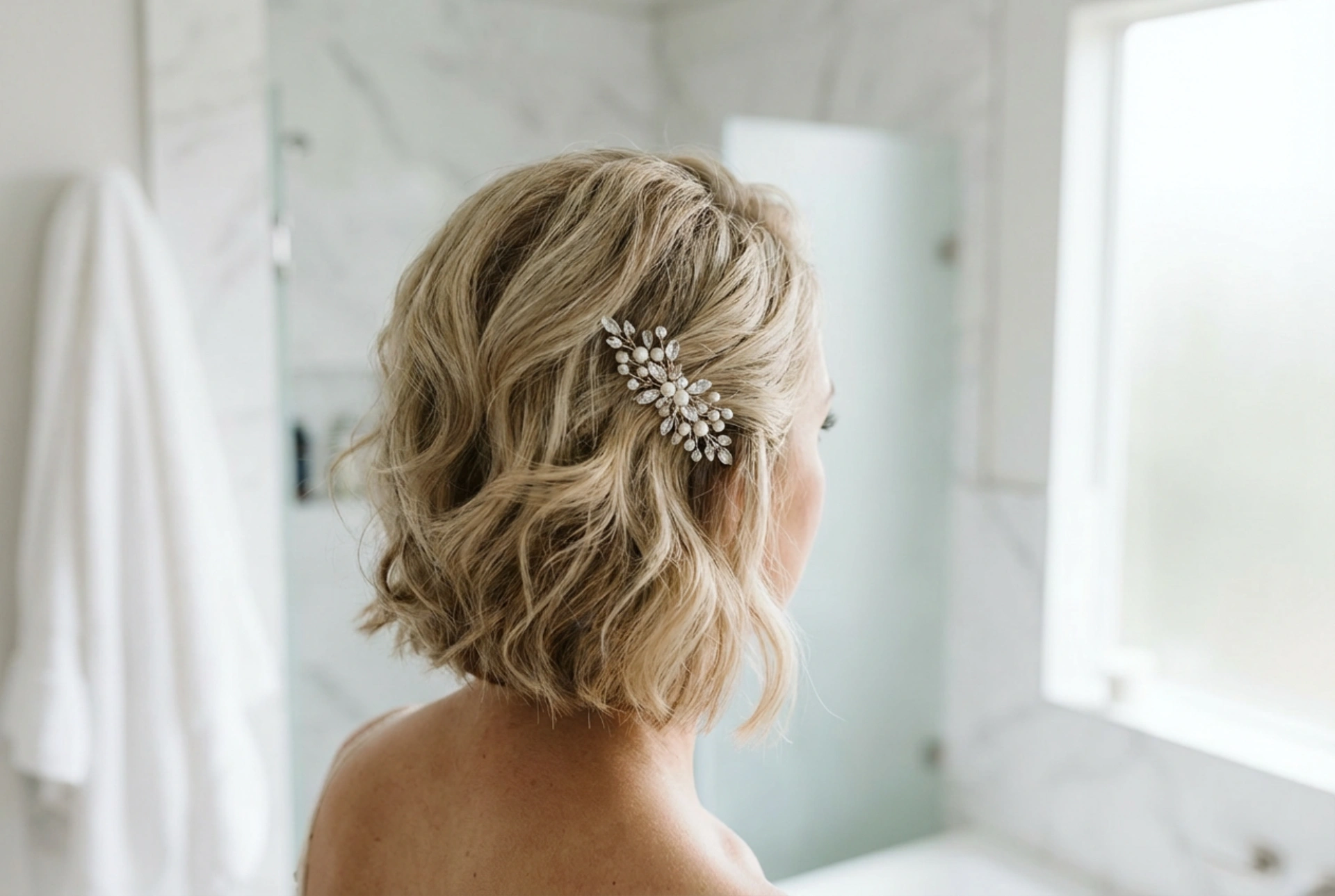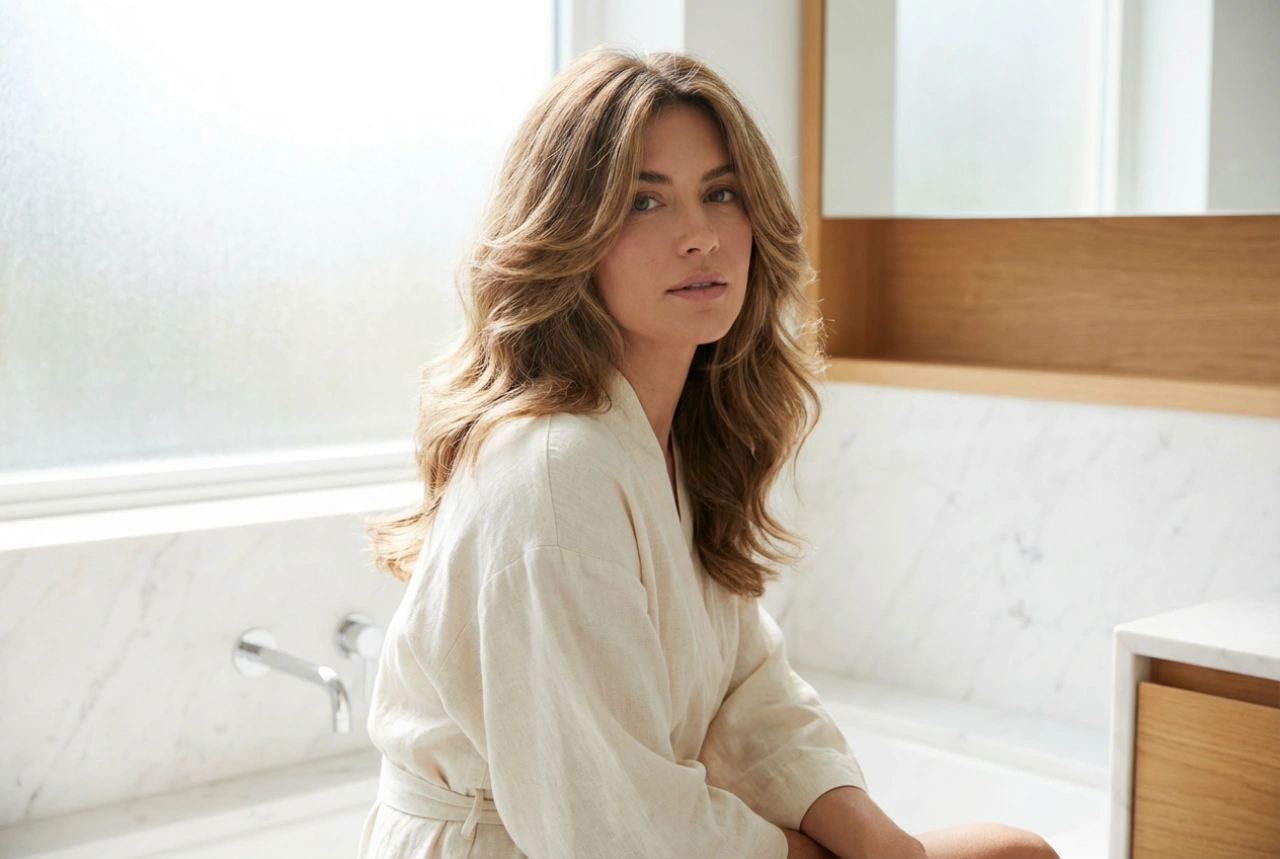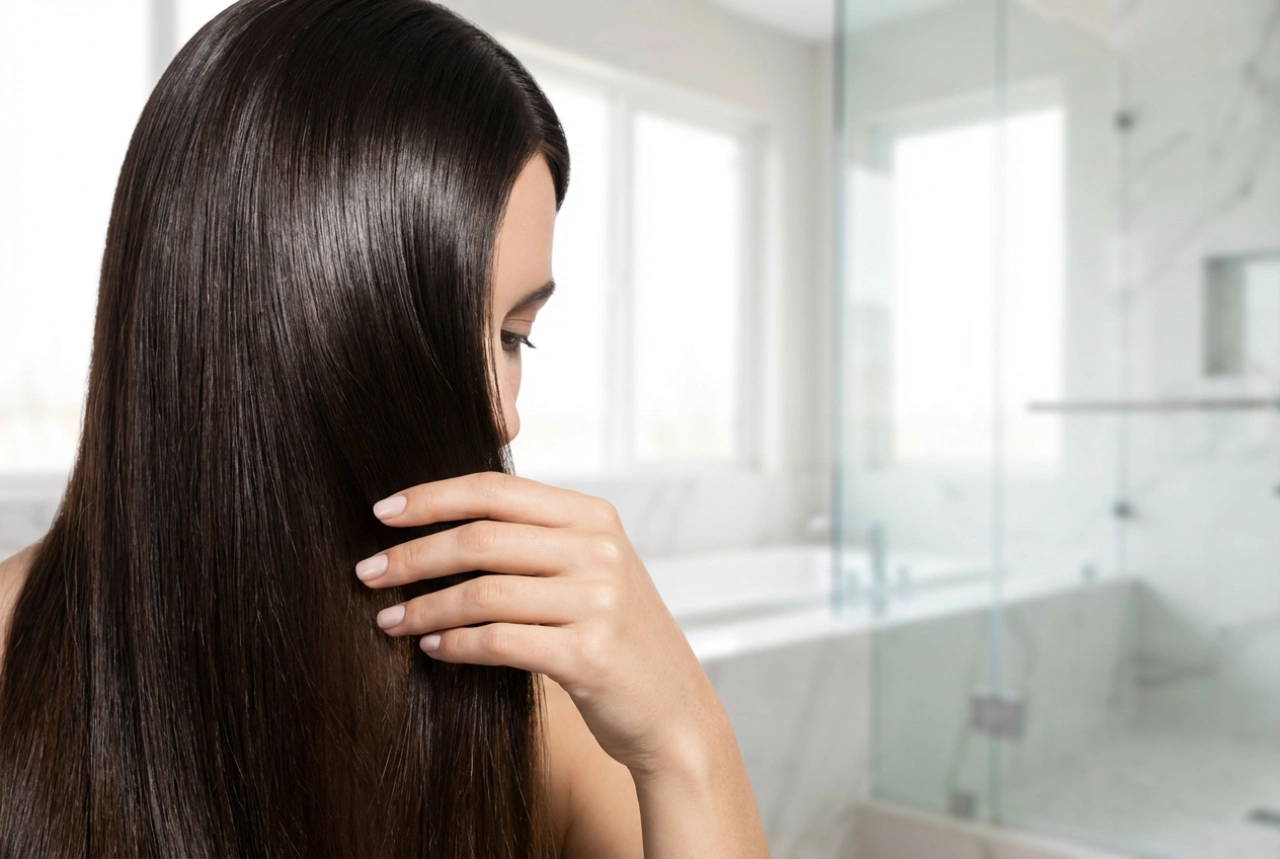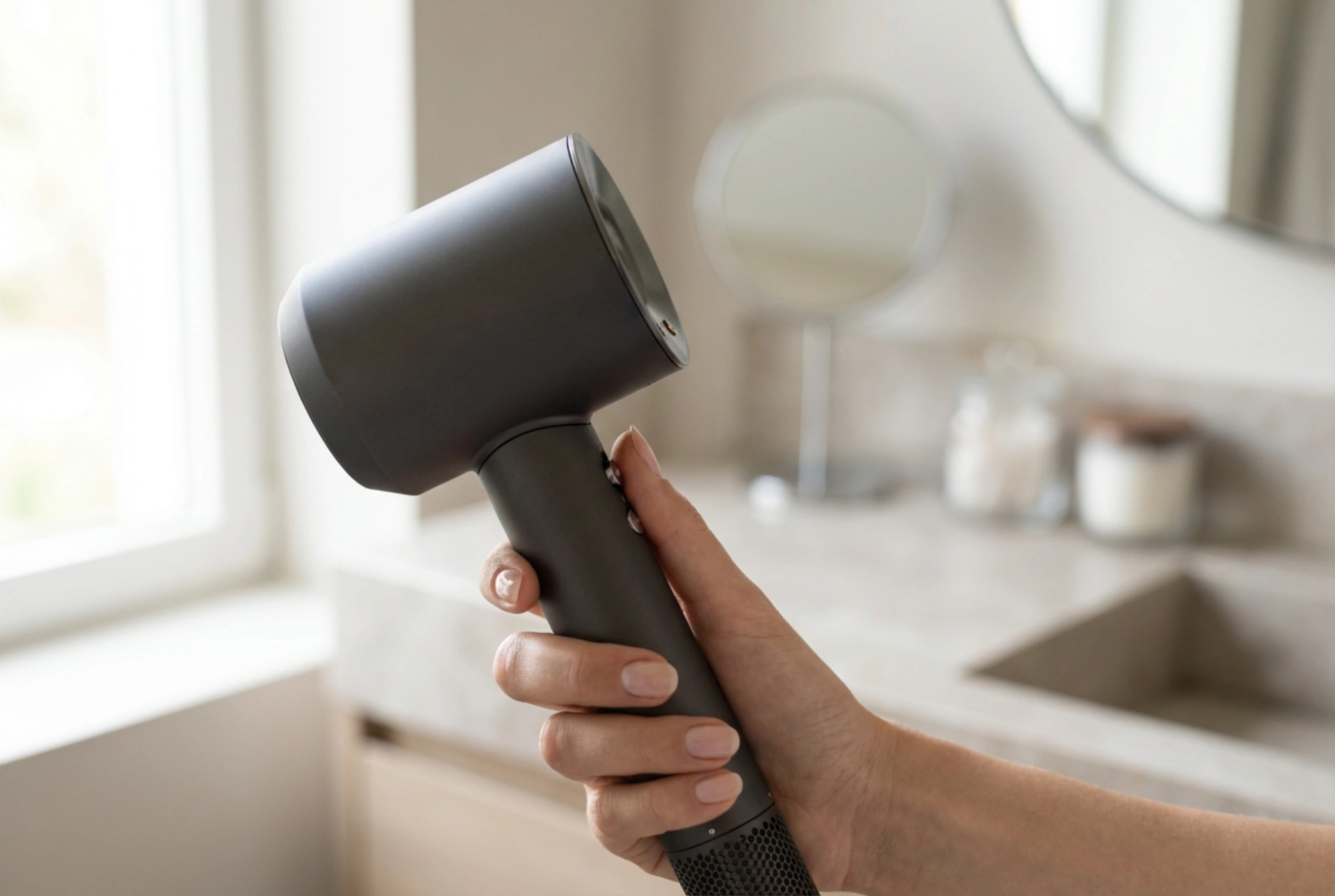


A sleek, professional hair dryer held in hand over a neutral vanity represents more than just a styling tool; it symbolises an elevated, mindful daily hair care routine. Achieving salon-quality results at home often comes down to the technology we use and how we manipulate it to suit our hair's unique structure. While a standard dryer simply blows hot air to evaporate moisture, a professional-grade device offers precise control over heat and airflow, minimising damage and enhancing natural shine.
What Makes a Hair Dryer Truly Professional?
To understand why professional hair dryers are favoured by experts, it is essential to look beyond the exterior design and examine the internal mechanics. The primary difference lies in the motor. Standard household dryers typically use lightweight DC motors, which are suitable for occasional use but tend to wear out faster and offer less consistent air pressure. Professional models, on the other hand, are equipped with robust AC (Alternating Current) or advanced digital motors. These are designed to deliver a powerful, highly concentrated stream of air, significantly reducing drying time while maintaining a stable temperature.
In addition to the motor, professional tools feature sophisticated heat-regulation systems. Built-in sensors monitor the air temperature multiple times per second, ensuring it never reaches a threshold that could cause thermal damage to the hair shaft. This level of precision protects the delicate keratin structure of your hair, preventing the dryness and brittleness often associated with standard drying tools.
Finally, material composition plays a vital role. Professional devices often incorporate ceramic, tourmaline, or titanium components. Ceramic and tourmaline help distribute heat evenly and emit infrared energy, which gently warms the hair from the inside out. This process seals moisture into the cuticle, leaving the hair looking smoother, healthier, and remarkably frizz-free.
The Power of Airflow: Speed and Temperature Settings
Many people make the mistake of using their hair dryer on the highest heat and speed settings at all times, assuming this is the most efficient way to dry their hair. However, customising these settings is the key to achieving a polished finish while preserving hair health. Professional dryers provide independent controls for both airflow speed and temperature, allowing you to tailor the drying process to your specific styling goals.
Airflow speed controls how quickly water is pushed off the surface of the hair. High speed is excellent for removing bulk moisture quickly from thick or dense hair. However, as the hair begins to dry, lowering the speed is crucial. High airflow on nearly dry hair can cause the strands to whip against one another, leading to tangles, frizz, and cuticle damage. Lower speed settings allow for precise styling, letting you shape sections of hair with a brush without blowing the surrounding strands out of place.
The Crucial Role of the Cold Shot Button
One of the most underutilised features on a professional hair dryer is the cold shot button. Heat is used to temporarily break the hydrogen bonds in the hair, allowing you to reshape it (for example, creating volume at the roots or curving the ends). However, if the hair cools down naturally without intervention, the style can quickly lose its shape.
The cold shot button delivers a sudden blast of cool air that rapidly cools the hair, locking the newly formed hydrogen bonds into place. This sets the style, ensuring your volume or curl lasts throughout the day. Furthermore, cool air helps to flatten and close the hair cuticle. A closed cuticle reflects light more effectively, giving the hair a beautiful, natural-looking shine and an incredibly smooth texture.
How to Adjust Settings for Your Hair Type
Every hair type requires a different approach to drying. Using the same universal setting for fine, delicate strands and thick, coarse curls can lead to unsatisfactory results or unnecessary damage. Here is how you should adjust your professional dryer's settings based on your hair profile:
- Fine or Damaged Hair: Delicate hair structures are highly susceptible to thermal damage. Use a low to medium heat setting combined with a moderate airflow. This gentle approach prevents the hair from overheating and drying out too quickly, which can lead to breakage.
- Thick, Coarse, or Dense Hair: This hair type can retain a significant amount of water. You can safely start with high heat and high speed to remove the bulk of the moisture. However, as the hair transitions from wet to damp, reduce the heat to a medium setting to finish styling without stripping away internal hydration.
- Curly or Wavy Hair: To preserve the natural pattern of curls and prevent frizz, use a low speed setting combined with medium heat. High speed will disrupt the curl clumps, causing them to separate and frizz. Pairing this with a diffuser attachment distributes the gentle airflow evenly around the curls.
Essential Attachments for Professional Styling
A professional hair dryer is only as versatile as its attachments. Most high-quality models come with accessories designed to direct and modify the airflow for specific styling techniques:
The concentrator nozzle is a narrow, flat attachment that focuses the airflow into a targeted stream. This is essential for achieving a sleek, straight blow-dry. By directing the concentrated air down the hair shaft (from roots to ends), you encourage the cuticle scales to lie flat, resulting in a smooth finish with incredible shine. Always ensure the nozzle points downwards to avoid roughing up the cuticle.
The diffuser, conversely, is a large, bowl-shaped attachment with prongs. It is designed to disperse the airflow over a wider area rather than concentrating it. This gentle, wide-angle air distribution simulates natural air-drying, which is ideal for enhancing natural curls, waves, and texture while keeping frizz to an absolute minimum.
Best Practices for a Safe Blow-Drying Routine
To truly elevate your hair care routine, combine professional equipment with safe styling habits. Always start by gently blotting your hair with a microfiber towel to remove excess water; never rub your hair aggressively, as wet hair is highly vulnerable to friction damage. Apply a high-quality, lightweight heat protectant evenly throughout your damp strands before introducing any heat.
When drying, maintain a safe distance of at least fifteen to twenty centimetres between the dryer nozzle and your hair. Keep the dryer in constant motion to prevent heat from concentrating on a single spot for too long. By mastering these simple techniques and understanding how to adjust your professional dryer's settings, you can enjoy a beautifully styled, healthy-looking mane every single day.