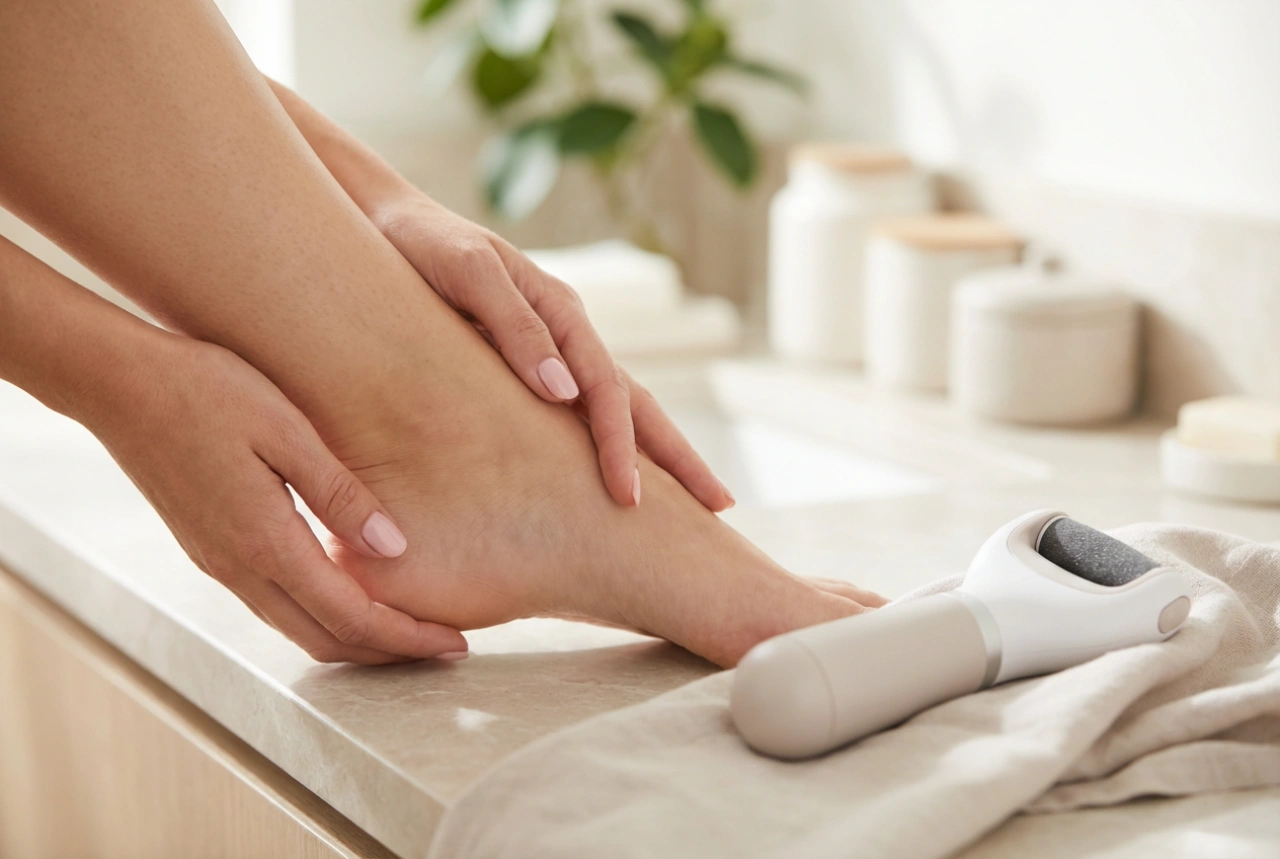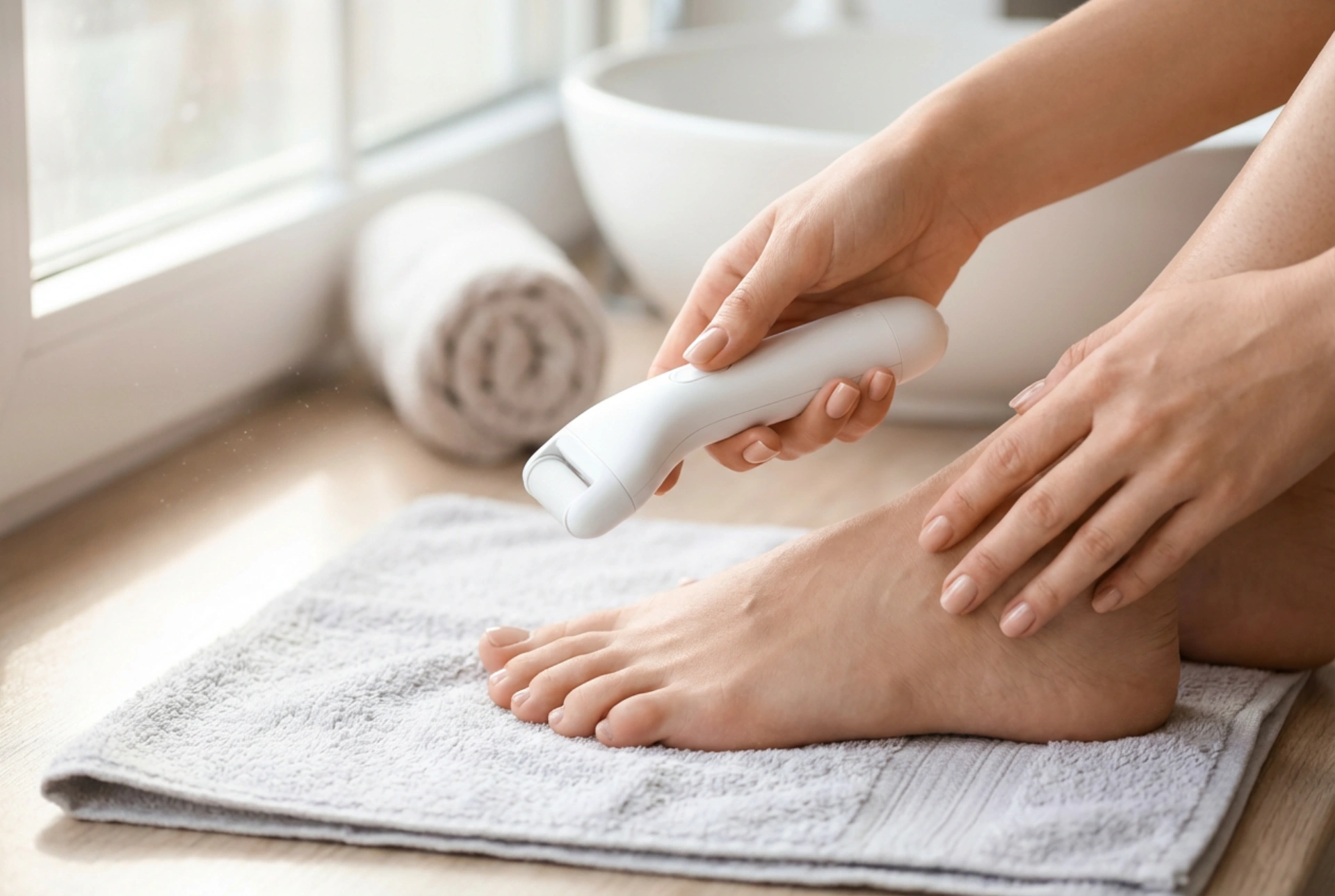


Achieving soft, beautifully smooth feet at home has never been easier, thanks to the evolution of modern pedicure tools. When you hold a sleek, electric foot file in your hands, ready to begin your self-care routine, you are taking a step toward professional-grade cosmetic care. Set against a serene backdrop of a plush towel and soft natural light, using an electric foot file transforms a simple chore into a soothing, mindful ritual. Understanding how to use this tool, select the correct attachments, and apply the proper technique is key to maintaining healthy-looking skin without risking irritation.
The Benefits of an Electric Foot File in Your Routine
Unlike traditional manual files or pumice stones, an electric foot file offers controlled, consistent exfoliation. It operates with a rotating roller head covered in micro-abrasive particles that gently sweep away hardened skin cells. This automated action minimizes the physical effort required and provides a more uniform finish. By incorporating this tool into your regular cosmetic care, you can easily manage dry areas and maintain a velvety-soft texture. It is a highly efficient way to keep your feet looking pristine and groomed throughout the seasons.
The beauty of the electric foot file lies in its precision. While manual filing can sometimes lead to uneven pressure and accidental over-exfoliation, the electric counterpart distributes energy evenly across the skin's surface. This makes it an ideal choice for targeting stubborn patches around the heels, the sides of the big toes, and the balls of the feet with minimal hassle.
Selecting the Right Roller Heads and Attachments
Most electric foot files come with interchangeable roller heads designed for different levels of skin thickness and sensitivity. Choosing the appropriate grit is crucial for achieving the best results while protecting the delicate layers of your skin. Here is a guide to the most common types of attachments:
- Extra Coarse Roller Heads: These are designed for thick, stubborn areas of dry skin. They feature larger abrasive particles that quickly break down the outer layers of buildup. They should be used sparingly and only on areas that require intensive smoothing.
- Regular Coarse Roller Heads: Ideal for standard maintenance, this grit is perfect for regular cosmetic sessions. It effectively smooths out moderate dryness and keeps the heels looking fresh and even.
- Fine or Smoothing Roller Heads: Featuring a very gentle, fine-grained texture, these attachments are perfect for finishing touches. They polish the skin to a silky-smooth glaze and are safe for softer areas of the foot.
When starting a session, it is usually best to begin with a coarser roller to address any dry patches, and then transition to a fine roller to buff the surface to a flawless finish. This progressive approach ensures that the skin is polished gently without causing unnecessary friction or heat buildup.
The Correct Technique for Safe and Effective Filing
To get the most out of your electric foot file, technique is everything. Using the tool incorrectly can lead to friction burns or uneven skin. For optimal safety and cosmetic results, follow these essential steps during your home pedicure:
Dry Versus Wet Filing
While some modern devices are designed to be water-resistant, dry filing is generally recommended for cosmetic precision. Dry skin is easier to assess, allowing you to clearly see which areas require attention. Filing wet skin can sometimes lead to over-exfoliation because the water softens the skin to a point where it is difficult to distinguish between hardened areas and healthy tissue. Ensure your feet are completely dry and clean before you begin.
Applying the Right Movement and Pressure
Turn on the device and gently place the rotating roller against the dry skin. Do not press down hard. Electric foot files are engineered to stop rotating if too much pressure is applied, which is a built-in safety feature to protect your skin. Let the tool do the work for you. Move the file continuously in slow, sweeping motions across the targeted areas. Avoid holding the roller in one spot for more than two to three seconds to prevent heat buildup from friction.
Post-Treatment Hydration
Once you have finished filing, rinse your feet with lukewarm water to remove any residual skin dust. Dry them thoroughly with a soft towel. To seal in the smoothness and restore the skin's moisture barrier, immediately apply a rich foot cream or cosmetic balm. Look for formulas containing hydrating ingredients like glycerin, shea butter, or light natural oils. Massaging the cream into your heels and soles completes the professional-feeling experience.
Creating a Relaxing Atmosphere
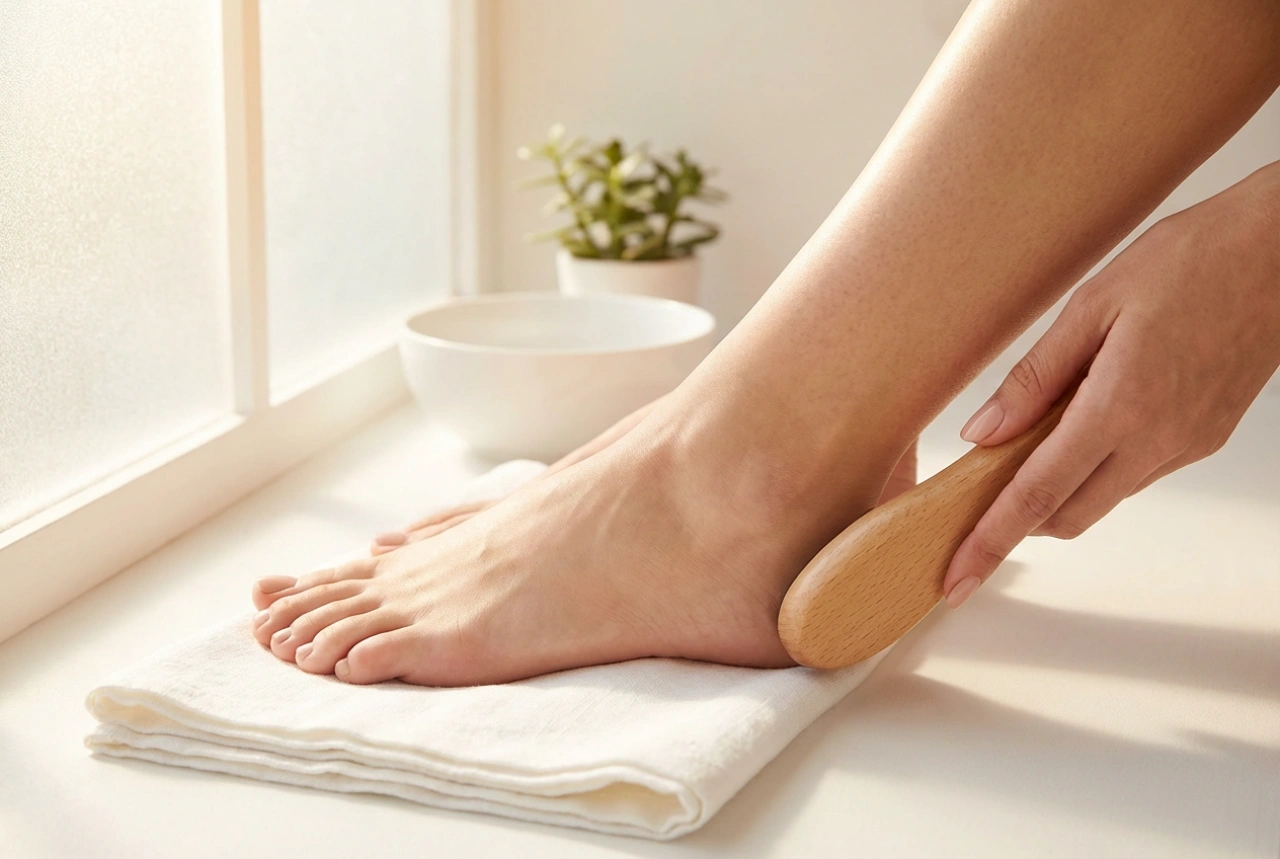
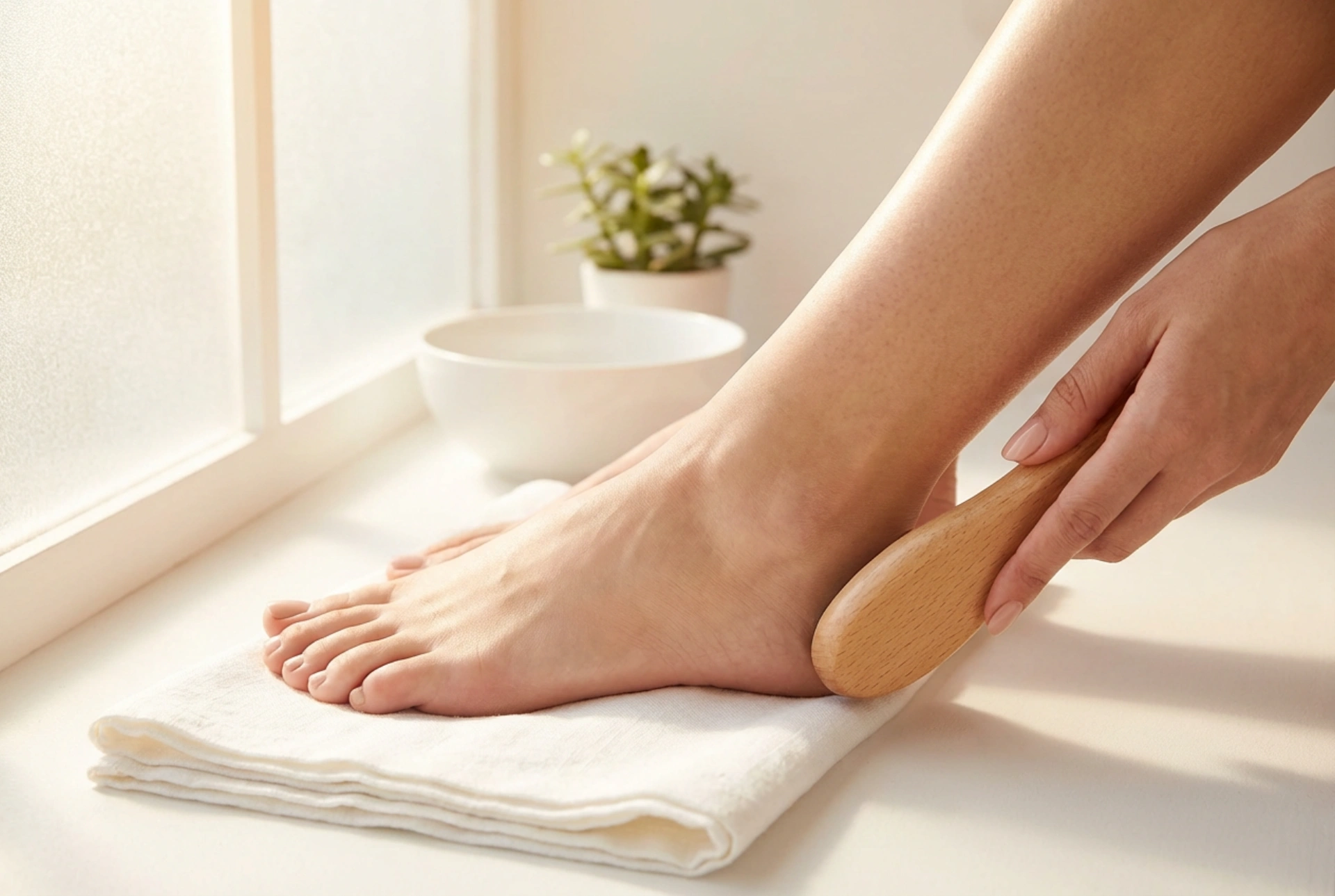
To truly elevate your foot care routine, consider the environment in which you perform it. Setting aside dedicated time in a quiet, well-lit space can turn a routine cosmetic task into a peaceful escape. Lay down a soft, clean towel, ensure you have comfortable seating, and let natural light fill the room. This mindful approach not only makes the process more enjoyable but also allows you to focus closely on the areas of your feet that need the most care, ensuring a precise and satisfying result.
Maintenance and Long-Term Care of Your Device
Keeping your electric foot file clean and well-maintained is essential for both hygiene and performance. Over time, dead skin particles gather between the micro-abrasive grains on the roller head, reducing its exfoliating power. After every use, detach the roller head and rinse it under warm running water, using a small brush if necessary to clear away debris. Allow it to air-dry completely before reattaching it to the handle.
Remember that roller heads do wear down over time. Depending on how frequently you use the tool, you should replace the attachments every few months to ensure they continue to perform effectively. Using a worn-out roller will require you to apply more pressure, which defeats the purpose of the gentle, automated technology and can lead to a less-than-perfect finish.