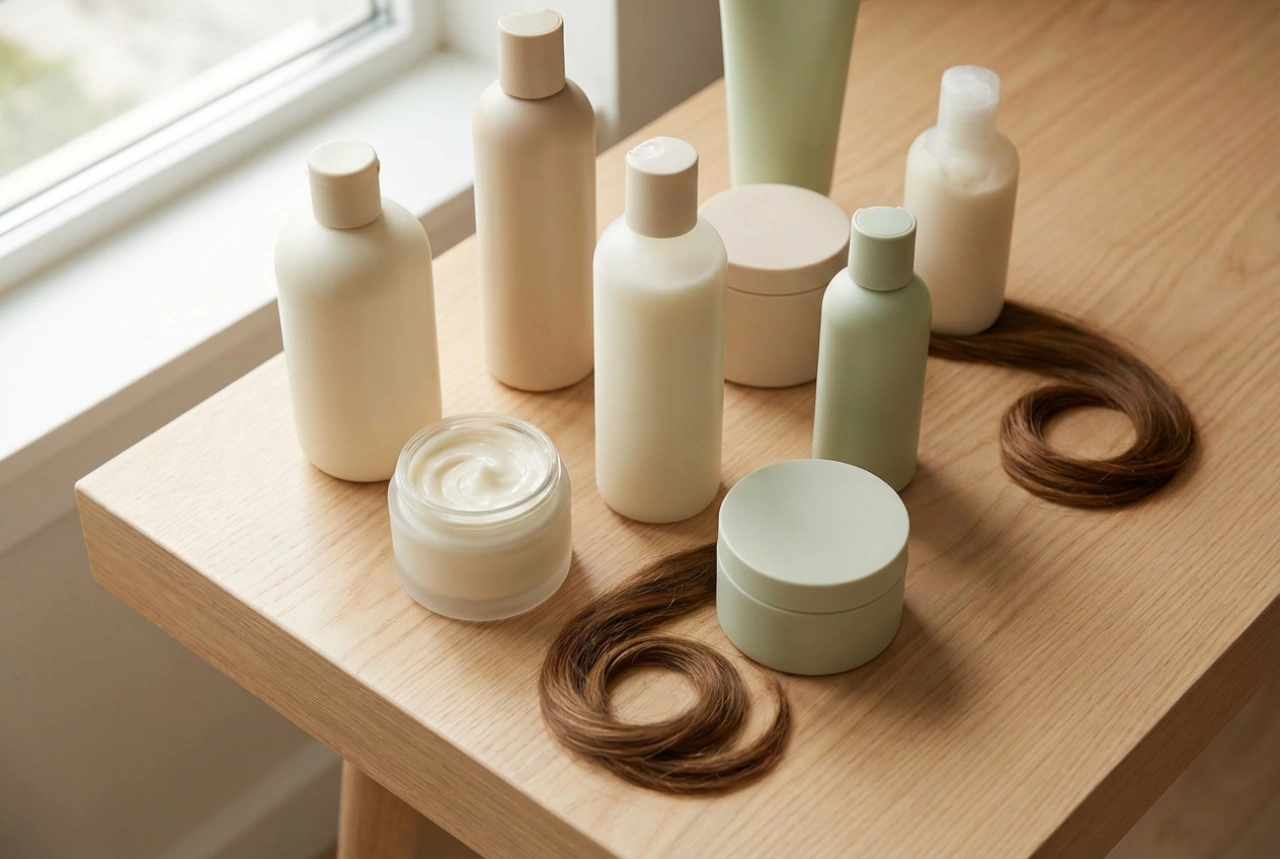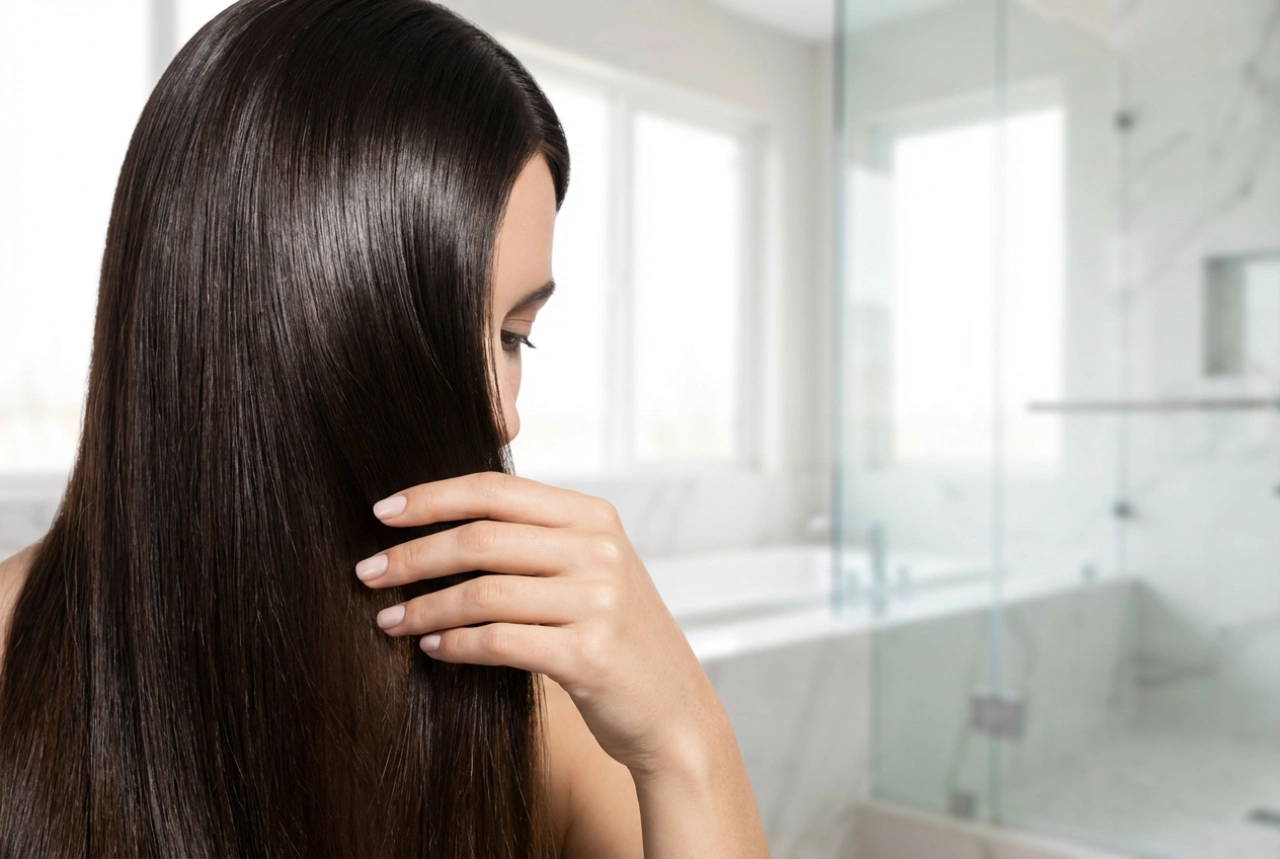


Hair that feels rough, tangles easily, and lacks a healthy lustre can be a source of frustration, especially when you are trying to grow it long. The ends of our hair are the oldest and most exposed to daily wear and tear, from styling and environmental factors. This is where emollient conditioners come in, acting as a protective shield to preserve length, smooth the hair's surface, and restore a beautiful, natural shine.
Understanding Emollients: The Secret to Smooth, Protected Hair
So, what exactly are emollients? In hair care, emollients are oily or waxy substances that form a thin, protective film over the surface of each hair strand. This film serves several crucial functions. Firstly, it helps to lock in moisture that has already been absorbed by the hair, preventing it from escaping and leaving the hair dry and brittle. This is why emollients are essential for maintaining hydration.
Common emollient ingredients you might find in conditioners include natural oils (such as coconut, argan, jojoba, and olive oil), butters (like shea and cocoa butter), fatty alcohols (such as cetyl and stearyl alcohol, which are conditioning, not drying), and silicones. Each works to smooth down the hair's outer layer, known as the cuticle. When the cuticle is flat and smooth, hair reflects more light, resulting in a glossy appearance. This smoothing action also reduces friction between strands, which means fewer tangles and less breakage when brushing or styling.
While particularly beneficial for hair that is naturally dry, coarse, high porosity, or has been chemically processed, almost all hair types can benefit from the protective qualities of emollients. The key is to choose the right type and use them correctly within a balanced routine.
How to Use an Emollient Conditioner: A Step-by-Step Guide
Getting the most out of your emollient conditioner is all about the application technique. Following these steps will ensure your hair reaps all the benefits without feeling heavy or greasy.
Step 1: Start with Clean Hair
Emollients work best when applied to clean hair. After washing your hair with a suitable shampoo, gently squeeze out the excess water. Applying conditioner to soaking wet hair will dilute the product and reduce its effectiveness.
Step 2: Focus on the Lengths and Ends
Dispense a small amount of conditioner into your palm. The amount will depend on your hair's length and thickness. Start applying the product from the mid-lengths down to the ends. This is the oldest, most fragile part of your hair and needs the most protection. Avoid applying rich conditioners directly to the scalp, as this can weigh down the roots and lead to build-up.
Step 3: Distribute Evenly
Use your fingers to gently rake the conditioner through your hair. For more thorough distribution, you can use a wide-tooth comb. This ensures that every strand is coated with the protective emollient film. Be gentle to avoid causing breakage to wet, vulnerable hair.
Step 4: Allow Time to Work
Let the conditioner sit on your hair for the time recommended on the packaging, typically between 3 to 5 minutes. This waiting period allows the ingredients to properly coat the hair shaft and smooth the cuticles.
Step 5: Rinse Thoroughly
Rinse your hair completely with lukewarm water. Make sure no residue is left behind, as this can make your hair feel greasy or heavy. For an extra boost of shine, you can finish with a quick rinse of cool water, which helps to further seal the hair cuticle.
Integrating Emollients into Your Weekly Hair Care Routine
A successful hair care routine is all about balance. Hair needs a mix of three types of ingredients: humectants (to attract moisture), proteins (to add strength and structure), and emollients (to seal and protect). Relying solely on emollient conditioners can sometimes lead to 'over-moisturised' hair, which feels overly soft, limp, and lacks volume.
Listen to your hair to determine the right frequency. If your hair is very dry, coarse, or damaged, you might benefit from using an emollient conditioner with every wash. If you have fine hair that is easily weighed down, you might prefer to use an emollient conditioner once a week, alternating with a lighter, more hydrating or volumising conditioner. Emollients are also perfect as the final step in a multi-step routine. For example, after using a deep-penetrating hydrating mask (rich in humectants), you can apply an emollient conditioner for a few minutes to seal in all that beneficial moisture.
Common Mistakes to Avoid for Best Results
To ensure your hair looks its best, be mindful of these common errors when using emollient products:
- Applying conditioner to the roots: This is the most common cause of greasy, flat hair. Your scalp produces its own natural oils, so it rarely needs the heavy coating that emollients provide. Focus on the mid-lengths and ends only.
- Using too much product: More is not always better. Using an excessive amount of conditioner makes it difficult to rinse out and can lead to build-up, leaving hair lank and dull instead of shiny and soft.
- Rinsing improperly: A hasty rinse can leave a film on the hair. Be patient and rinse until your hair feels clean and smooth, but not slippery or coated.
- Ignoring your hair's feedback: Pay attention to how your hair feels and looks after conditioning. If it feels weighed down, try using less product or a lighter formula. If it still feels dry, you may need a richer emollient or to ensure you're hydrating it properly beforehand.
- Forgetting about balance: Hair that feels mushy and overly soft might be lacking protein. Ensure your routine includes strengthening products if needed to maintain a healthy equilibrium between moisture, strength, and protection.