

For those blessed with natural curls, waves, or coils, the quest for hydration and definition is a daily journey. A key player in this routine, often hailed as a non-negotiable step, is the leave-in conditioner. Unlike its rinse-out counterpart, this product is designed to remain in the hair, providing a continuous layer of moisture and protection. Mastering its application is the difference between limp, frizzy strands and vibrant, beautifully formed curls. It’s a simple product, but the techniques you use to apply it can dramatically elevate your results.
Why a Leave-In Conditioner is Essential for Curls
Curly hair has a unique structure; the bends and twists in the hair shaft make it harder for natural oils from the scalp to travel down to the ends. This makes it inherently more prone to dryness, frizz, and breakage. A leave-in conditioner directly addresses these challenges.
Its primary role is to provide lasting moisture. By forming a light film over the hair strands, it seals in the water absorbed during washing, keeping the hair pliable and hydrated for longer. This sustained moisture is fundamental for healthy-looking curls. Furthermore, this protective layer helps to smooth the hair cuticle, which is the key to controlling frizz and enhancing shine. A smoother cuticle reflects more light and is less likely to snag on other strands, which also aids in detangling. Applying a leave-in to wet hair provides the necessary 'slip' to gently work through knots without causing stress or breakage. Finally, it acts as a perfect base for other styling products, helping them to perform better and creating a foundation for well-defined, cohesive curl clumps.
How to Apply Leave-In Conditioner: Step-by-Step Techniques
The effectiveness of your leave-in conditioner hinges on when and how you apply it. For best results, it should always be applied to clean, soaking wet hair, directly after washing and before any other styling products like mousse or gel. Applying it to wet hair ensures the product is evenly distributed and can lock in the maximum amount of water.
The Raking Method
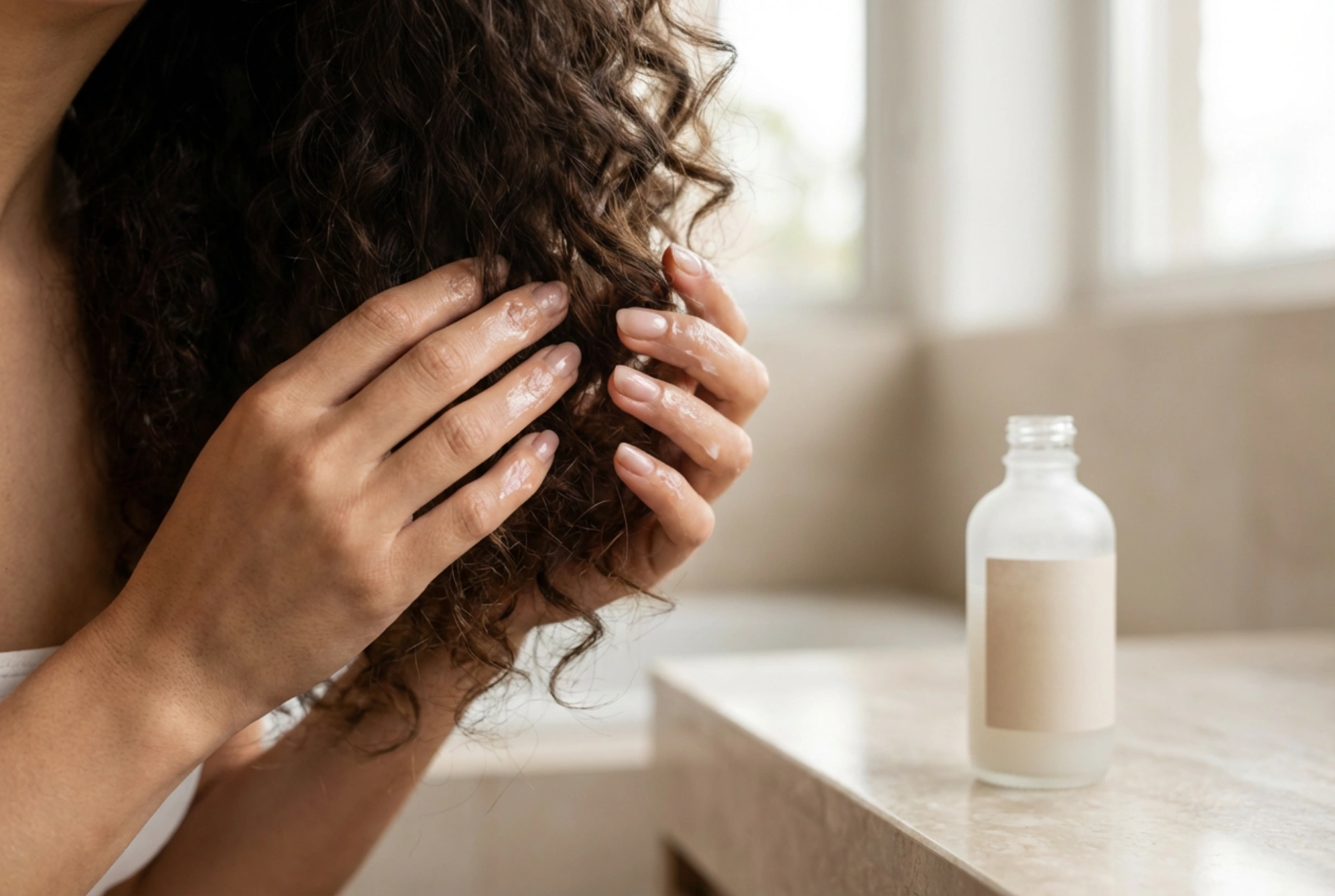
This is one of the most common techniques, ideal for separating curls and ensuring every strand is coated. Start by dispensing the product into your palm. Rub your hands together and then use your fingers like a rake, gently combing the product through your hair from the mid-lengths to the ends. Work in sections to ensure thorough coverage. This method is excellent for detangling and encouraging curl separation, but be gentle to avoid disrupting your natural curl pattern too much.
The Praying Hands Method (Glazing)
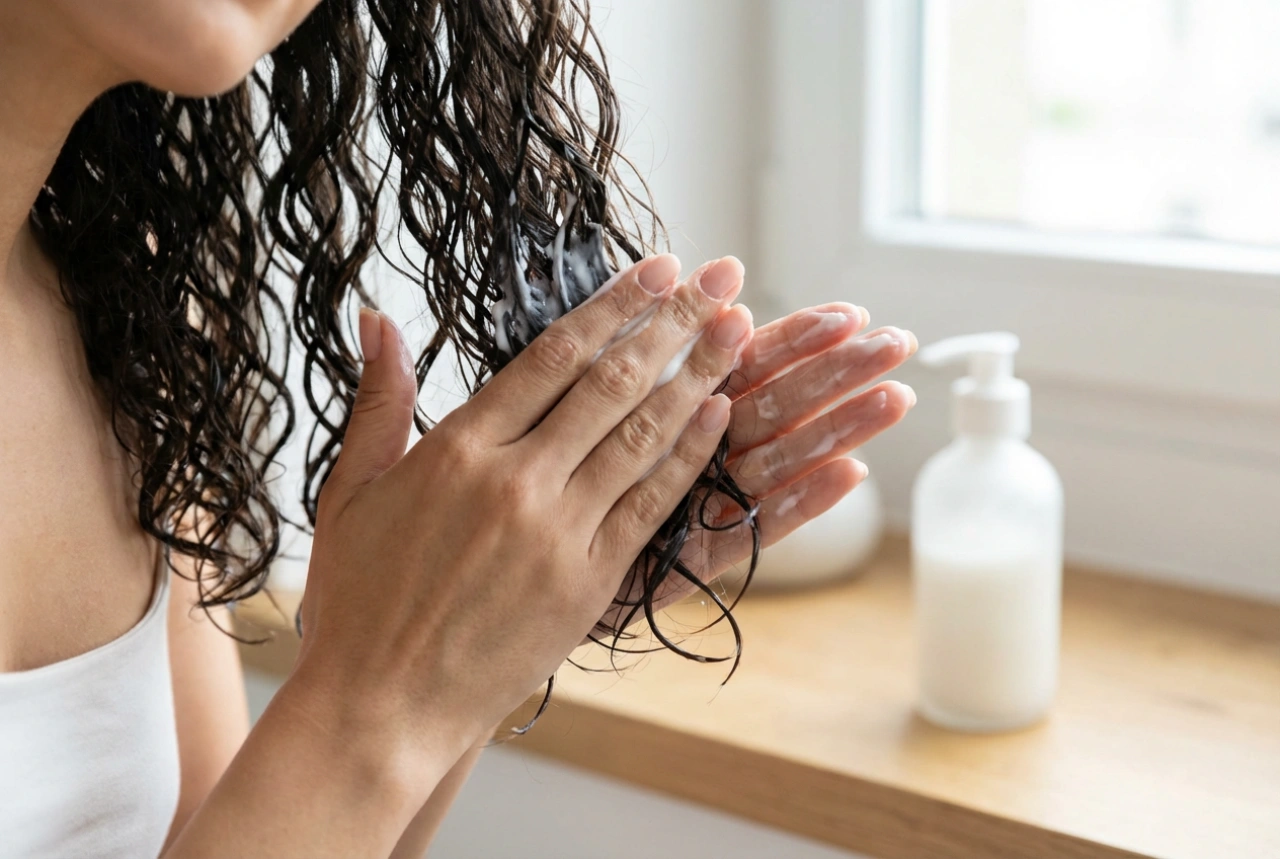
If you find that raking causes frizz or breaks up your curl clumps too much, the 'praying hands' method is a fantastic alternative. Dispense the product and rub it between your palms. Take a section of hair and place it between your hands as if in a prayer position. Glide your hands down the length of the hair from root to tip. This smooths the product over the outside of your curl clumps, sealing the cuticle without pulling the curls apart. It’s an excellent technique for reducing frizz and creating larger, more defined curl families.
The Scrunching Technique
Scrunching is essential for encouraging and enhancing your natural curl pattern. It’s best used after you have already distributed the product using the raking or praying hands method. With some extra product on your palms, flip your head forward or to the side. Gently cup sections of your hair from the ends and scrunch them upwards towards the scalp. Squeeze gently and hold for a few seconds before releasing. This motion helps the curls spring up and form their natural shape. You can often hear a 'squishing' sound, which is a good sign that your hair is well-hydrated.
Common Application Mistakes to Avoid
Even with the right product, small errors in application can hinder your results. Being aware of these common pitfalls can significantly improve your hair's health and appearance.
- Using too much or too little product: Too little, and your hair remains thirsty and frizzy. Too much, and your curls can become weighed down, greasy, or even crunchy. Start with a small amount and add more only if needed. Fine hair typically requires less product than coarse, thick hair.
- Applying to damp or dry hair: Applying a leave-in to hair that is already partially dry is a missed opportunity. The product will not distribute as evenly and cannot effectively trap water within the hair shaft, which is its main purpose. Always apply to dripping wet hair for best results.
- Uneven distribution: Focusing only on the top layer of your hair leaves the underside dry and prone to frizz. Always work in sections to ensure the product reaches every strand, from the nape of your neck to your crown.
- Neglecting the ends: The ends of your hair are the oldest and most fragile part. They need the most moisture and protection. Always give them extra attention when applying your leave-in conditioner to help prevent split ends and dryness.