

Caring for skin prone to imperfections can often feel like a battle. A common instinct is to fight back with powerful, stripping cleansers in an attempt to dry out blemishes and control oil. However, this aggressive approach can frequently backfire, leaving the skin irritated, dehydrated, and even more susceptible to problems. The true foundation of a balanced complexion lies not in harshness, but in a mindful, gentle cleansing routine that respects the skin's delicate nature.
Why a Gentle Approach is Non-Negotiable
Your skin has a natural protective layer known as the skin barrier, or lipid barrier. This barrier is crucial for two main reasons: it keeps moisture in and keeps irritants out. When you use harsh cleansers containing strong surfactants (like some sulphates) or high levels of alcohol, you strip away this protective layer along with the dirt and excess oil. While your face might feel 'squeaky clean' initially, this sensation is actually a sign of distress. A compromised skin barrier can no longer function effectively, leading to a cascade of issues. The skin may become dehydrated, red, and sensitive. Paradoxically, for oily and blemish-prone skin types, this excessive stripping can trigger the sebaceous glands to produce even more oil to compensate for the dryness, potentially exacerbating the very problem you were trying to solve.
Choosing the Right Cleanser: Texture and Formulation
Navigating the world of cleansers can be overwhelming, but understanding a few key principles can simplify the process. Instead of focusing on promises of 'zapping' imperfections, prioritise formulas that support skin health.
Understanding Formulations
The texture of a cleanser can significantly impact your skin. For skin prone to blemishes, gel or lightweight foam cleansers are often a good starting point.
- Gel Cleansers: These are typically clear and have a light consistency. They are excellent at effectively removing excess sebum, grime, and makeup without being overly harsh. Look for formulas that lather gently rather than creating a mountain of foam, as excessive suds can sometimes indicate stronger detergents.
- Foam Cleansers: A pre-foamed cleanser from a pump bottle can be very gentle, as the airy texture cleanses with minimal friction. However, be wary of traditional foaming washes that you lather up yourself, as some can be quite stripping.
- Cream or Milk Cleansers: While often associated with dry skin, a non-comedogenic cream cleanser can be a wonderfully gentle option, especially if your blemish-prone skin is also feeling sensitive or dehydrated. They cleanse effectively while leaving behind a touch of moisture.
What to Look For (and What to Avoid)
The ingredient list is your best friend. Look for cleansers formulated with mild cleansing agents. Key indicators of a gentle formula include descriptions like 'sulphate-free' and the presence of hydrating ingredients such as glycerine, hyaluronic acid, or panthenol. These ingredients help to cleanse the skin while ensuring it remains hydrated and comfortable. Soothing botanical extracts can also be beneficial for calming the look of redness and irritation. Conversely, try to avoid cleansers with high concentrations of denatured alcohol, which can be extremely drying and irritating. Abrasive physical scrubs with large, jagged particles (like crushed pits or shells) should also be avoided for daily cleansing, as they can cause micro-tears in the skin and spread bacteria.
The Correct Cleansing Method: A Step-by-Step Guide
How you wash your face is just as important as what you use. Adopting a mindful technique ensures you get a thorough clean without causing unnecessary stress to your skin.
- Start with Clean Hands: Before you touch your face, wash your hands thoroughly with soap and water. This prevents transferring extra dirt and bacteria onto your skin.
- Use Lukewarm Water: Extreme water temperatures can shock the skin. Hot water can strip natural oils and lead to dehydration, while icy cold water is less effective at dissolving grime. Lukewarm water is the perfect middle ground.
- Lather in Your Hands First: Squeeze a small, pea-sized amount of cleanser onto your wet palms. Rub your hands together to create a light lather before applying it to your face. This ensures even distribution and prevents applying a concentrated dose of product to one area.
- Massage Gently: Using your fingertips, massage the cleanser onto your damp face in gentle, circular motions for about 60 seconds. This gives the ingredients enough time to work. Pay attention to all areas, including the sides of your nose, your hairline, and your jawline. Resist the urge to scrub vigorously.
- Rinse Thoroughly: Splash your face with lukewarm water until all traces of the cleanser are gone. Lingering residue can lead to dryness and clogged pores.
- Pat, Don't Rub: Gently pat your face dry with a clean, soft towel. Rubbing can pull and tug at the skin, causing irritation. It's also vital to use a fresh towel regularly to avoid reintroducing bacteria to your clean skin.
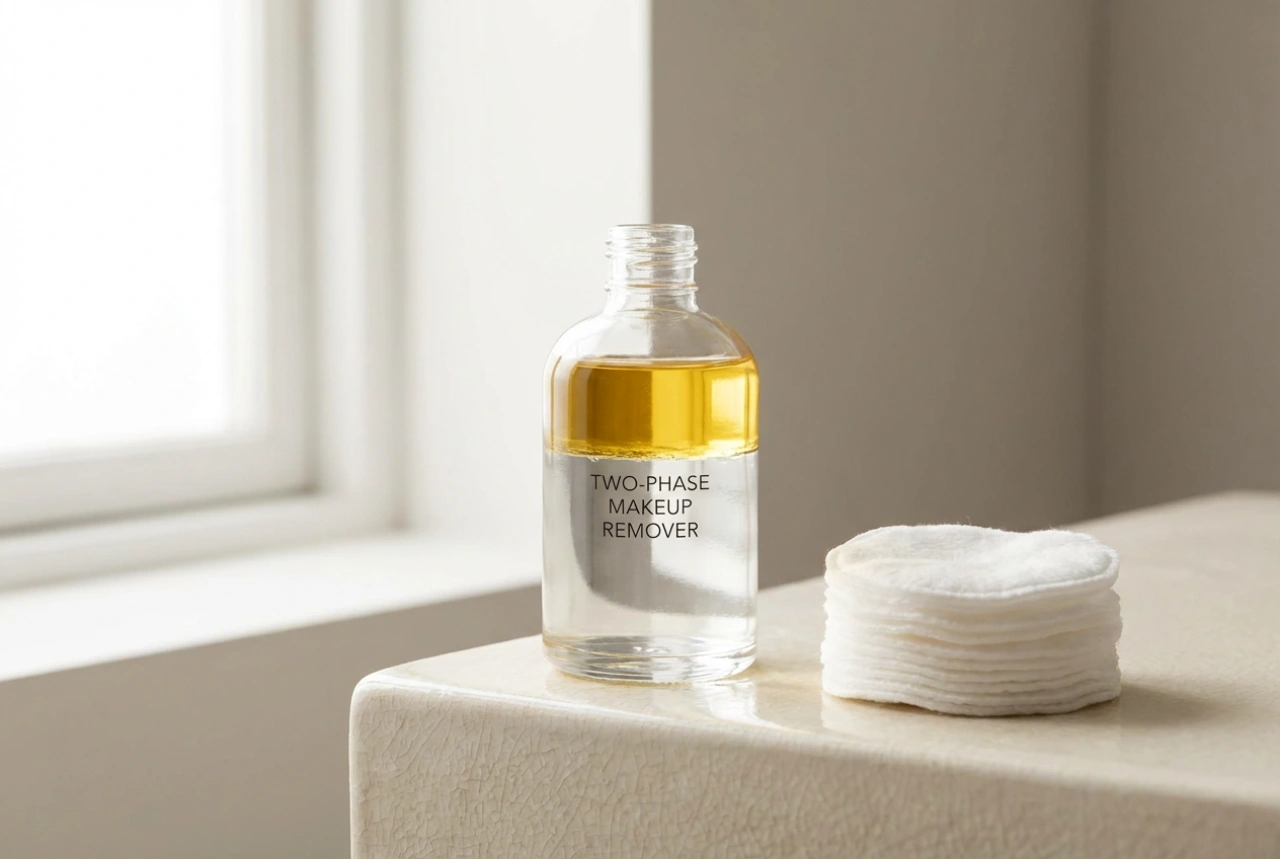
For those who wear makeup or sunscreen, consider double cleansing in the evening. This involves using an oil-based cleanser or micellar water first to dissolve makeup and SPF, followed by your regular gel or foam wash to cleanse the skin itself.
Common Cleansing Mistakes to Avoid
Even with the right product, small mistakes can undermine your efforts. Be mindful of these common pitfalls:
- Over-washing: Cleansing more than twice a day is usually unnecessary and can lead to a compromised skin barrier. Stick to a morning and evening routine unless you've been sweating heavily.
- Using Harsh Tools: Aggressive scrubbing with rough washcloths or abrasive facial brushes can do more harm than good, causing irritation and inflammation. Your fingertips are your best tools.
- Forgetting to Cleanse at Night: Skipping your evening cleanse allows a day's worth of oil, pollution, and makeup to sit on your skin, which can lead to clogged pores and dullness.
- Applying Products to a Wet Face: After patting your skin dry, it should be slightly damp, not sopping wet. Applying your next skincare steps (like serums or moisturisers) to damp skin can help with absorption, but a completely wet face will dilute the products.
Ultimately, learning to listen to your skin is key. A gentle, consistent, and thoughtful cleansing routine is the first and most important step towards achieving a clearer, healthier, and more balanced complexion.