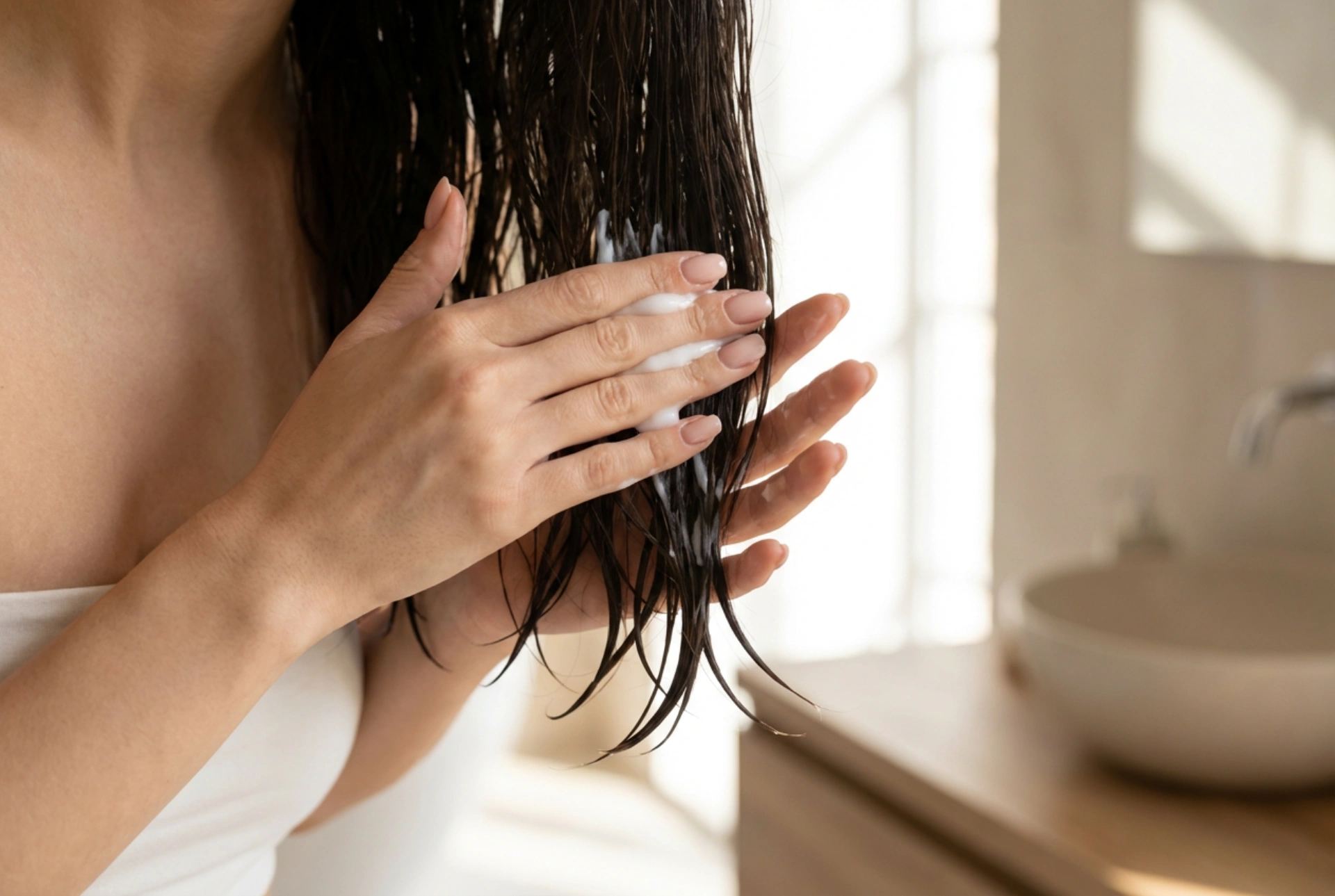


Using a hair conditioner is a fundamental step in most hair care routines, promising smoother, softer, and more manageable strands. Yet, many of us have experienced the frustration of a conditioner that leaves our hair feeling heavy, greasy, or no different than before. The secret to unlocking the true benefits of this essential product lies not just in how you apply it, but in choosing the right one for your hair's unique character. The key to this is understanding a concept called hair porosity.
What is Hair Porosity?
Hair porosity refers to your hair's ability to absorb and retain moisture. It's determined by the structure of your hair's outer layer, the cuticle, which is made up of tiny, overlapping scales. If the scales are tightly packed, your hair has low porosity. If they are loose and open, it has high porosity. Knowing your hair's porosity is a game-changer because it dictates what kind of ingredients will benefit your hair the most.
The Three Types of Hair Porosity
- Low Porosity: The cuticles are tightly bound, making it difficult for water and conditioning products to penetrate the hair shaft. This hair type is often healthy and shiny but can be prone to product build-up because products tend to sit on the surface rather than being absorbed. It takes a long time to get wet and a long time to dry.
- Medium Porosity: The cuticles are looser, allowing moisture to penetrate the hair shaft easily and also retaining it well. This is often considered the 'ideal' porosity as it requires the least maintenance. Hair with medium porosity holds styles well and can be coloured with predictable results.
- High Porosity: The cuticles have gaps or holes, which may be an inherent trait or the result of damage from chemical processing, heat styling, or environmental factors. This hair type absorbs moisture very quickly, but it also loses it just as fast. This can leave the hair feeling dry, frizzy, and prone to breakage.
A simple, though not entirely scientific, way to get an idea of your hair's porosity is the 'float test'. Take a clean strand of hair (free from product) and place it in a glass of room temperature water. If it floats after a few minutes, you likely have low porosity. If it sinks slowly, your porosity is probably medium. If it sinks quickly, you likely have high porosity hair.
Choosing the Right Conditioner for Your Porosity
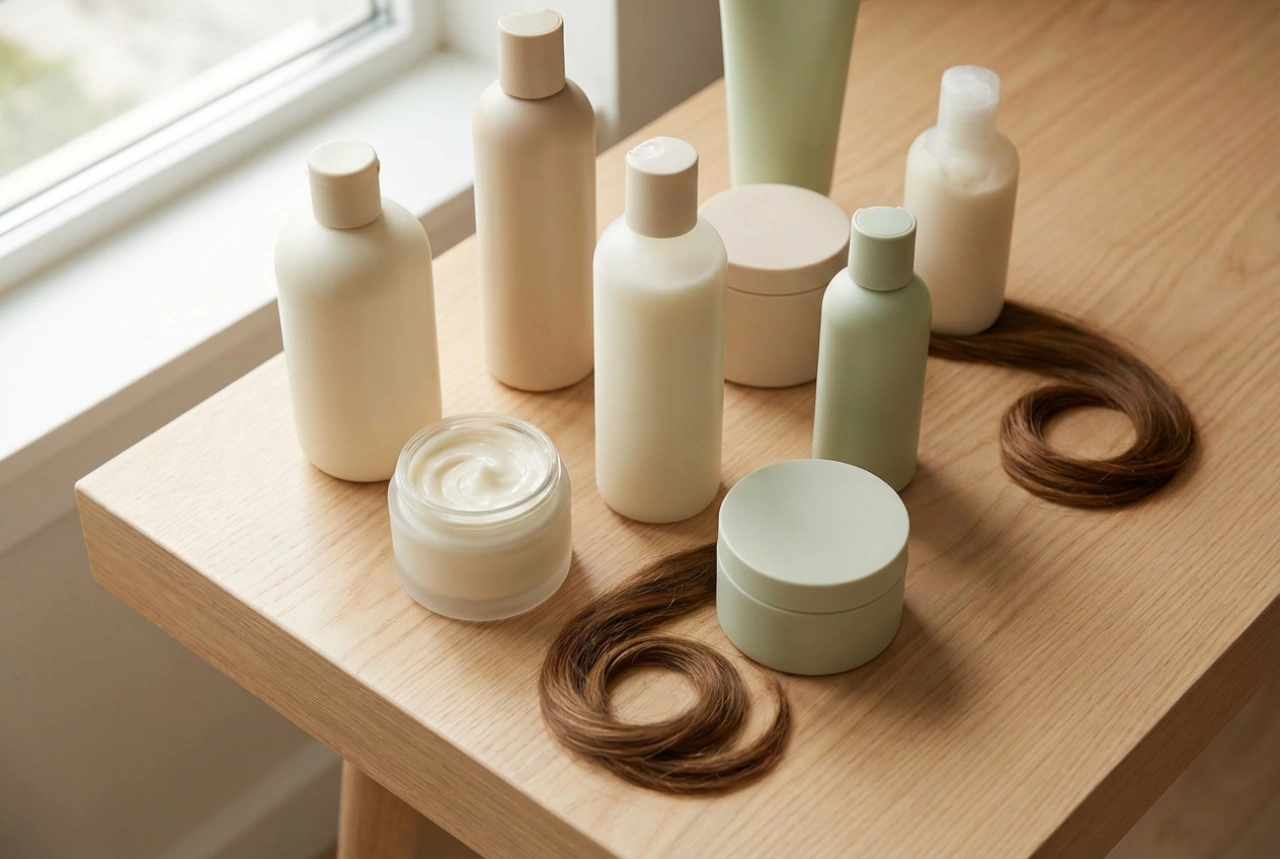
Once you have an idea of your hair's porosity, you can select a conditioner that works with its structure, not against it. The goal is to deliver moisture effectively without causing unwanted side effects like greasiness or dryness.
Conditioners for Low Porosity Hair
Since this hair type resists moisture, the key is to use lightweight products that won't cause build-up. Look for conditioners with a more liquid, lotion-like consistency. Formulas rich in humectants—ingredients that attract moisture—are excellent. Think of ingredients like glycerine or aloe vera. Avoid heavy butters and thick oils, as they will likely coat the hair without penetrating it, leaving it feeling greasy and weighed down. A helpful tip is to apply your conditioner to warm, damp hair; the warmth can help to slightly lift the cuticle and improve product absorption.
Conditioners for Medium Porosity Hair
This hair type is the most forgiving and responds well to a wide range of products. The main goal is maintenance and balance. You can use conditioners that provide a good mix of moisture and light protein. Alternating between a purely moisturising conditioner and one with some strengthening properties can be an effective strategy to keep your hair healthy and resilient without overloading it with any single type of ingredient. Pay attention to how your hair feels and adjust as needed.
Conditioners for High Porosity Hair
High porosity hair needs serious help with moisture retention and cuticle sealing. Your hair acts like a sponge, so you need products that not only provide moisture but also seal it in. Look for rich, creamy conditioners that contain butters and oils. These ingredients act as emollients, smoothing the cuticle and creating a protective barrier to prevent moisture from escaping. Strengthening ingredients, such as proteins, are also highly beneficial for high porosity hair as they help to patch the 'holes' in the hair shaft, improving its integrity and reducing breakage. These formulas will help to make your hair feel softer, smoother, and less frizzy.
The Correct Way to Apply Hair Conditioner
Even the perfect conditioner can underperform if not applied correctly. Following a few simple steps can dramatically improve your results and ensure you get the most out of your product.
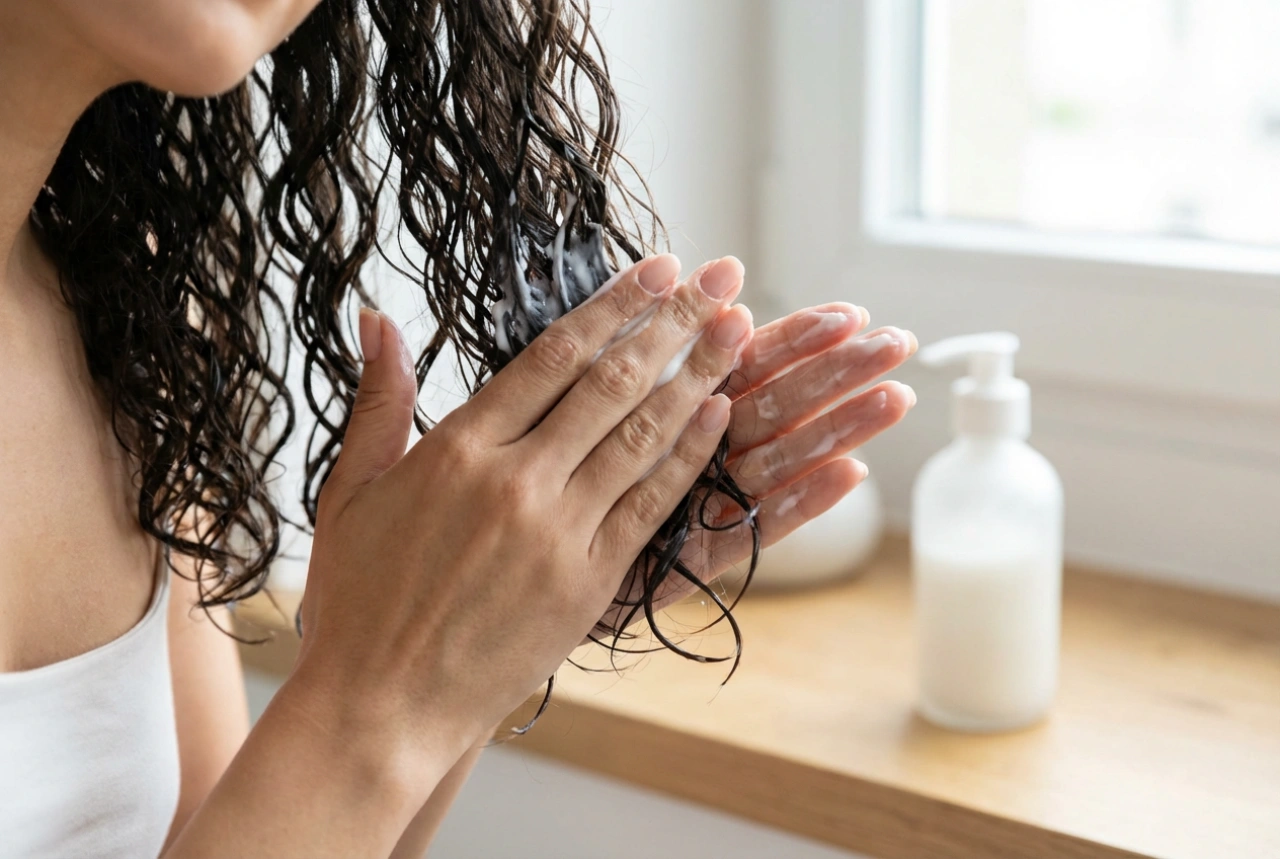
1. Prepare Your Hair: After shampooing, gently squeeze the excess water from your hair. Do not rub it with a towel, as this creates friction and can damage the cuticle. Hair that is dripping wet will dilute the conditioner, while hair that is too dry won't allow it to spread evenly.
2. Use the Right Amount: Start with an amount of conditioner about the size of a one-pound coin. You can always add more if needed. The exact amount will depend on your hair's length and thickness.
3. Focus on Mid-lengths and Ends: Your scalp produces its own natural oil (sebum), so it rarely needs added conditioner. Applying it at the roots can lead to greasy hair and scalp build-up. Concentrate the product from the mid-lengths down to the ends, as this is the oldest and typically most damaged part of your hair.
4. Distribute Evenly: Use your fingers to gently rake the conditioner through your hair. For very tangle-prone hair, you can use a wide-tooth comb to ensure every strand is coated. This also helps with detangling in a gentle manner.
5. Allow Time for Absorption: Most daily conditioners need about 2 to 5 minutes to work their magic. Read the instructions on the bottle for the recommended time. This waiting period allows the ingredients to penetrate the hair shaft.
6. Rinse Thoroughly: Rinse your hair with lukewarm or cool water. Hot water can strip moisture and lift the cuticle, while cooler water helps to seal the cuticle, locking in the moisture and enhancing shine.
Common Mistakes to Avoid
To maximise the health and beauty of your hair, be mindful of these common conditioning errors.
- Applying conditioner to the scalp: This is the fastest way to get greasy roots and weigh your hair down.
- Using too much product: More is not always better. Using too much conditioner can make it difficult to rinse out, leading to residue and build-up.
- Rinsing out too quickly: Not giving the conditioner enough time to absorb means you are washing away its benefits before they can take effect.
- Choosing the wrong formula: Using a heavy, rich conditioner on low porosity hair or a lightweight one on high porosity hair will lead to disappointing results.
- Relying on one product forever: Your hair's needs can change due to seasons, styling habits, or colouring. Pay attention to how your hair feels and be prepared to switch products to meet its current needs.