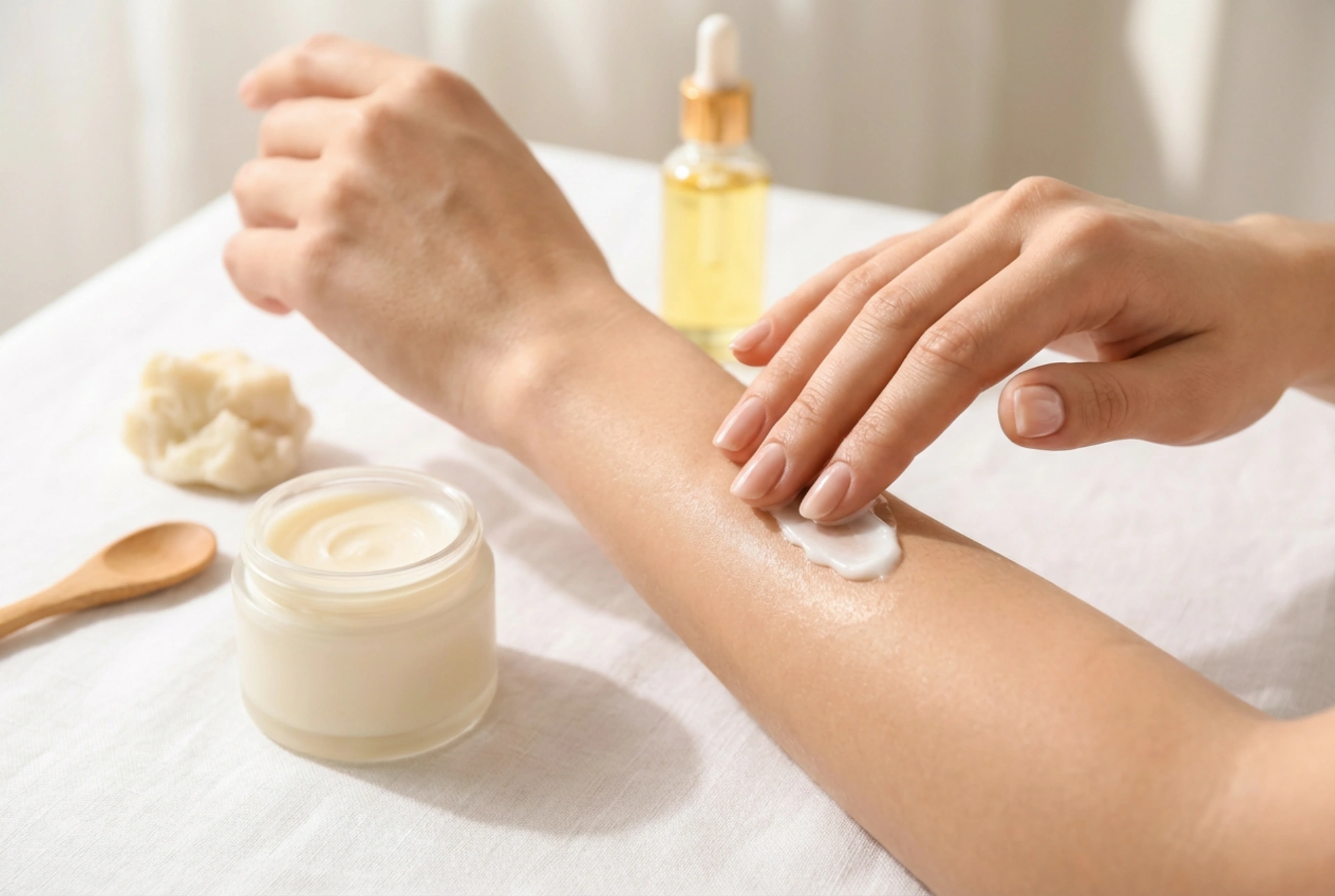


Taking a few moments each day to care for the skin on your body is more than a simple routine; it's an act of comfort that helps maintain skin's suppleness and health. A good body balm can transform dry, tight-feeling skin into a soft, hydrated, and comfortable canvas. But with so many options available, how do you choose the right one? The secret lies in understanding key ingredients and knowing how to test a product safely before committing to it.
What Makes an Effective Body Balm?
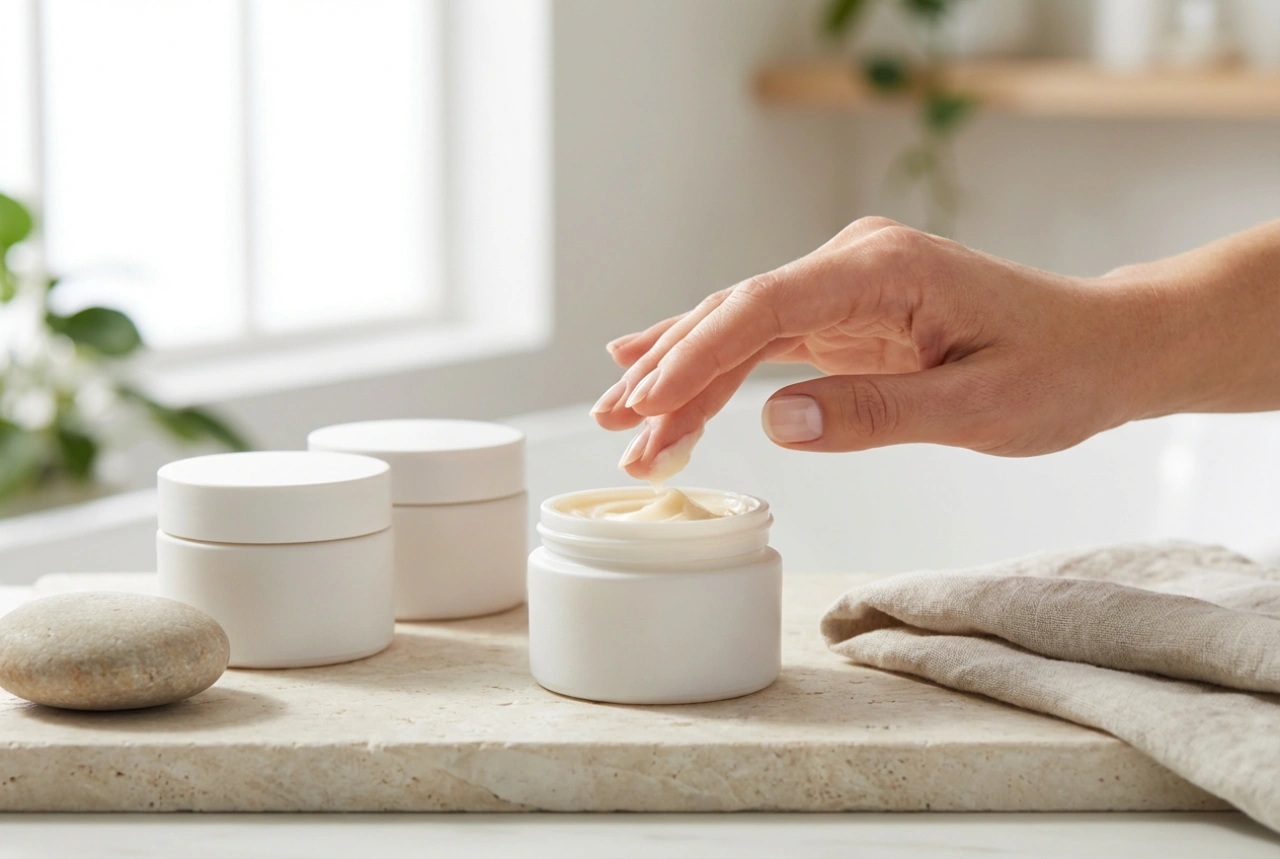
Body balms are typically richer and thicker than lotions or creams, designed to provide intense and long-lasting hydration. Their effectiveness comes from a blend of ingredients that work in synergy to moisturise the skin in different ways. A well-formulated product will usually contain a combination of three key types of ingredients: humectants, emollients, and occlusives.
Humectants: The Moisture Magnets
Humectants are ingredients that attract water molecules from the air and draw them into the upper layers of your skin. Think of them as tiny magnets for moisture. They provide a hydration boost, helping the skin to feel plump and quenched. A common and effective humectant found in many body care products is glycerine. When you see it on an ingredient list, you know the product is designed to actively increase the skin's water content.
Emollients: The Skin Smoothers
If you've ever noticed how a good balm instantly makes your skin feel softer and smoother, you have emollients to thank. These ingredients, which are often oils and butters, work by filling in the tiny gaps between skin cells. This not only improves the texture of the skin but also helps to restore its natural barrier. Look for nourishing plant-based butters like shea butter or cocoa butter, and plant oils such as jojoba, sweet almond, or coconut oil. They are excellent emollients that leave skin feeling supple and cared for.
Occlusives: The Protective Shield
While humectants draw moisture in, occlusives work to keep it there. They form a thin, protective layer on the surface of the skin that physically blocks transepidermal water loss (TEWL) – the natural process of water evaporating from the skin. This is particularly important for very dry skin or in harsh weather conditions. Ingredients like beeswax or certain plant-derived waxes act as effective occlusives, sealing in moisture and protecting the skin from external elements.
How to Read the Ingredient List with Confidence
The ingredient list on a cosmetic product, often labelled as INCI (International Nomenclature of Cosmetic Ingredients), can seem intimidating. However, understanding a few basic rules makes it much easier to decipher. Ingredients are listed in descending order of concentration. This means the first few ingredients make up the bulk of the product.
When choosing a body balm, scan the first five to seven ingredients. Are the beneficial emollients and humectants we discussed, like shea butter (Butyrospermum Parkii Butter), glycerine, or a plant oil (like Prunus Amygdalus Dulcis Oil for sweet almond oil), listed near the top? If so, it's a good sign that the product is formulated to be genuinely nourishing. If water (Aqua) is the first ingredient, look for these other key players to follow soon after. Be mindful of ingredients you personally prefer to avoid. For example, if your skin is easily unsettled, you might opt for a formula with no added fragrance (Parfum) or essential oils.
The Vital Step: How to Patch Test a New Product
Even the most beautifully formulated product can cause a reaction on some skin types. Before you apply a new body balm all over, performing a patch test is a simple and crucial safety measure. It helps you check for any potential sensitivity or irritation in a controlled way.
A Simple Guide to Patch Testing:
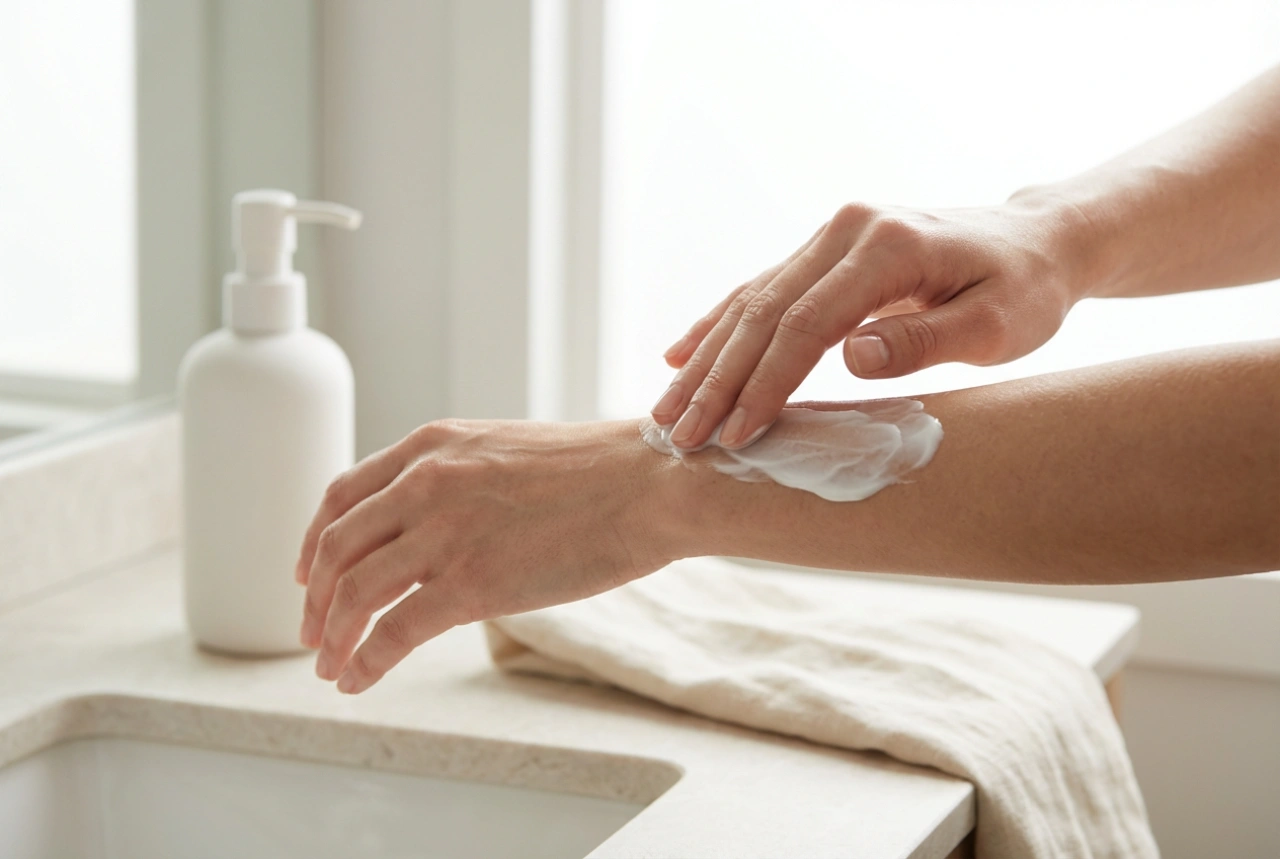
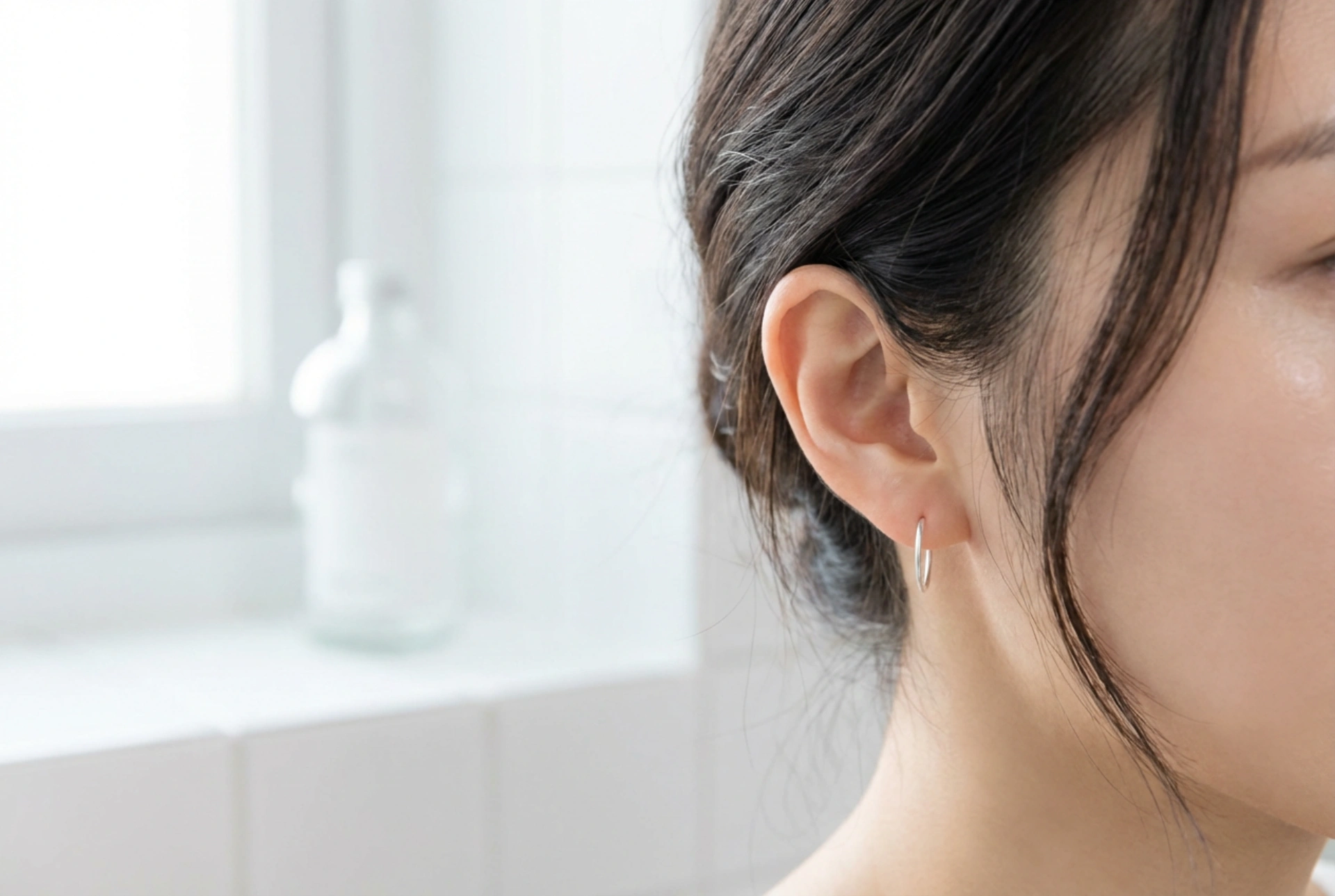
- Choose a Spot: Select a small, discreet area of skin. The inside of your wrist or elbow, or the area just behind your ear, are ideal choices.
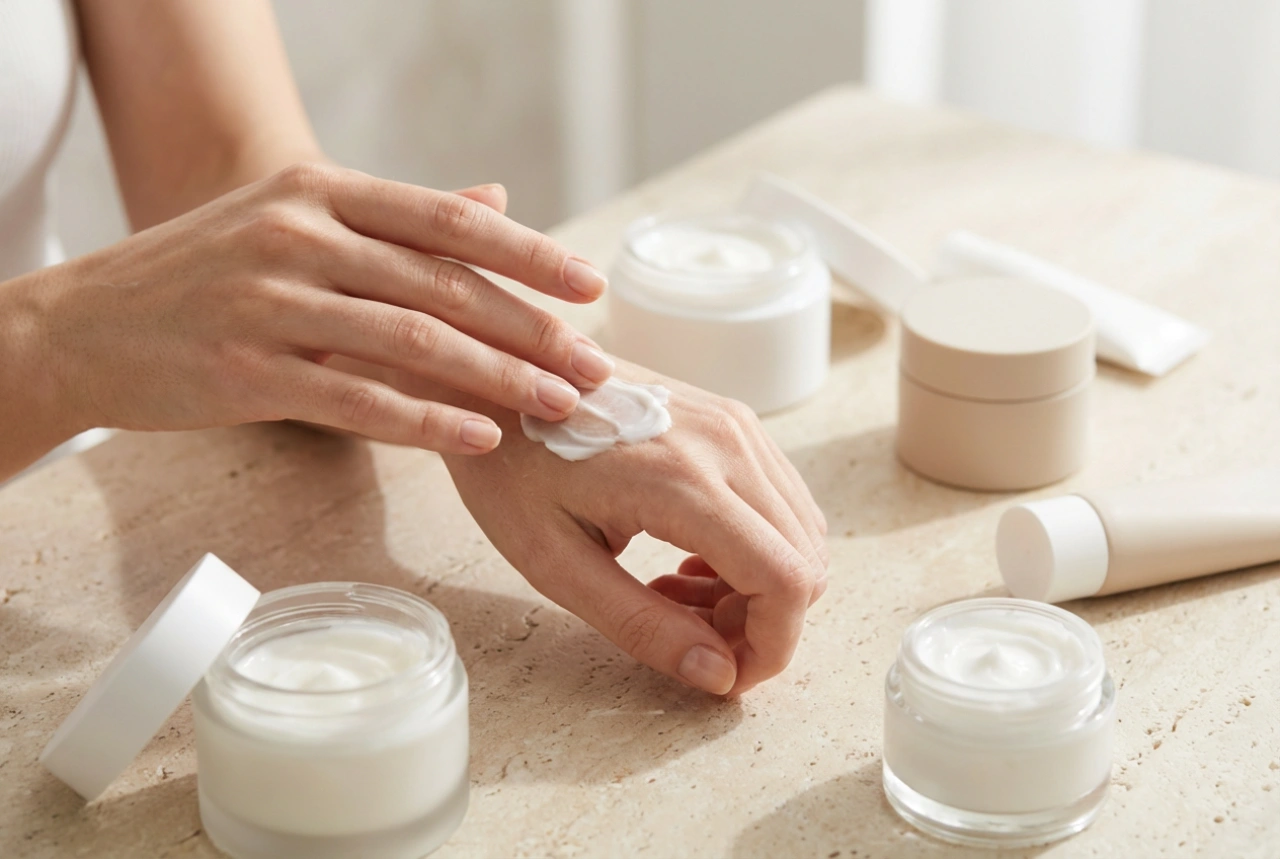
- Apply a Small Amount: Dab a coin-sized amount of the new body balm onto the chosen spot. Don't rub it in completely; leave a visible layer.
- Wait and Observe: Leave the product on the skin for at least 24 hours. Try to keep the area dry during this time. Some experts recommend extending the test to 48 hours for a more thorough check.
- Check for Reactions: After the waiting period, examine the skin. Look for any signs of redness, itching, bumps, or other forms of irritation.
- Make a Decision: If your skin shows no reaction and feels normal, the product is likely a good fit for you. If any irritation occurs, wash the area gently with a mild cleanser and water, and do not use the product further.
Tips for Getting the Most from Your Body Balm
Once you've found a balm your skin loves, you can maximise its benefits with a few simple application techniques. The best time to moisturise is immediately after a bath or shower when your skin is still slightly damp. This helps the balm to trap that extra surface moisture, locking in hydration for longer. Warm a small amount of the balm between your palms before applying it to your body; this helps it spread more easily. Use gentle, circular motions to massage it into the skin, paying extra attention to particularly dry areas like elbows, knees, and heels. This not only aids absorption but also provides a moment of relaxing self-care in your daily routine.