

Achieving soft, supple, and healthy-looking skin is a goal for many, and a quality body lotion is a cornerstone of any effective body care routine. The simple act of applying a creamy moisturiser can be a moment of self-care that yields visible results. However, to truly reap the benefits, it's crucial to select the right product for your unique needs and apply it correctly. This guide will walk you through the process, ensuring your skin receives the hydration it deserves and maintains a radiant appearance.
Choosing the Right Body Lotion
The sheer number of body lotions available can be overwhelming. Making the right choice depends on understanding your skin's specific requirements and knowing what to look for in a product's formulation. A thoughtful selection process is the first step towards nourished, comfortable skin.
Understand Your Skin Type
Just like facial skin, the skin on your body has a type. Identifying it is the first step towards finding your perfect lotion match.
- Dry Skin: If your skin often feels tight, flaky, or itchy, you likely have dry skin. Look for richer creams or ointments with a higher concentration of emollients and occlusives, such as shea butter, cocoa butter, or various plant-based oils. These ingredients create a protective barrier to prevent moisture loss and provide lasting comfort.
- Oily or Combination Skin: For skin that is prone to excess oil, especially on the back and chest, opt for lightweight, fast-absorbing lotions. Gel-based or “oil-free” formulas are excellent choices as they provide necessary hydration without clogging pores or feeling heavy.
- Sensitive Skin: If your skin reacts easily to new products, showing signs of redness or irritation, you need a gentle approach. Choose lotions that are hypoallergenic and free from common irritants like fragrances, alcohol, and certain dyes to keep your skin calm and happy.
- Normal Skin: This skin type is well-balanced – not too dry and not too oily. You have the flexibility to choose from a wide variety of textures and formulas, from light lotions to richer creams, depending on your preference and the season.
- Mature Skin: As skin ages, it naturally loses elasticity and moisture. Look for lotions formulated with ingredients that help to support skin firmness and hydration, such as antioxidants and humectants like glycerin or hyaluronic acid.
Decoding the Ingredient List
Understanding key ingredients helps you look beyond the marketing claims and choose a product that will genuinely work for you. Most moisturisers contain a blend of the following functional ingredients:
- Humectants: These ingredients attract water from the air and the deeper layers of your skin to the epidermis (the outermost layer). Common examples include glycerin, hyaluronic acid, and aloe vera.
- Emollients: These are the ingredients that give lotions their smooth, silky feel. They work by filling in the gaps between skin cells, resulting in softer, more supple skin. Examples include shea butter, cocoa butter, and various natural oils like jojoba or almond oil.
- Occlusives: These form a physical barrier on the skin's surface to lock in moisture and prevent it from evaporating into the air. They are particularly beneficial for very dry skin or harsh weather conditions.
The Art of Application: A Step-by-Step Guide
Even the best body lotion won't be fully effective if not applied correctly. Following a simple routine can significantly enhance its hydrating power and improve your skin's overall texture and appearance.
When to Apply for Maximum Effect
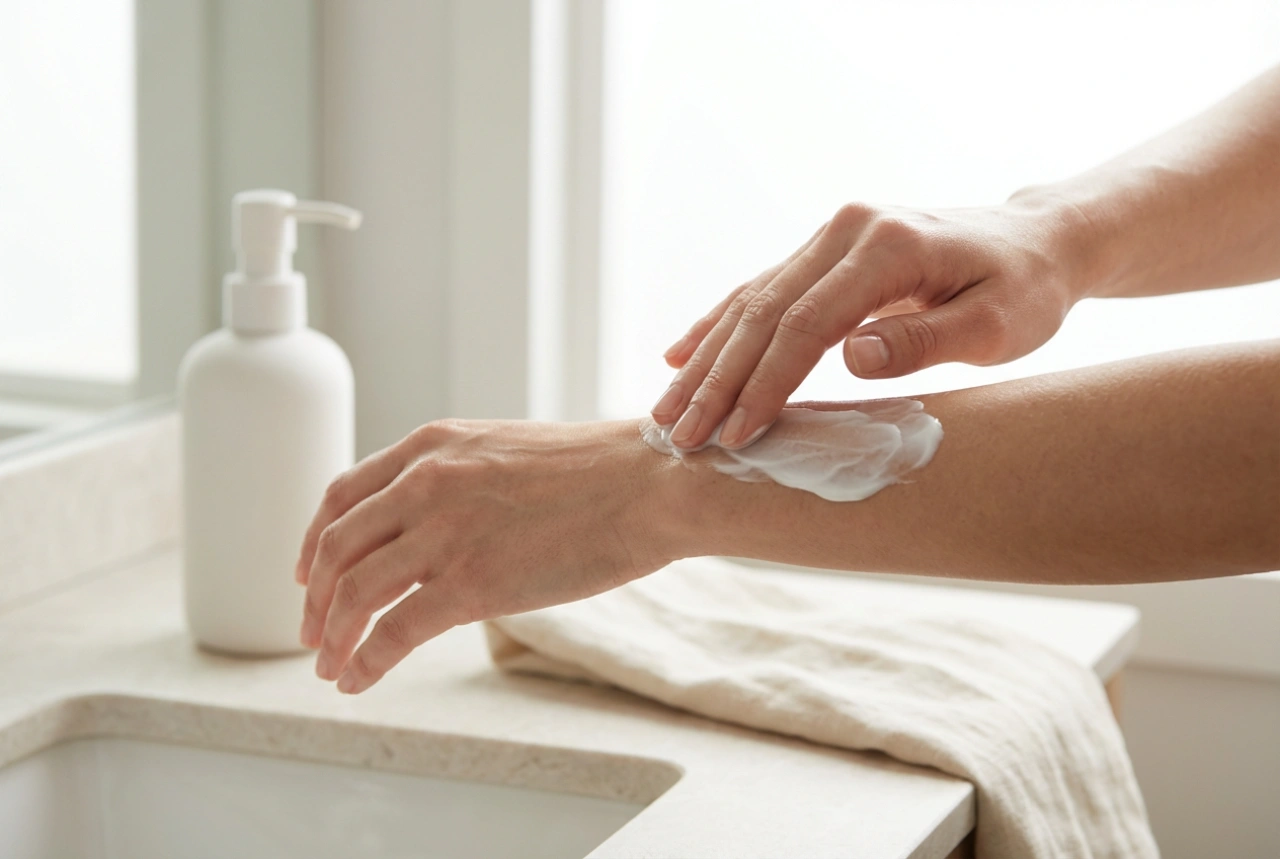
The golden rule of moisturising is to apply your lotion immediately after a shower or bath. After washing, gently pat your skin with a towel, leaving it slightly damp. Applying lotion to damp skin helps to trap that surface moisture, making the product far more effective than when applied to completely dry skin. This simple timing adjustment can make a world of difference to your skin's hydration levels.
How to Apply for Even Absorption
Technique matters. Instead of quickly rubbing on your lotion, take a moment to apply it mindfully for the best results.
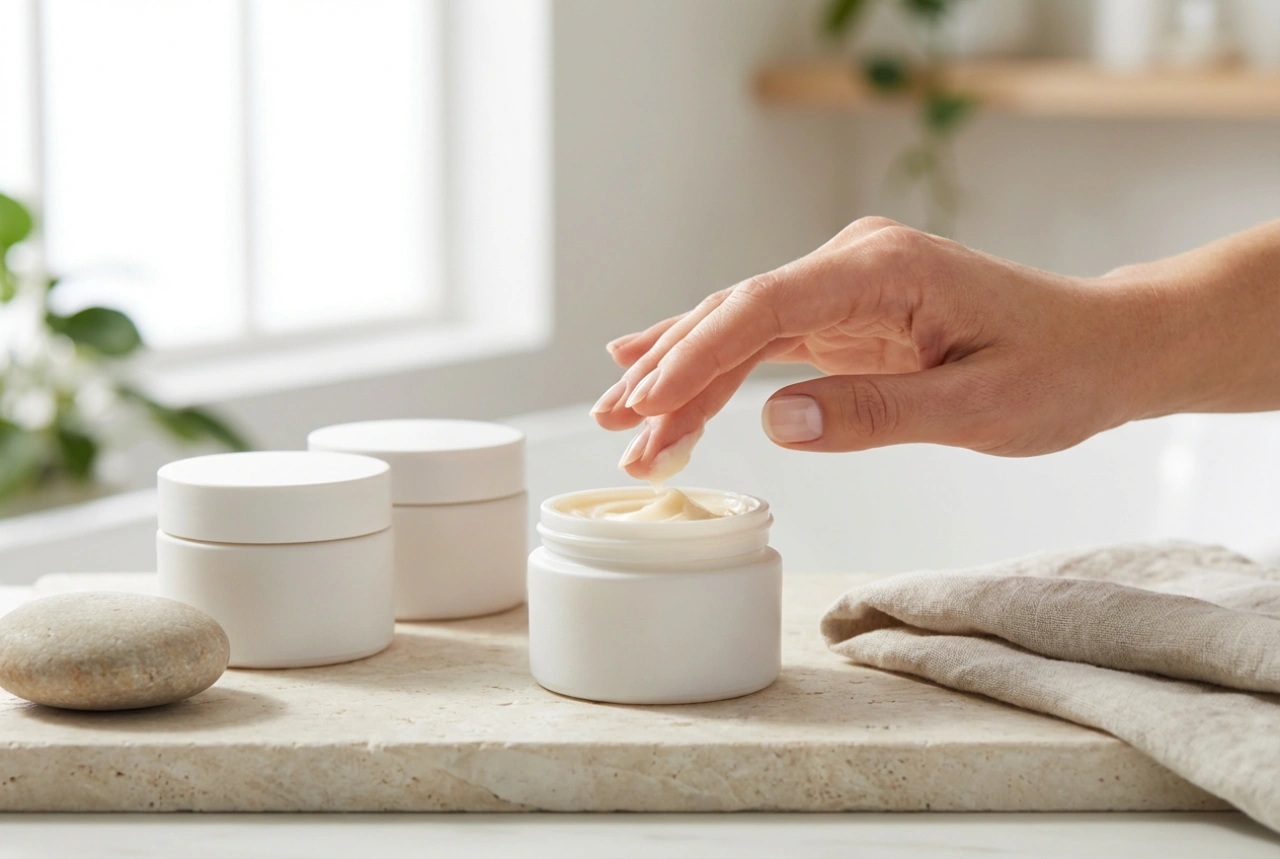
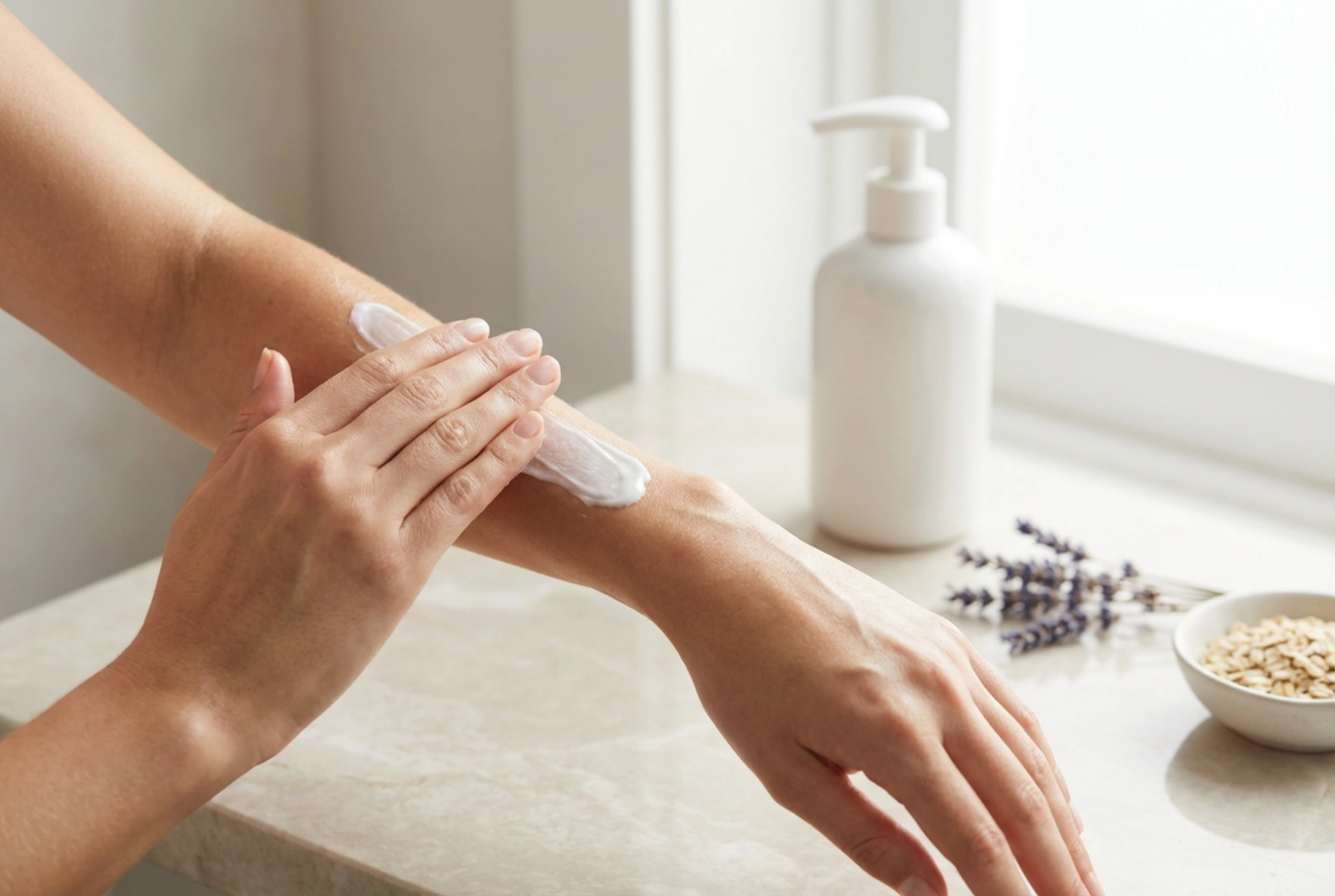
- Warm the Product: Dispense a suitable amount of lotion into your palms and rub them together. This slightly warms the product, making it easier to spread and absorb into the skin.
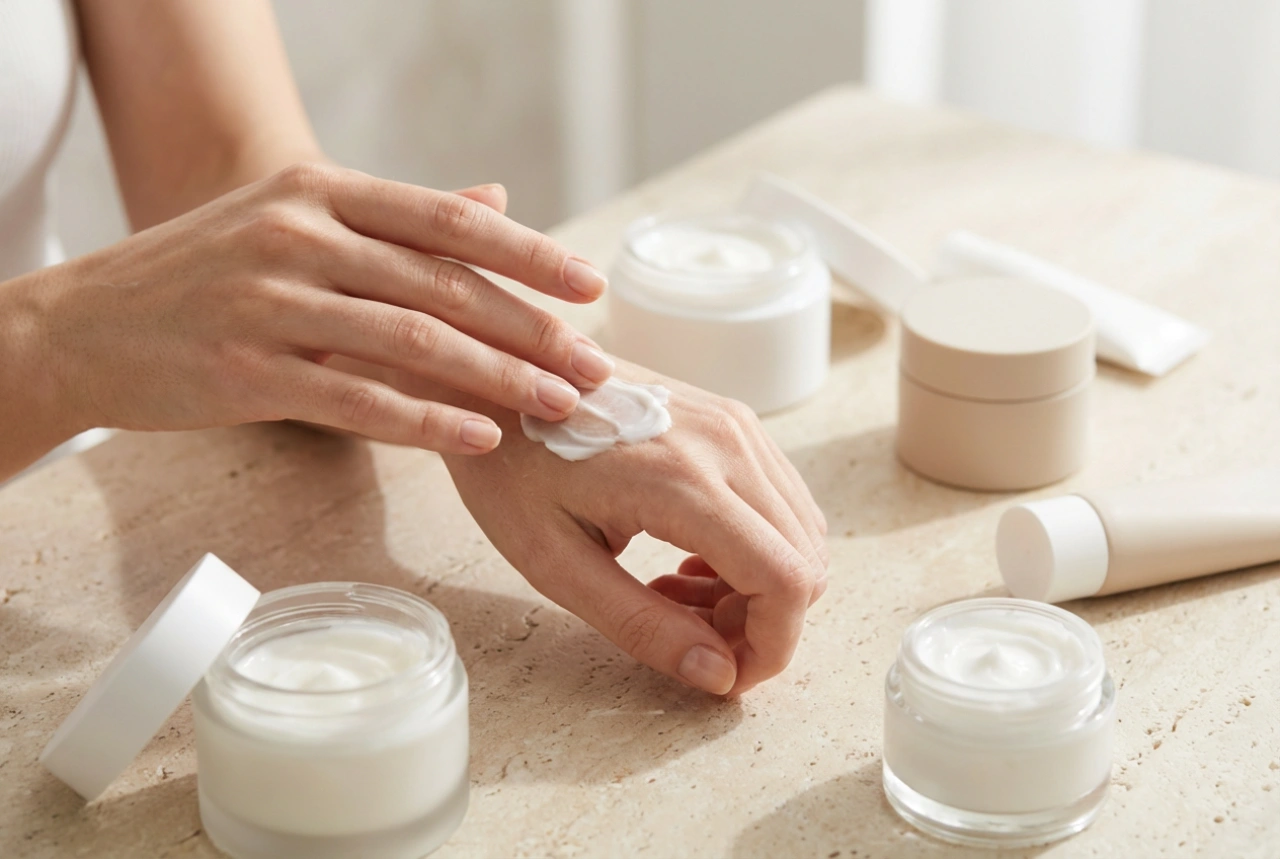
- Use Gentle, Circular Motions: Massage the lotion into your skin using upward, circular strokes. This not only ensures even coverage but also gently stimulates circulation, promoting a healthy glow.
- Don't Forget Neglected Areas: Pay special attention to areas that tend to be drier, such as your elbows, knees, ankles, and heels. Give these spots an extra bit of care and product.
- Be Consistent: Make body moisturising a daily habit. Consistent application is the key to maintaining soft, hydrated, and healthy-looking skin over the long term.
Common Mistakes to Avoid
To get the most out of your body care routine, it is helpful to steer clear of these common pitfalls:
- Applying to Bone-Dry Skin: As mentioned, this is one of the biggest mistakes. You miss the golden opportunity to lock in the precious moisture that is present on your skin after bathing.
- Being Too Rough: Vigorously rubbing your skin dry with a towel before application can cause micro-irritation and strip away the surface moisture you want to preserve. Always pat your skin dry gently.
- Using the Wrong Amount: A very thin layer might not provide enough hydration, while a thick, heavy layer can feel greasy and may not absorb properly. Find a balance that leaves your skin feeling soft, comfortable, but not sticky.
- Skipping It Altogether: Inconsistency is the enemy of hydrated skin. Even on busy days, try to make time for this simple act of self-care. Your skin will thank you for it.