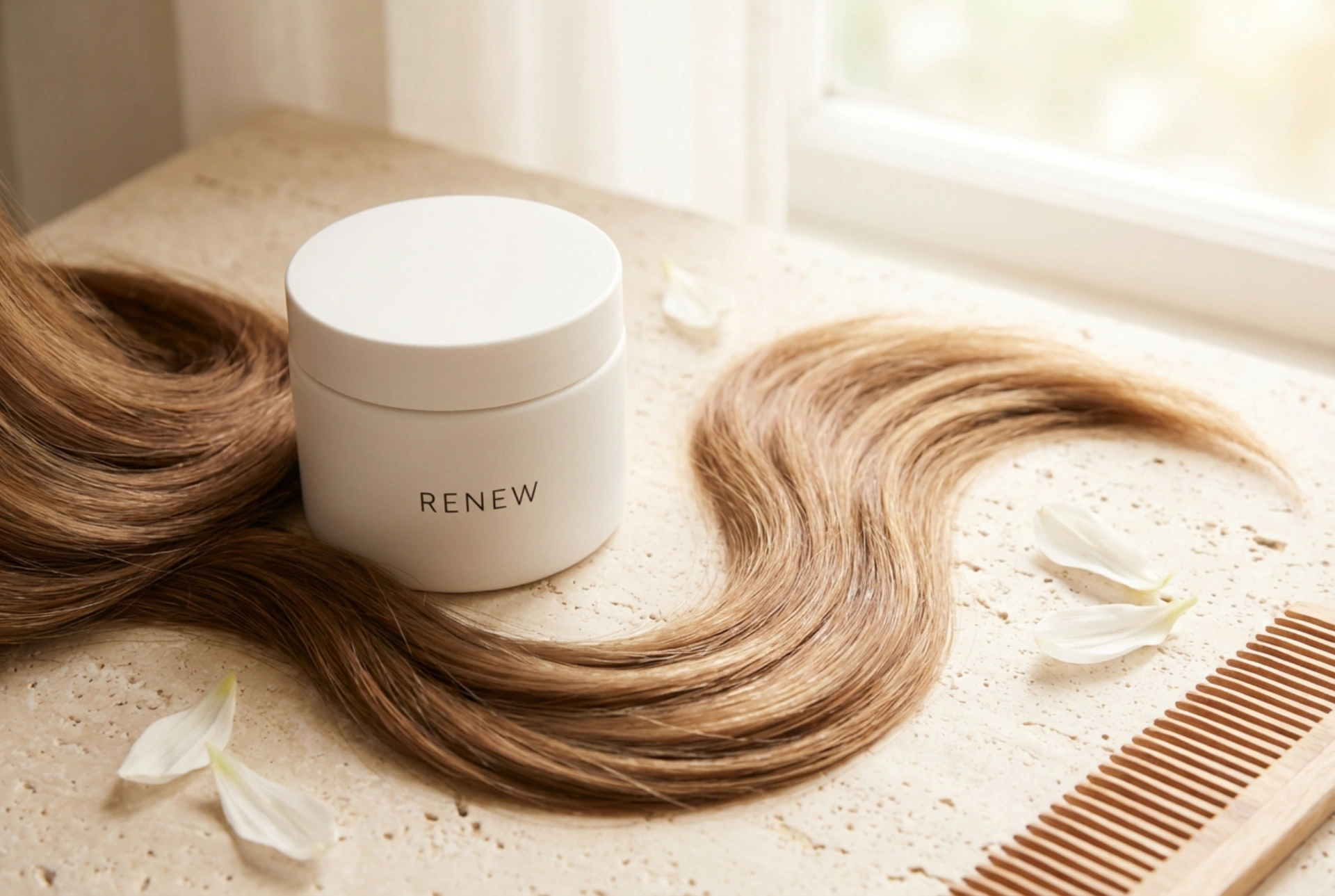


In the pursuit of healthy, radiant hair, daily conditioners are a staple. However, sometimes our hair needs something more—an intensive treatment that goes beyond the surface to provide deep nourishment. This is where a regenerating hair mask comes in. Acting as a powerful boost to your regular routine, a quality hair mask can help restore the look and feel of softness, shine, and manageability, especially when hair feels tired or stressed from daily life.
What Is a Regenerating Hair Mask and Who Needs One?
Think of a hair mask as a high-potency version of your conditioner. It's formulated with a higher concentration of nourishing ingredients and is designed to be left on the hair for a longer period, typically from 5 to 20 minutes. This extended time allows the ingredients to penetrate more deeply into the hair shaft, providing more significant and lasting benefits than a typical conditioner, which primarily works on the surface to detangle and smooth.
While almost anyone can benefit from an occasional mask, certain hair types will see the most dramatic improvement. You should consider incorporating a regenerating mask into your routine if your hair is:
- Frequently heat-styled: Regular use of blow dryers, straighteners, or curling tongs can leave hair feeling dry and brittle. A mask helps to replenish lost moisture.
- Colour-treated or processed: Chemical treatments can compromise the hair's structure, making it more porous and prone to dryness. Regenerating masks help to improve its texture and resilience.
- Naturally dry or coarse: Some hair types are naturally less lubricated by scalp oils and require extra moisture to stay soft and flexible.
- Exposed to environmental stressors: Sun, wind, and pollution can all take a toll on hair, leaving it looking dull and lifeless. A weekly mask can help to counteract these effects.
- Simply feeling lacklustre: If your hair has lost its bounce and shine, a mask is an excellent way to give it an intensive pick-me-up and restore its vibrant appearance.
The key is to listen to your hair. If it feels rough, tangles easily, or looks dull, it’s likely signalling a need for a deeper level of care.
How to Apply a Hair Mask for Maximum Effect: A Step-by-Step Guide
Correct application is crucial for unlocking the full potential of your hair mask. Simply slathering it on won't deliver the best results. Follow these steps for a spa-like treatment at home that truly makes a difference.
- Start with Clean, Damp Hair: Always apply a hair mask after shampooing. Shampooing cleanses the scalp and hair, removing any build-up of products or oils that could prevent the mask from being absorbed effectively. After rinsing out your shampoo, gently squeeze the excess water from your hair. You want your hair to be damp, not sopping wet, as too much water can dilute the mask.
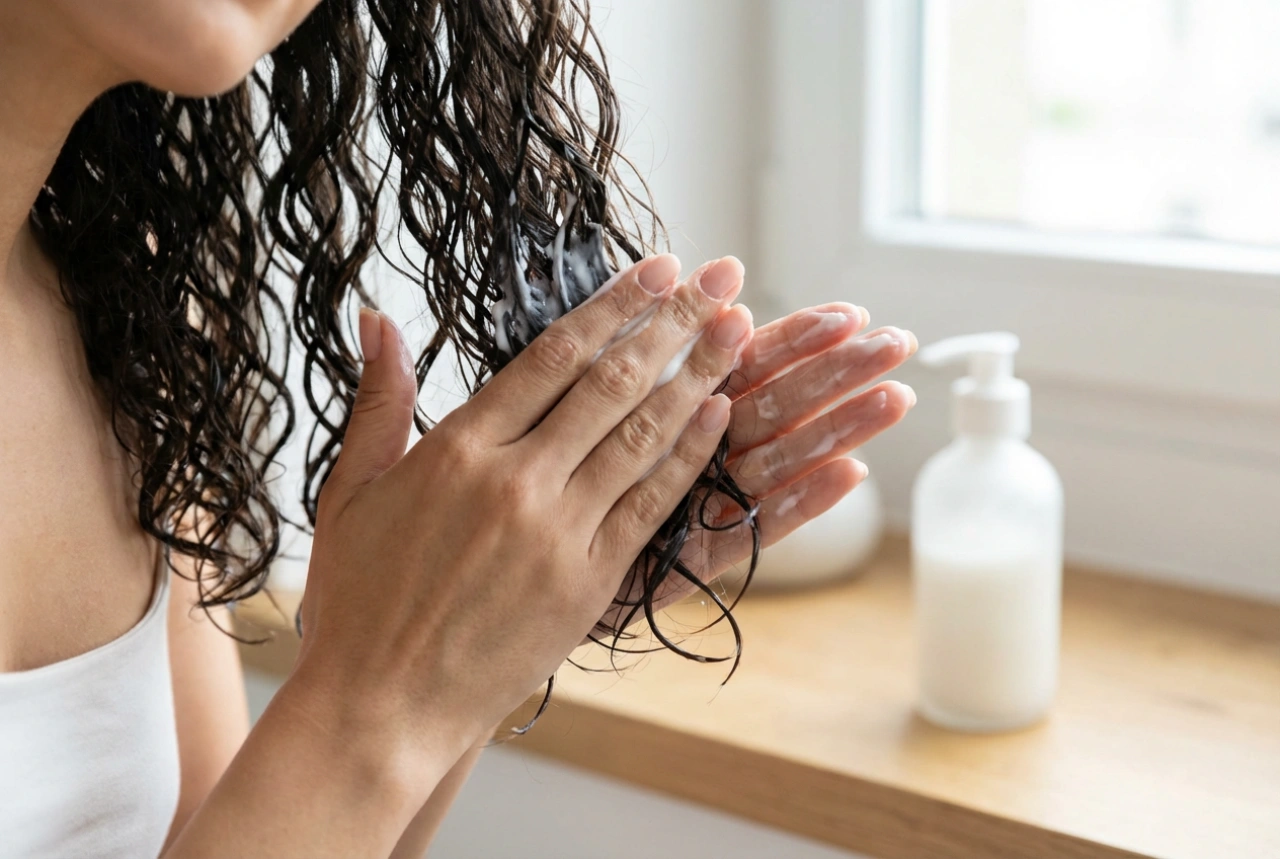
- Apply from Mid-lengths to Ends: Take a small amount of the mask—start with a coin-sized dollop and add more if needed—and focus the application on the mid-lengths and ends of your hair. This is typically the oldest and most damaged part of the hair and needs the most attention. Avoid applying it directly to your roots and scalp unless the product is specifically designed for that purpose, as it can weigh down fine hair.
- Distribute Evenly: Once applied, use your fingers or a wide-tooth comb to gently work the product through your hair. This ensures that every strand is evenly coated, allowing for consistent results. Combing also helps to detangle the hair gently while it’s protected by the slippery texture of the mask.
- Let It Work Its Magic (and Add Some Heat): This is the most important step. Leave the mask on for the duration recommended on its packaging, usually between 5 and 20 minutes. To boost its effects, you can create a warm, humid environment. Wrap your hair in a warm, damp towel, or simply cover it with a shower cap. The heat from your scalp, trapped by the covering, helps to open up the hair's cuticle slightly, allowing the nourishing ingredients to penetrate more deeply.
- Rinse Thoroughly: After the time is up, rinse your hair with lukewarm or cool water. Avoid hot water, as it can strip away some of the benefits and rough up the hair cuticle. Continue rinsing until your hair feels clean and there is no slippery residue left. Cool water helps to seal the cuticle, locking in the moisture and leaving your hair looking extra shiny.
Common Mistakes to Avoid When Using Hair Masks
Even with the best intentions, a few common errors can prevent you from getting the results you want. Being mindful of these can significantly improve your experience.
- Using It in Place of Conditioner: A mask is an intensive treatment, not a daily conditioner. Using it too often can lead to product build-up or even make some hair types feel heavy or limp. Stick to a weekly or bi-weekly schedule.
- Applying to the Scalp: Unless your scalp is extremely dry and the mask is formulated for it, applying a rich mask to the roots can lead to greasiness and weigh down your hair, especially if it’s fine.
- Not Leaving It on Long Enough: Rinsing a mask out after only a minute or two won't give it enough time to work. It needs that dedicated 5-20 minute window to allow the ingredients to be properly absorbed.
- Applying to Dry or Dirty Hair: Applying a mask to unwashed hair means it has to fight through a layer of oil, dirt, and styling product residue, which severely limits its effectiveness.
- Using Too Much Product: More is not always better. Using an excessive amount of mask doesn't increase its benefits; it just creates waste and makes it harder to rinse out, potentially leaving a heavy residue.
By avoiding these pitfalls, you ensure that the product can perform at its best, delivering the visible nourishment and softness it promises.
Integrating Hair Masks into Your Weekly Routine
Consistency is the secret to long-term hair health. A regenerating mask isn't a one-time fix but a regular part of a holistic hair care regimen. For most people, using a hair mask once a week is a perfect balance. If your hair is extremely dry or damaged, you might begin with twice a week and then scale back to once a week as its condition improves.
Consider your "mask day" a moment of self-care. Set aside a little extra time so you don't have to rush the process. This small weekly ritual can make a big difference, not just in how your hair looks and feels, but also in giving you a chance to relax and unwind. Remember that a great hair mask works best as part of a team effort, supported by gentle cleansing, minimal heat styling, and protection from environmental damage.