

The Gentle Power of Algae for Your Skin
Cosmetic algae, available in powder form, are a fantastic addition to any skincare enthusiast's collection. Depending on the type, they are packed with minerals, vitamins, and antioxidants that can visibly improve the skin's condition. When used in a face mask, algae can provide deep hydration, helping to leave the skin feeling plump and supple. Their soothing properties are also beneficial for calming the look of temporary redness and irritation, promoting a more even and balanced skin tone.
There are several types of cosmetic-grade algae you might encounter, each with its unique characteristics:
- Spirulina: This blue-green algae is known for its vibrant colour and nutrient-dense profile, making it a popular choice for purifying and revitalising masks.
- Kelp: A type of large brown seaweed, kelp is an excellent hydrator, perfect for masks aimed at moisturising and softening the skin.
- Chlorella: This green algae is valued for its cleansing properties, helping to refresh the skin and support its natural clarity.
When mixed with a liquid, these powders transform into a gel-like substance that feels cool and refreshing on the skin, turning your skincare routine into a relaxing, spa-like experience.
How to Prepare Your DIY Algae Mask
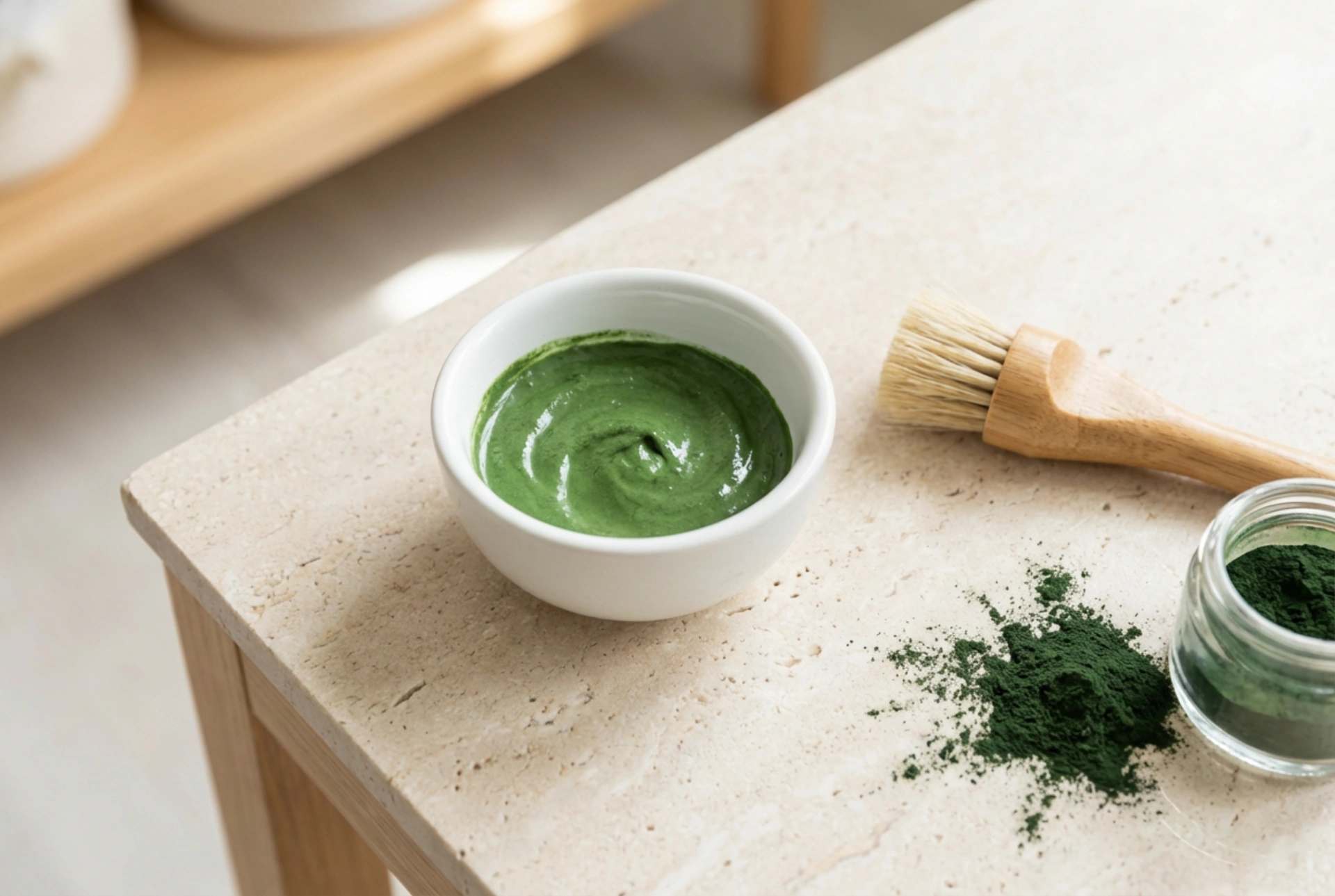
Crafting your own algae mask is surprisingly simple. The key is to achieve the right consistency—a smooth, spreadable paste that is not too runny or too thick. Before you begin, ensure all your tools, like your bowl and brush, are clean.
Basic Algae Mask Recipe
For a single application, you will typically need:
- 1-2 teaspoons of cosmetic algae powder (e.g., spirulina or kelp).
- 2-3 teaspoons of a liquid base. Plain, lukewarm water works perfectly. You can also use a gentle floral water (hydrosol), like rose or chamomile water, for added soothing benefits.
- Optional additions: A small amount (about half a teaspoon) of cosmetic clay can help with consistency and add purifying properties. A few drops of a lightweight, non-comedogenic plant oil (like jojoba or squalane) can boost the mask's moisturising effects.
Mixing Instructions
- Start by placing the algae powder in a small, non-metallic bowl.
- Gradually add your chosen liquid, stirring continuously with a spatula or mask brush. Add the liquid slowly to avoid creating a mixture that is too thin.
- Continue mixing until all the lumps are gone and you have a smooth, homogenous paste. The ideal consistency is similar to that of yoghurt.
- If you are using any optional additions like clay or oil, mix them in at this stage. Your mask is now ready to be applied. It is best to use it immediately, as it can dry out or change consistency if left to sit.
Application and Removal for Best Results
Proper application and removal are crucial for getting the most out of your algae mask and avoiding any potential skin discomfort.
Application Steps
- Start with a clean face. Use a gentle cleanser to remove any makeup, dirt, and excess oil. Pat your skin dry with a soft towel.
- Protect your hairline and clothing. Algae masks, especially those with spirulina, can be quite pigmented. Wear a headband and an old t-shirt to prevent stains.
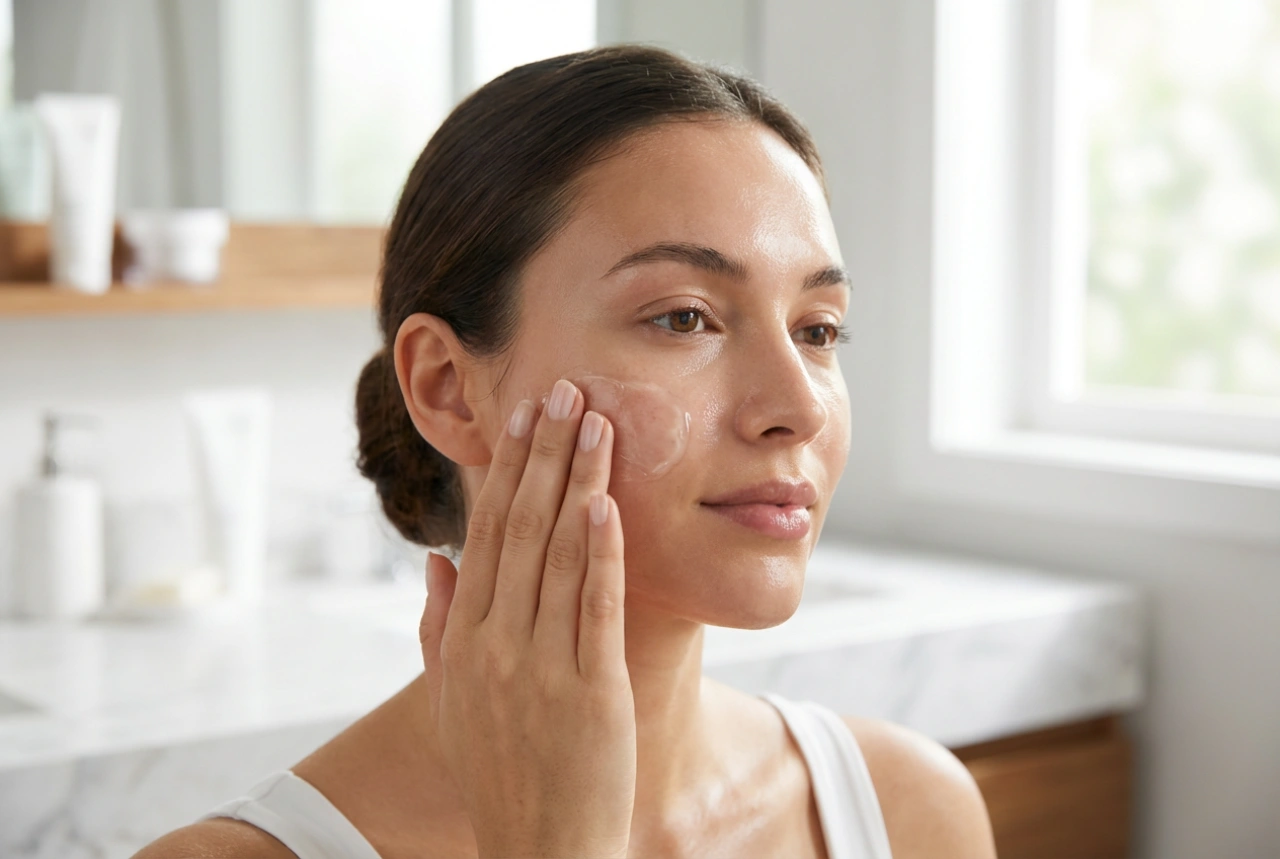
- Apply the mask evenly. Using a clean mask brush or your fingertips, spread a thin, even layer of the mask over your face. Avoid the delicate eye area, eyebrows, and your lips. You can also extend the application to your neck and décolletage if you wish.
- Relax and wait. Leave the mask on for about 10-15 minutes. It's important not to let it dry completely on your skin, as this can be dehydrating and cause a tight, uncomfortable feeling. If you notice it drying too quickly, you can lightly mist your face with water or a hydrosol.
Removal Process
To remove the mask, first, moisten it by splashing your face with lukewarm water or by pressing a warm, damp cloth against your skin for a few moments. This will soften the mask, making it easier to wipe away. Gently rinse your face with lukewarm water, using your hands or a soft cloth in circular motions to remove all traces of the mask. Avoid harsh scrubbing. Once your skin is clean, pat it dry and follow up with your usual serum and moisturiser to lock in the hydration.
Common Mistakes to Avoid
To ensure a positive and effective experience, be mindful of these common errors when using a DIY algae mask:
- Skipping the patch test: Even with natural ingredients, sensitivities can occur. Always test a small amount of the prepared mask on an inconspicuous area of skin (like behind your ear or on your inner arm) 24 hours before applying it to your entire face.
- Letting the mask fully dry: An algae mask that cracks and flakes on the skin can draw moisture away from it. Remove it while it is still slightly tacky to the touch.
- Using the wrong proportions: A mask that is too thin will drip everywhere, while one that is too thick will be difficult to apply and may dry too quickly. Adjust your liquid-to-powder ratio until you get a smooth, creamy paste.
- Applying to dirty skin: Applying a mask over un-cleansed skin can trap dirt and impurities, diminishing the mask's benefits. Always start with a freshly cleansed face.
- Scrubbing too hard during removal: Be gentle. The goal is to remove the mask without causing friction or irritation, which could lead to redness.