

Achieving a flawless makeup look that feels comfortable and lasts all day often starts long before the foundation is even opened. The secret lies in proper skin preparation, and for many, a hydrating primer is the hero product. It bridges the gap between skincare and makeup, creating a smooth, moisturised canvas that enhances your foundation's finish and longevity. Unlike primers focused solely on mattifying or pore-filling, a hydrating formula provides a boost of moisture, resulting in a radiant, dewy glow that looks healthy and natural.
What is a Hydrating Primer and What Are Its Benefits?
A hydrating primer is a makeup-prepping product designed to add an extra layer of moisture to the skin's surface before foundation is applied. It acts as a protective, smoothing barrier between your skin and your makeup. Its primary role is to prevent makeup from clinging to dry patches or settling into fine lines, which can often happen with dry, dehydrated, or even combination skin types throughout the day.
The key benefits of incorporating a hydrating primer into your routine include:
- Smoother Makeup Application: By creating a silky, well-hydrated surface, it allows foundation and concealer to glide on effortlessly and blend seamlessly.
- Enhanced Radiance: Many hydrating formulas contain light-reflecting particles or ingredients that impart a subtle, 'lit-from-within' glow, making the skin look plumper and more luminous.
- Improved Makeup Longevity: When your skin is properly hydrated, it is less likely to absorb the moisture from your foundation, which helps your makeup stay fresh and intact for longer.
- Comfort and Hydration: It provides an additional layer of moisture that can keep your skin feeling comfortable and supple under makeup, preventing that tight, dry feeling.
Choosing a Lightweight Formula
The best hydrating primers feel weightless on the skin. You want the benefits of moisture without a heavy or greasy feeling. When choosing a formula, look for products described as 'water-based', 'gel-like', or 'serum primers'. These textures tend to absorb quickly and feel refreshing on the skin.
Pay attention to the ingredient list. Common humectants known for their hydrating properties are excellent additions to a primer. Ingredients like hyaluronic acid, which draws moisture into the skin, and glycerine, which helps lock it in, are hallmarks of an effective hydrating formula. Aloe vera and other plant-based extracts can also provide soothing and moisturising benefits. It's also wise to consider the base of your primer in relation to your foundation. A water-based primer generally works best with a water-based foundation to prevent pilling and separation.
The Golden Rule: How to Layer Primer with SPF
This is the most critical step for a protected and perfected base. Sun protection is non-negotiable for skin health, and your daily SPF should always be part of your morning routine. However, the order of application matters immensely for both the efficacy of your sunscreen and the finish of your makeup. The unbreakable rule is: SPF is the final step of your skincare routine, and primer is the first step of your makeup routine.
Follow this order for perfect application:
- Skincare First: After cleansing, apply your usual serums and moisturiser. Allow them a minute or two to absorb fully.
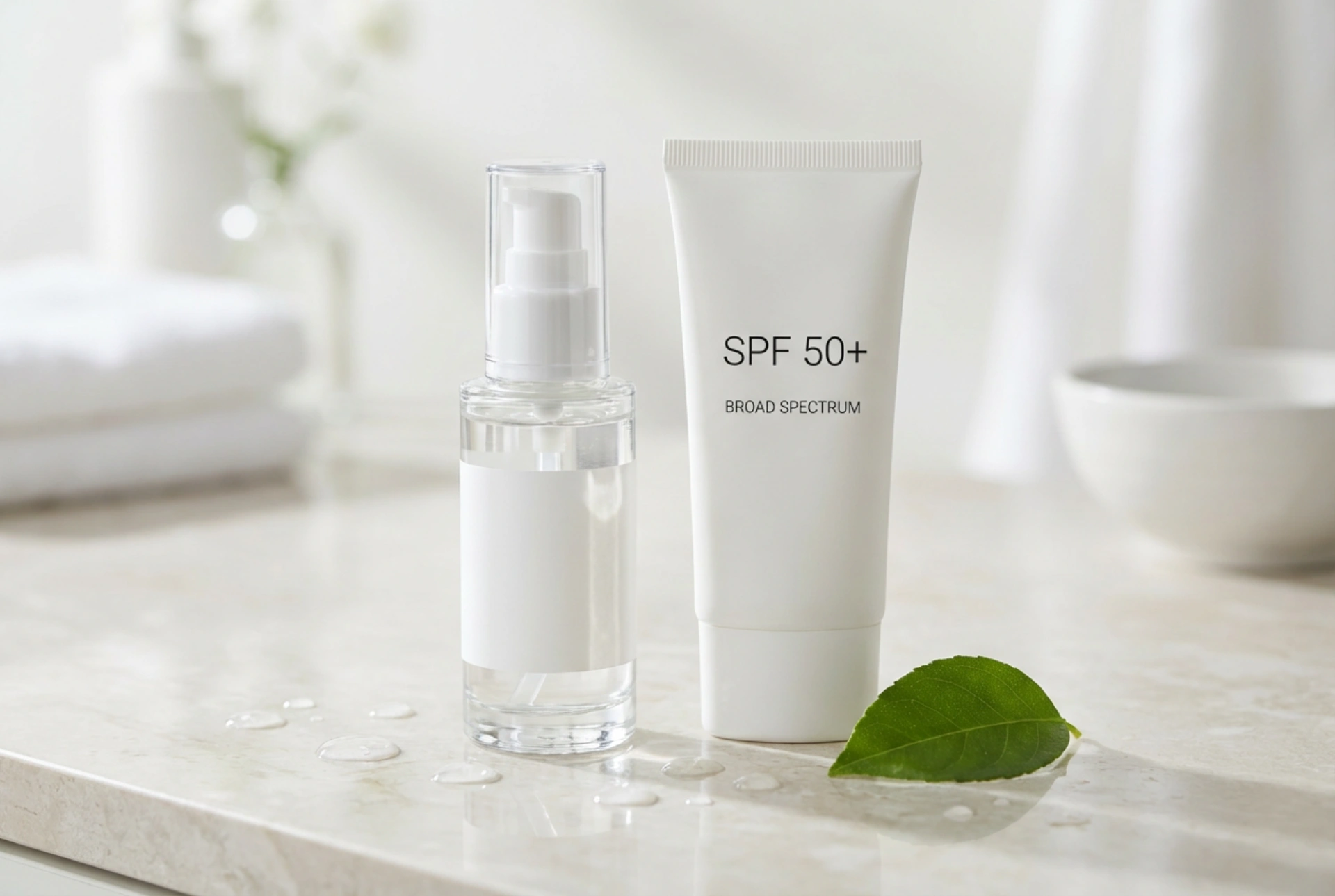
- Apply SPF Generously: Apply a broad-spectrum sunscreen with a high SPF rating as your last skincare step. Use the recommended amount for your face and neck to ensure you are getting the level of protection stated on the bottle.
- Wait for it to Set: This is the most crucial part. You must wait for the sunscreen to fully absorb and form its protective film on the skin. This can take anywhere from 5 to 15 minutes, depending on the formula. Rushing this step is the primary cause of pilling (when products ball up on the skin). Your skin should feel dry to the touch, not tacky or wet.
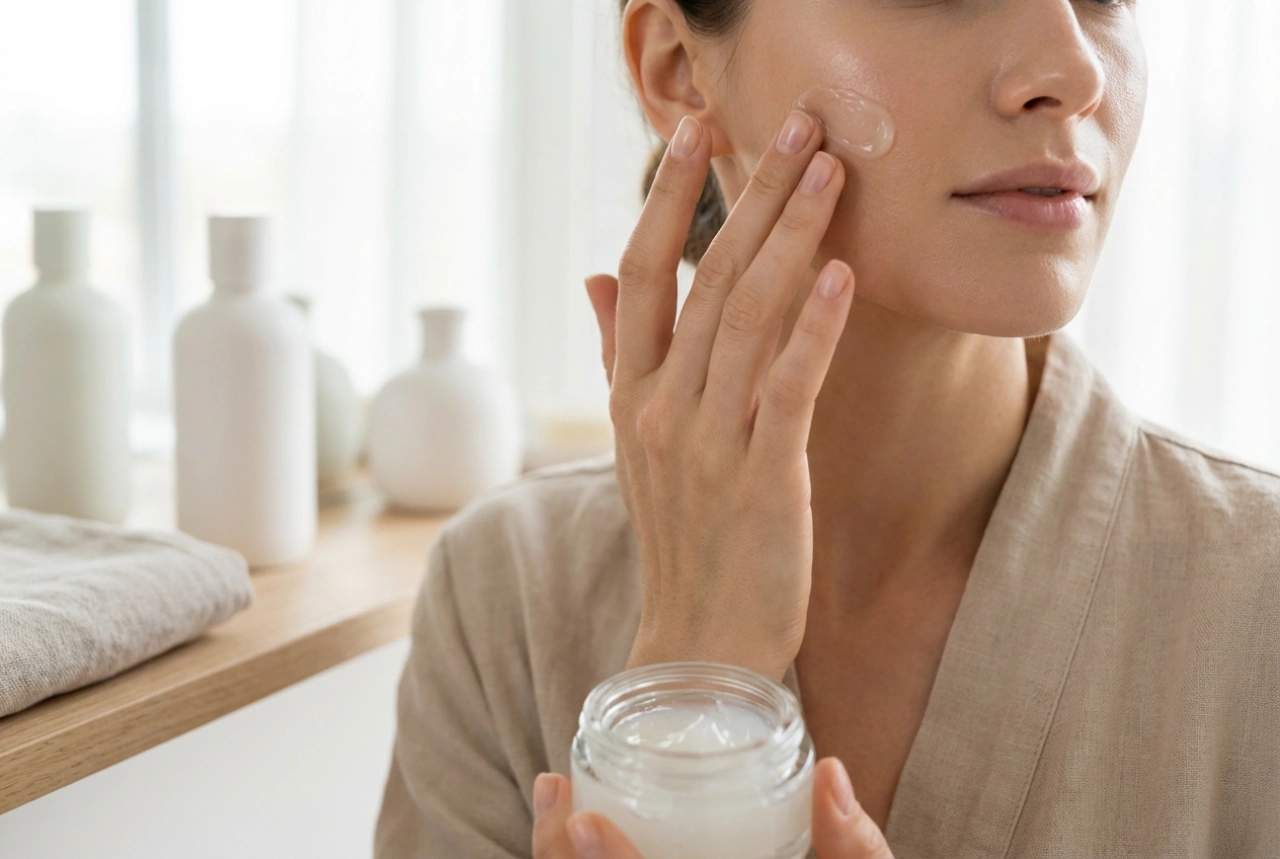
- Apply Hydrating Primer: Once the sunscreen has set, gently apply a thin, even layer of your hydrating primer over the top. Use your fingertips or a brush to smooth it over the skin.
- Proceed with Makeup: You can now apply your foundation and other makeup as usual.
Common Mistakes to Avoid
To get the most out of your products, steer clear of these common errors:
- Applying Primer Before SPF: Doing this can create a barrier that prevents the sunscreen from properly adhering to your skin, compromising its protective capabilities.
- Mixing Primer or Foundation into Your SPF: Never mix other products directly into your sunscreen. This can dilute the formula and destabilise the UV filters, drastically reducing the level of protection.
- Not Waiting Between Layers: As mentioned, not allowing your moisturiser and especially your SPF to set is the main culprit behind pilling and a patchy makeup finish.
- Using Too Much Product: A little goes a long way with primers. Applying too much can feel heavy and may even cause your foundation to slide around during the day. Start with a pea-sized amount and add more only if needed.
- Relying on SPF in Makeup: While SPF in foundation or primer is a nice bonus, it should never be your primary source of sun protection. You would need to apply a very thick layer of makeup to achieve the stated SPF, which is rarely practical.
By understanding how to correctly choose and layer a hydrating primer with your sunscreen, you can create a beautiful, long-lasting makeup look while ensuring your skin remains hydrated, comfortable, and, most importantly, protected from the sun.