

Delicate exfoliation is key to maintaining soft, refined hands. Often neglected in daily routines, our hands are constantly exposed to environmental stressors, frequent washing, and temperature fluctuations. A regular hand scrub routine, performed under soft light in the comfort of your home, can transform dry, tired skin into a smooth, beautifully hydrated canvas. By shedding dead epidermal cells, we allow the skin to breathe and absorb nutrients more effectively. Understanding the proper massage technique, the correct frequency, and the essential steps of aftercare can elevate a simple grooming habit into a deeply restorative beauty ritual.
The Benefits of Systematic Hand Exfoliation
The skin on our hands requires tailored attention because it differs significantly across different areas. The skin on the back of the hands is remarkably thin and delicate, containing very few sebaceous glands, which makes it prone to premature ageing and dehydration. Conversely, the skin on our palms is thicker but lacks sebaceous glands entirely. Systematic exfoliation addresses these unique characteristics by gently removing the accumulated layer of dead skin cells that can make the hands look dull and feel rough.
By incorporating a gentle hand scrub into your beauty regime, you stimulate natural microcirculation. This improved blood flow helps revitalise the skin cells, giving the hands a healthy, even tone. Furthermore, removing the outer layer of dead cells prepares the skin to receive subsequent cosmetic products. Creams, lotions, and nourishing oils can penetrate deeper and work more efficiently, ensuring that your hands remain soft, supple, and well-protected against external elements.
Choosing the Right Hand Scrub for Your Skin
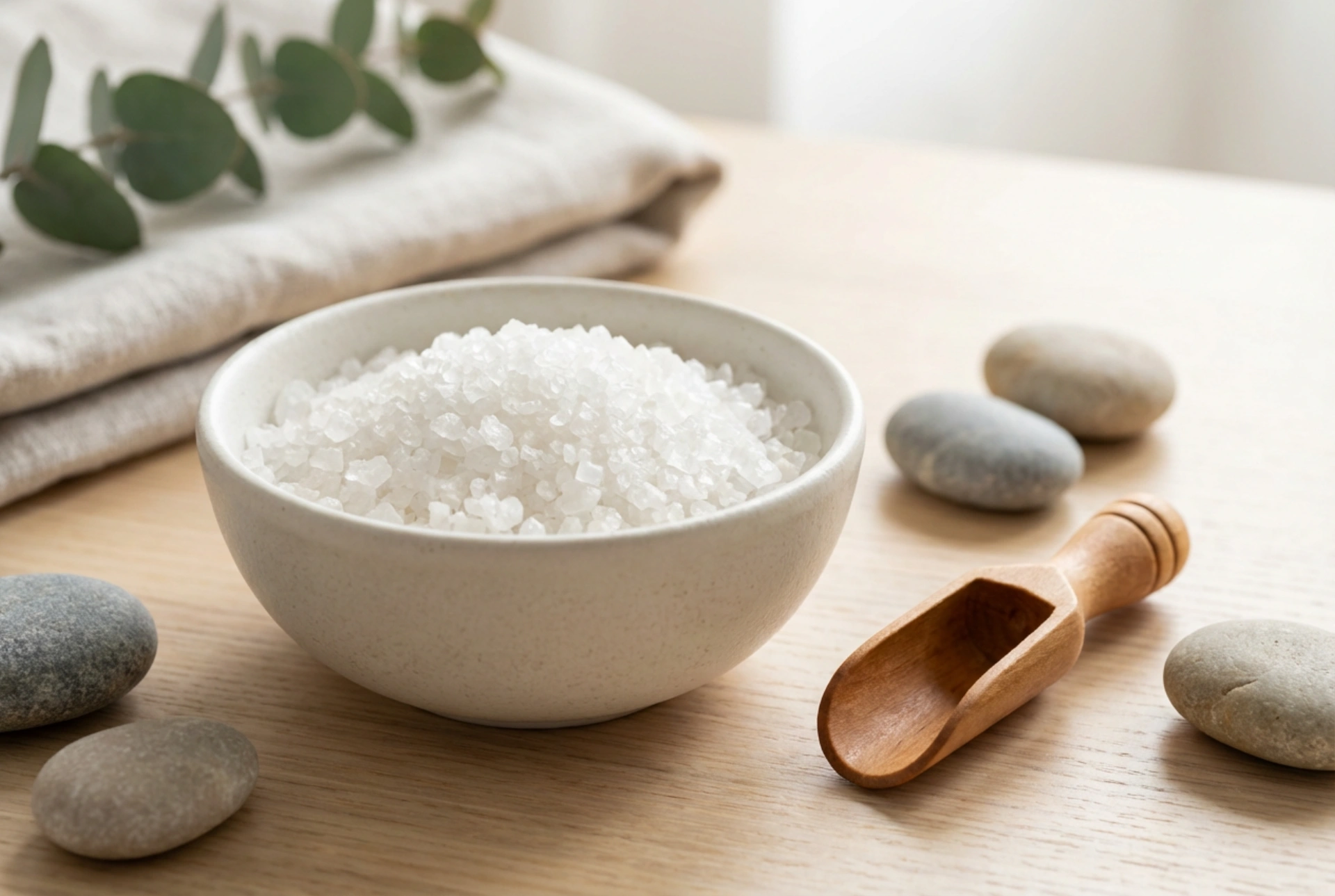
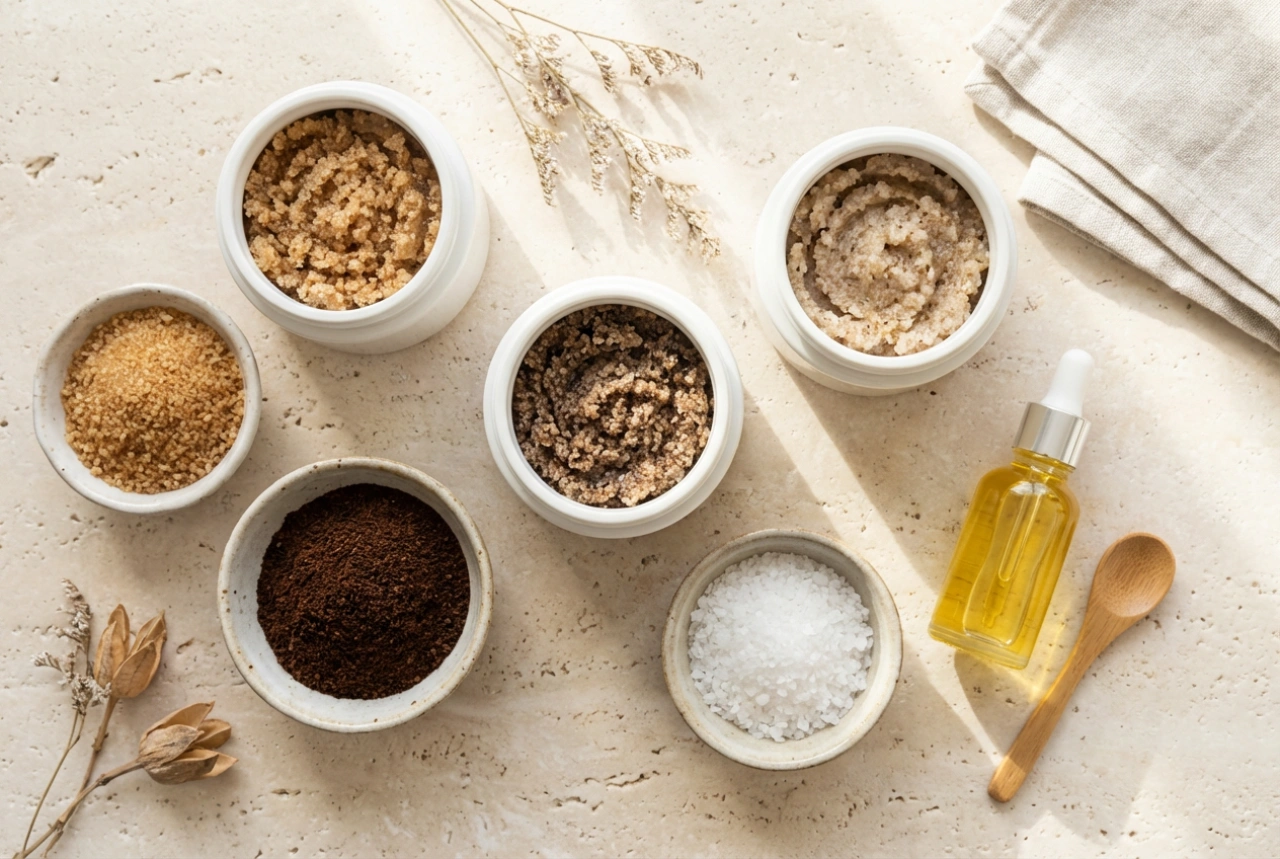
Selecting the appropriate exfoliating product is crucial to avoid irritation. Since hand skin can be sensitive, it is best to opt for formulas with fine exfoliating particles. Sugar-based scrubs are highly recommended because the sugar crystals dissolve gradually during the massage, offering a controlled and gentle exfoliation process. Fine seed powders, such as apricot or cranberry seeds, can also provide an effective yet non-abrasive texture.
In addition to the physical exfoliants, the base of the scrub plays a vital role in protecting the skin barrier. Look for scrubs enriched with nourishing carrier oils such as sweet almond oil, jojoba oil, or avocado oil. These ingredients help to cushion the abrasive action of the scrub, leaving a delicate protective film on the skin even after rinsing. Avoid harsh formulations designed for the feet or body, as these are often too abrasive for the delicate skin on the back of your hands.
Step-by-Step Hand Massage Technique
The way you apply and massage a hand scrub significantly influences the results. A hurried application can cause micro-damage, whereas a mindful, gentle massage boosts relaxation and maximises the benefits of the product. Follow these steps to achieve a professional-standard treatment at home:
- Preparation: Start by washing your hands with a mild, soap-free cleanser and lukewarm water. Leave the skin slightly damp to allow the scrub to glide smoothly without causing unnecessary friction.
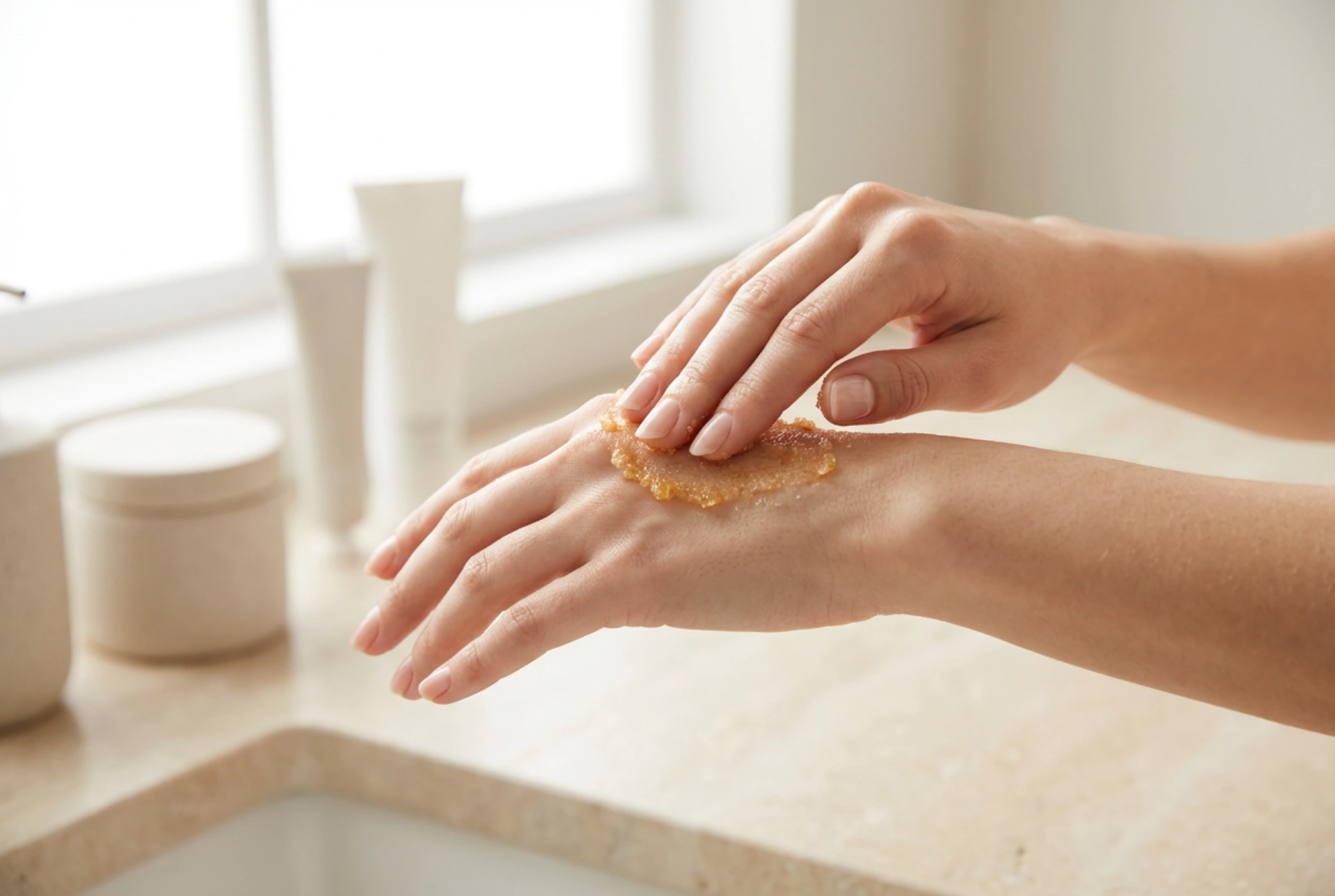
- Application: Dispense a small, cherry-sized amount of the hand scrub onto your palms. Rub your palms together to distribute the product evenly and warm it up slightly.
- Circular Massage: Begin by massaging the palms of your hands using firm, circular motions. The skin here is thicker and can handle slightly more pressure. Slowly move to the back of each hand, using extremely gentle, sweeping circular movements.
- Focus on Detail: Pay special attention to the areas around the knuckles and the cuticles, where skin tends to build up and become dry. Gently massage each finger individually, working from the base to the tip.
- Rinsing: Rinse the scrub away thoroughly using lukewarm water. Avoid hot water, as it can strip away the skin's natural lipid barrier. Gently pat your hands dry with a soft, clean towel without rubbing.
Establishing the Correct Frequency
When it comes to exfoliation, consistency is important, but moderation is key. Over-exfoliating can disrupt the natural protective barrier of the skin, leading to increased sensitivity, redness, and chronic dryness. The ideal frequency depends largely on your skin type and the current season:
- Normal to dry skin: Performing a hand scrub once a week is generally sufficient to maintain smoothness and promote cellular renewal without causing stress to the epidermis.
- Sensitive skin: If your skin is naturally delicate or prone to redness, limit the treatment to once every ten to fourteen days, opting for the gentlest formula available.
- Seasonal adjustments: During the colder autumn and winter months, when the hands are exposed to harsh winds and indoor heating, you may want to scale back the physical exfoliation and focus more on intensive hydration to prevent the skin barrier from becoming compromised.
Crucial Aftercare for Hydrated Hands
The exfoliation process removes the outermost protective layer of dead cells, leaving the fresh, underlying skin temporarily vulnerable to moisture loss. Therefore, the steps you take immediately after rinsing off your scrub are vital for locking in hydration and repairing the skin barrier.
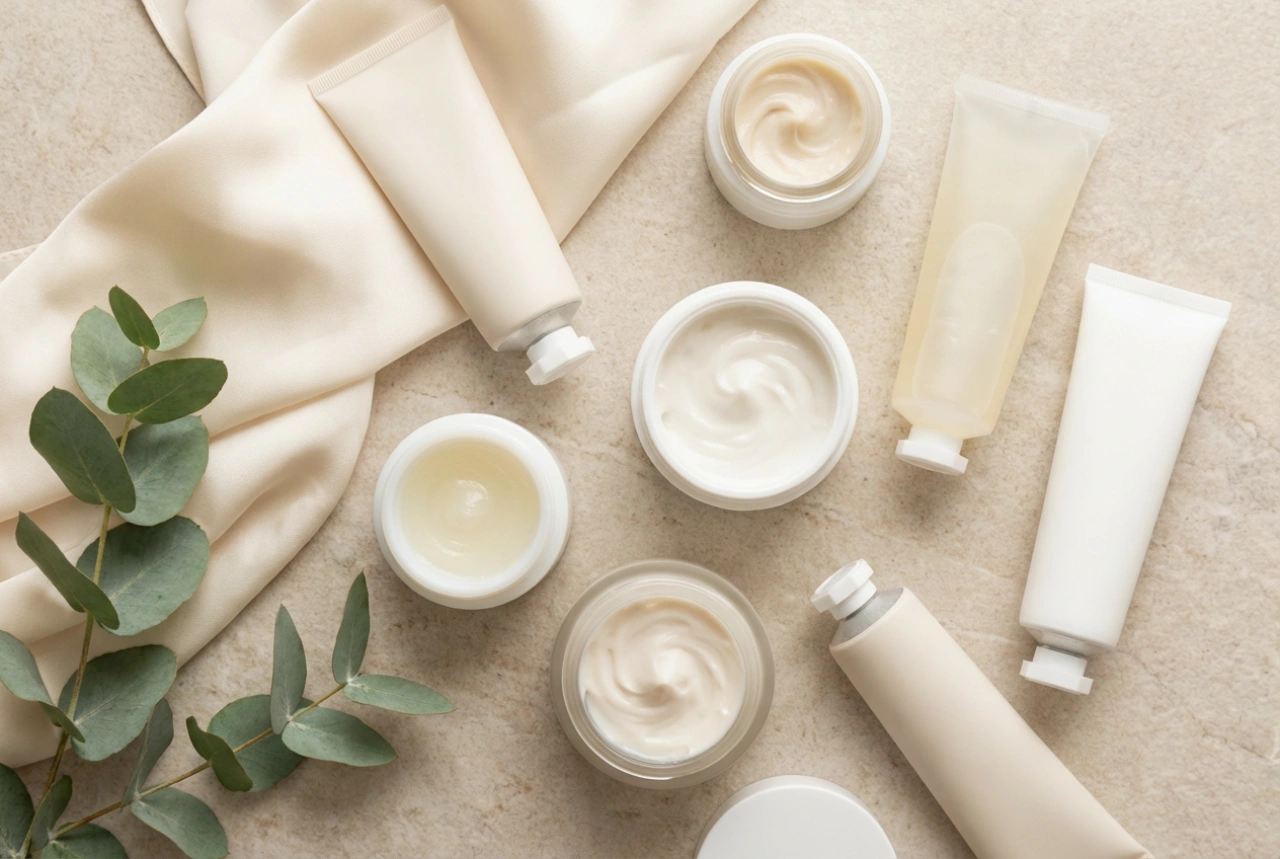
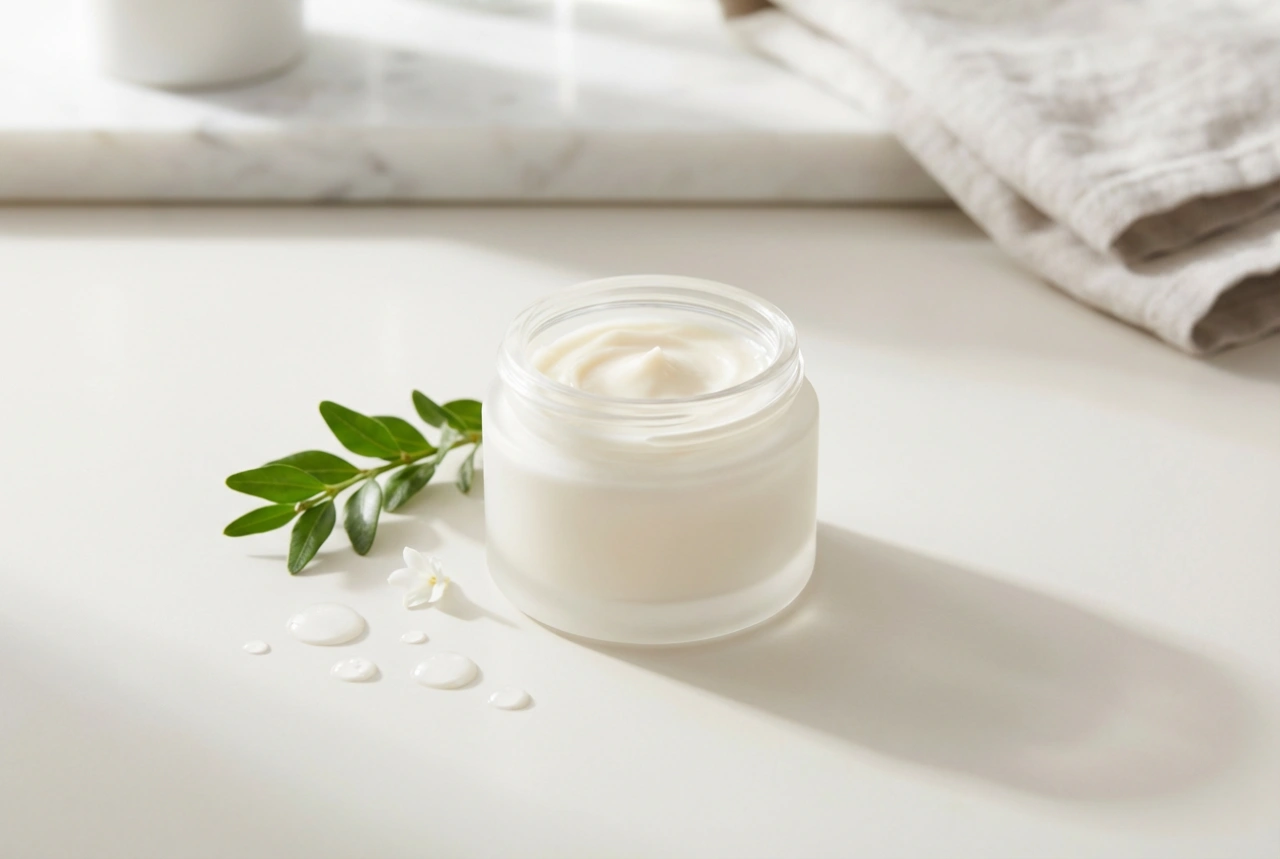
Immediately after patting your hands dry, apply a generous layer of a rich, nourishing hand cream or balm. Look for formulas containing humectants like glycerin to draw moisture into the skin, alongside emollients such as shea butter or natural plant oils to seal that moisture in. For an enhanced overnight treatment, apply a thick layer of a deeply hydrating hand mask or cream and slip on a pair of soft, clean cotton gloves before going to sleep. This simple technique keeps the product in contact with the skin, allowing it to absorb fully and revealing incredibly soft, revitalised hands by morning.