

Smooth, strong, and resilient hair is often seen as a sign of health and vitality. A key component responsible for this strength is keratin, a structural protein that forms the very foundation of each hair strand. When hair becomes damaged, frizzy, or weak, it's often because this natural keratin has been depleted. Fortunately, incorporating a keratin-based conditioner into your routine can help replenish this vital protein, restoring your hair's integrity. Understanding how and when to use it is crucial for unlocking its full potential without overwhelming your hair.
What is Keratin and Which Hair Types Benefit Most?
Keratin is a fibrous protein that makes up about 95% of our hair. It's responsible for the hair's structure, strength, and elasticity. Daily wear and tear—from heat styling and sun exposure to chemical treatments like colouring—can break down these protein bonds, creating gaps in the hair cuticle. This damage manifests as frizz, split ends, and a dull, brittle texture. Hair with higher porosity, meaning its cuticle is raised and absorbs and loses moisture quickly, is particularly prone to this kind of damage.
A keratin conditioner works by temporarily filling these gaps in the hair shaft. The hydrolysed keratin proteins in the formula are small enough to penetrate the hair cuticle, bonding to the weaker spots. This reinforces the hair's structure from the inside out, resulting in a smoother surface, reduced frizz, and improved strength. So, who benefits most from this protein boost?
- Damaged or Over-Processed Hair: If your hair has been subjected to frequent bleaching, colouring, or heat styling, a keratin conditioner can help mitigate some of the visible damage.
- Frizzy and Unruly Hair: By smoothing the hair cuticle, keratin helps to tame frizz and flyaways, making hair more manageable.
- Fine or Weak Hair: Keratin can add substance and strength to fine strands, making them feel thicker and more resilient. However, it should be used in moderation to avoid weighing the hair down.
- Porous Hair: Hair that feels rough and absorbs products quickly can benefit from the structural reinforcement that keratin provides.
Conversely, if your hair is already very healthy, low-porosity, or feels stiff, it may not need frequent protein treatments. The key is to listen to your hair and observe how it responds.
How to Apply a Keratin Conditioner for Best Results
Application technique is just as important as the product itself. Following a few simple steps ensures you get all the benefits without causing build-up or greasiness. The goal is to target the areas that need it most—typically the lengths and ends, which are the oldest and most damaged parts of your hair.
- Wash and Prepare Your Hair: Start by washing your hair with a shampoo suited to your scalp and hair type. Focus the shampoo on your scalp and let the suds run down the lengths as you rinse.
- Remove Excess Water: After rinsing out the shampoo, gently squeeze the water from your hair with your hands. Do not wring or rub your hair aggressively with a towel, as this can cause friction and damage. Hair that is damp, not sopping wet, will absorb the conditioner more effectively.
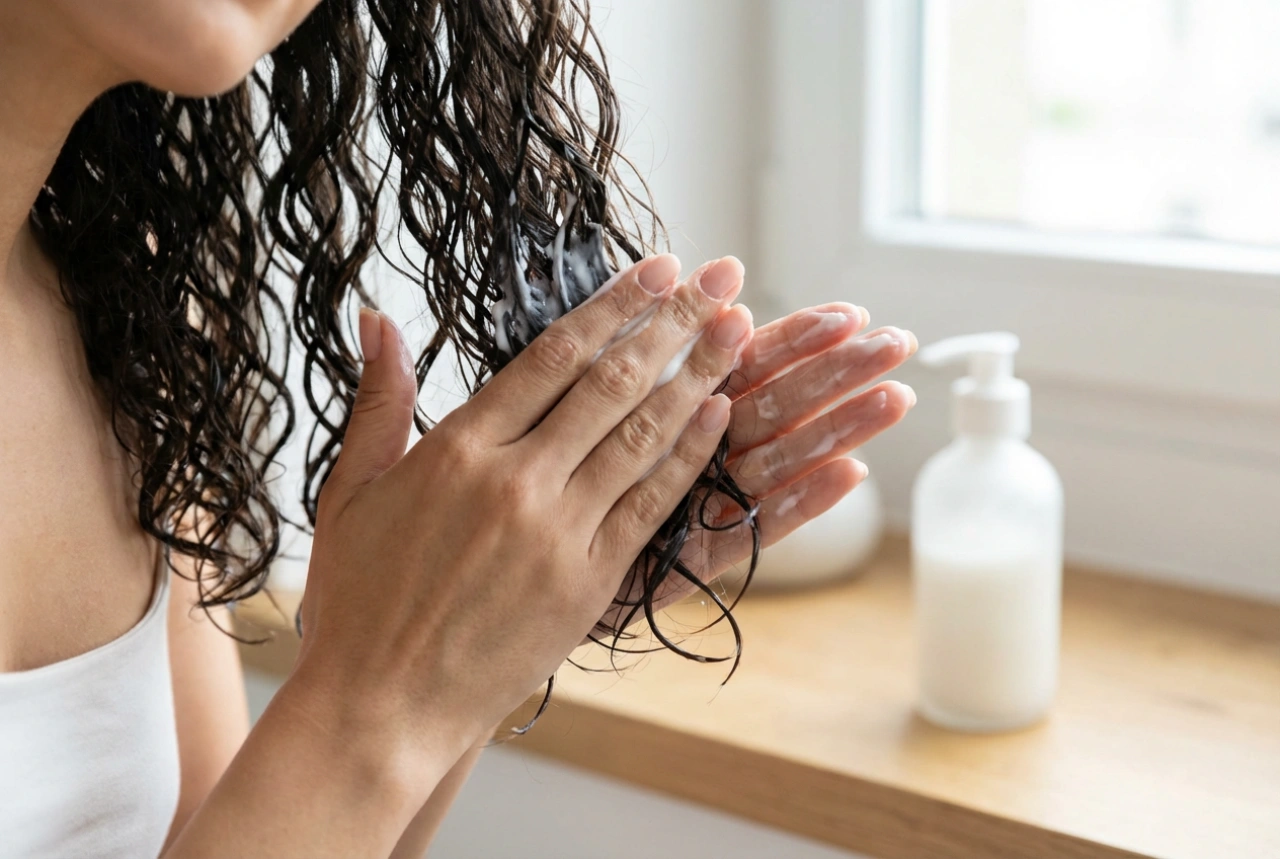
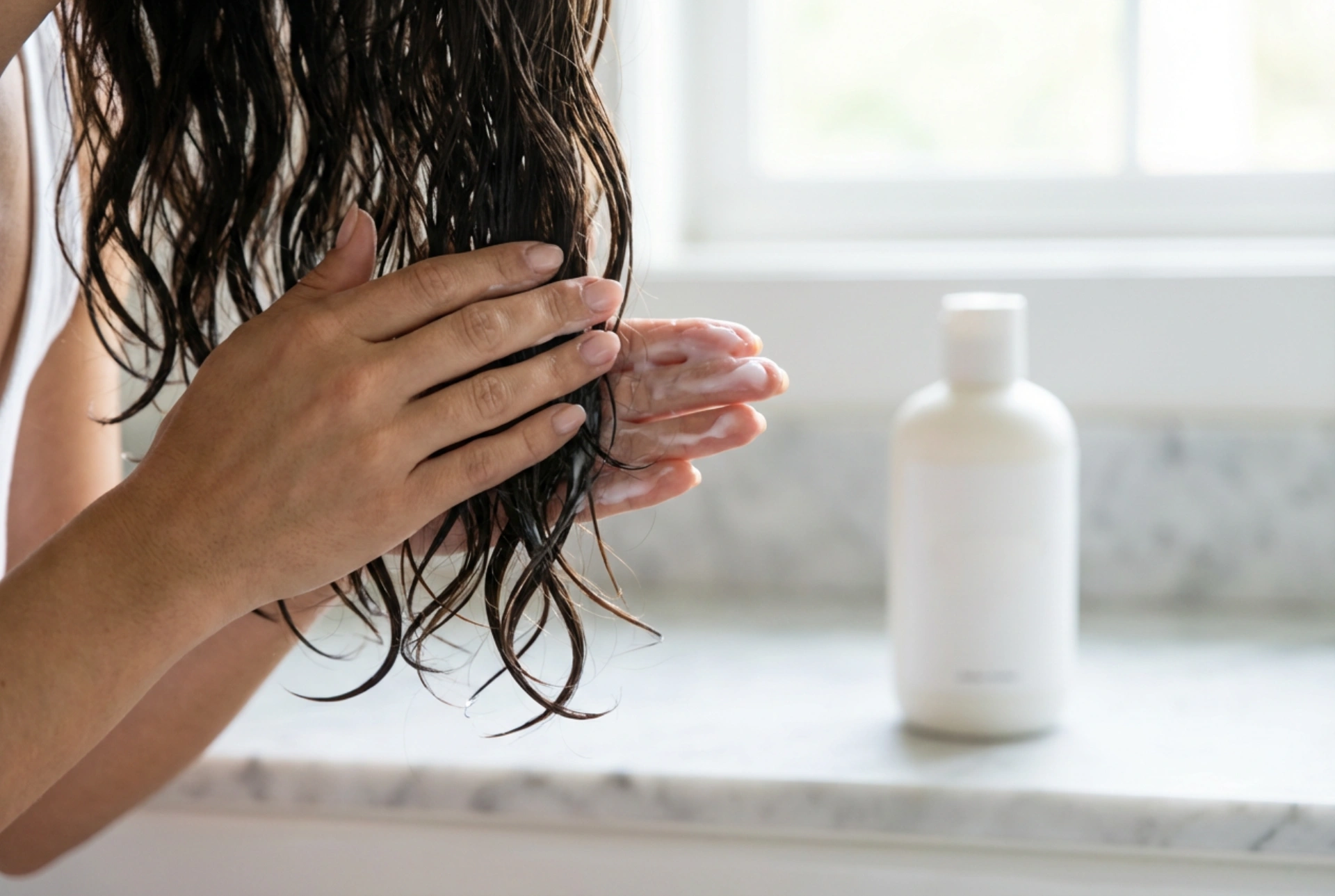
- Apply from Mid-Lengths to Ends: Dispense a small amount of keratin conditioner into your palm. The amount will depend on your hair's length and thickness—start with a coin-sized dollop and add more if needed. Focus the application on the mid-lengths and ends, as this is where hair is typically most damaged and dry. Applying conditioner directly to the roots can weigh hair down and lead to a greasy scalp.
- Distribute Evenly: Use your fingers to gently rake the conditioner through your hair, ensuring every strand is lightly coated. For more thorough distribution, you can use a wide-tooth comb. This helps to detangle the hair gently while the conditioner provides slip, minimising breakage.
- Let it Absorb: Leave the conditioner in for the time specified on the product's instructions, usually between 3 to 5 minutes. This gives the keratin proteins enough time to adhere to the hair shaft. There is no benefit to leaving a regular conditioner on for longer than recommended.
- Rinse Thoroughly: Rinse your hair with lukewarm or cool water until it feels clean and there is no slippery residue left. Cool water helps to seal the hair cuticle, locking in the benefits of the conditioner and enhancing shine.
Common Mistakes to Avoid When Using Keratin Products
While keratin conditioners are beneficial, improper use can lead to undesirable results. Being aware of common pitfalls can help you maintain a healthy balance for your hair.
- Overuse and Protein Overload: This is the most common mistake. Using protein-rich products too frequently can lead to a condition known as 'protein overload'. The hair becomes stiff, brittle, and prone to snapping because it has lost its elasticity. If your hair starts to feel straw-like or unusually rigid, scale back on keratin and focus on purely moisturising products for a while.
- Applying to the Scalp: Unless you have very dry, damaged hair right from the root, avoid the scalp. Conditioner can clog follicles and leave your roots looking flat and oily.
- Using Too Much Product: More is not always better. An excessive amount of conditioner won't provide extra benefits and will be harder to rinse out, potentially leaving a film that weighs hair down.
- Not Balancing Protein with Moisture: Healthy hair requires a balance of both protein and moisture. Think of protein as the scaffolding and moisture as the cement that keeps it flexible. Alternate your keratin conditioner with a hydrating, protein-free conditioner to give your hair the flexibility and softness it needs. Listen to your hair—if it feels overly soft and mushy, it likely needs protein. If it feels rough and brittle, it needs moisture.
By understanding what your hair needs and applying your keratin conditioner correctly, you can effectively strengthen your strands, reduce frizz, and restore a smooth, healthy appearance to your hair. It’s a powerful tool in any hair care arsenal when used thoughtfully and in moderation.