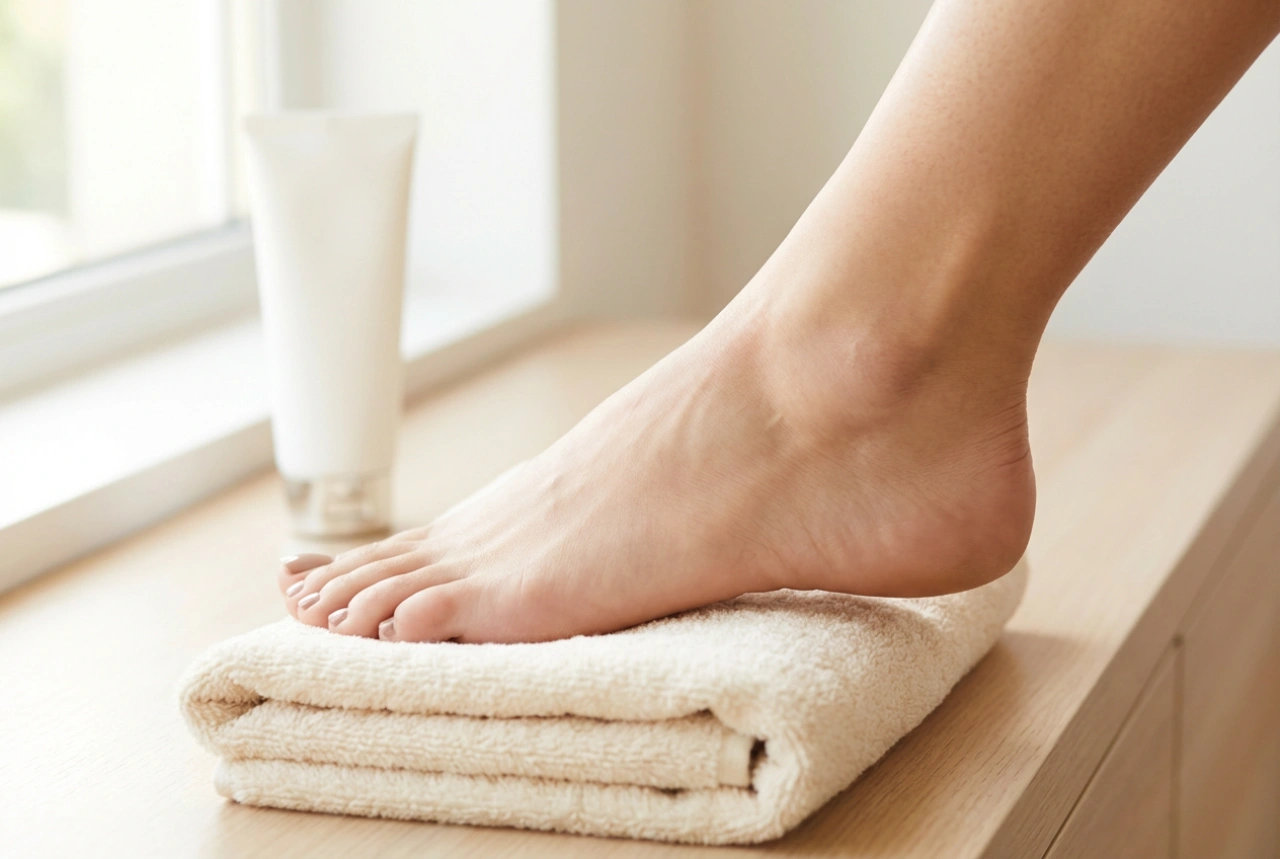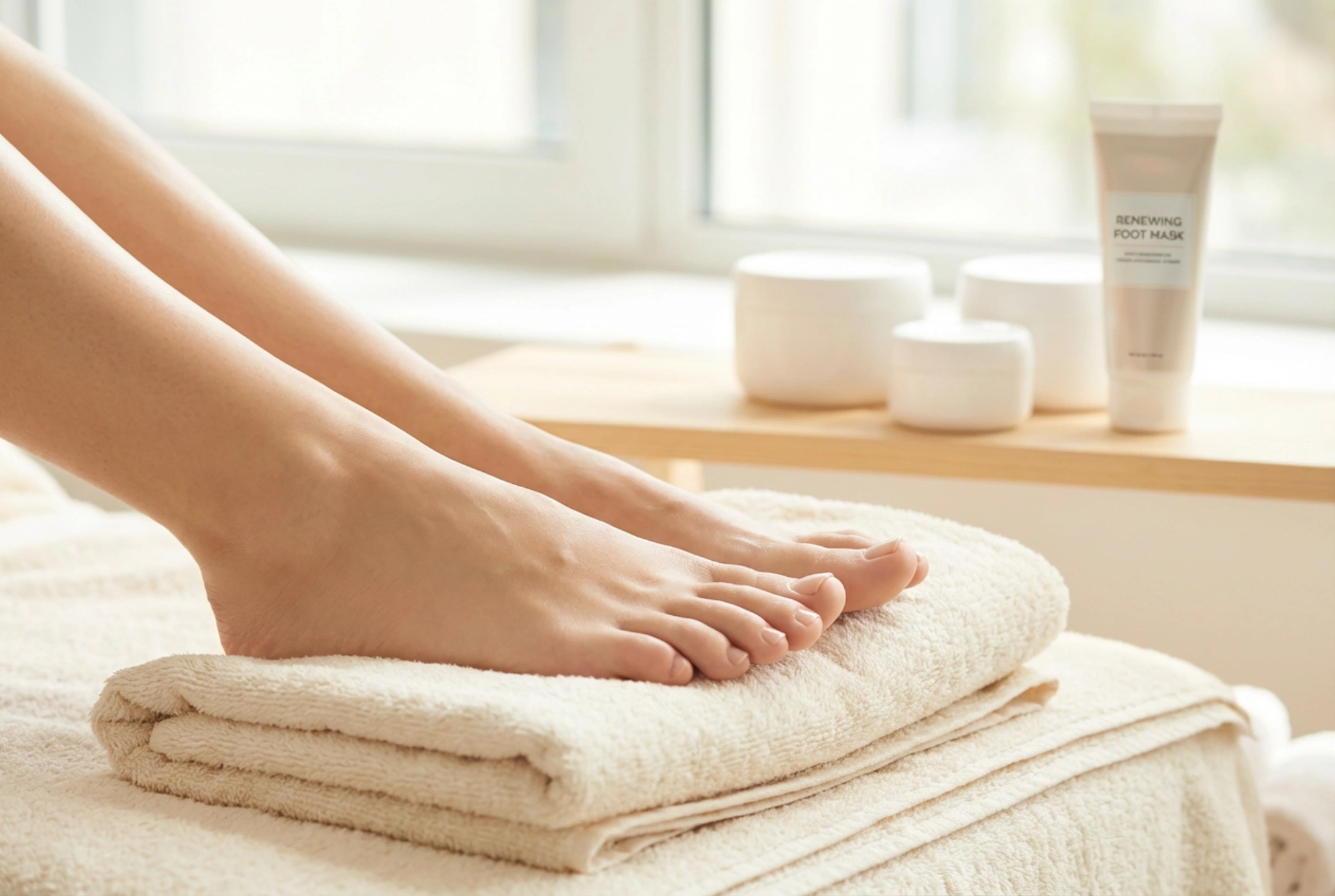


There is nothing quite like the feeling of resting your freshly pampered feet on a plush, soft towel after a relaxing home treatment. Our feet carry us through daily challenges, yet they are often the most neglected part of our skincare routine. Over time, friction, pressure, and dry air lead to the build-up of hardened, rough skin. To combat this, exfoliating foot masks have become a popular and convenient solution for achieving beautifully smooth, rejuvenated feet at home. However, to enjoy the benefits without discomfort, it is essential to understand how these products work and how to use them safely.
Understanding the Science: How Exfoliating Foot Masks Work
Exfoliating foot masks, typically designed as wearable plastic booties filled with an active liquid formula, work through chemical exfoliation rather than mechanical scrubbing. The primary active ingredients in these formulations are keratolytic agents, which gently dissolve the cellular bonds holding dead skin cells together. The most common components include:
- Alpha-Hydroxy Acids (AHAs): Ingredients such as lactic acid and glycolic acid penetrate the surface layers of the skin, breaking down the outer dead cells and encouraging cellular renewal.
- Beta-Hydroxy Acids (BHAs): Salicylic acid is commonly used due to its ability to penetrate deeper into the pores and softened layers of thickened skin, making it highly effective for stubborn areas like heels.
- Nourishing Plant Extracts: To balance the exfoliating action, quality formulas often include soothing botanical ingredients like aloe vera, chamomile, or green tea to calm the skin during the process.
Unlike traditional foot files, which can create uneven surfaces and trigger the skin to produce even more protective calluses, chemical exfoliation offers a uniform, gradual shedding process. This natural desquamation typically begins a few days after application and can last for up to two weeks, revealing the soft, healthy skin underneath.
Step-by-Step Application for Optimal and Safe Results
To achieve the best results and ensure a comfortable experience, proper preparation and application are key. Following a structured routine helps the active ingredients absorb evenly while minimising the risk of unexpected reactions.
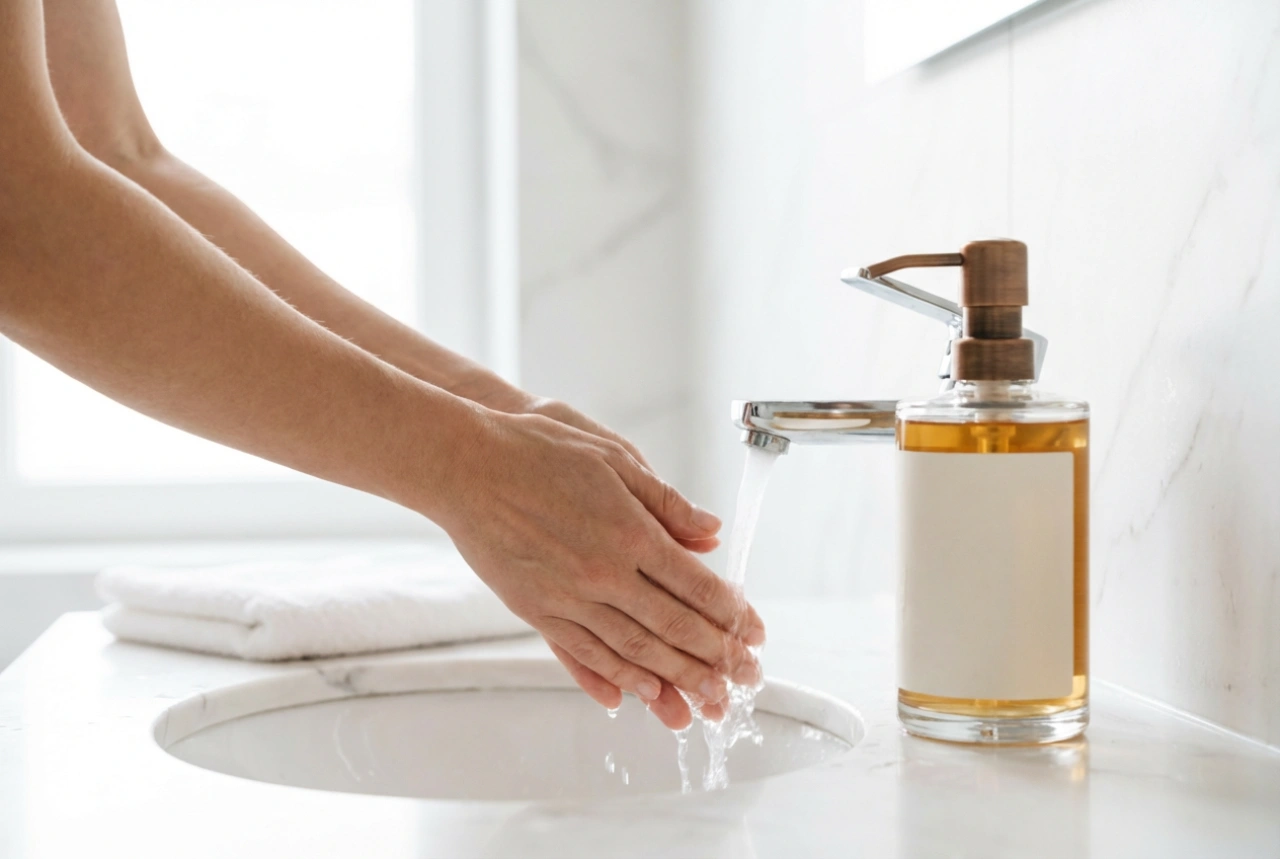
Begin by thoroughly washing your feet with a gentle cleanser and warm water. Soaking your feet in warm water for about ten to fifteen minutes before the treatment can soften the outer layer of skin, allowing the exfoliating serum to penetrate more effectively. Once soaked, dry your feet completely with a clean towel.
Carefully put on the plastic booties and secure them around your ankles using the provided adhesive strips. To ensure the liquid stays in close contact with your skin and to allow for comfortable movement, you can wear a pair of regular cotton socks over the booties. Leave the mask on for the exact duration recommended by the manufacturer, which is typically between sixty and ninety minutes. Once the time is up, remove the booties and thoroughly rinse your feet with lukewarm water to remove any remaining residue.
How to Avoid Irritation and Protect Sensitive Skin
While exfoliating foot masks are generally safe for cosmetic use, the high concentration of acids requires careful handling to prevent irritation, redness, or chemical burns. Here are essential safety guidelines to keep in mind:
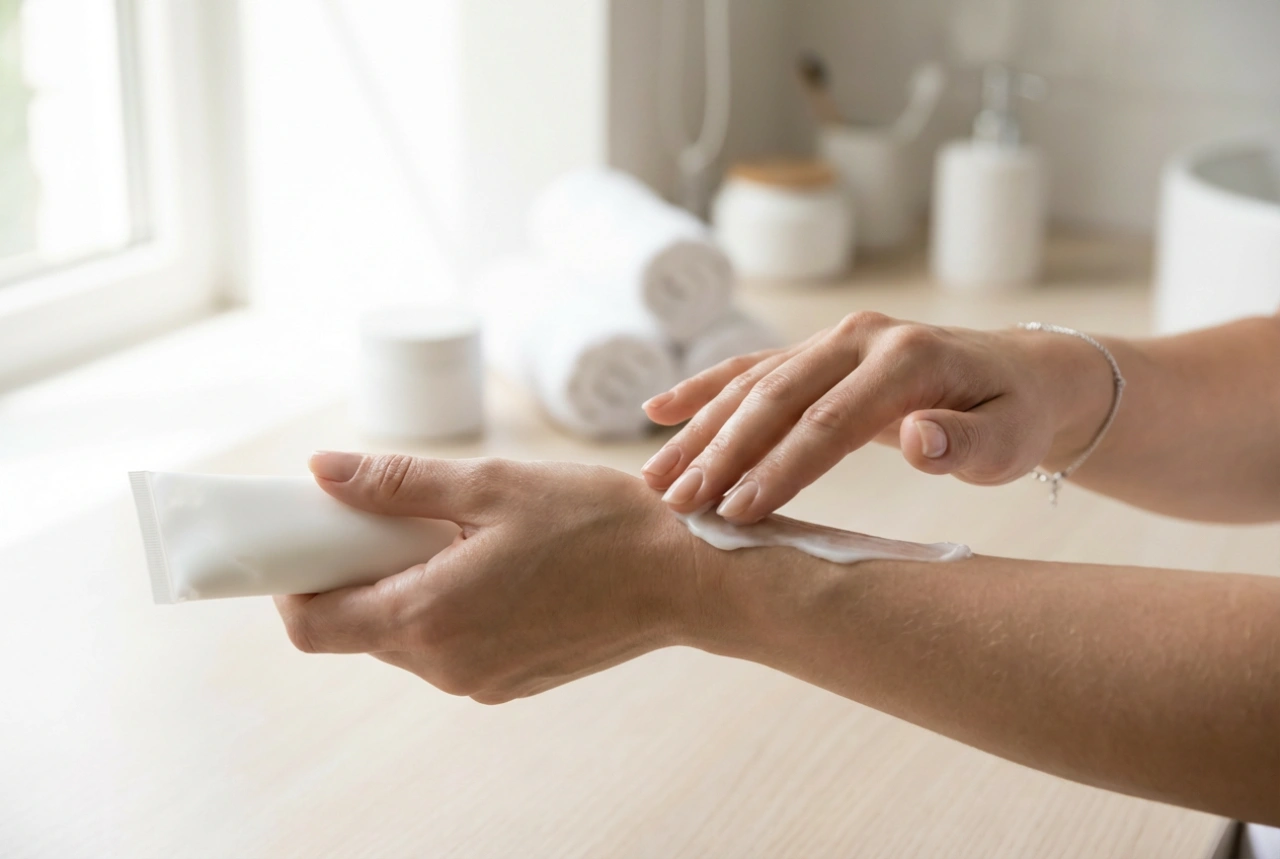
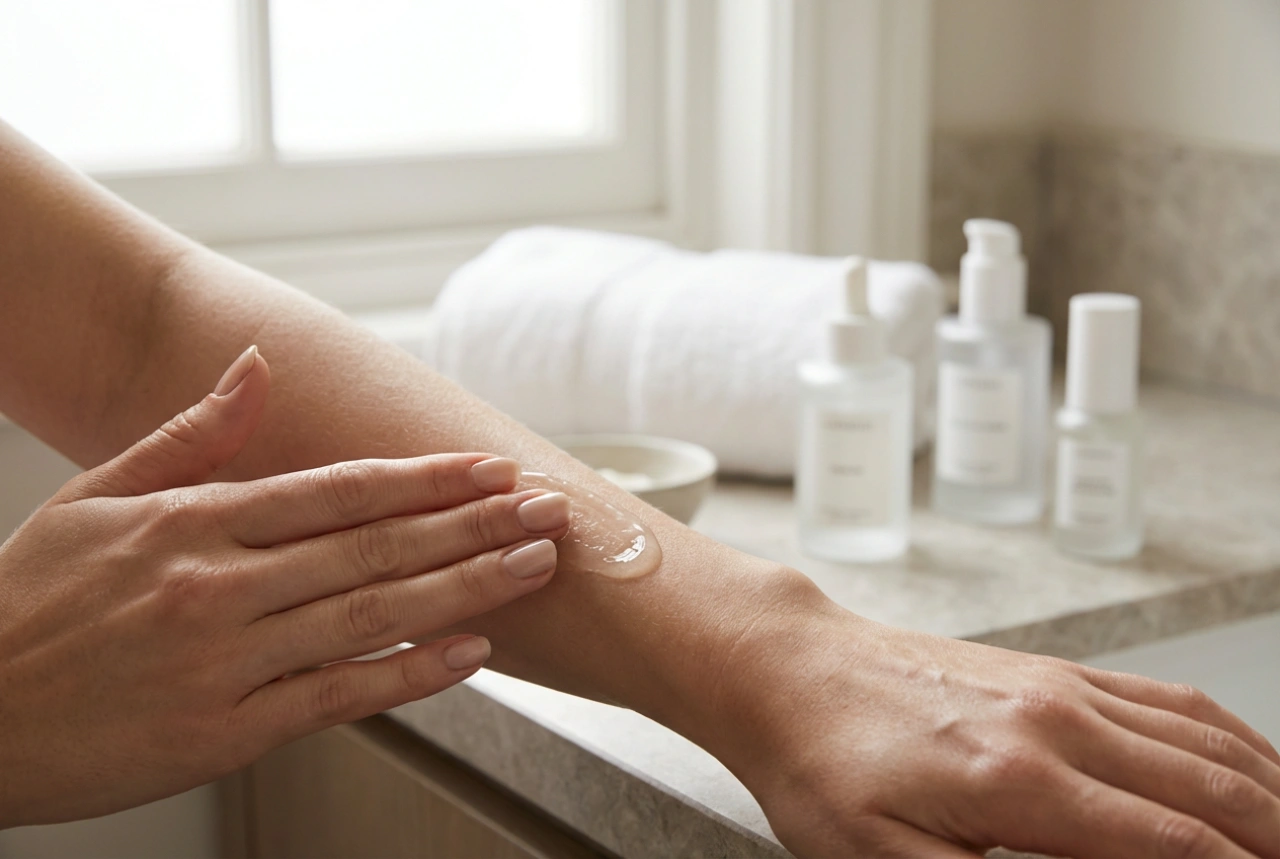
- Perform a Patch Test: Before applying the mask to your entire foot, apply a small drop of the liquid to a discreet patch of skin, such as the top of the foot or ankle. Wait twenty-four hours to ensure no redness, itching, or swelling occurs.
- Avoid Broken Skin: Never use an exfoliating mask if you have open wounds, cuts, scratches, or freshly shaved skin. The acidic formula will cause intense stinging and potential irritation.
- Resist the Urge to Peel: As the skin begins to shed naturally, do not pull, peel, or scrub the loose skin away. Forcing the peeling process can damage the delicate, immature skin underneath, leading to sore spots and hyperpigmentation. Let the skin fall away naturally during your daily washes.
- Do Not Overuse: These treatments are designed for occasional use. Repeating the process too frequently can thin the skin barrier, leading to chronic dryness and heightened sensitivity. A gap of at least four to six weeks between treatments is highly recommended.
Post-Treatment Care for Long-Lasting Softness
Once the peeling process is complete, maintaining the newly revealed skin is vital for extending the results of your pampering session. During the shedding phase, avoid using heavy, greasy ointments that might trap the peeling skin; instead, stick to light, hydrating lotions. Once the peeling has fully finished, you can transition back to deeply nourishing foot creams.
Look for daily moisturisers containing hydrating ingredients like glycerin, shea butter, or low concentrations of urea to lock in moisture. Additionally, because newly exfoliated skin is highly sensitive to sunlight, protect your feet by applying sunscreen if you plan to wear open-toed shoes outdoors. Keeping your feet clean, dry, and consistently moisturised will preserve their velvety texture and keep them looking healthy and refreshed for weeks to come.