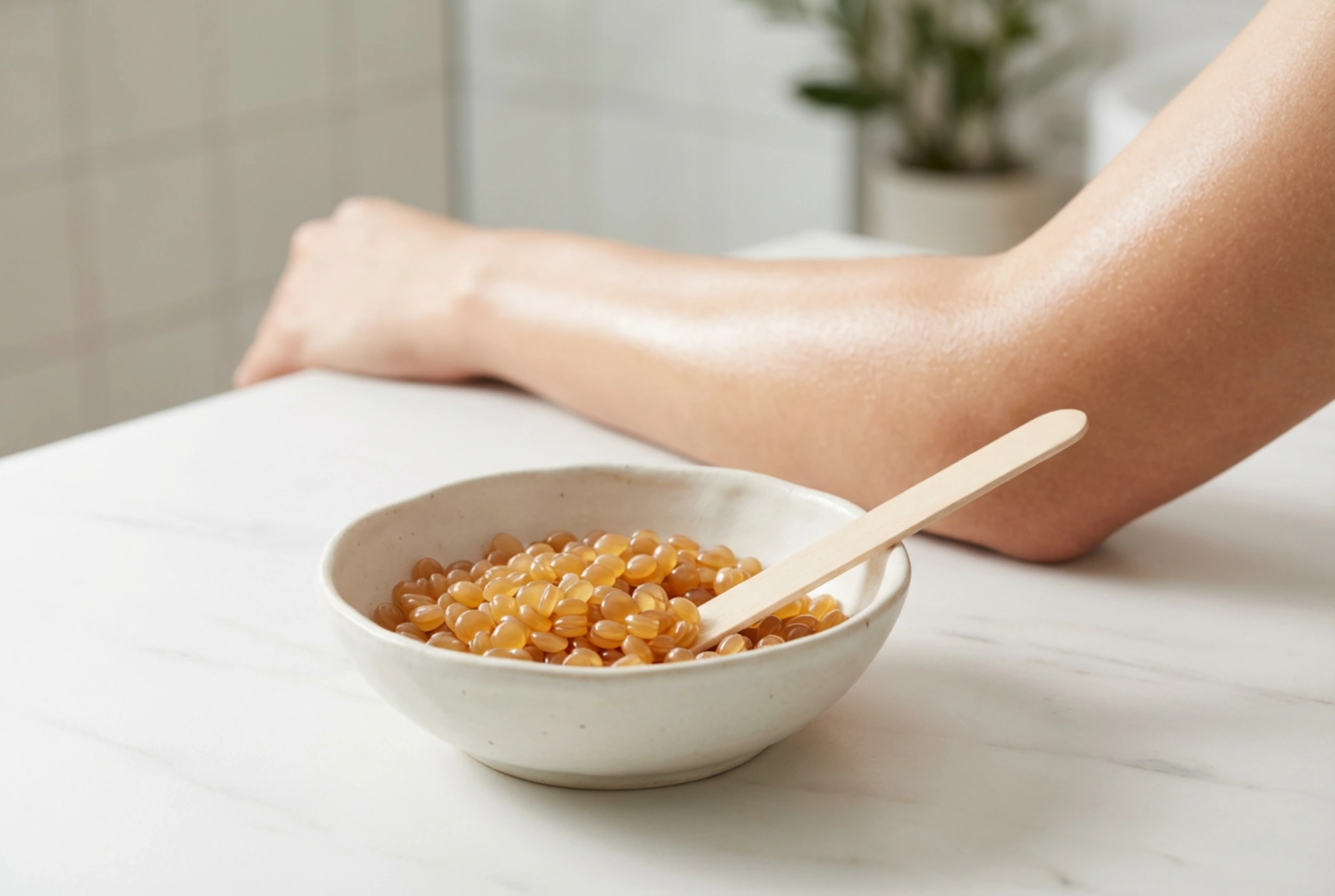


The ritual of home hair removal can be both effective and relaxing when using the right methods. Imagine a minimalist setting where amber hard wax beads melt gently in a ceramic bowl, ready to be applied with a precise wooden applicator onto the skin. This classic approach to hair removal offers a serene beauty routine that leaves the forearm, legs, or other areas incredibly smooth and well-moisturised. Understanding how hard wax works and when to opt for it can completely transform your home self-care routine, delivering professional-like results in the comfort of your own space.
What is Hard Wax and How Does It Work?
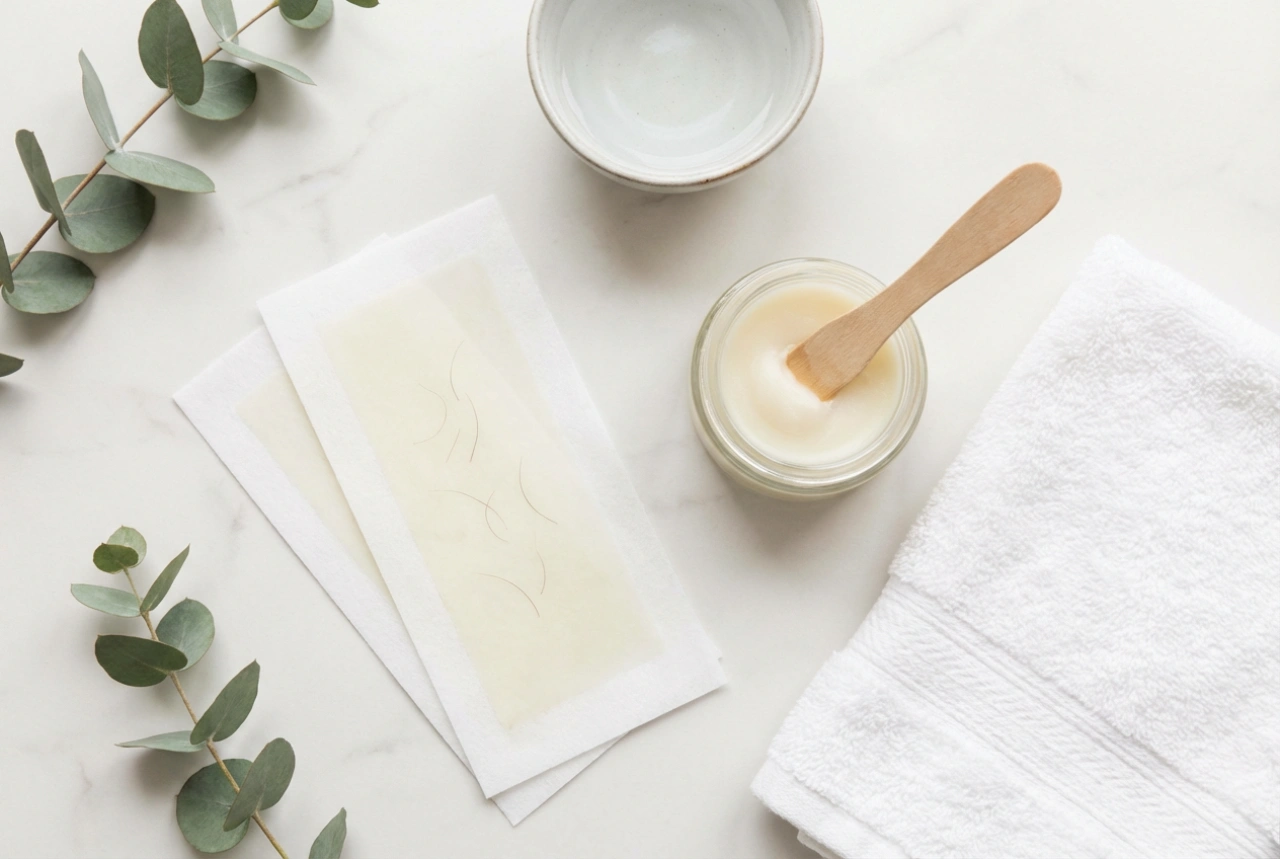
Hard wax, often found in the form of small, colourful beads, is a unique type of wax that adheres only to the hair rather than the skin. Unlike soft strip wax, which requires paper or fabric strips to be pulled off, hard wax warms up, cools down, and solidifies directly on the skin. Once it hardens, it becomes its own strip, allowing you to grip the edge and pull it off smoothly. This mechanism makes it exceptionally gentle on the skin, as it does not pull at the epidermal layer, reducing redness and irritation.
When to Choose Hard Wax Over Soft Wax
Deciding which wax to use depends largely on the area of the body you are treating and your skin's sensitivity. Hard wax is particularly recommended for:
- Sensitive areas: Because it only grips the hair, it is ideal for delicate zones such as the underarms, face, and bikini line.
- Thick and coarse hair: The wax shrink-wraps around each hair strand, making it highly effective at removing stubborn or coarse hairs from the root.
- Short hair: Hard wax can grip shorter hairs than soft wax, meaning you do not have to wait as long between hair removal sessions.
- Finishing touches: If some hairs are left behind after a first pass, hard wax can often be reapplied to the same area without causing significant skin irritation.
How to Prepare Your Skin for Hard Waxing
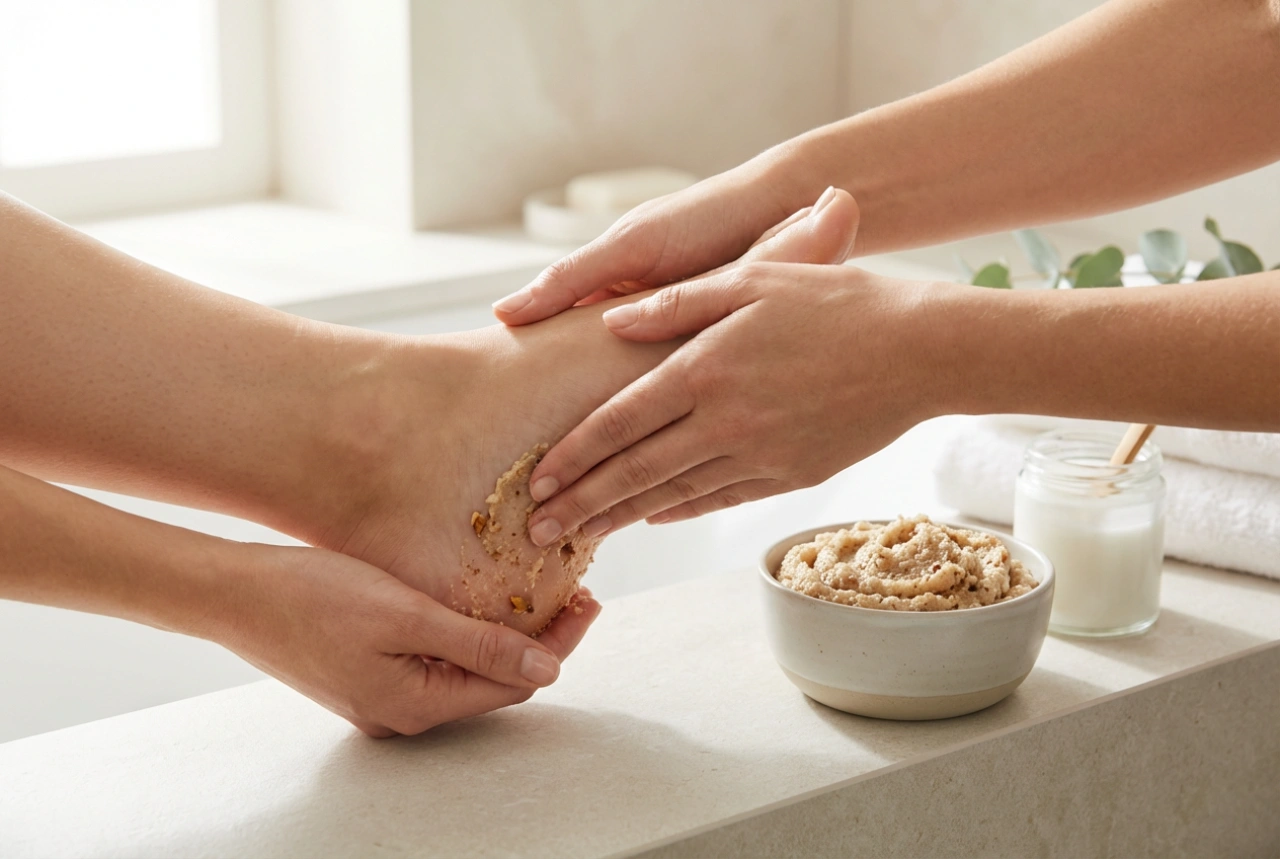
Achieving the smoothest results requires proper skin preparation. A clean, dry surface ensures that the wax can adhere perfectly to the hairs. First, exfoliate the skin gently twenty-four to forty-eight hours before your scheduled waxing session. This helps to release any trapped hairs and removes dead skin cells. Immediately before waxing, take a warm shower to open the pores, but ensure the skin is completely dry before application. Avoid applying heavy body lotions, oils, or moisturisers on the day of waxing, as these can create a barrier, preventing the wax from gripping the hair effectively.
Step-by-Step Guide to Applying Hard Wax at Home
Using hard wax at home is simple when you follow a few basic guidelines:
1. Heating the Wax
Melt the amber wax beads in a suitable wax heater until the mixture reaches a warm, honey-like consistency. It should be warm to the touch but never hot enough to cause discomfort. Always test a small amount on the inside of your wrist first.
2. Application
Using a clean wooden spatula or applicator, scoop up a generous amount of wax. Apply it to the skin in a thick, even layer in the direction of hair growth. Ensure you leave a slightly thicker edge at the end of the strip, which will serve as a tab to grip when removing it.
3. Removal
Allow the wax to cool and harden for a few seconds. It should feel firm but still pliable, not brittle. Hold the skin taut with one hand. With your other hand, grip the thicker edge of the wax and pull it off quickly in the opposite direction of hair growth, keeping your hand close and parallel to the skin.
Post-Wax Skin Care and Aftercare
After removing the hairs, your skin deserves some soothing care. Use a gentle, post-wax oil or a light body lotion to remove any residual wax and to deeply moisturise the area. Avoid hot baths, intense physical activity, swimming pools, and direct sun exposure for at least twenty-four hours to allow the skin to calm down completely. Regular moisturising in the days following will keep your skin looking radiant, smooth, and healthy.