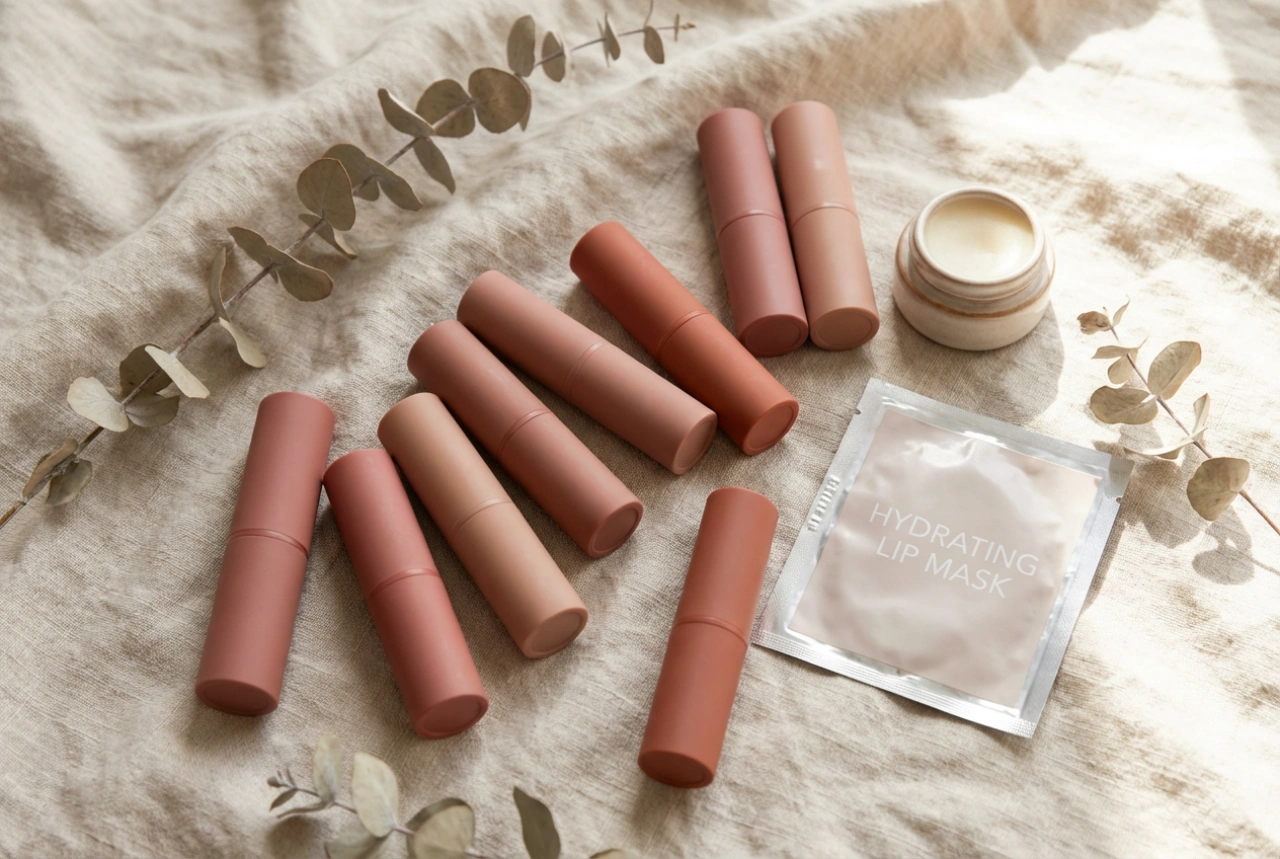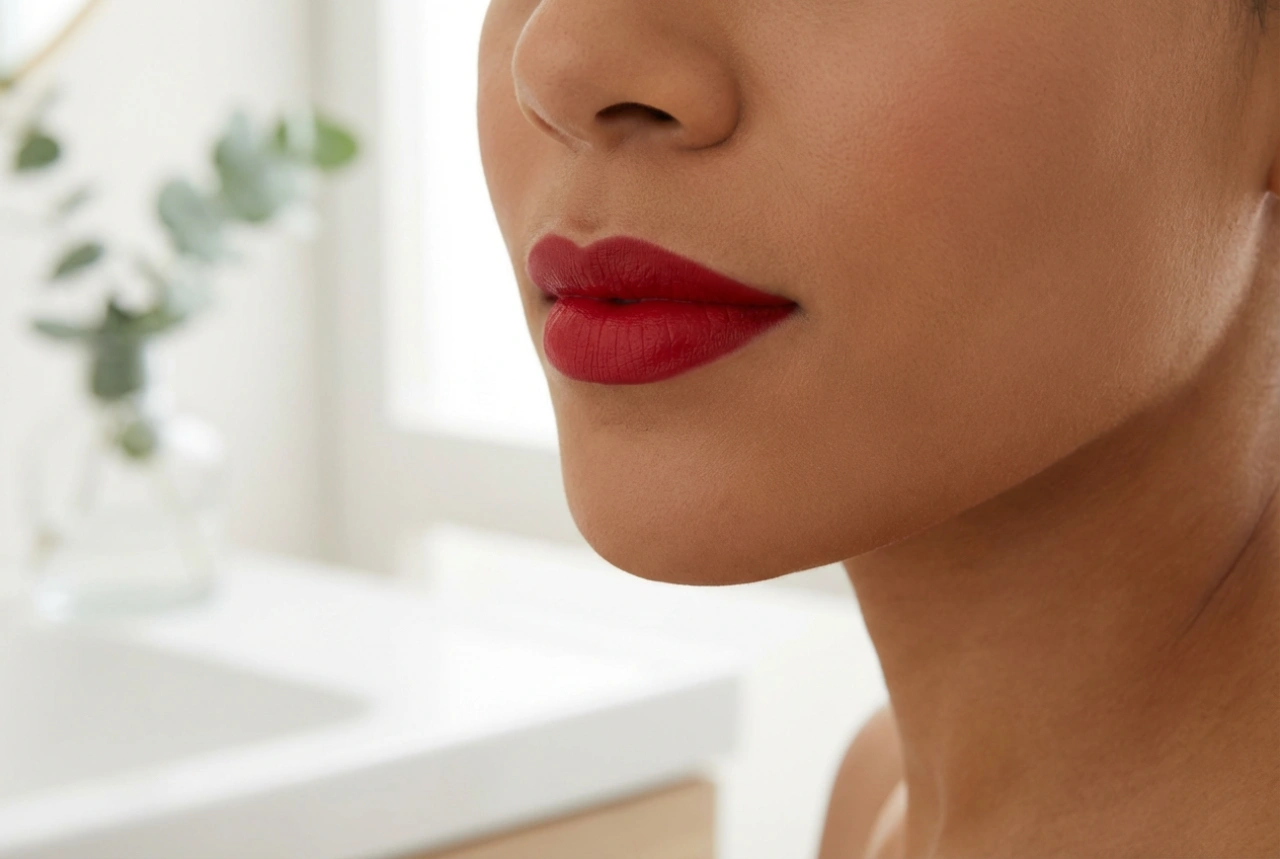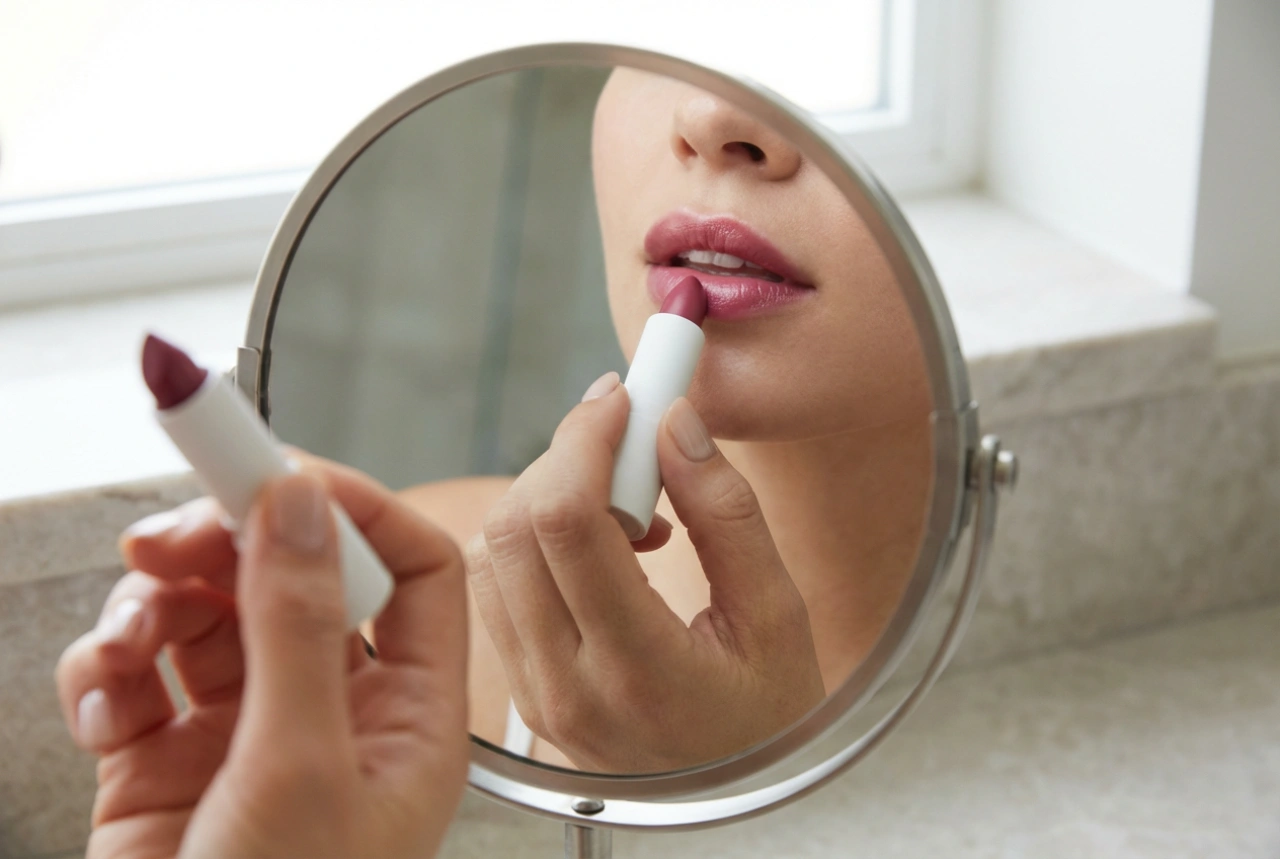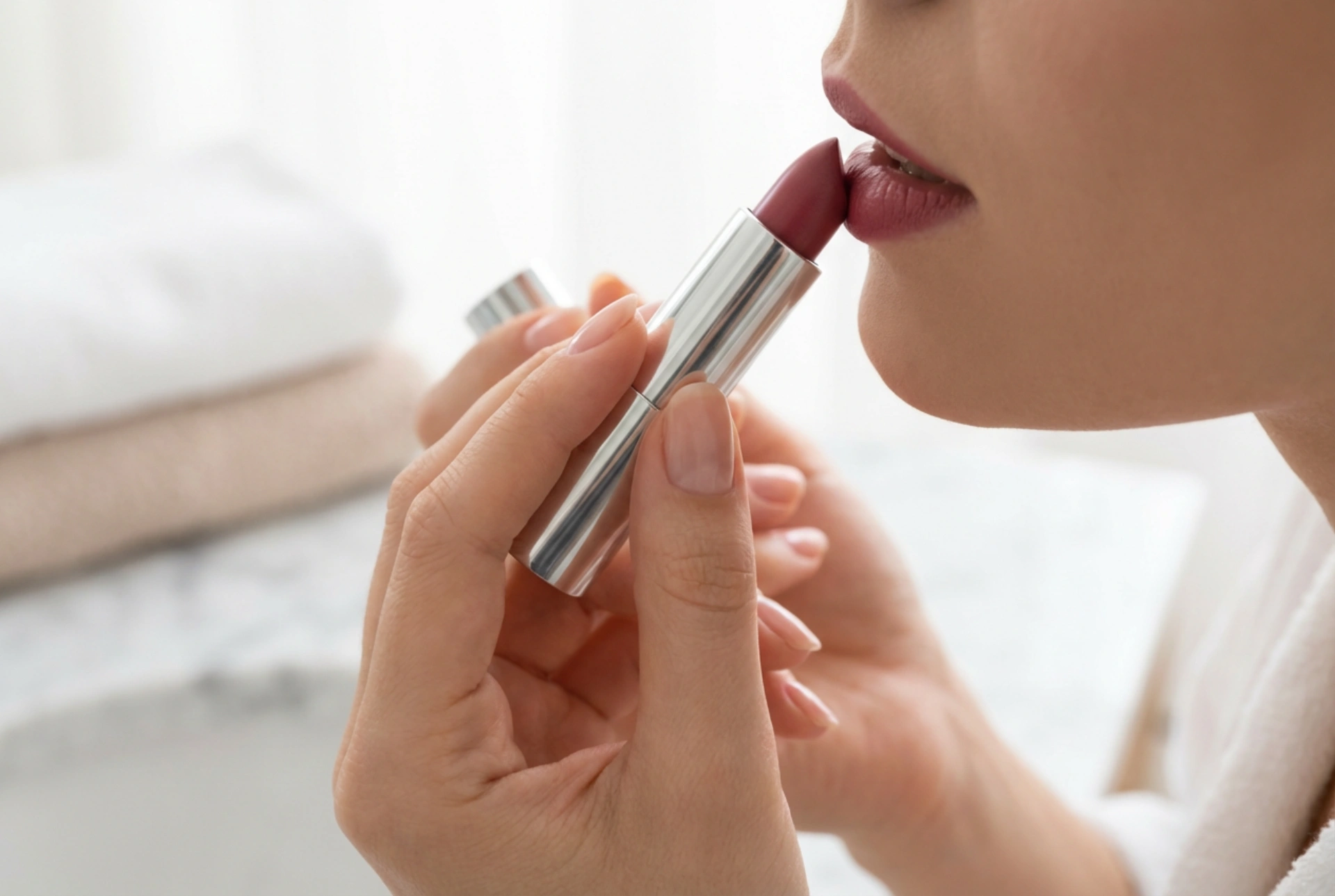


Achieving a flawless, long-lasting lip colour is a staple of a polished makeup look. As showcased by the precise and elegant application of a classic lipstick, the secret to a perfect pout lies not only in the product itself but in the preparation of the canvas. Dry, chapped lips can cause even the most luxurious lipstick to flake, fade, or settle into fine lines. By implementing a dedicated lip care routine and mastering key application techniques, you can ensure your lip colour remains vibrant, smooth, and smudge-resistant throughout the day.
The Importance of Gentle Exfoliation
The first step towards long-lasting lip colour is creating a smooth surface. Just like the skin on our face, our lips accumulate dead skin cells, which can cause lipstick to look patchy and uneven. Regular, gentle exfoliation removes these dry flakes, revealing the soft, healthy skin beneath.
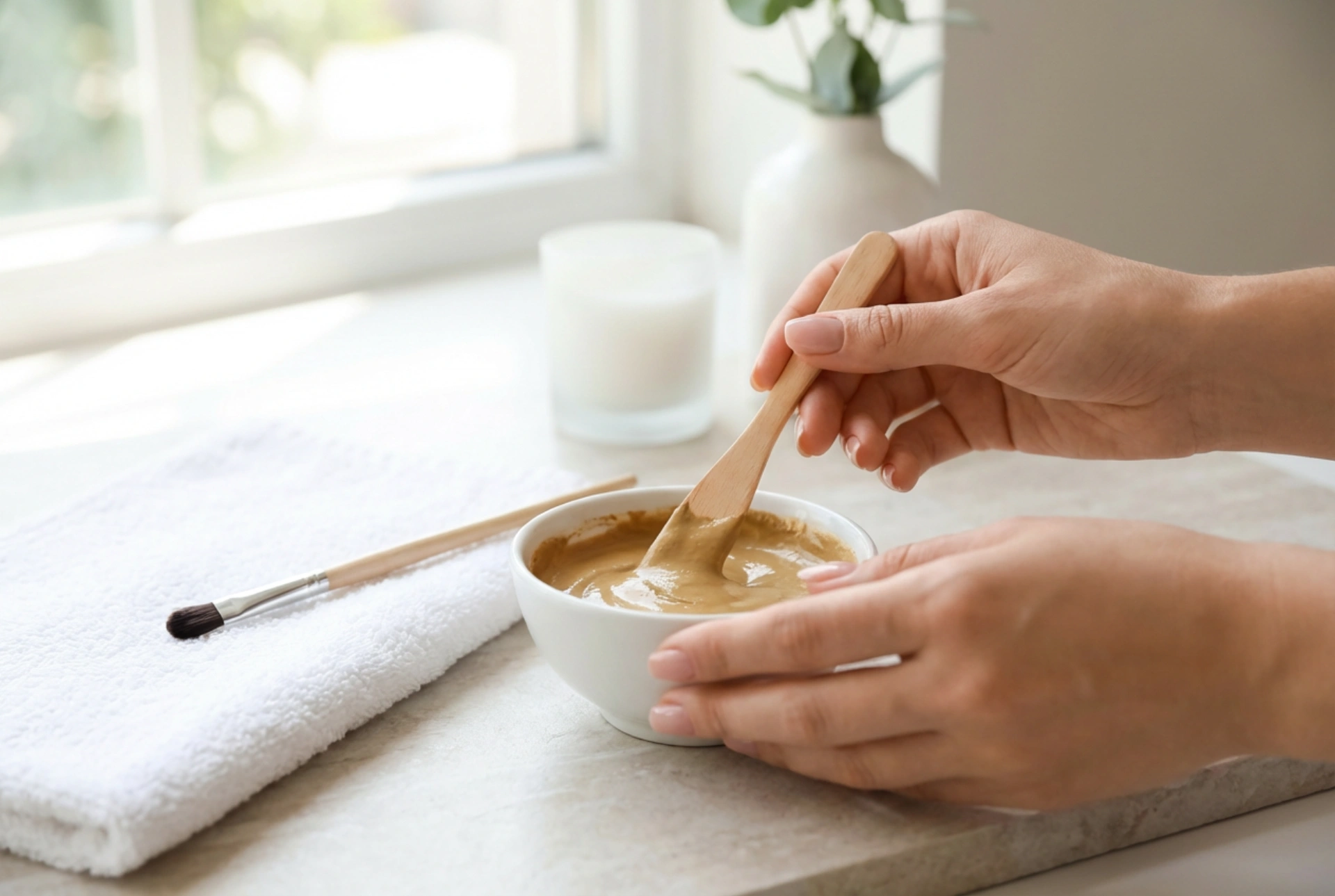
To exfoliate your lips safely at home, you can use a mild, homemade scrub. A simple mixture of fine sugar and a nourishing oil, such as olive oil or sweet almond oil, works wonders. Gently massage the scrub onto your lips in circular motions for about a minute, then rinse with lukewarm water. Alternatively, a soft, damp washcloth can be used to gently buff the lips. For the best results, aim to exfoliate once or twice a week, ideally in the evening, to allow your lips to recover overnight.
Deep Hydration and Priming
Once the lips are smooth, hydration is key. Moisturised lips are plump and less prone to absorbing the moisture from your lipstick, which is a common cause of cracking and fading. Applying a rich lip balm or a natural butter, such as shea or cocoa butter, immediately after exfoliation helps lock in moisture.
However, timing is crucial when it comes to makeup application. Applying lipstick directly over a greasy balm will cause the product to slide and smudge. To prevent this, apply your lip balm at the beginning of your skincare routine, allowing it ample time to sink in. Just before you apply your lip makeup, gently blot away any excess balm with a clean tissue. This leaves the lips perfectly hydrated without any oily residue that could compromise the longevity of your lipstick.
Defining and Anchoring with Lip Liner
A lip liner is a secret weapon for increasing the smudge-resistance of any lip product. It serves two main purposes: defining the natural contours of the mouth and creating a slip-proof base for your lipstick. Without a liner, wax-rich lip formulas tend to bleed or feather into the fine lines around the mouth.
To maximise longevity, choose a lip liner that closely matches your natural lip shade or the colour of your chosen lipstick. Begin by carefully outlining the borders of your lips. Next, instead of just lining the edges, use the pencil to fill in the entire lip area. This creates a matte, high-grip base that acts as an anchor for your lipstick. Even if the top layer of lipstick begins to wear off during the day, the coloured liner underneath ensures you are not left with a harsh, faded outline.
The Art of Layering and Blotting
How you apply your lipstick is just as important as how you prepare your lips. A single, heavy layer of lipstick is much more likely to smudge and transfer than multiple thin, well-set layers. For a professional, long-lasting finish, consider using a lip brush for precise, even application.
Apply a thin, first layer of lipstick, starting from the centre of the mouth and working outwards. Once applied, take a single ply of a clean tissue and press it gently between your lips. This blotting process removes excess oils and emollients, leaving behind only the pure pigment. For ultimate durability, you can lightly dust a translucent setting powder through the tissue onto your lips. This sets the first layer before you apply a second, thin layer of lipstick. This layering technique locks the colour in place for hours.
Selecting the Right Formulas for Longevity
While proper preparation and application techniques will improve the wear of any lipstick, the formula you choose plays a significant role in smudge-resistance. Understanding how different textures behave helps you select the right product for your needs.
- Matte Formulas: Matte lipsticks contain less oil and more pigment, making them naturally the most long-wearing options. They dry down to a flat finish that resists transferring, though they can feel drying if lips are not properly hydrated beforehand.
- Satin and Cream Formulas: These offer a comfortable balance of hydration and colour payoff. While they are more prone to transferring than matte formulas, they can still achieve impressive longevity when paired with a lip liner and the blotting technique.
- Sheer and Glossy Formulas: These products contain high levels of oils and waxes, providing a beautiful shine but requiring frequent touch-ups as they easily transfer and wear off.