

A nude lip liner is one of the most versatile yet underestimated tools in any makeup collection. Far from being just a simple outline, it's the secret to achieving a defined, polished, and long-lasting lip look. Whether you're aiming for a subtle enhancement or a base for a bold colour, mastering the art of the nude liner can completely elevate your makeup routine. It provides structure, dimension, and endurance, ensuring your lips look impeccable for hours.
Why a Nude Lip Liner is a Makeup Essential
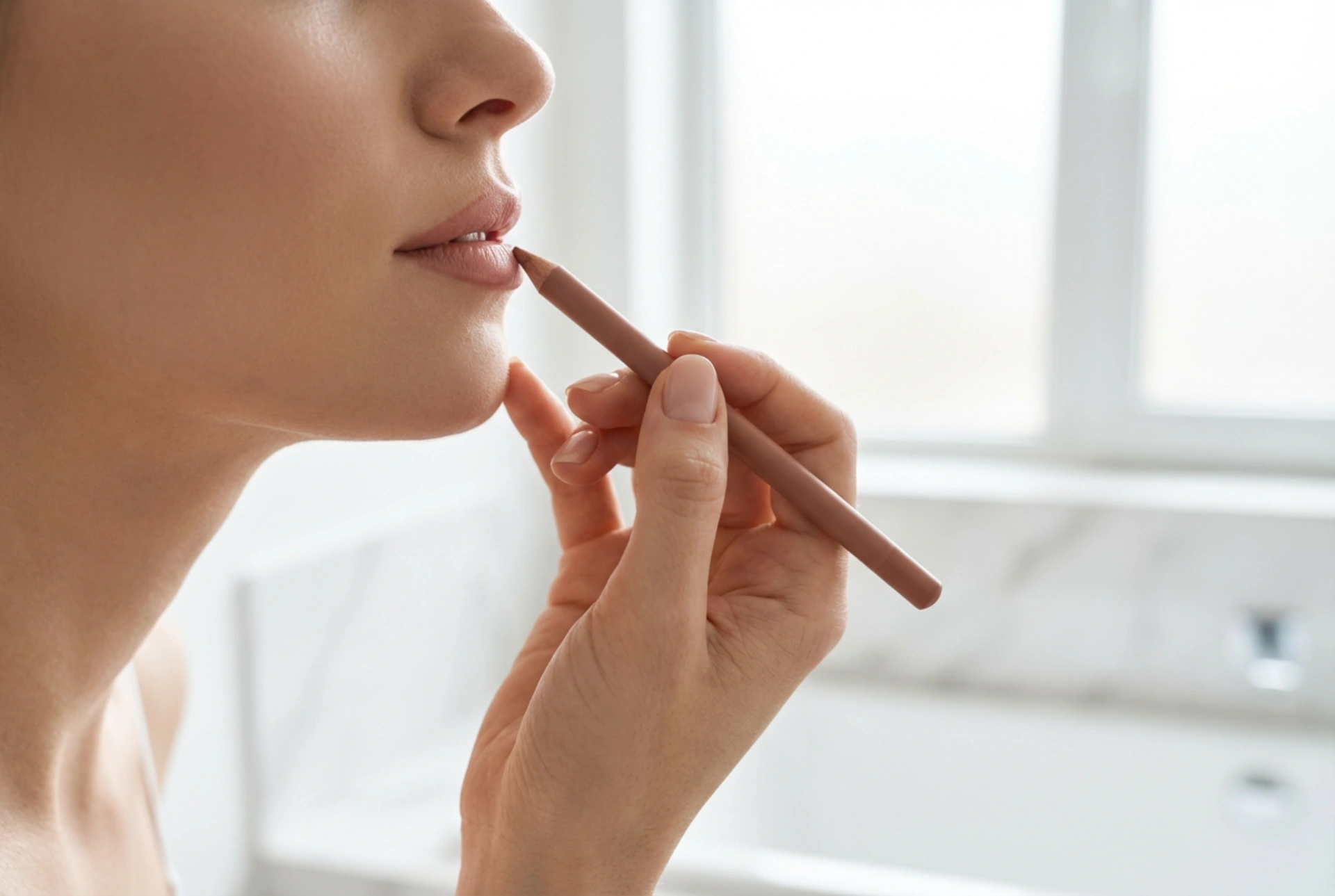
The primary function of a lip liner is to create a clean, defined edge for your lips. A shade that matches your natural lip colour creates an invisible barrier that prevents lipstick, especially creamy or glossy formulas, from bleeding or feathering into fine lines around the mouth. This precision is key to a professional-looking finish. Furthermore, a nude liner can be used to subtly reshape or correct the symmetry of your lips. By applying it strategically, you can create the illusion of a fuller, more balanced pout without looking unnatural. When used to fill in the entire lip surface, it also acts as a primer. This base grips the lipstick applied on top, significantly extending its wear time and ensuring the colour stays true throughout the day.
How to Choose the Perfect Nude Shade
Finding the right nude lip liner is crucial, as 'nude' varies for every skin tone. The goal is to find a shade that closely matches your natural lip colour or is one to two shades darker for added definition. Swatching the liner on the back of your hand can be misleading; it's better to test it on your fingertip, which more closely mimics your lip's tone and texture. Pay attention to your skin's undertones. If you have cool undertones, look for nudes with pink or rosy hints. For warm undertones, peachy or beige nudes work best. Those with neutral undertones can typically wear a wider range of shades. The texture of the pencil also matters. A creamy, blendable formula is ideal for filling in the entire lip and feels more comfortable, while a slightly waxier pencil offers superior hold for preventing feathering at the lip line.
Step-by-Step Application for a Perfect Pout
Proper application is key to unlocking a lip liner's full potential. Follow these steps for a flawless finish every time.
First, prepare your lips. Gently exfoliate them to remove any dry skin, then apply a light layer of lip balm. Allow it to absorb for a few minutes before blotting away any excess with a tissue. This creates a smooth, hydrated canvas.
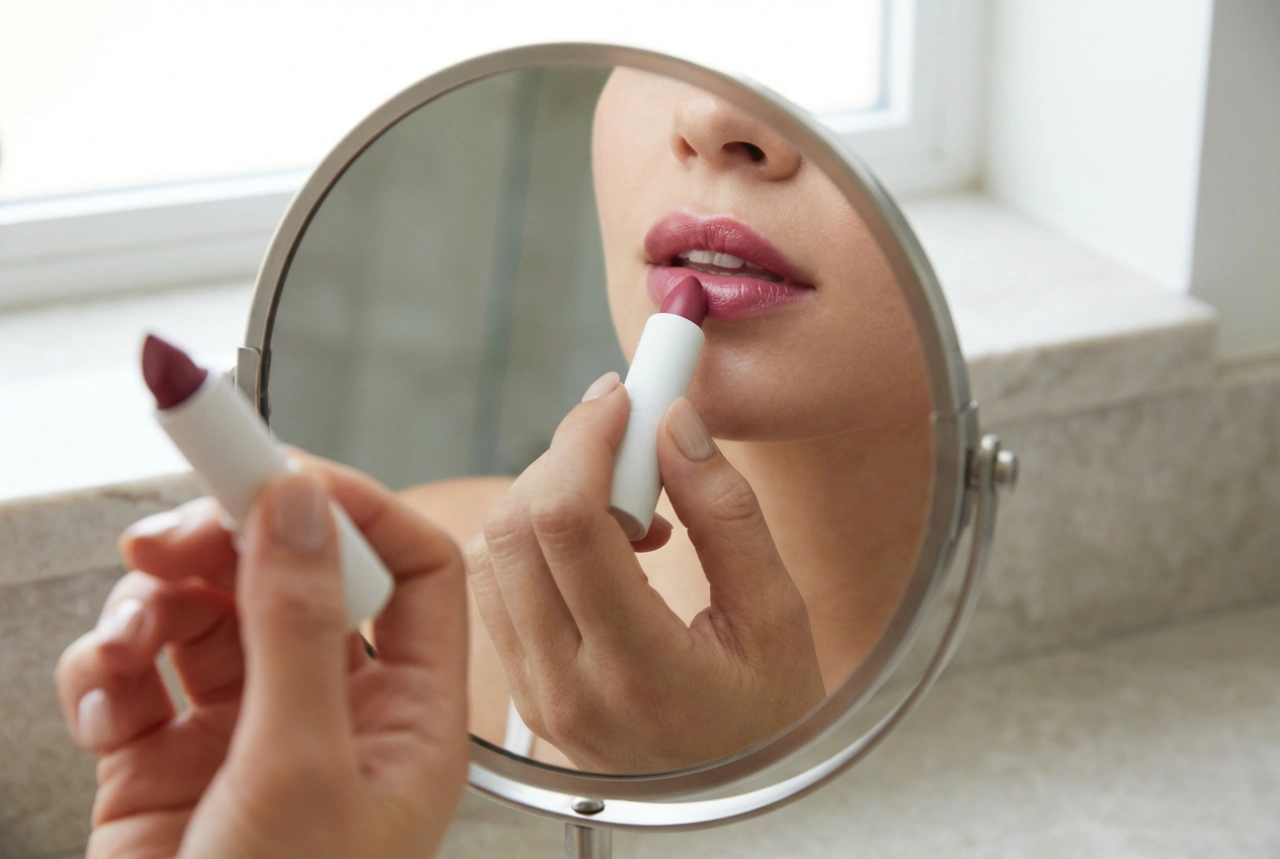
Next, ensure your pencil has a sharp, clean tip for maximum precision. Begin by defining your Cupid's bow with a small 'X' shape. Then, trace the centre of your bottom lip line. From there, work from the outer corners of your mouth inwards, connecting the lines to the centre points you just drew. Use short, light strokes rather than trying to draw one continuous line. For a fuller appearance, you can slightly overline the centre of the top and bottom lips, but be sure to taper the line back to your natural lip line as you approach the corners to avoid an unnatural look. Finally, use the side of the pencil to lightly fill in your entire lip. This creates a uniform base that will anchor your lipstick and prevent that obvious 'ring' as it wears off.
Common Mistakes to Avoid
Even with the best intentions, a few common errors can compromise your look. Being mindful of these pitfalls will help you achieve a seamless result.
- Choosing a shade that's too dark: A nude liner should blend seamlessly. A line that is significantly darker than your lipstick creates a dated, harsh contrast. Stick to a shade close to your natural lip colour.
- Drawing a hard, continuous line: Using heavy pressure or a single, unbroken line can look severe. Use light, feathery strokes for a softer, more modern definition that blends easily.
- Dramatic overlining: While slight overlining can enhance fullness, going too far outside your natural lip line is easily detectable and often looks artificial. The key is subtlety.
- Skipping lip preparation: Applying liner to dry, chapped lips will result in a patchy, uneven application and can accentuate flakiness. Always exfoliate and moisturise first.
- Using a dull pencil: A blunt tip makes precision impossible and leads to thick, clumsy lines. Keep your liner sharp to maintain control and achieve a crisp, clean edge.