

In the quest for a flawless makeup look, we often focus on foundation, concealer, and powders. However, one of the most transformative yet sometimes overlooked steps is what happens before any colour is even applied. A smoothing primer acts as the perfect bridge between your skincare routine and your makeup, creating an impeccable canvas that not only enhances the appearance of your skin but also significantly extends the life of your look. It is the secret weapon for achieving that polished, 'put-together' finish that looks fresh for hours.
What is a Smoothing Primer and How Does It Work?
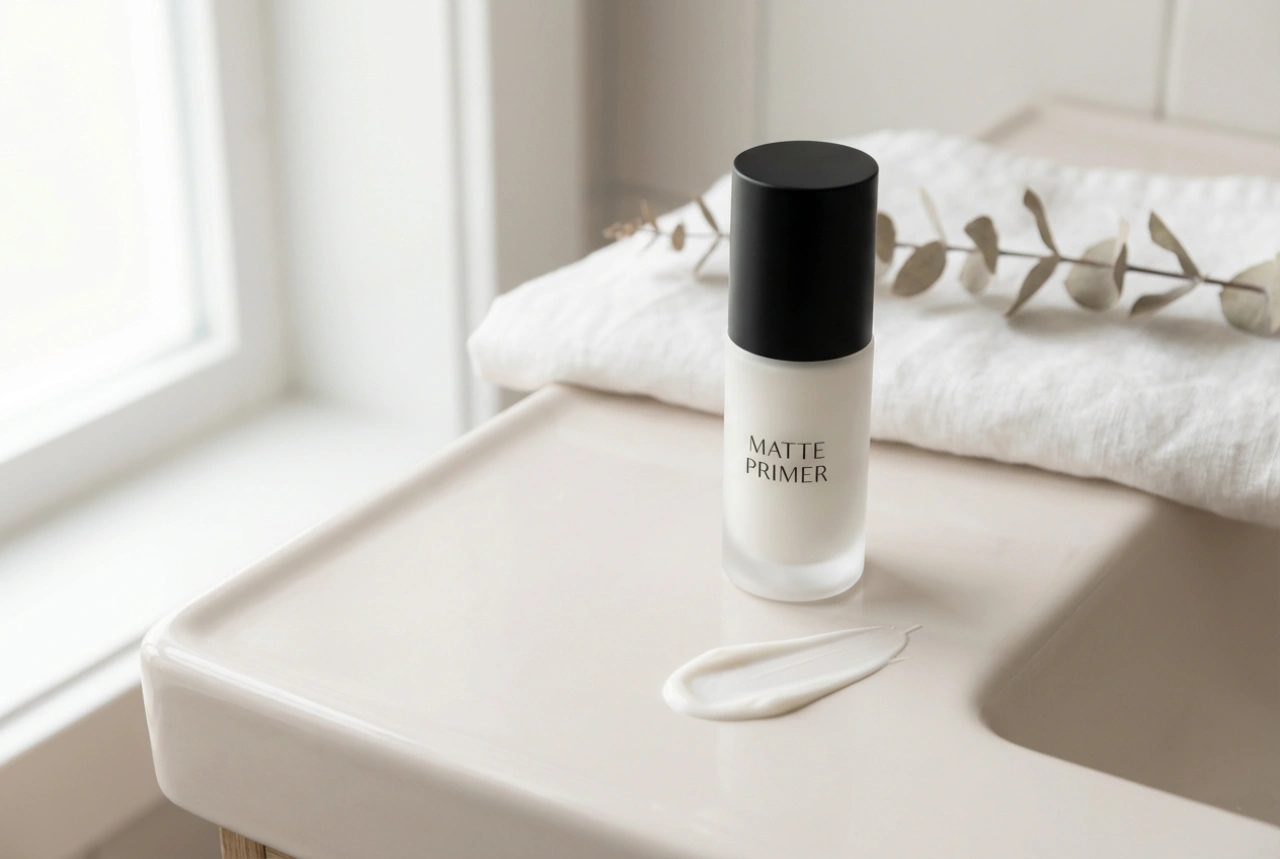
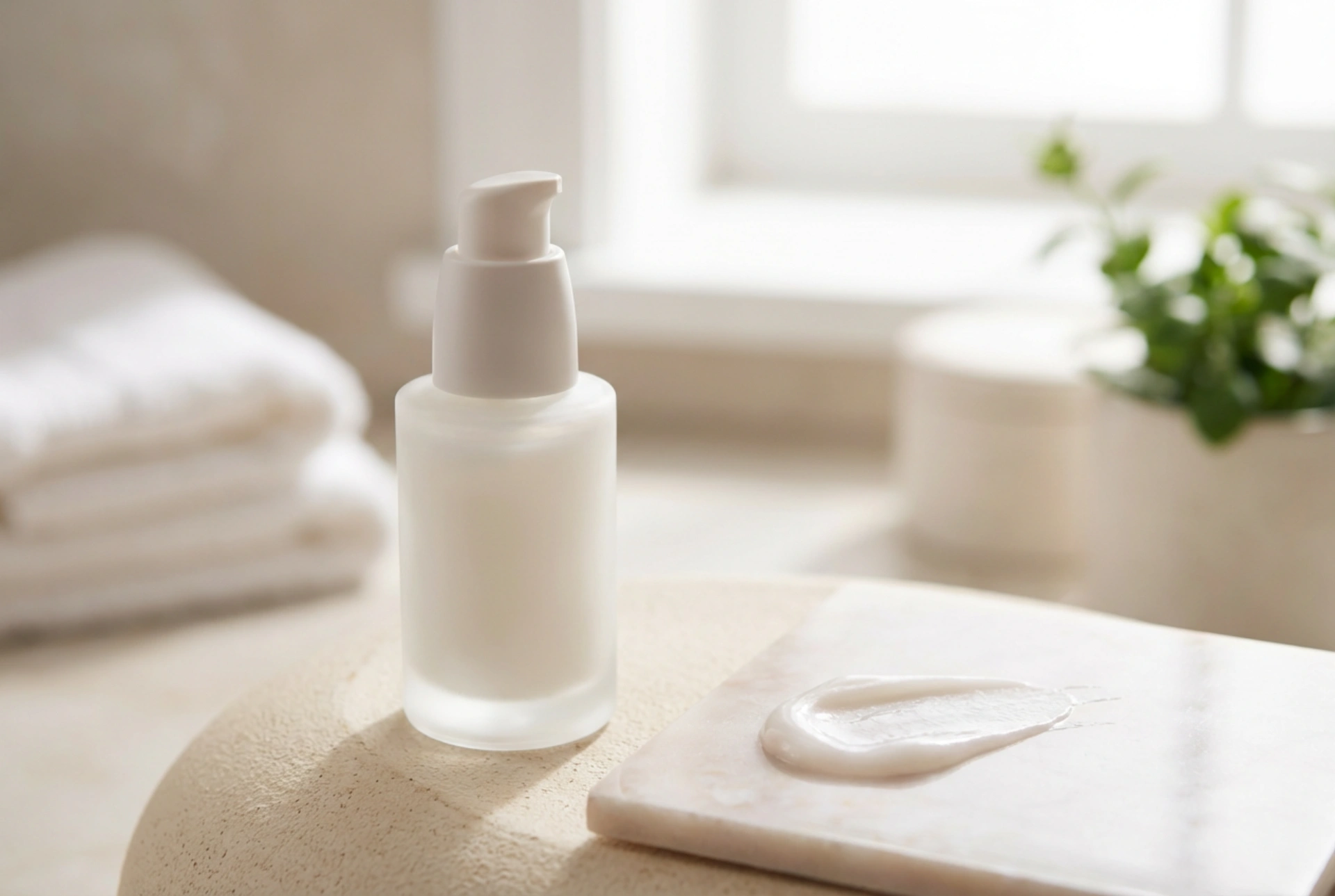
A smoothing primer is a cosmetic product, typically with a silky, gel-like or creamy consistency, designed to be applied after moisturiser and before foundation. Its primary purpose is to create a uniform surface on the skin. It works by temporarily filling in minor textural irregularities, such as fine lines, enlarged pores, and shallow scars. The result is a visibly smoother, more even-toned complexion, which allows foundation to glide on effortlessly without settling into creases.
The magic of most smoothing primers lies in their formulation. They often contain ingredients that form a thin, breathable film over the skin. This film provides a soft-focus or 'blurring' effect, scattering light to make the skin’s surface appear more refined and perfected. Beyond aesthetics, a primer also creates a protective barrier between your skin and your makeup. This barrier prevents the skin's natural oils from breaking down the foundation, which is a key reason why makeup can fade or become patchy throughout the day. By controlling oil and providing a stable base, the primer locks your makeup in place, ensuring superior longevity.
How to Apply a Smoothing Primer for Best Results
Proper application is crucial to unlocking the full potential of your smoothing primer. Simply slathering it on will not yield the desired effect and can even lead to problems like pilling. Follow these steps for a professional application every time.
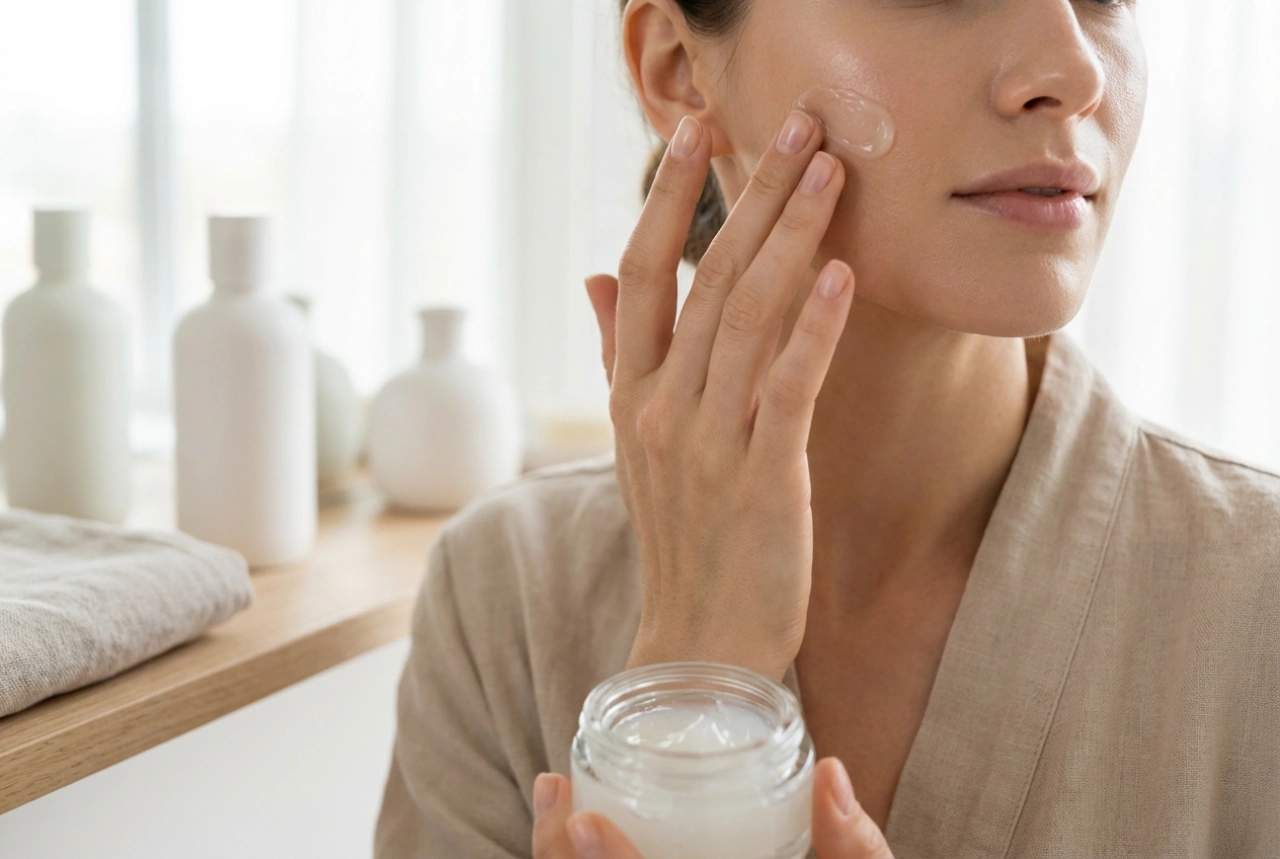
- Start with a Clean and Hydrated Base: Always begin with your regular skincare routine. Cleanse your face thoroughly and apply your usual serum and moisturiser. A primer is not a substitute for skincare; it works best on skin that is already well-hydrated.
- Allow Skincare to Absorb: This is a critical step. Wait at least a few minutes after applying your moisturiser before you move on to the primer. If the skin is still damp, the products can mix and cause the makeup to 'pill' or roll off into small flakes.
- Use a Small Amount: When it comes to primer, less is more. A pea-sized amount is generally sufficient for the entire face. Dispense it onto the back of your hand first to control how much you pick up.
- Focus on Target Areas: While you can apply primer all over, it's most effective when concentrated on areas with visible texture or where makeup tends to wear off first. This typically includes the T-zone (forehead, nose, and chin) and the cheeks where pores might be more noticeable.
- Choose Your Application Method: You can use your fingertips, a foundation brush, or a damp makeup sponge. Using clean fingertips is often recommended as the warmth helps to melt the product seamlessly into the skin. Gently pat and press the primer in, rather than rubbing, for a smoother finish.
- Let It Set: Just as you waited for your moisturiser to absorb, give your primer about 60 seconds to set before applying foundation. This allows it to form that smooth, even film, creating the perfect canvas for what comes next.
Common Mistakes to Avoid
If you've tried primers before without success, you might be making one of these common mistakes. A few simple adjustments can make all the difference.
Applying Too Much Product: This is the most frequent error. An overly thick layer of primer will not 'fill in' more; instead, it will sit on top of the skin and can cause your foundation to slip, slide, or look heavy. It also increases the likelihood of pilling. Stick to a thin, even layer.
Not Matching Formulas: While not a strict rule, paying attention to the base of your products can prevent separation. As a general guideline, it is often best to pair primers and foundations with compatible formulas (e.g., water-based with water-based, silicone-based with silicone-based). If your foundation looks streaky or breaks apart over your primer, incompatibility could be the issue.
Skipping Moisturiser: Never treat a primer as a replacement for your moisturiser, even if you have oily skin. Dehydrated skin may overproduce oil to compensate, which can undermine the primer's effects. A well-hydrated face is the foundation of any good makeup application.
By incorporating a smoothing primer correctly into your routine, you are taking a simple but powerful step toward achieving a more refined, professional, and durable makeup look. It elevates your base from good to truly great, ensuring your skin looks its absolute best all day long.