

Achieving soft, supple skin is a common goal in many self-care routines. The simple act of massaging a rich cream into the body can feel luxurious and deeply nourishing. While many moisturisers provide surface-level hydration, some ingredients offer more profound benefits for tackling persistent dryness and roughness. One such star ingredient is urea, a component well-regarded for its remarkable ability to transform skin texture.
Understanding Urea in Skincare
Urea is a compound that occurs naturally in the skin and plays a vital role in maintaining its moisture balance. In cosmetic formulations, it's a synthetically produced, highly effective ingredient known for its dual-action properties. It functions as both a powerful humectant and a keratolytic agent.
- As a humectant: Urea draws moisture from the environment and the deeper layers of the skin, binding it to the outer layer (the stratum corneum). This action significantly boosts hydration, leaving the skin feeling plump and moisturised.
- As a keratolytic agent: In higher concentrations, urea helps to break down the bonds between dead skin cells. This gentle exfoliating effect helps to shed rough, flaky layers, revealing the smoother, healthier skin underneath.
The concentration of urea in a product determines its primary function. Creams with a lower percentage (e.g., up to 10%) are primarily for hydration, while those with higher percentages (10% and above) offer more pronounced exfoliating benefits for very rough or calloused areas.
A Step-by-Step Guide to Application
To get the most out of your urea body cream, follow a simple but effective application process. Proper use ensures the ingredient can work its magic without causing irritation.
Prepare Your Skin
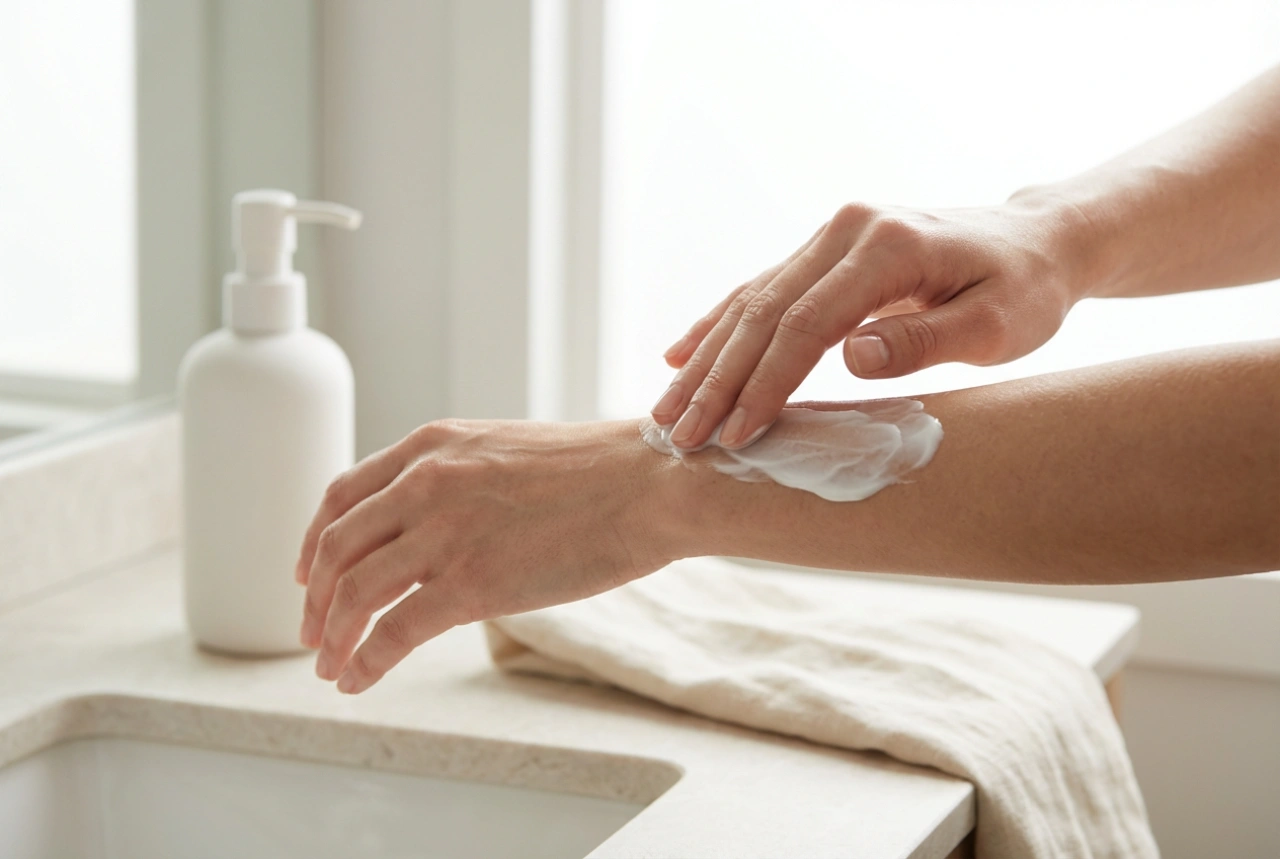
The best time to apply a body cream is immediately after a bath or shower. Gently pat your skin dry with a towel, leaving it slightly damp. This residual moisture creates an ideal canvas, as the urea cream will help to lock in that hydration, making it far more effective than when applied to completely dry skin.
Master the Application Technique
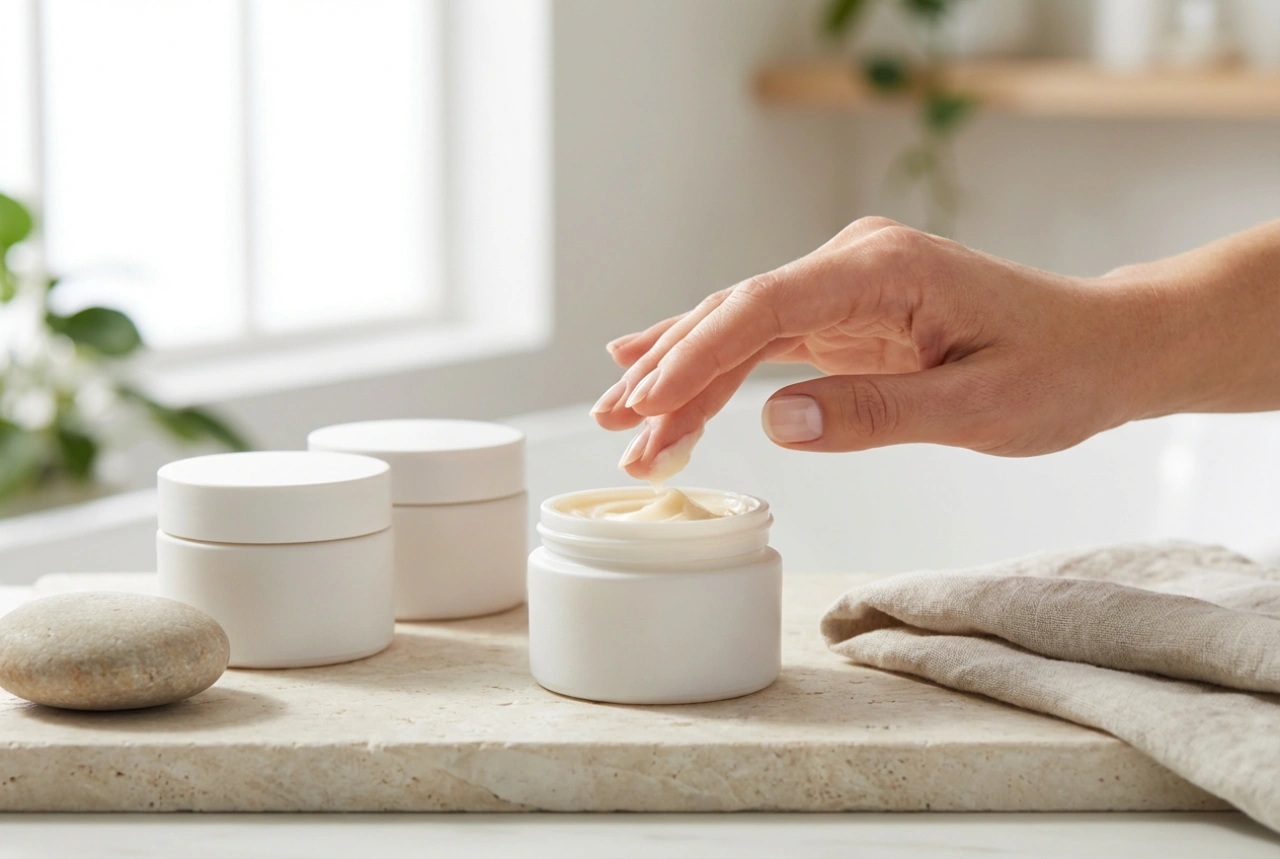
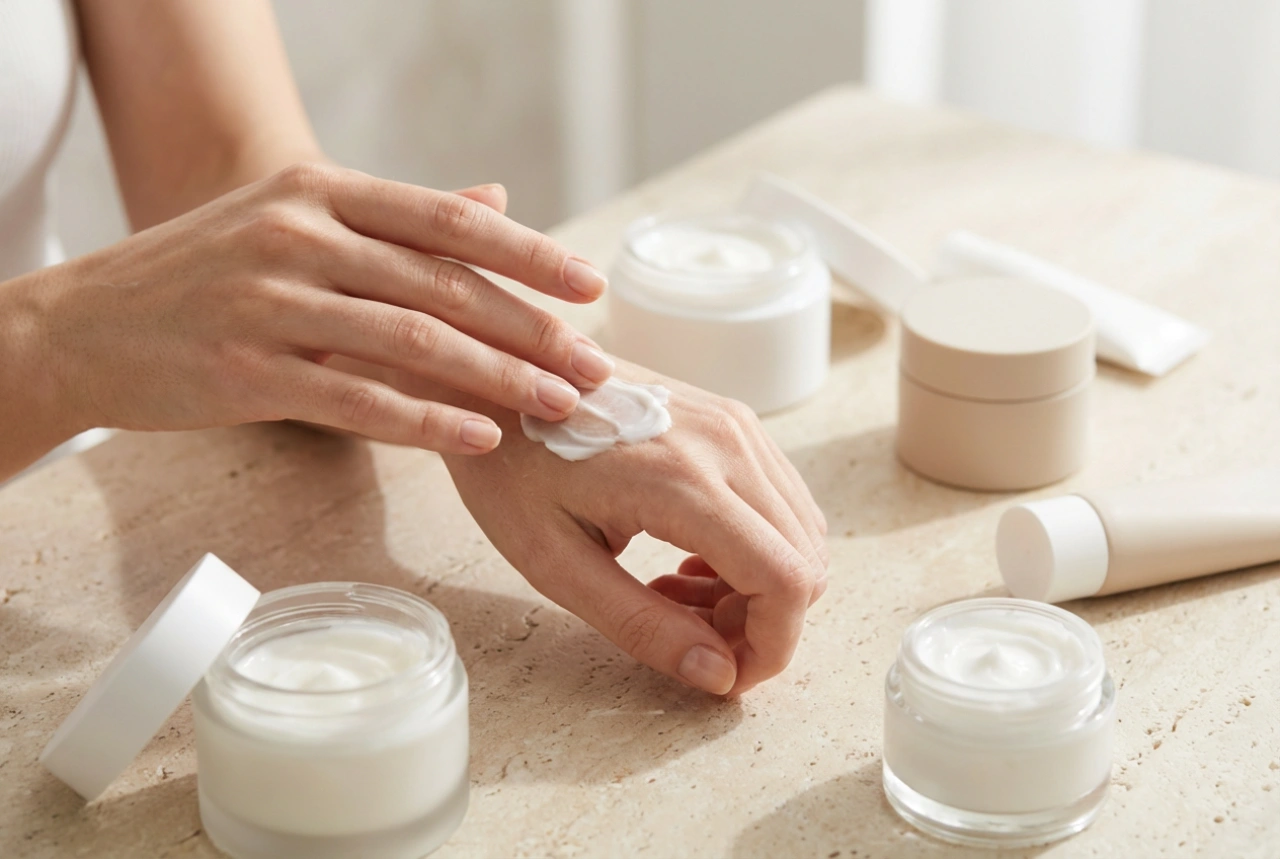
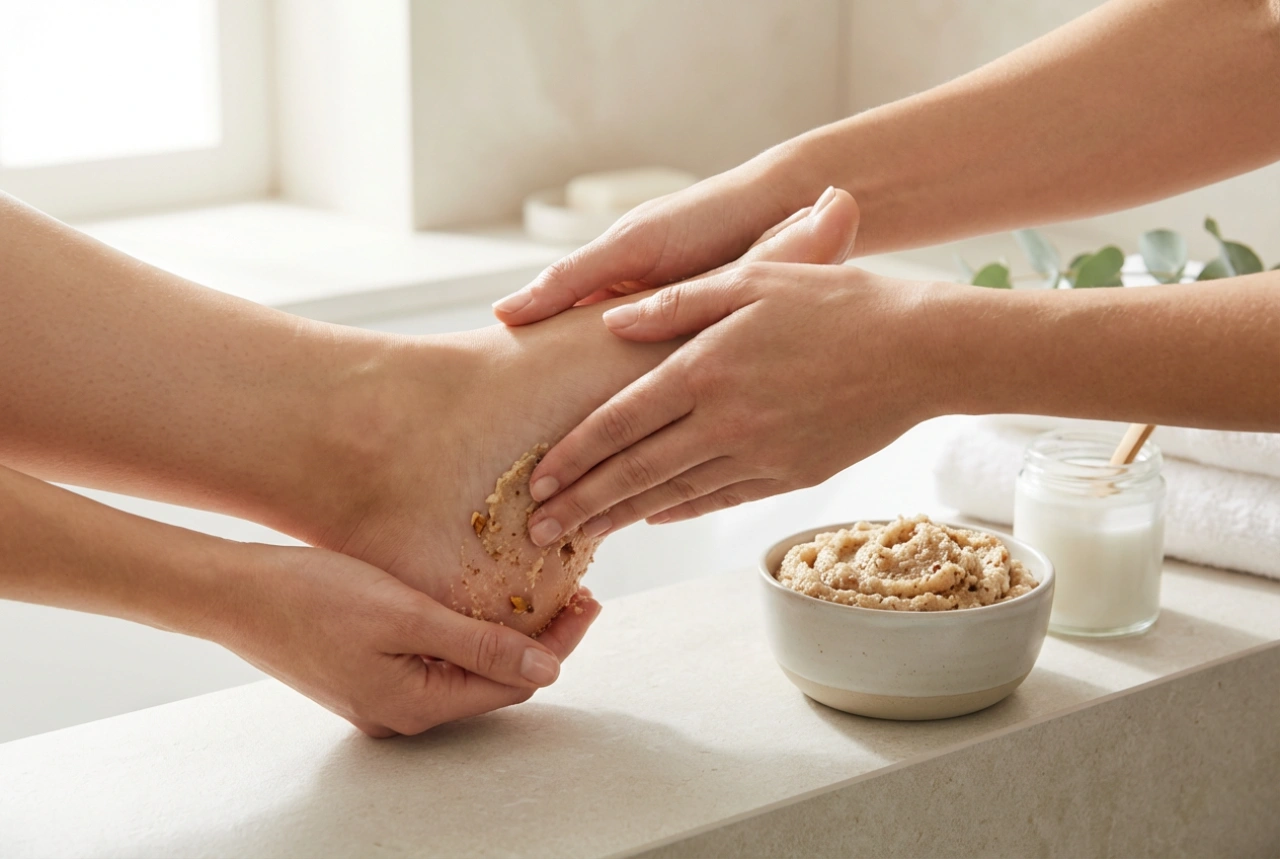
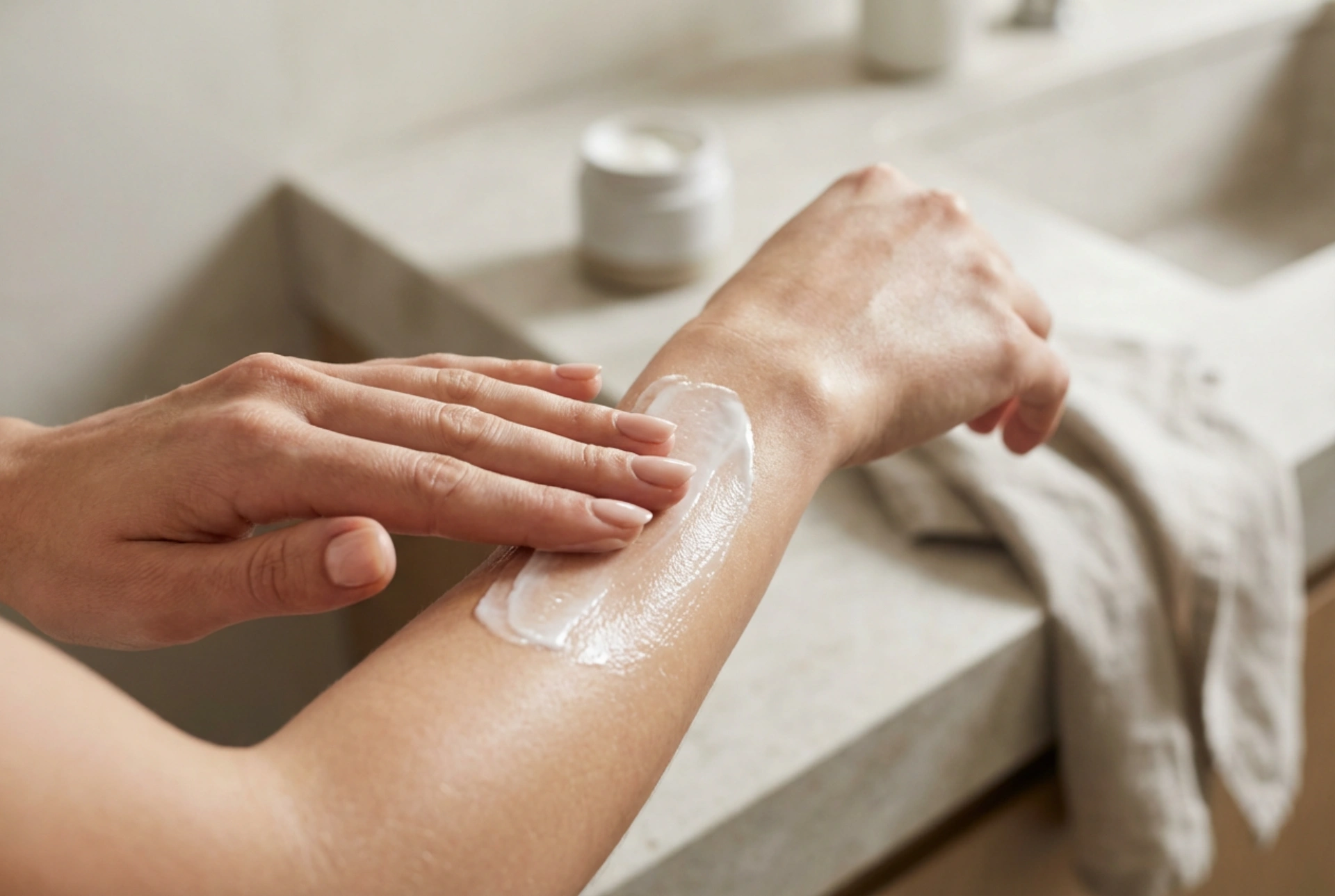
Take a moderate amount of cream and warm it between your palms. Apply it to your body using gentle, circular motions. This massaging action not only aids absorption but also stimulates circulation. Pay special attention to areas prone to roughness and thickening, such as the elbows, knees, heels, and the backs of your arms. A consistent, thin layer is all that is needed; applying too much product can feel sticky and is unnecessary.
Establish a Consistent Routine
For general dryness, using a urea cream once a day is usually sufficient. Applying it in the evening allows the product to work undisturbed overnight. If you are targeting particularly stubborn rough patches, you might consider applying it twice daily. However, it's important to monitor how your skin responds and adjust the frequency accordingly. Consistency is the key to seeing significant and lasting improvement.
Tips for Safe and Effective Use
While urea is generally considered safe and well-tolerated, a few precautions will help you have the best experience.
- Perform a patch test: Before applying the cream all over your body for the first time, test it on a small, discreet area of skin, such as the inside of your wrist. Wait 24 hours to ensure no signs of sensitivity appear.
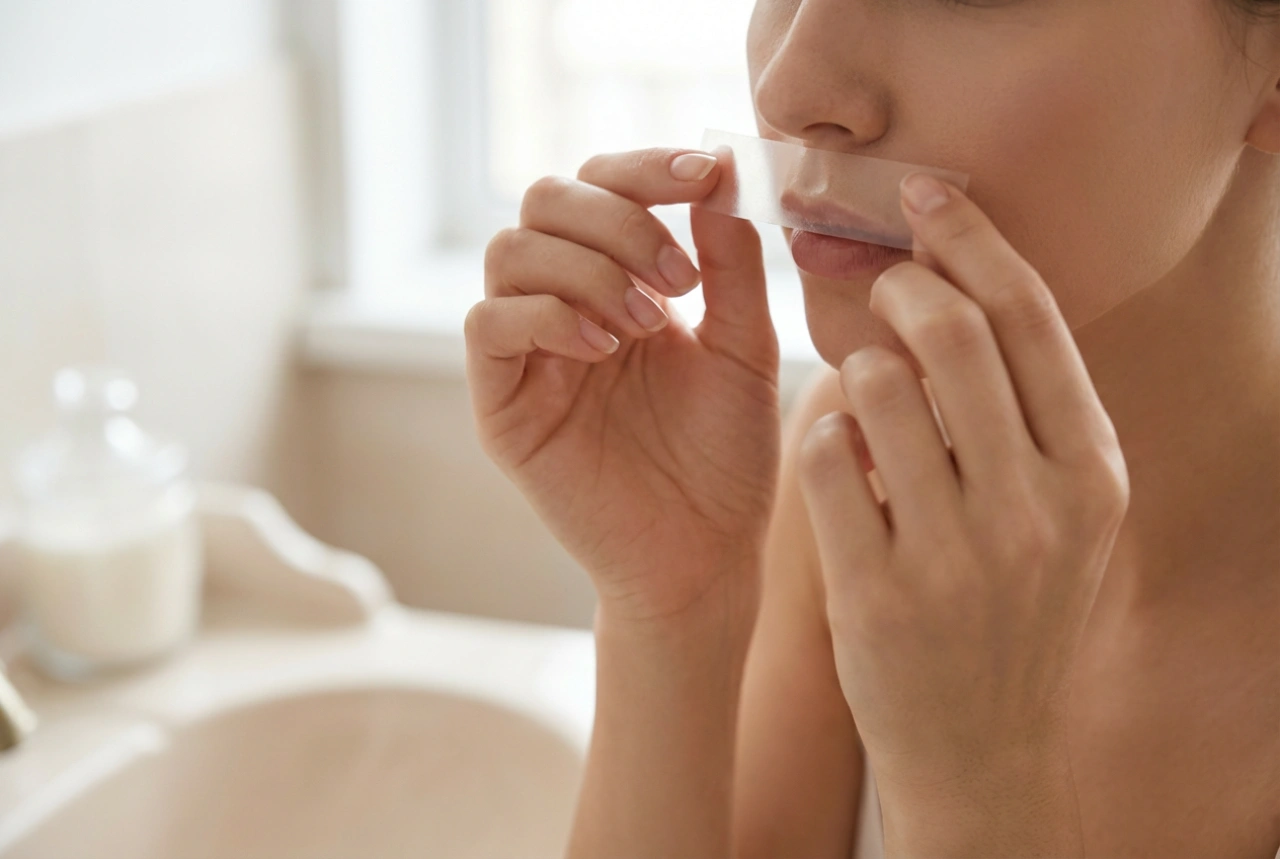
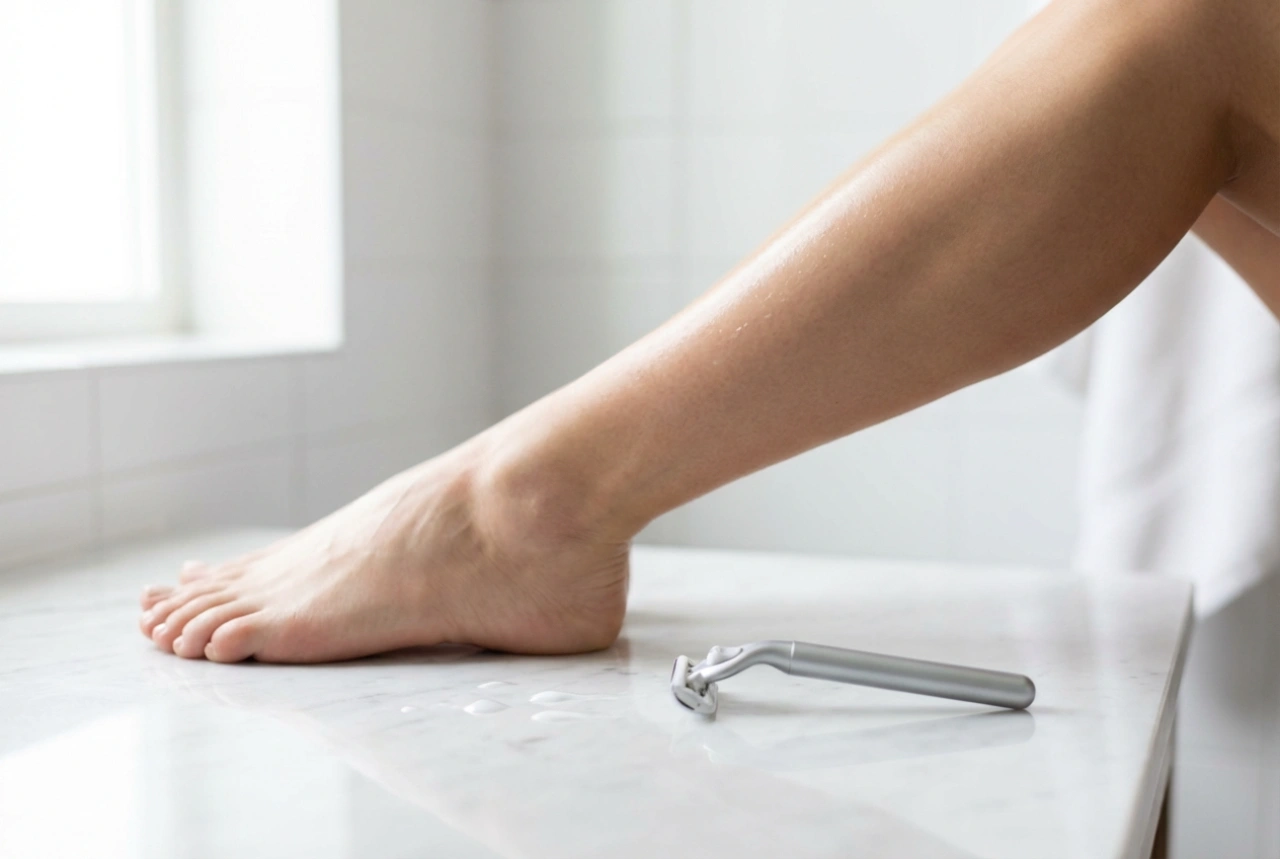
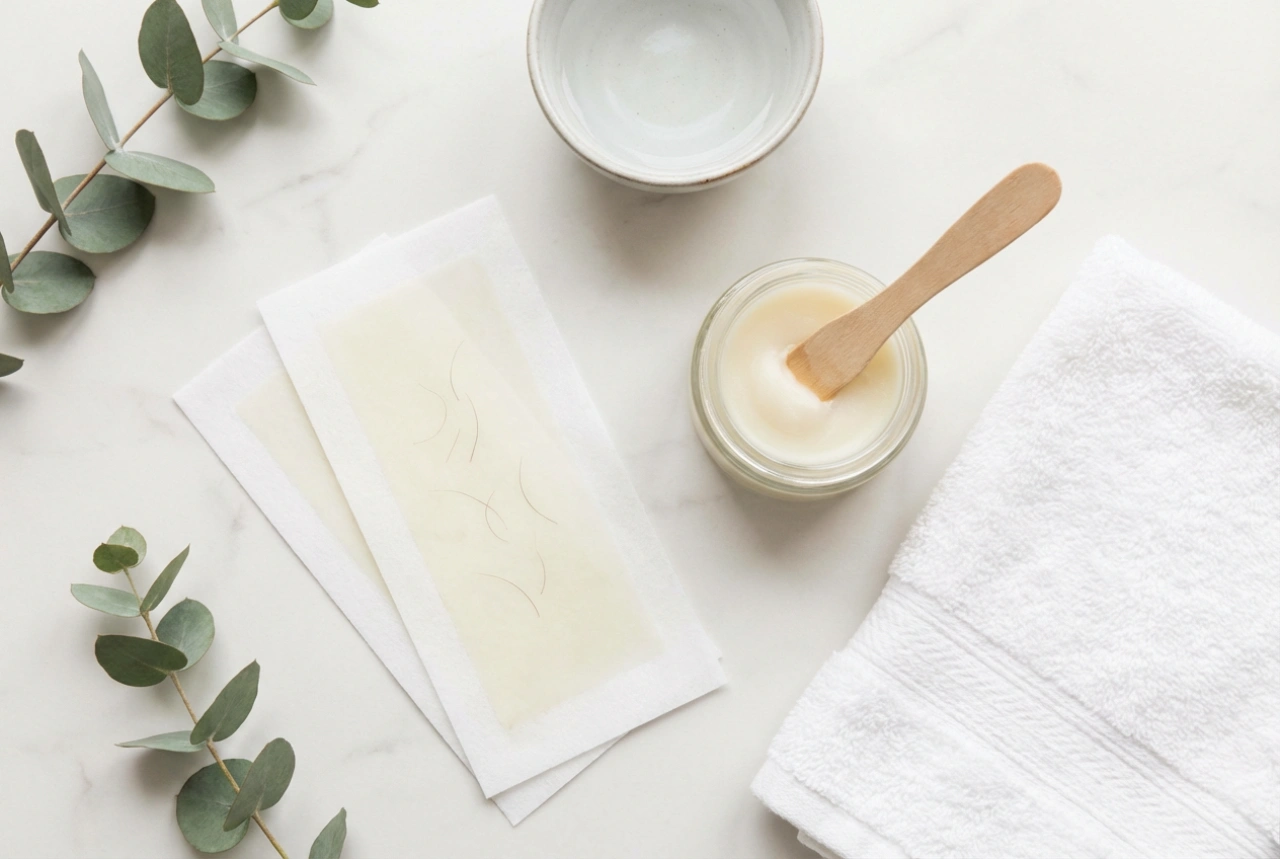
- Avoid compromised skin: Do not apply urea cream to broken, inflamed, or weeping skin. You should also avoid using it immediately after shaving or waxing, as it may cause a stinging or burning sensation on freshly sensitised skin.
- Combine with a gentle routine: Support the action of your urea cream by using gentle, non-stripping body washes and avoiding very hot water in the shower, as this can further dry out the skin.