

A daily cleansing ritual is more than just a moment of refreshment; it's a fundamental step in maintaining the health and balance of your skin. Proper hygiene for the entire body helps remove impurities, sweat, and environmental pollutants, but using the wrong products or an incorrect frequency can disrupt your skin's natural protective barrier. Understanding how to tailor your cleansing routine to your specific needs is key to achieving skin that is not only clean but also comfortable and resilient.
Understanding Your Skin's Needs
Before selecting a cleanser, it's important to identify your skin's general characteristics. While most people have a combination of traits, skin on the body typically falls into one of several categories. Normal skin feels balanced—neither too oily nor too dry. Dry skin may feel tight, look flaky, or feel rough to the touch, and it requires gentle, moisturising care. Oily skin is prone to producing excess sebum, which can lead to a shiny appearance and clogged pores. Sensitive skin reacts easily to certain ingredients or environmental factors, often showing signs of discomfort or redness. Recognising your skin's tendencies will guide you toward the most suitable cleansing approach.
Choosing the Right Cleansing Product
The market is filled with various types of body cleansers, each formulated for different purposes and skin types. The goal is to find a product that cleanses effectively without stripping the skin of its natural oils. Look for pH-balanced formulas that respect the skin's slightly acidic nature, helping to maintain its protective barrier. It is often wise to choose products with simple ingredient lists and avoid those with harsh detergents, strong artificial fragrances, or aggressive exfoliants if you have sensitive or dry skin.
Types of Body Cleansers
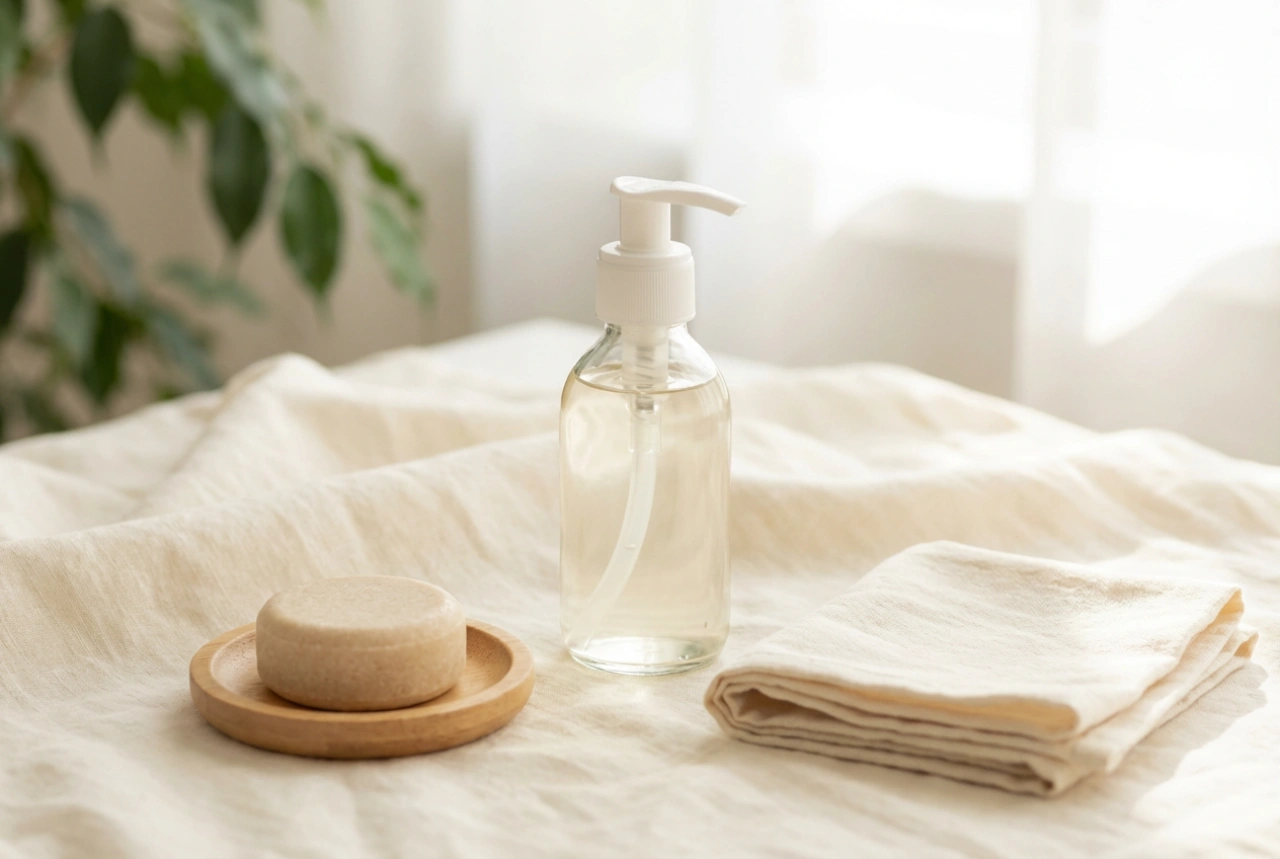
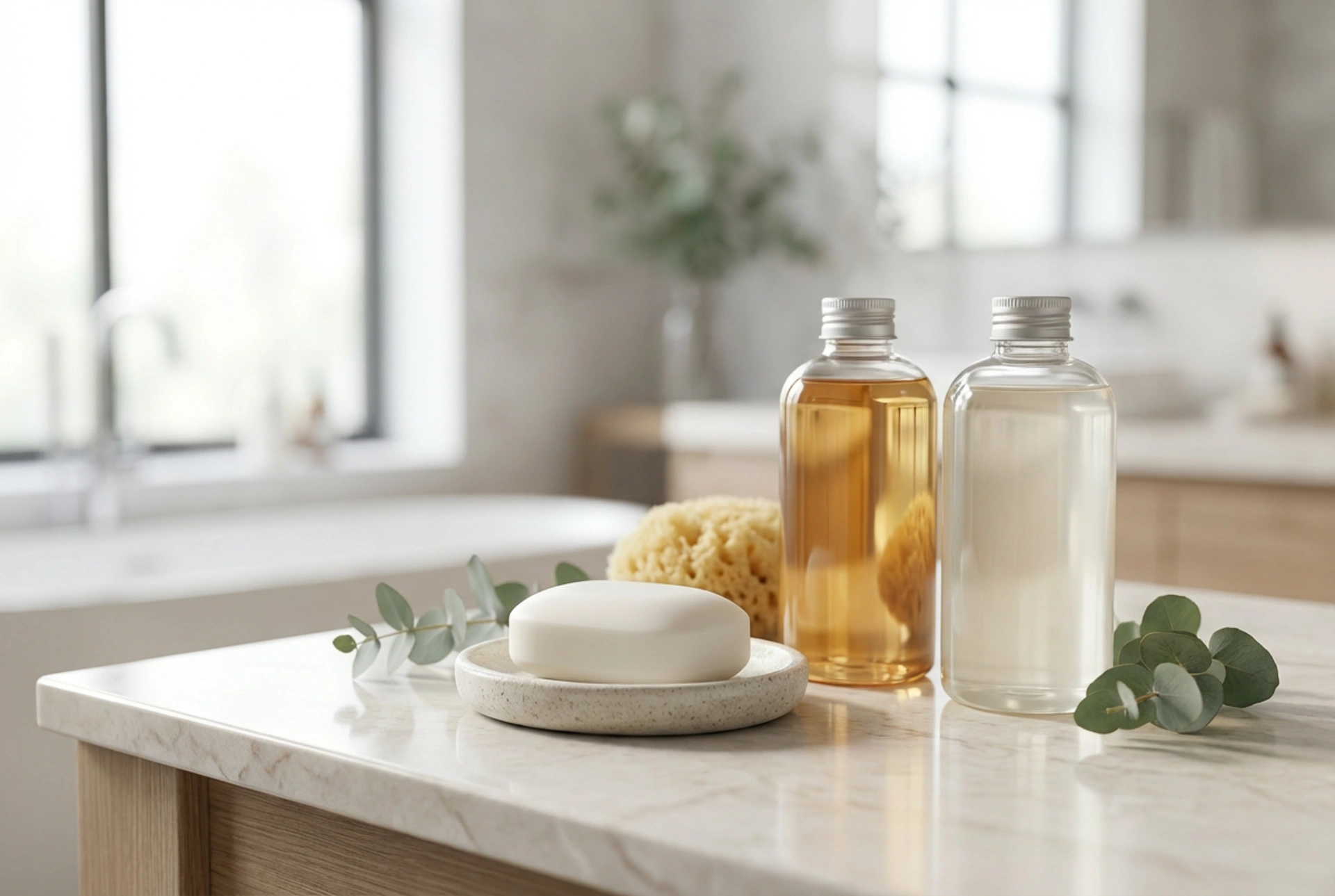
- Bar Soaps: Traditional bar soaps have evolved. Many modern versions are formulated with moisturising ingredients like glycerin, shea butter, and natural oils, making them much gentler than their predecessors. They are a simple, effective, and often sustainable option.
- Body Washes and Shower Gels: These liquid cleansers are very popular and come in countless formulations. Body washes tend to have a creamier, more moisturising consistency, making them ideal for normal to dry skin. Shower gels are often clearer and have a lighter texture, which can be refreshing for oilier skin types.
- Cleansing Oils: An excellent choice for very dry or sensitive skin, cleansing oils work by dissolving impurities and dirt without foaming aggressively. They cleanse gently while leaving a layer of nourishing moisture on the skin.
- Syndet Bars: Short for 'synthetic detergent' bars, these are soap-free cleansing bars. They have a lower, more skin-friendly pH than traditional soap and are very gentle, making them a great option for sensitive or compromised skin.
How Often Should You Cleanse Your Body?
The belief that a daily shower is essential for good hygiene is not a universal rule. The ideal frequency depends heavily on your skin type, climate, and daily activity level. For someone who works out daily or lives in a hot, humid climate, a daily shower might be necessary. However, for those with a more sedentary lifestyle, dry skin, or who live in a cold, dry environment, showering every other day might be sufficient and even beneficial. Over-washing, especially with hot water and harsh cleansers, can strip the skin of its essential lipids, leading to dryness, irritation, and a weakened barrier. Pay attention to how your skin feels. If it feels tight, itchy, or dry after washing, you may be cleansing too often or using a product that is too harsh.
Best Practices for a Gentle Cleanse
How you wash is just as important as what you use. Adopting a few simple habits can significantly improve your skin's health and appearance.
- Use Lukewarm Water: Very hot water can strip the skin of its natural oils, leading to dryness and irritation. Opt for a comfortable, lukewarm temperature instead.
- Apply Cleanser Gently: You don't need to scrub vigorously. Apply your chosen cleanser with your hands or a soft cloth. If using a washcloth or loofah, ensure it is cleaned regularly and replaced often to avoid a build-up of bacteria.
- Don't Overdo It: Focus on cleansing areas that produce more sweat and odour. Your arms and legs may not need as thorough a soaping every single day.
- Pat, Don't Rub: After your shower or bath, gently pat your skin dry with a soft towel. Rubbing can cause friction and irritate the skin, especially if it's sensitive.
- Moisturise Immediately: The best time to apply a body moisturiser is right after patting the skin dry, while it is still slightly damp. This helps to lock in hydration and reinforce the skin's protective barrier.