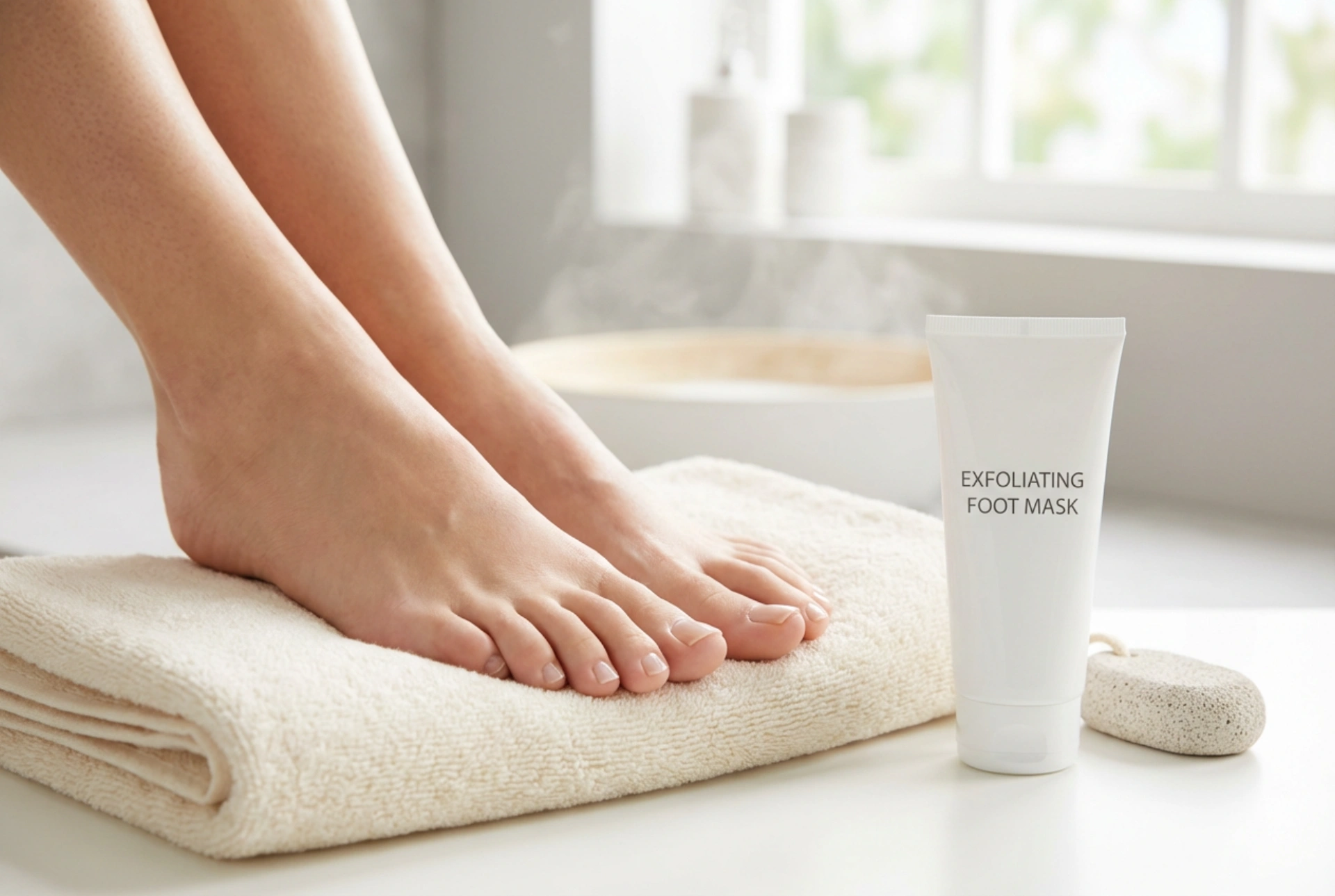


Taking care of our feet is an essential part of any comprehensive beauty routine, yet they are often the most neglected area. Constant pressure, walking, and enclosed footwear can lead to the build-up of hard, rough skin. A home pedicure can be a wonderfully relaxing ritual that restores softness and comfort. One of the most effective treatments for achieving silky smooth feet is an exfoliating foot mask. This guide will walk you through how to use one safely and effectively for the best results.
What Is an Exfoliating Foot Mask and How Does It Work?
An exfoliating foot mask is an intensive foot treatment designed to remove dead skin cells and calluses, revealing the softer, new skin underneath. Unlike physical scrubs or pumice stones that work mechanically, these masks use a chemical exfoliation process. They typically come in the form of plastic socks or booties filled with a gel-like solution.
The Science Behind the Peel
The active ingredients in these masks are usually a blend of acids and other beneficial compounds. Common exfoliants include:
- Alpha-Hydroxy Acids (AHAs): Such as glycolic acid and lactic acid, which work on the surface of the skin to dissolve the bonds holding dead skin cells together.
- Beta-Hydroxy Acids (BHAs): Like salicylic acid, which can penetrate deeper into the pores and skin layers to break down dead skin.
- Fruit Enzymes and Extracts: Natural ingredients from papaya, lemon, or apple that also have exfoliating properties.
- Urea: A powerful humectant and keratolytic agent, meaning it both moisturises and breaks down thick, hardened skin.
When you wear the mask, the solution soaks into the tough outer layers of your skin. The results are not immediate. The actual peeling process typically begins 3 to 7 days after the treatment and can last for up to two weeks. During this time, the dead skin will begin to shed naturally in sheets, revealing the smooth skin below.
Preparing Your Feet for the Treatment
Proper preparation is key to ensuring the mask works effectively and safely. Rushing this step can lead to uneven results or unnecessary irritation. Before you begin, set aside enough time to complete the process without interruption.
Pre-Treatment Steps
- Cleanse Thoroughly: Start by washing your feet with soap and water, then dry them completely. It's important to remove any lotions or oils from the skin.
- Remove Nail Varnish: The chemicals in the mask can damage or discolour nail polish, so it's best to remove it beforehand.
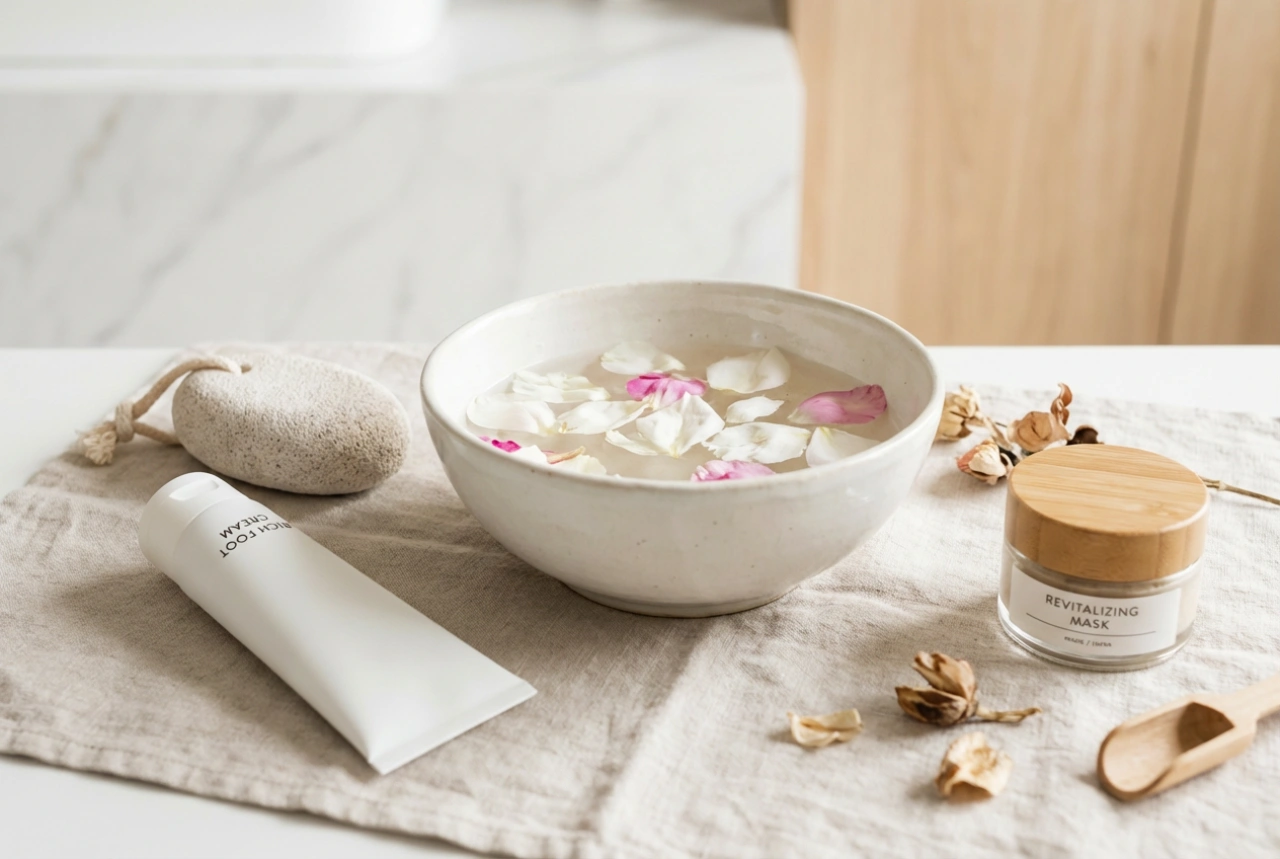
- A Preliminary Soak: Soaking your feet in warm water for 15-20 minutes before applying the mask can soften the hard skin, allowing the exfoliating solution to penetrate more effectively. Dry your feet well after soaking.
- Protect Sensitive Areas: Apply a thin layer of petroleum jelly or a thick barrier cream to areas you do not want to exfoliate, such as the delicate skin on the tops of your feet, ankles, and around your toenails. This will prevent the solution from irritating these more sensitive parts.
A Step-by-Step Guide to Application
Always read the instructions provided with your specific foot mask, as timings and application methods can vary slightly. However, the general process is usually the same.
- Application: Carefully cut open the package and separate the plastic booties. Slide one onto each foot. Use the provided adhesive tabs to secure the booties around your ankles to ensure a snug fit and prevent the gel from leaking out.
- Relax and Wait: Once the booties are on, sit back and relax. Avoid walking around, as this can be slippery and may cause the solution to spread to unprotected areas. The typical recommended time is between 60 and 90 minutes. Never exceed the time stated in the instructions.
- Rinse Off: After the designated time has passed, carefully remove the booties and discard them. Thoroughly rinse your feet with lukewarm water to remove all residual gel. Gently pat your feet dry with a clean towel.
Aftercare: What to Do While Your Feet Are Peeling
Patience is crucial during the post-treatment phase. The peeling is a sign that the mask has worked.
Key Aftercare Rules
- Do Not Force the Peel: This is the most important rule. Resist the temptation to pull or pick at the shedding skin. Forcibly removing it can damage the delicate new skin underneath and lead to soreness or irritation. Let it fall off naturally.
- Keep Feet Clean: Wash your feet daily with a gentle soap to keep them clean.
- Consider Daily Soaks: Soaking your feet in warm water for 10-15 minutes each day can help to soften the dead skin and encourage it to shed more quickly and evenly.
- Wear Socks: Wearing cotton socks during the day can help manage the flaking skin and prevent it from making a mess. It also keeps the skin protected.
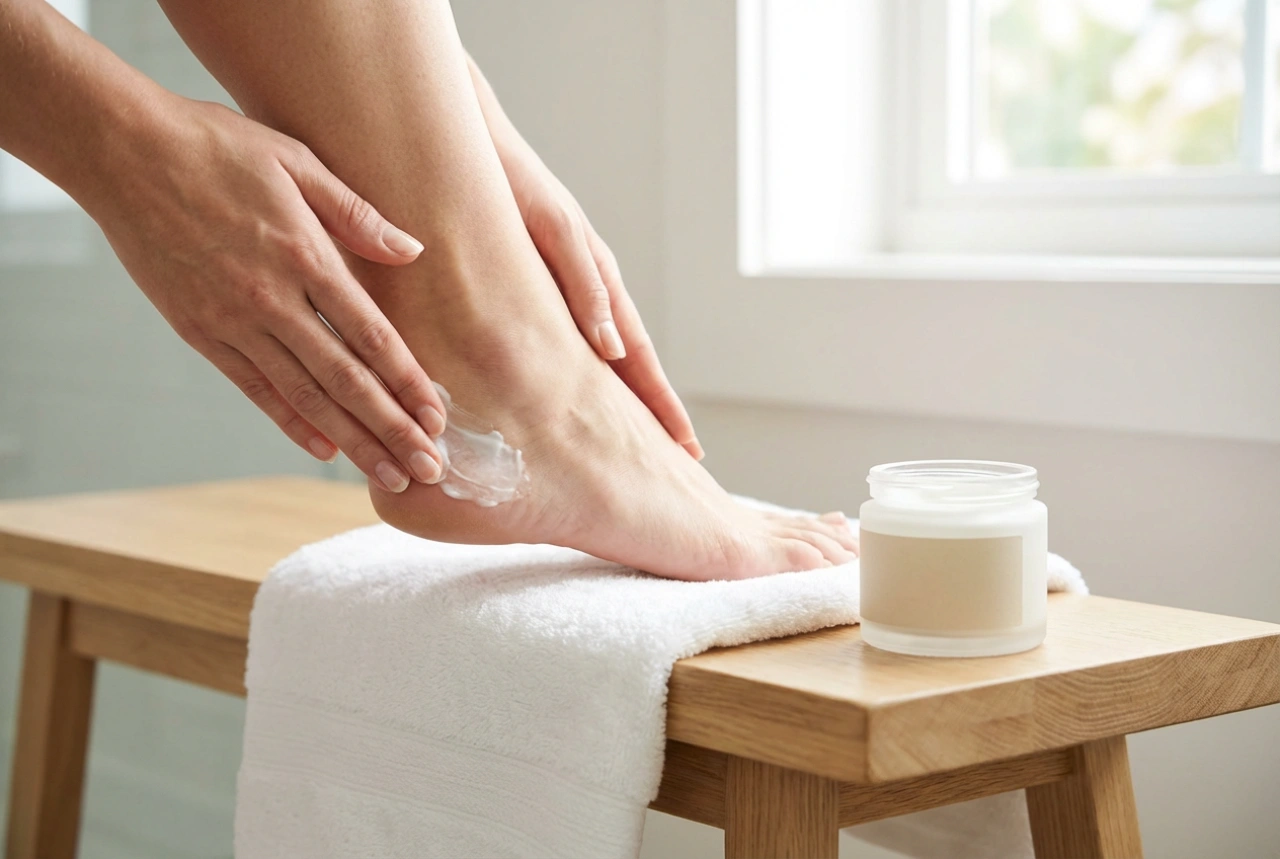
- Moisturise Wisely: While you can moisturise the tops of your feet and ankles, it's often best to avoid applying heavy creams to the soles while they are actively peeling, as this can slow down the process. Once the peeling is complete, resume regular moisturising to maintain your newly soft skin.
Safety Precautions and Best Practices
While generally safe for home use, exfoliating foot masks are a potent treatment and should be used with care.
- Perform a Patch Test: If you have sensitive skin or are using a product for the first time, perform a patch test by applying a small amount of the gel to a small area of your foot 48 hours before the full treatment.
- Avoid on Damaged Skin: Never use an exfoliating mask if you have open sores, cuts, wounds, or any skin irritation on your feet.
- Know When to Avoid: It is generally recommended to avoid these treatments during pregnancy or while breastfeeding. If you have any specific skin conditions, it's best to refrain from use.
- Limit Frequency: These masks are an intensive treatment. Do not use them more frequently than recommended, which is typically no more than once every 1-2 months, to avoid over-exfoliating and causing sensitivity.