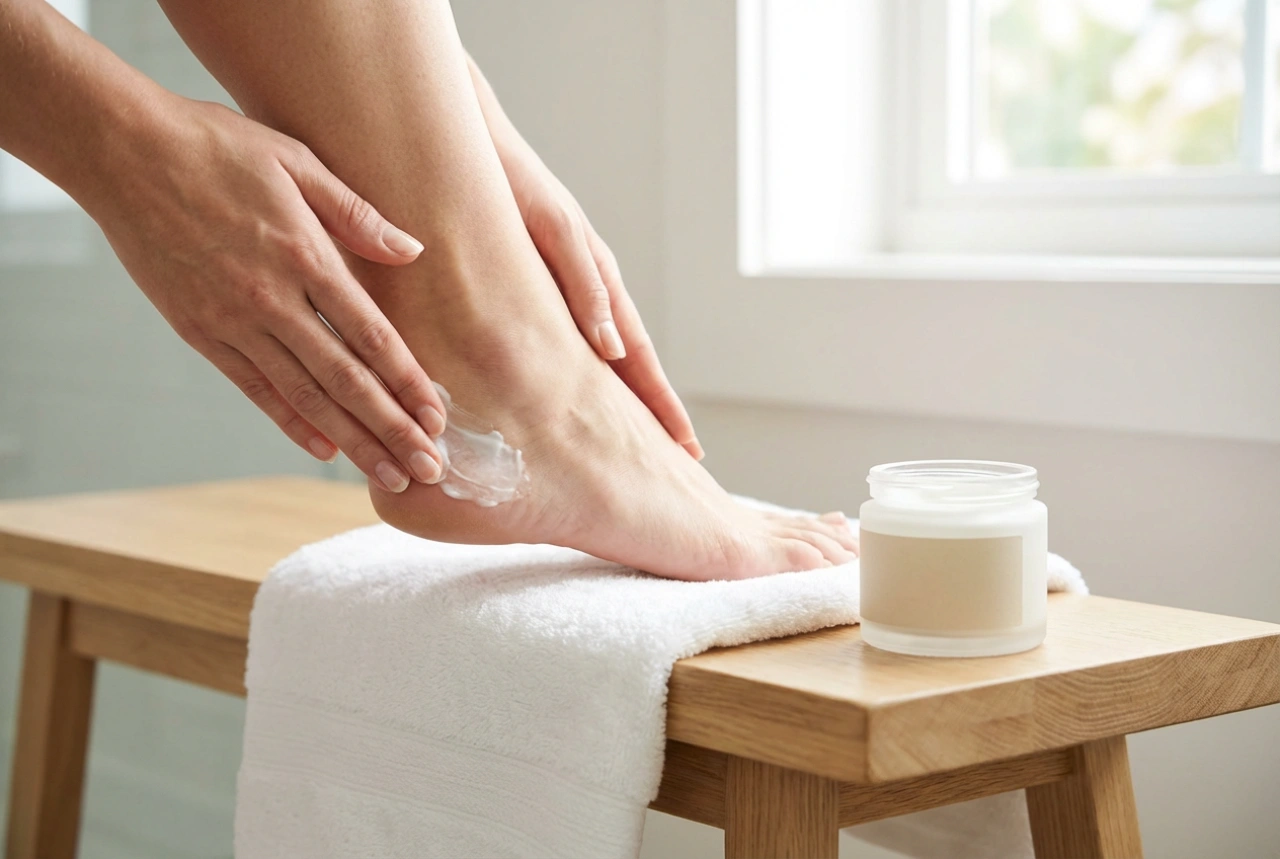


Dry, tight skin on the hands is a common discomfort, often exacerbated by daily tasks and environmental factors. Our hands are constantly at work, and frequent washing or exposure to the elements can strip them of their natural oils, leading to dryness and irritation. The simple act of applying a nourishing hand cream, as depicted by the gentle application of a rich formula, can provide immediate relief and long-term protection. Understanding what makes a hand cream effective and how to use it properly is key to maintaining soft, supple, and comfortable hands throughout the day.
Why Do Hands Become Dry?
The skin on our hands is unique and more susceptible to dryness than on many other parts of the body. The skin on the back of the hands is thin and has fewer oil glands, making it harder for it to stay moisturised. Common culprits for dryness include:
- Frequent Washing: While essential for hygiene, washing hands with hot water and harsh soaps can strip the skin’s protective lipid barrier.
- Environmental Factors: Cold, windy weather and low humidity, especially during winter, draw moisture away from the skin. Conversely, sun exposure can also dehydrate the skin.
- Contact with Irritants: Chemicals found in cleaning products, detergents, and even some hand sanitisers can be harsh on the skin, causing it to become dry and chapped.
- Indoor Heating and Air Conditioning: Central heating and air conditioning reduce the humidity in the air, which in turn dries out your skin.
Key Ingredients in an Effective Hand Cream
When selecting a hand cream, looking at the ingredients list can tell you a lot about how it will perform. A well-formulated cream will typically contain a blend of ingredients from three main categories that work together to restore and maintain moisture.
Humectants: The Moisture Magnets
Humectants are ingredients that attract water molecules from the air and draw them into the skin's upper layers. They provide a quick boost of hydration. Look for ingredients such as glycerin, hyaluronic acid, aloe vera, and honey. These help to plump up the skin and provide immediate relief from tightness.
Emollients: The Skin Smoothers
Emollients work by filling in the gaps between skin cells, creating a smoother and softer surface. They help to repair the skin's barrier and improve its texture and appearance. Common emollients include ceramides, which are naturally part of the skin barrier, as well as shea butter, cocoa butter, and various plant-based oils like jojoba, almond, or coconut oil.
Occlusives: The Protective Shield
Occlusives form a physical barrier on the surface of the skin to prevent moisture from evaporating. This is particularly important for very dry or chapped hands, as it seals in the hydration provided by humectants and emollients. Examples of effective occlusives are dimethicone, lanolin, and petrolatum. They create a long-lasting protective layer against the elements.
How to Apply Hand Cream for Maximum Benefit
Simply dabbing on some cream occasionally won't be enough to combat persistent dryness. For the best results, incorporate hand cream application into your daily routine with the right technique.
- Be Consistent: Apply hand cream several times a day, especially after every time you wash your hands. This replenishes the moisture that was just washed away.
- Use the Right Amount: A pea-sized amount is usually sufficient. Squeeze it onto the back of one hand and use the back of your other hand to rub it in. This method ensures the area that needs it most—the back of the hands—gets the most product.
- Don't Forget the Details: Massage the cream thoroughly into your palms, between your fingers, and over your knuckles. Pay special attention to your cuticles, massaging the cream in to keep them soft and prevent hangnails.
- Intensive Night-time Treatment: For very dry hands, apply a thick layer of a rich hand cream just before bed. For an extra-intensive treatment, you can wear cotton gloves overnight to help the cream penetrate deeply.
Daily Habits for Well-Nourished Hands
Beyond using cream, a few simple adjustments to your daily habits can make a significant difference in the health and appearance of your hands.
- Choose a Gentle Cleanser: Opt for a mild, moisturising hand wash that is free from harsh surfactants. Use lukewarm water instead of hot.
- Protect Your Hands: Wear waterproof gloves when washing dishes or using cleaning products to shield your skin from harsh chemicals and hot water.
- Wear Gloves in Cold Weather: Protect your hands from cold air and wind by wearing gloves or mittens whenever you go outside in winter.
- Stay Hydrated: Drinking an adequate amount of water throughout the day helps to keep your entire body, including the skin on your hands, hydrated from the inside out.
Consistent care is the secret to overcoming dry hands. By choosing a cream with the right blend of ingredients, applying it regularly, and adopting protective daily habits, you can achieve quick relief and maintain beautifully soft, hydrated hands all year round.